Laura Wade: A Luminary of British Theatre
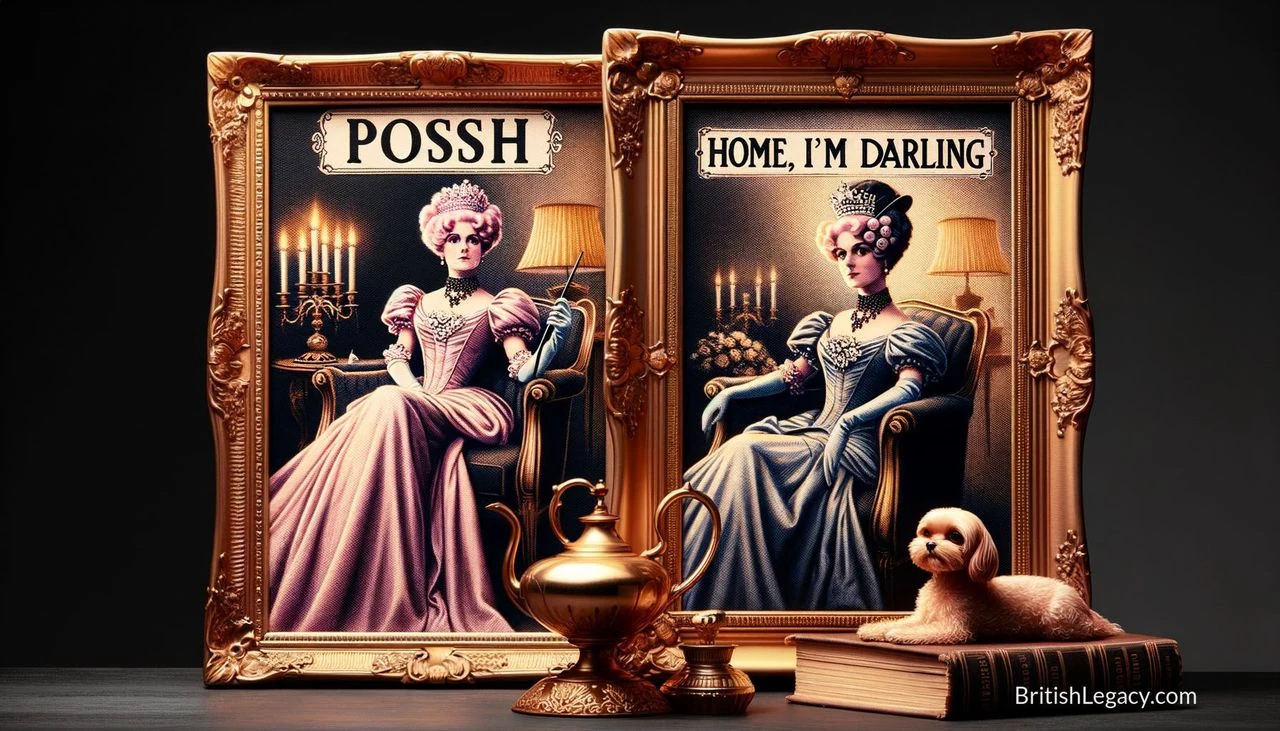
When discussing the tapestry of British playwrights who have left an indelible mark on both national and international stages, the name Laura Wade stands out with resplendence. Wade's inventive and incisive plays, particularly "Posh" and "Home, I'm Darling," have woven themselves into the vibrant fabric of British cultural legacy. Through a meticulous synthesis of satire and social commentary, Wade has emerged as a preeminent voice, reflecting and shaping the collective conscience of her audience.
Born in 1977 in Bedford, Laura Wade's journey to becoming a celebrated playwright is as captivating as her works. After studying Drama at Bristol University, she honed her craft through various writing programmes and residencies, progressively capturing the limelight with her unique narrative style.
"Posh": A Scathing Satire on Privilege
One cannot delve into Wade's contributions without dissecting her play "Posh." Premiered in 2010 at the Royal Court Theatre, "Posh" is a trenchant critique of the British elite. Set against the backdrop of an exclusive dining club resembling Oxford University's Bullingdon Club, the play unravels the disturbing undercurrents of wealth and power that often underpin British society. The narrative crescendos into a night of debauchery, revealing how privilege and entitlement can unduly influence and corrupt.
"Posh" is not merely a play but a societal mirror, reflecting the dark recesses of class disparity. It garnered immense acclaim and was later adapted into the film "The Riot Club" in 2014, further magnifying its impact. By drawing audiences into the opulent but morally questionable world of the elite, Wade sparked conversations around class structure and power dynamics, contributing significantly to contemporary British discourse.
"Home, I'm Darling": The Paradox of Nostalgia
Continuing her streak of thought-provoking narratives, Wade penned "Home, I'm Darling," a humorous yet poignant exploration of gender roles and bygone eras. Premiered in 2018 at Theatr Clwyd before transferring to the National Theatre in London, the play features Judy, a woman striving to live a 1950s domestic fantasy in modern times. As she meticulously replicates this bygone lifestyle, the play unfurls the inherent contradictions and challenges of escapism.
"Home, I'm Darling" received critical acclaim, awards, and a plethora of nominations, including the prestigious Olivier Award for Best New Comedy in 2019. Through its witty dialogue and nostalgic yet incisive examination of traditional gender roles, the play invites audiences to reflect on the implications of yearning for a glorified past. Wade's ability to blend humour with critical societal themes ensures her position as a cornerstone of British theatrical success.
Laura Wade’s Broader Influence
Though "Posh" and "Home, I'm Darling" are among Wade’s most illustrious works, they are but a part of her expansive repertoire. Her plays like "Colder Than Here" and "Other Hands" similarly delve into themes of human experience, mortality, and emotional complexities. Wade's contribution to theatre transcends mere entertainment; her works are a catalyst for dialogue and introspection.
Wade has played a pivotal role in challenging and reshaping conventional narratives, carving a niche for herself in the annals of British theatre. Her sharp, piercing dialogues and intricate character portrayals illuminate contemporary issues, challenging audiences to question the status quo. Furthermore, her ability to bring profound societal narratives to the mainstream stage evidences her remarkable talent and vision.
Legacy and Impact
Laura Wade's meteoric rise to prominence and her lasting impact epitomise the power of theatre as a reflective and transformative medium. Her works are a testament to the enduring British legacy of blending art with discourse, ensuring that theatre remains a pertinent and influential force within society. Through her compelling narratives, Wade not only entertains but educates, provokes, and inspires, leaving an indelible mark on the cultural and intellectual heritage of Britain.
In conclusion, Laura Wade is a playwright par excellence whose contributions extend far beyond the bounds of theatre. Her plays reverberate with the quintessential British spirit of inquiry and commentary, securing her place as a maestro who has palpably enriched the legacy of British heritage.
This article aims to encapsulate the essence of Laura Wade's illustrious career, her contribution to British theatre, and her resonance within the broader context of cultural heritage.