
Isaac Newton
The Lincolnshire mathematician connected motion on Earth with the movements of the heavens, transformed the study of light and served at the Royal Mint.
Read the entryThe Lincolnshire mathematician connected motion on Earth with the movements of the heavens, transformed the study of light and served at the Royal Mint.
Read the entry
From Shrewsbury and Cambridge to years of work at Down House, Charles Darwin built an evidence-based explanation of how species change—and transformed the study of life.
Read the entry
From Cambridge’s deepest questions to the bestseller lists, Stephen Hawking brought black holes and cosmology into public life.
Read the entry
On 13–14 June 1982, British forces attacked an Argentine position near Stanley. Its capture preceded the surrender that ended the Falklands War.
Read the entry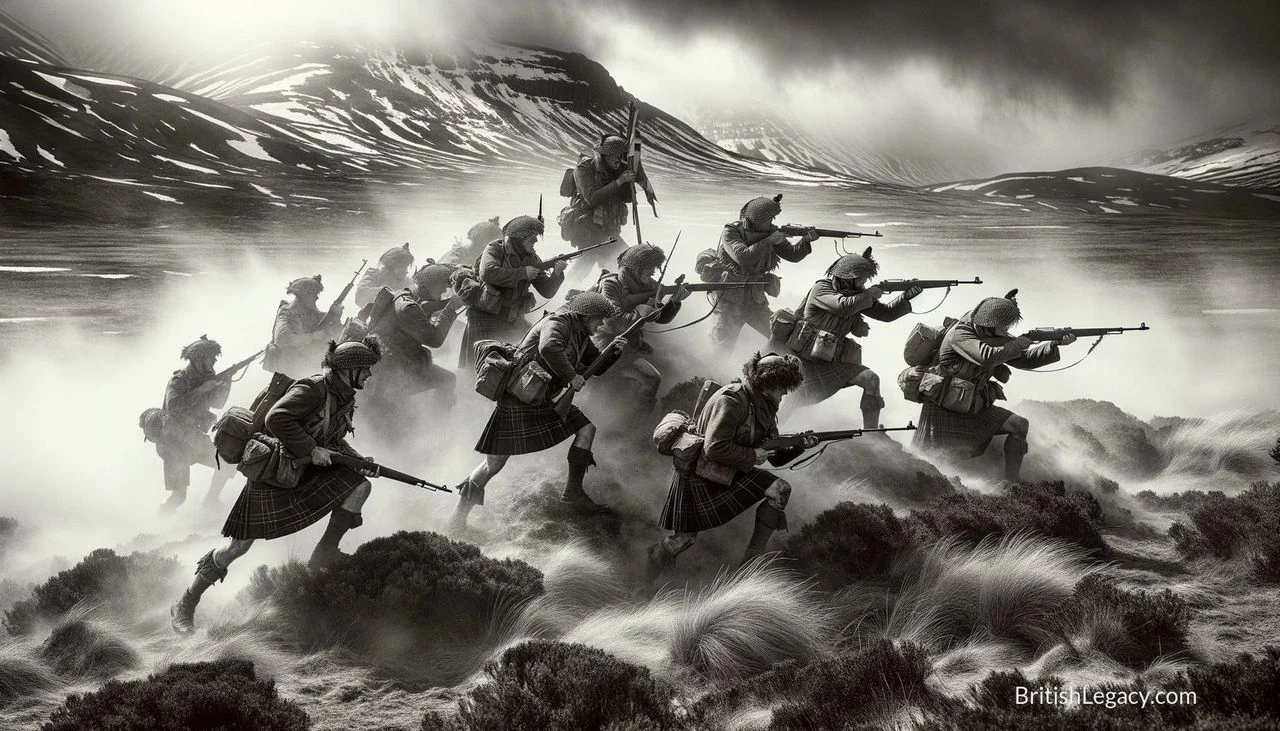
In the final fighting before Stanley’s capture, the Scots Guards attacked Argentine positions on Tumbledown Mountain during the night of 13–14 June.
Read the entry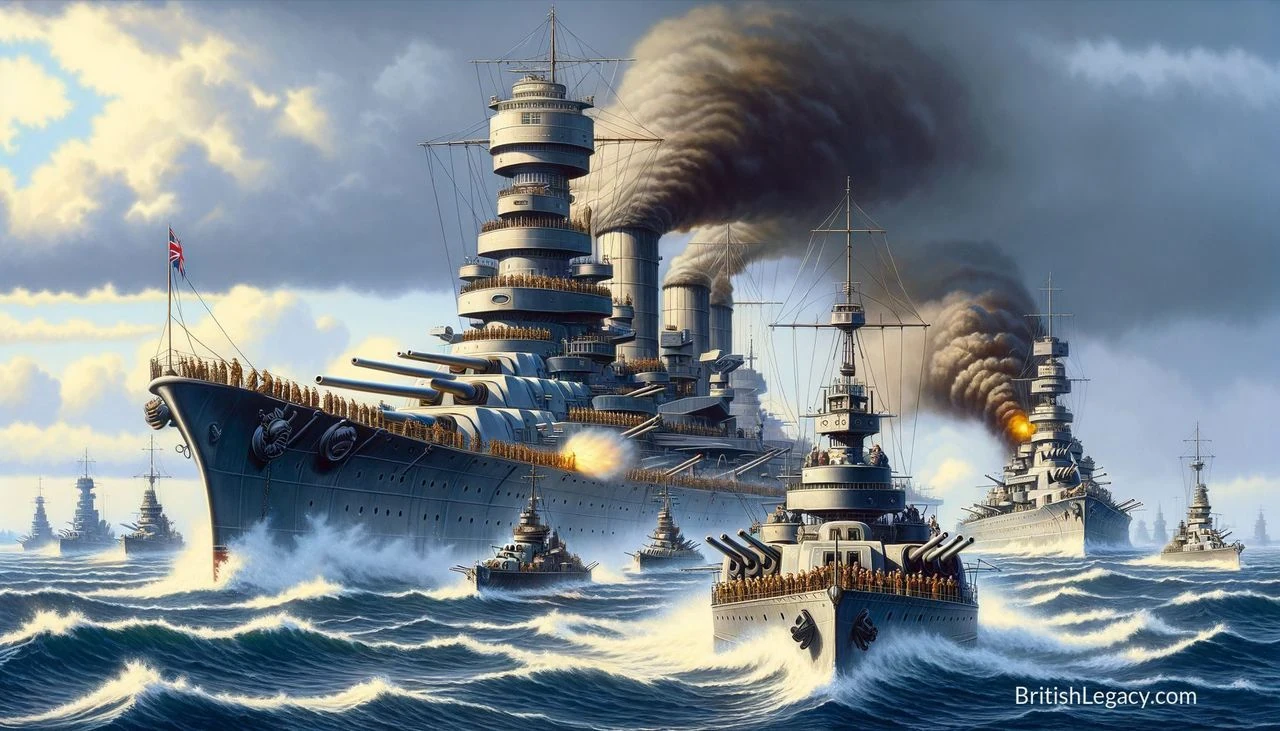
On 13 December 1939, three Allied cruisers met the German pocket battleship Admiral Graf Spee off South America.
Read the entry
The English inventor whose wind-up radio brought practical communication to places without reliable electricity.
Read the entry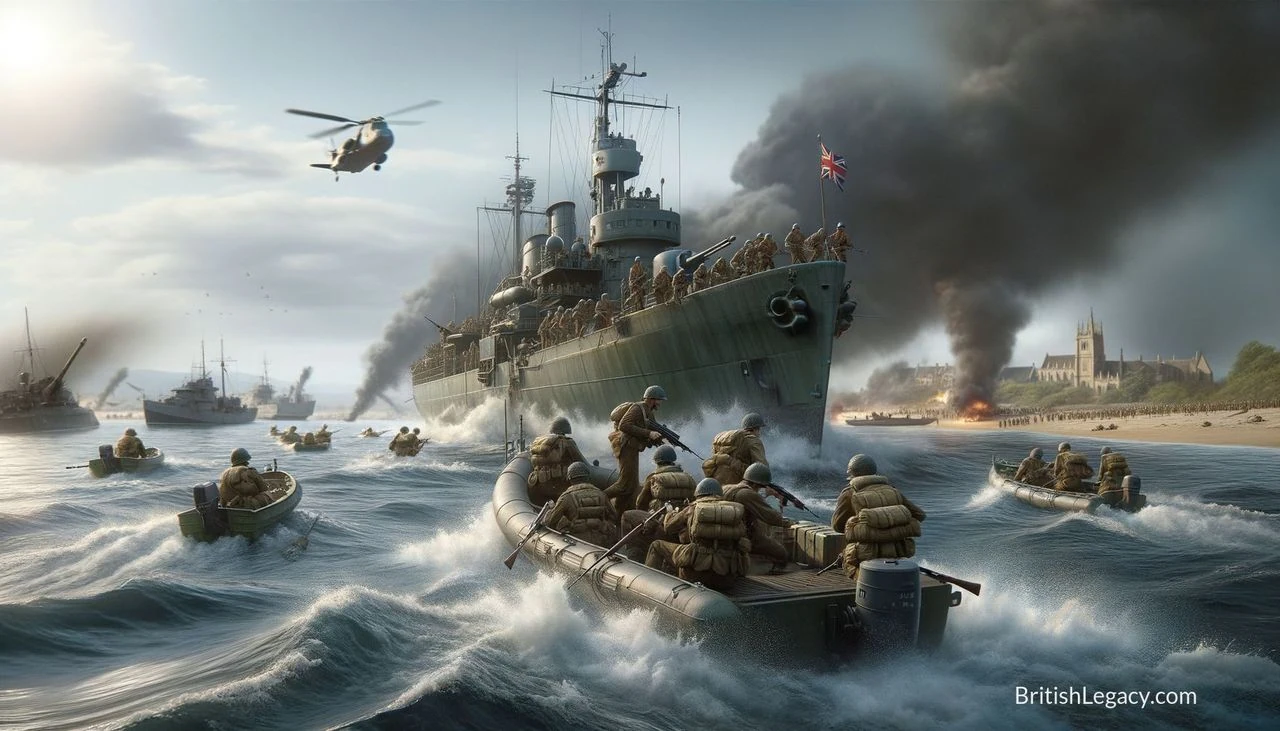
On 21 May 1982, British forces landed in San Carlos Water and established a foothold for their advance across East Falkland, while Argentine aircraft attacked the ships supporting them.
Read the entry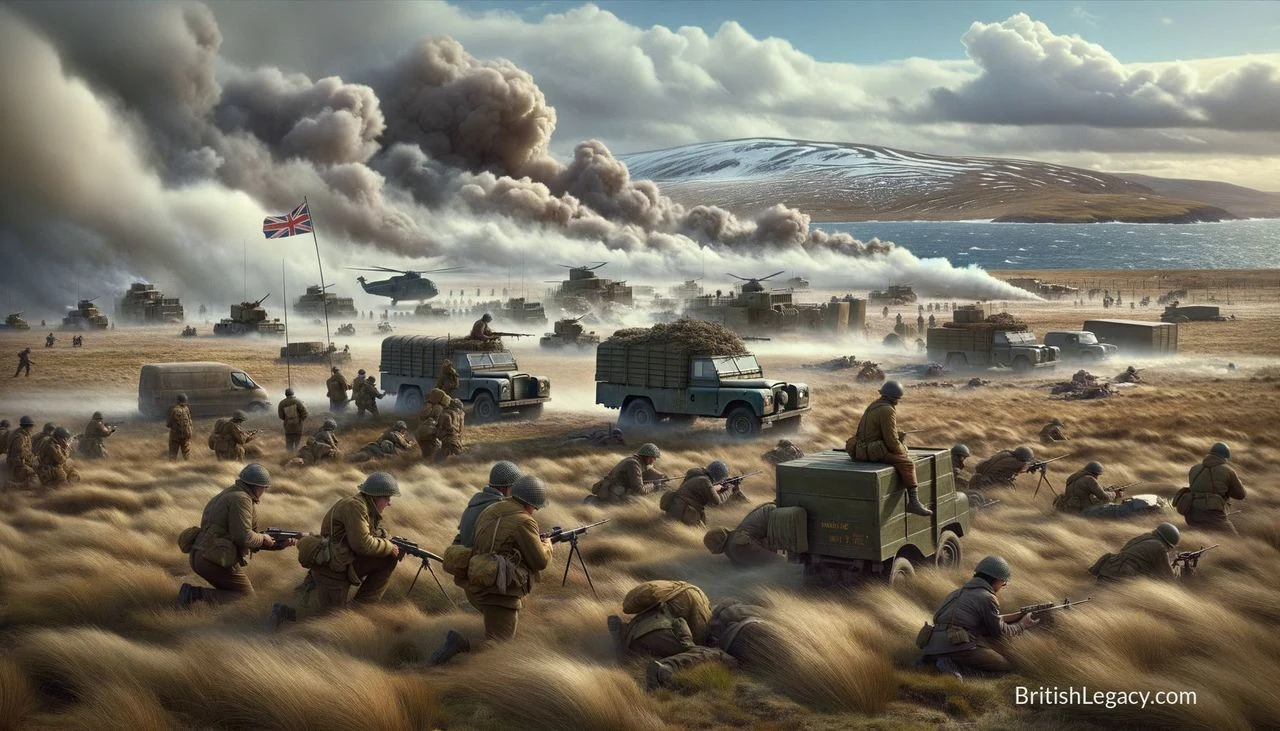
Fought over 27–28 May 1982, Goose Green was an early British victory in the campaign to retake the Falkland Islands.
Read the entry
British airborne troops were sent to hold Arnhem’s bridge for an advancing ground force. The operation failed, but the fighting became a lasting part of the battle’s public memory.
Read the entry
In 1944, British and Indian forces resisted Japan’s invasion of north-eastern India, fighting at Imphal and Kohima amid difficult terrain, monsoon weather and severe supply pressures.
Read the entry
British troops landed on Sword and Gold beaches, fought around Caen and joined Allied forces in the campaign that ended with the Falaise Pocket.
Read the entry
A British squadron defeated Vice-Admiral Maximilian von Spee’s German East Asia Squadron off the Falkland Islands on 8 December 1914.
Read the entry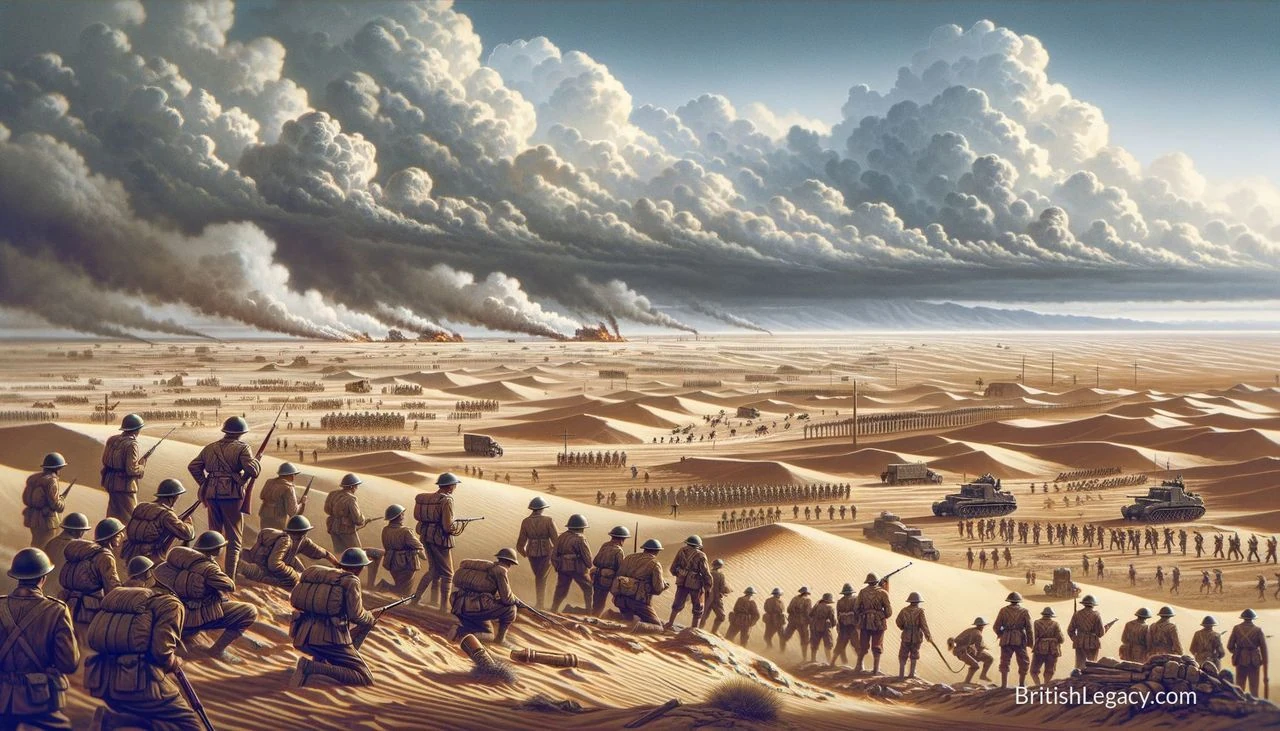
The Eighth Army’s offensive began on 23 October and ended with the retreat of Rommel’s forces in early November.
Read the entry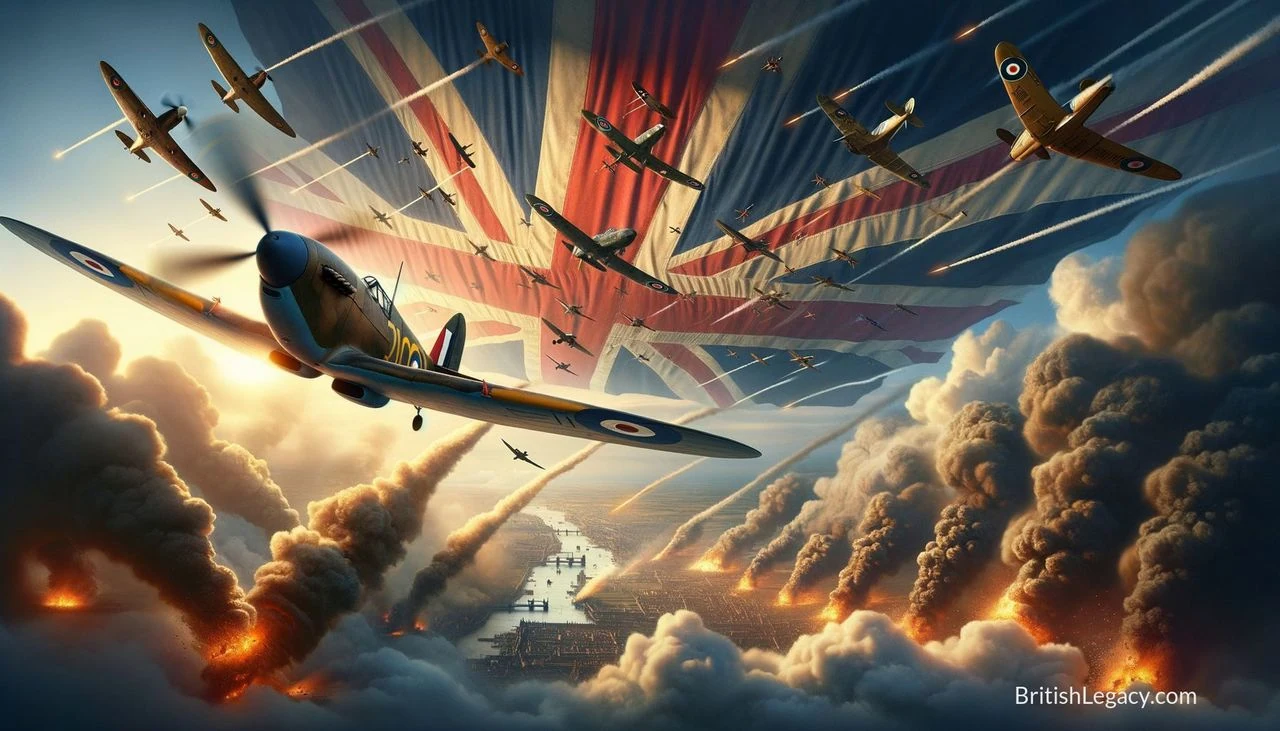
The RAF’s campaign against the Luftwaffe helped deny Germany the air superiority required for its planned invasion of Britain.
Read the entry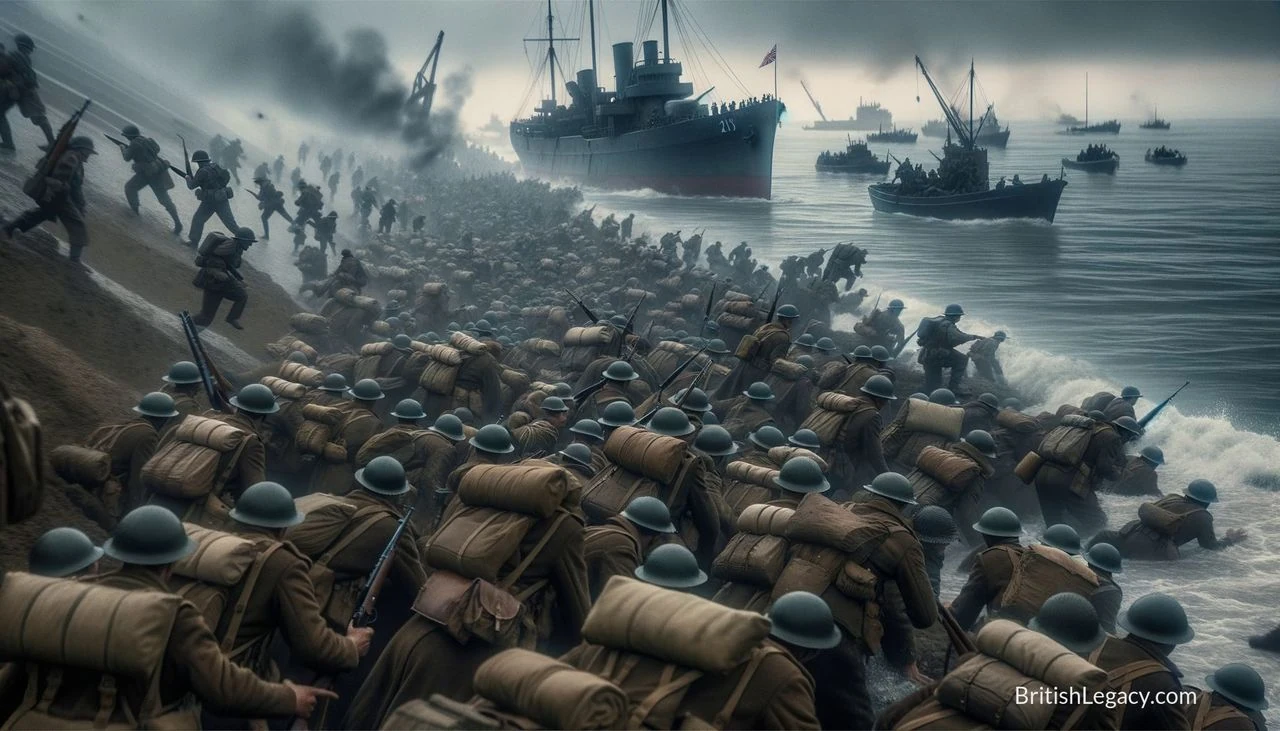
From 26 May to 4 June 1940, Operation Dynamo brought hundreds of thousands of Allied troops away from the French coast. The retreat endured as a story of rescue and resolve.
Read the entry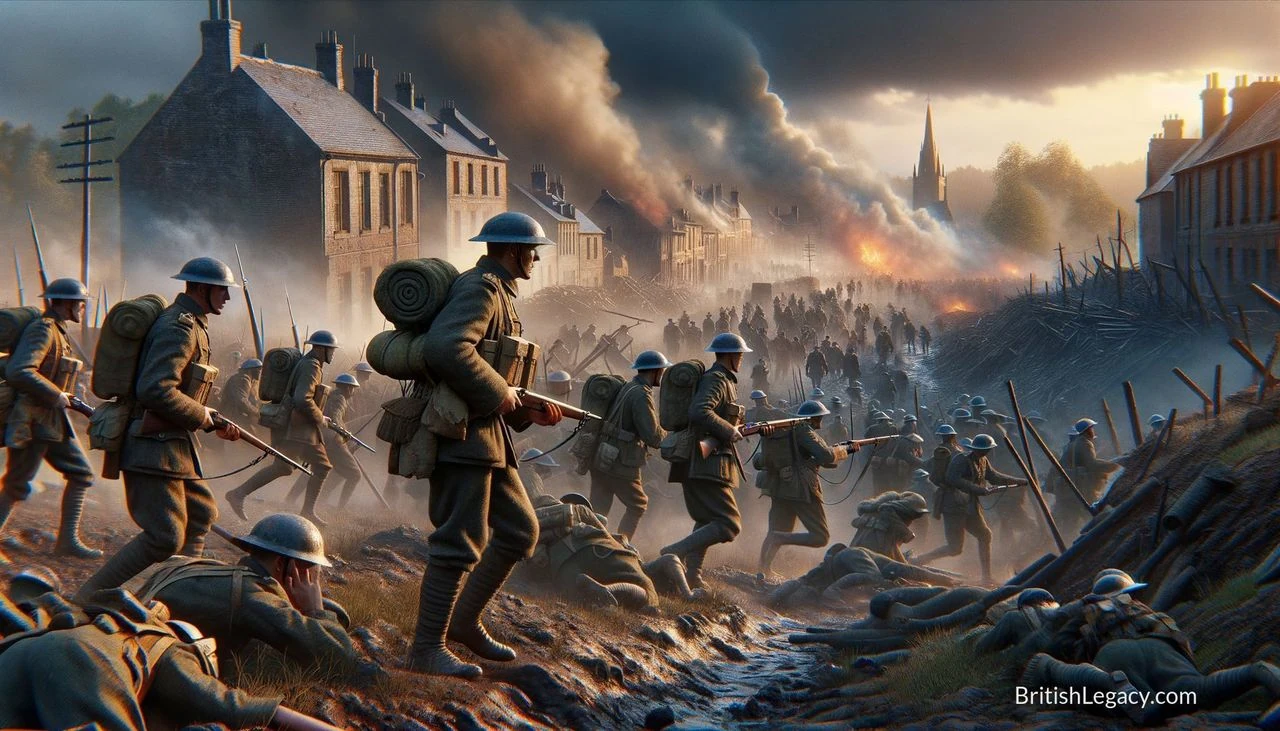
After Mons, British forces stood to fight at Le Cateau as their retreat continued.
Read the entry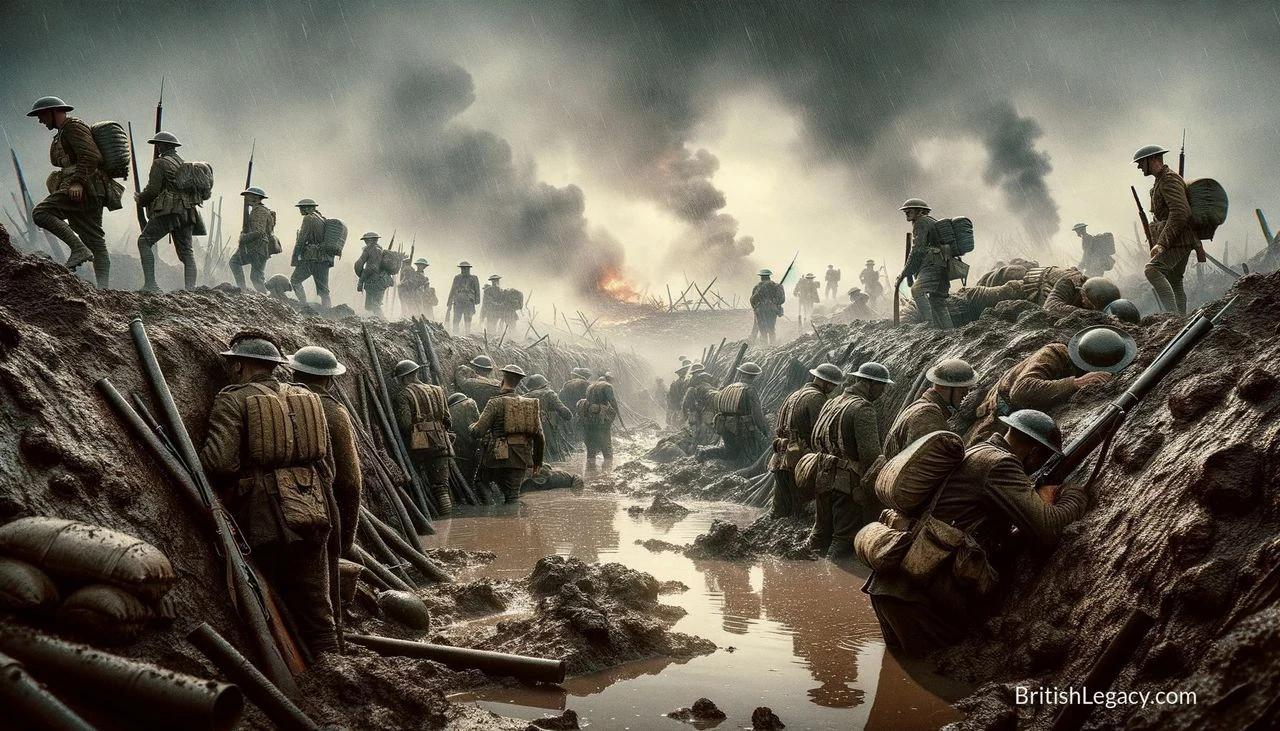
The 1917 offensive near Ypres became a defining British and Allied experience of the First World War’s Western Front.
Read the entry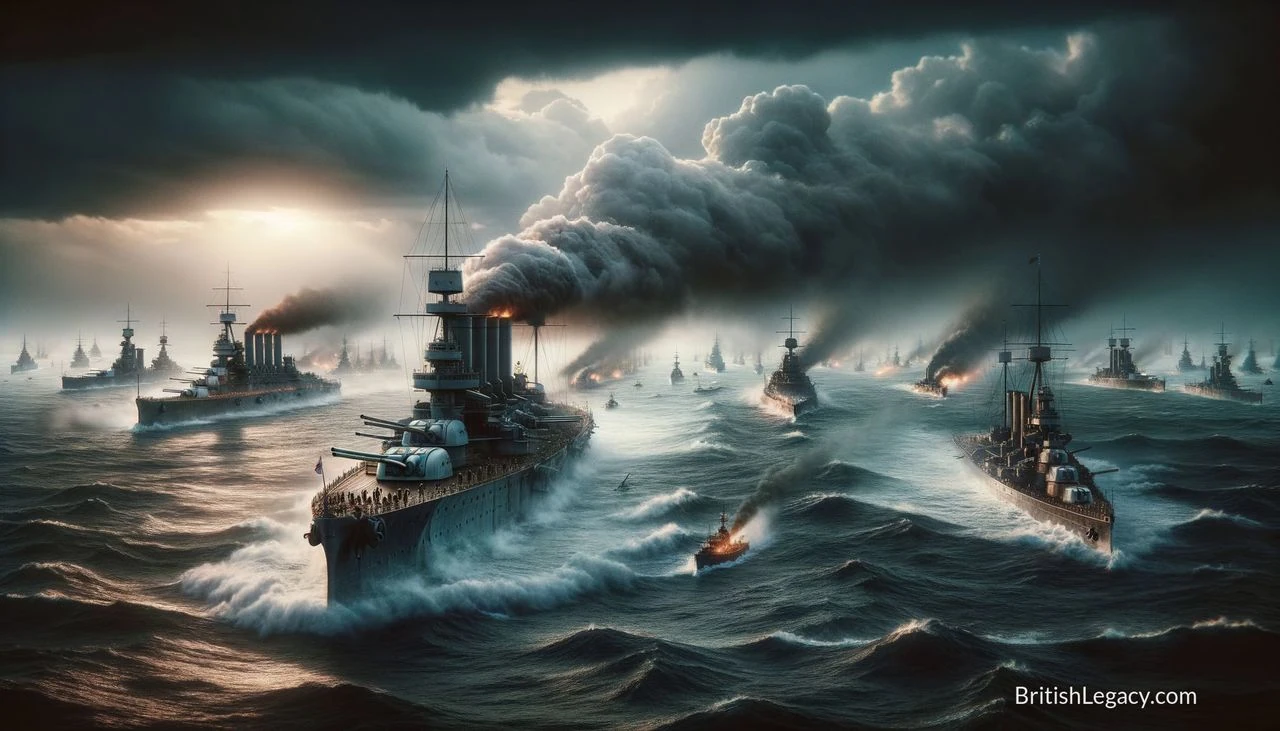
Fought off Denmark in 1916, Jutland ended without a decisive victory, but the German fleet did not break Britain’s North Sea blockade.
Read the entry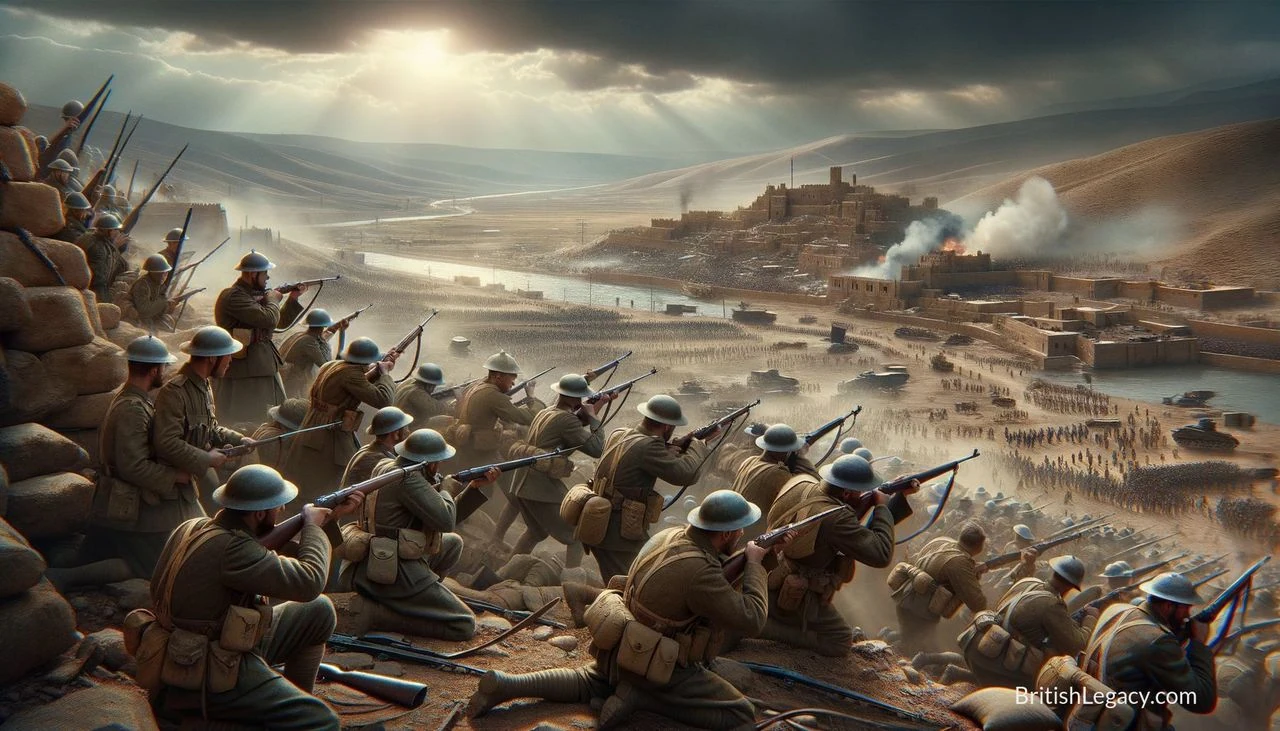
Allenby’s forces used deception and a rapid cavalry advance in a decisive First World War victory against the Ottoman Empire.
Read the entry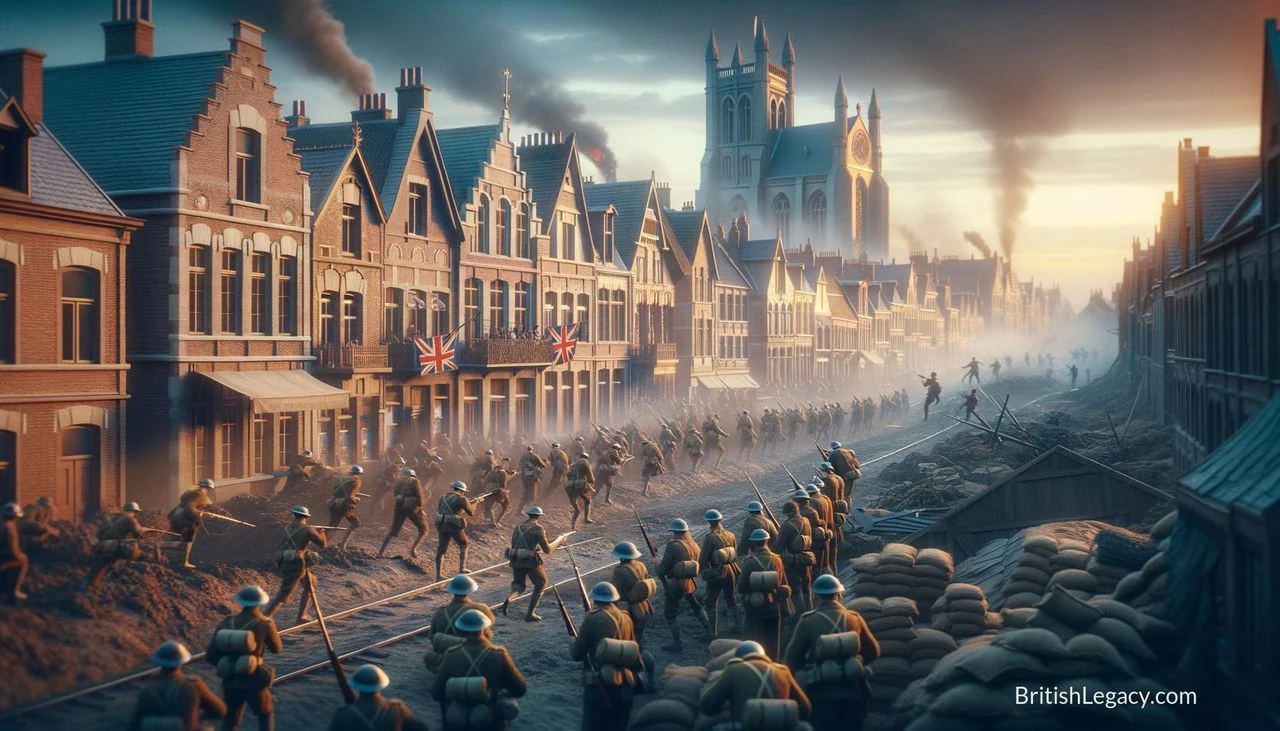
From 1914 to 1918, the Belgian town of Ypres stood at the centre of repeated fighting on the Western Front, including the 1917 campaign known as Passchendaele.
Read the entry
An early British Expeditionary Force offensive achieved a breakthrough before communications, supply difficulties and resistance halted its advance.
Read the entry
An Italian defeat prompted British and French deployments to help reinforce the Allied position on the Italian front.
Read the entry
In the closing phase of the Somme campaign, British forces attacked German positions along the Ancre amid cold, mud and entrenched resistance.
Read the entry
Verdun was fought chiefly by French forces. Britain’s connection lay in the wider Allied campaign, including the Somme offensive that began that summer.
Read the entry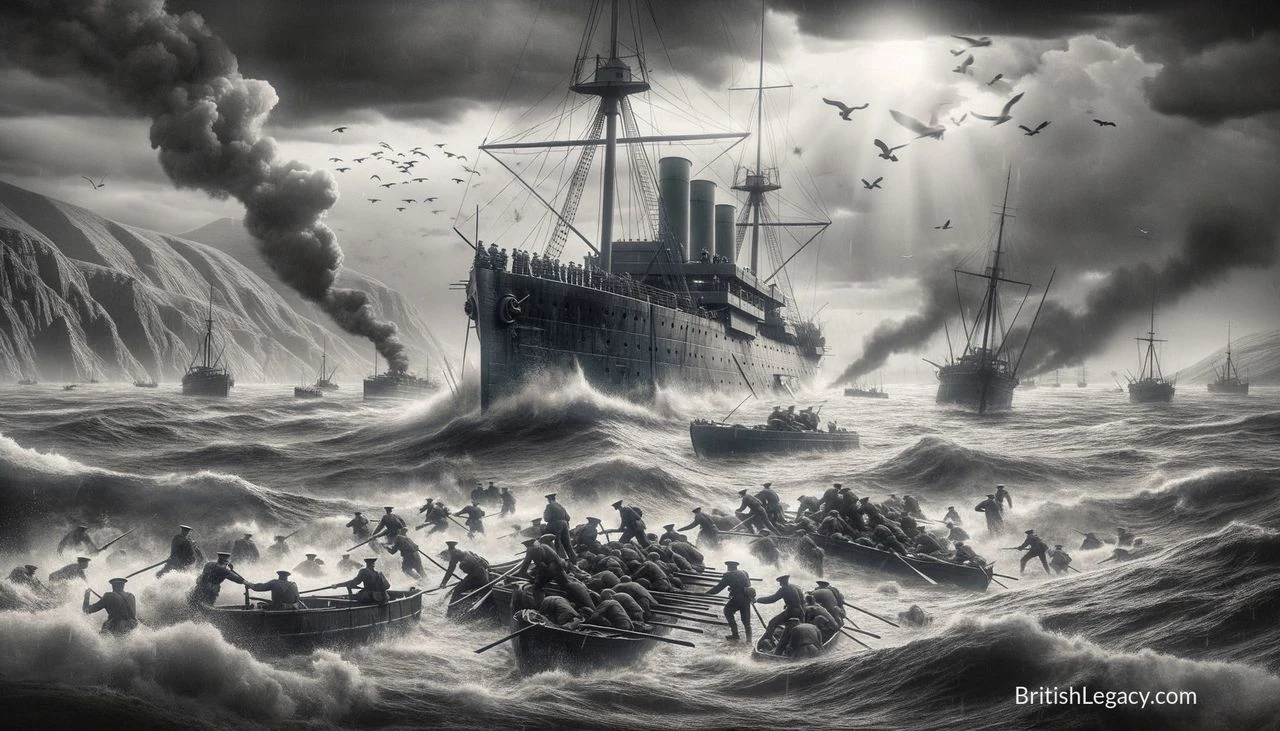
The Allies’ attempt to open a sea route to Russia became a costly campaign on the Dardanelles and Gallipoli Peninsula.
Read the entry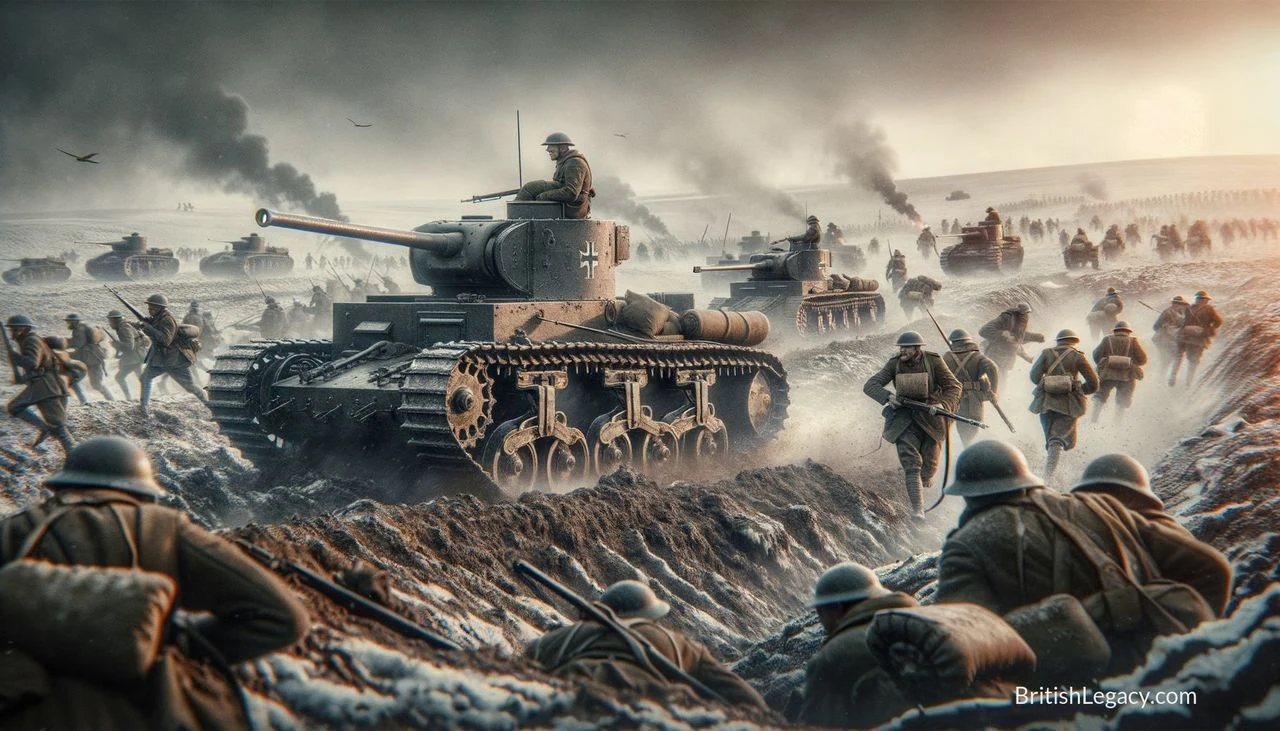
The British attack of November 1917 demonstrated the possibilities of combining tanks, infantry, artillery and aircraft, but German counter-attacks reversed much of its early territorial gain.
Read the entry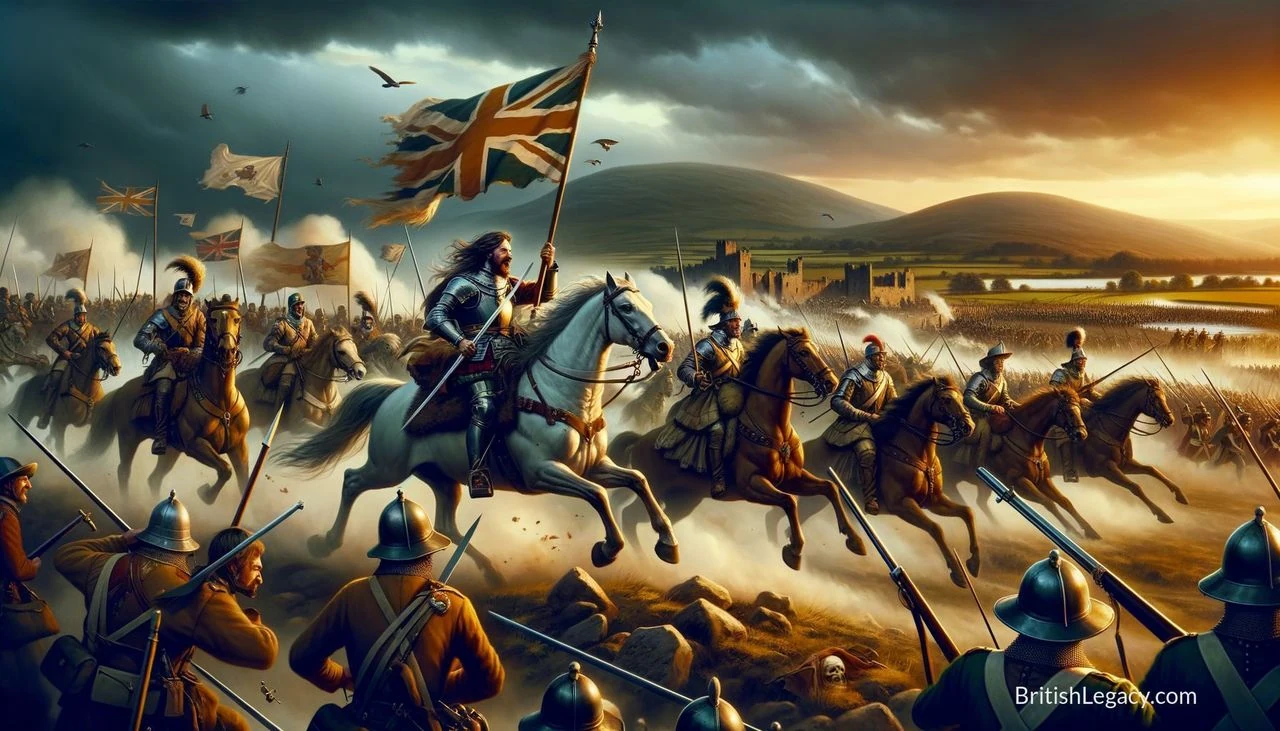
The 1690 clash formed part of the struggle over the crown and left a contested legacy in Irish political and cultural memory.
Read the entry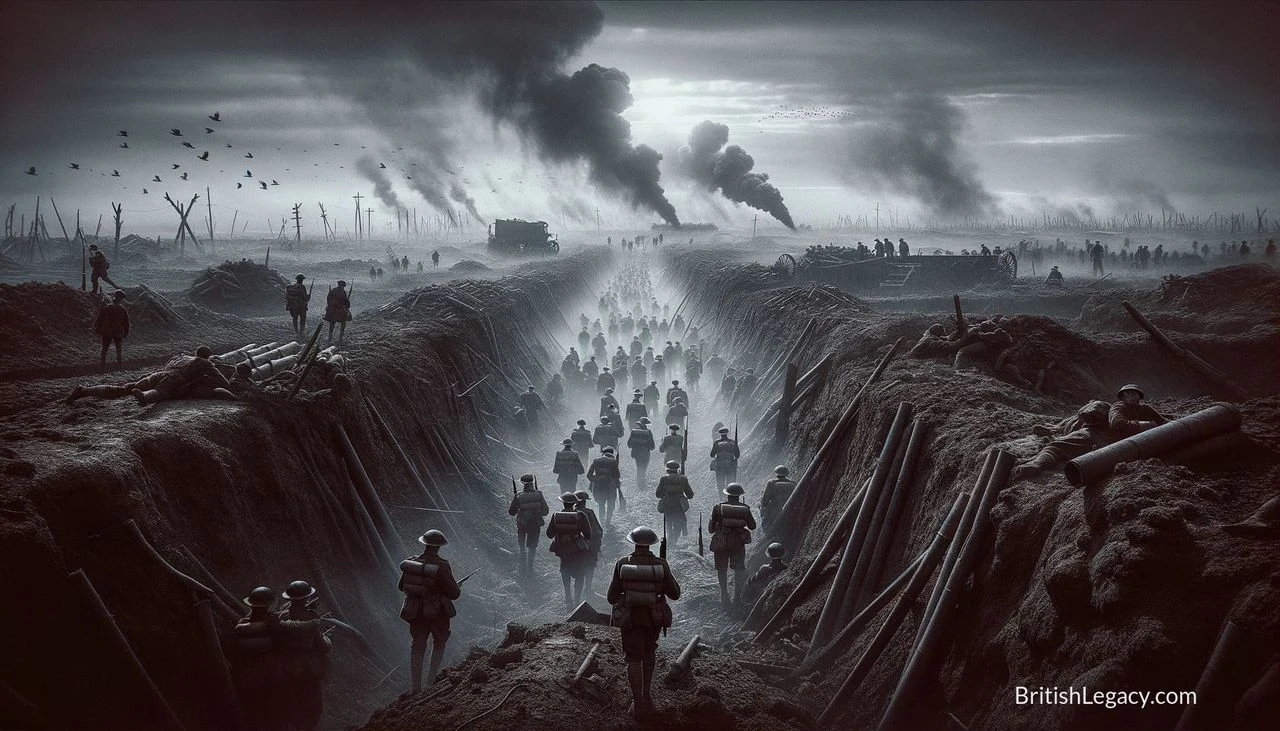
Fought from July to November 1916, the Somme offensive became a lasting symbol of the First World War’s human cost and the difficulties of trench warfare.
Read the entry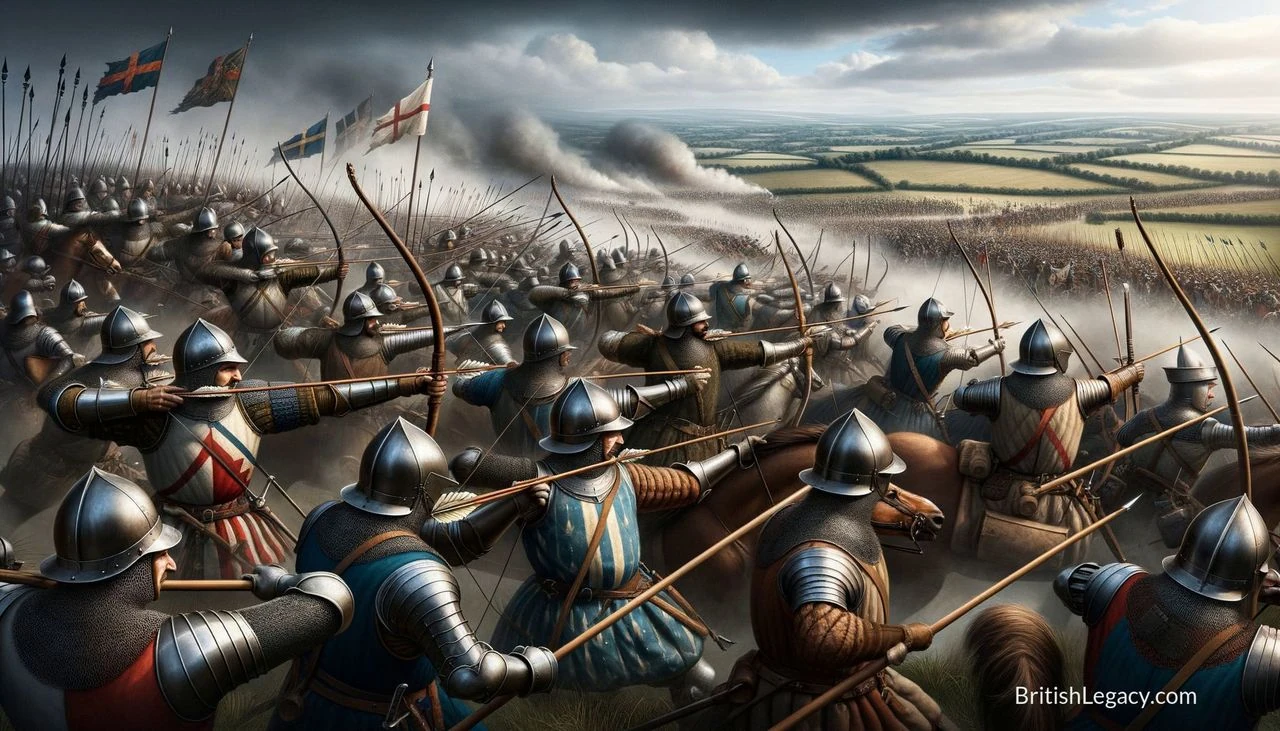
Henry V’s army, weakened after the siege of Harfleur, faced a larger French force near Agincourt on 25 October 1415.
Read the entry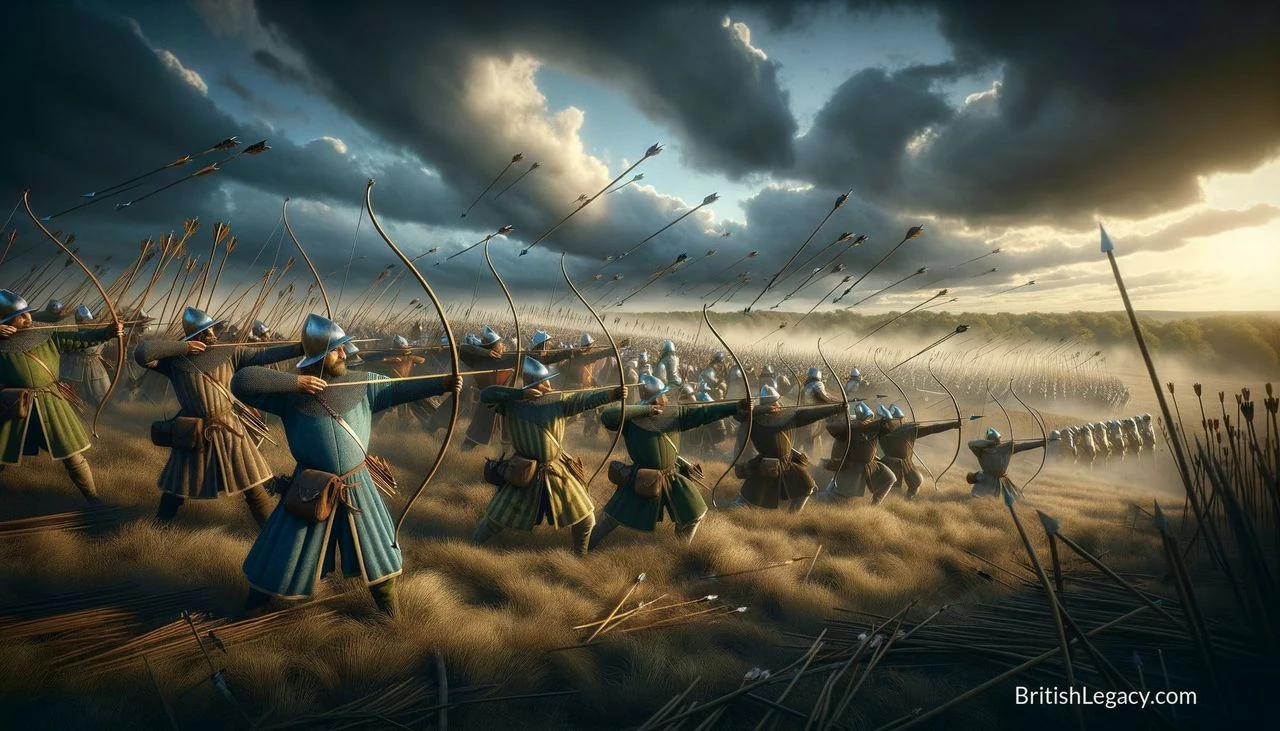
Edward III’s campaign in northern France culminated in a battle remembered for the part played by English longbowmen.
Read the entry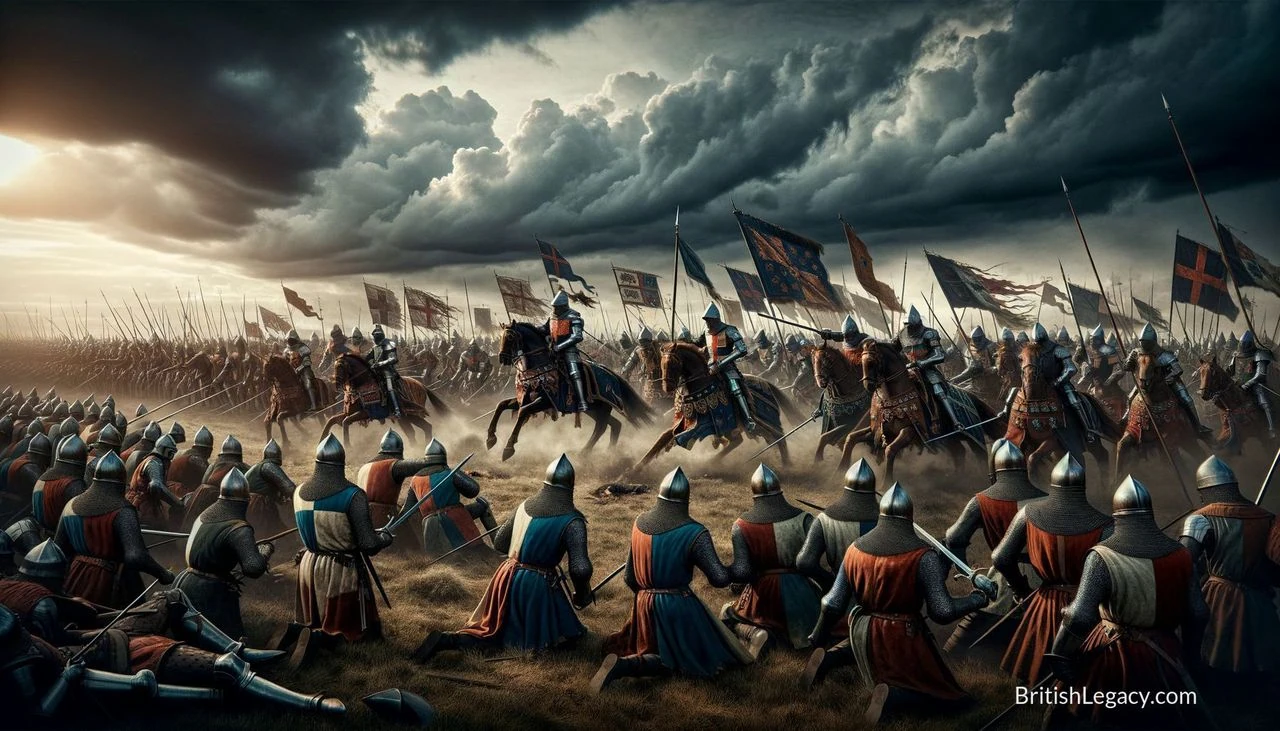
Richard III’s defeat near Market Bosworth in 1485 ended his reign and opened the way for the Tudor dynasty.
Read the entry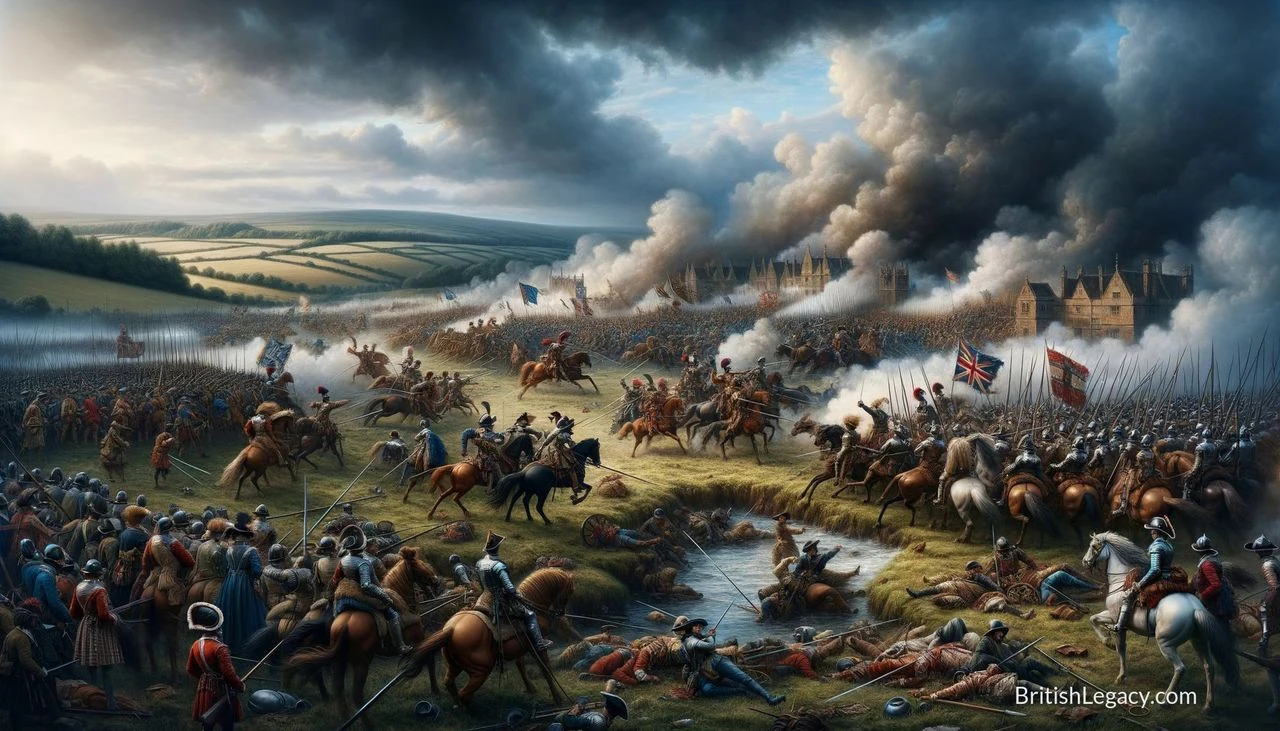
On 14 June 1645, Parliament’s New Model Army defeated the Royalists in a battle that sharply weakened Charles I’s cause.
Read the entry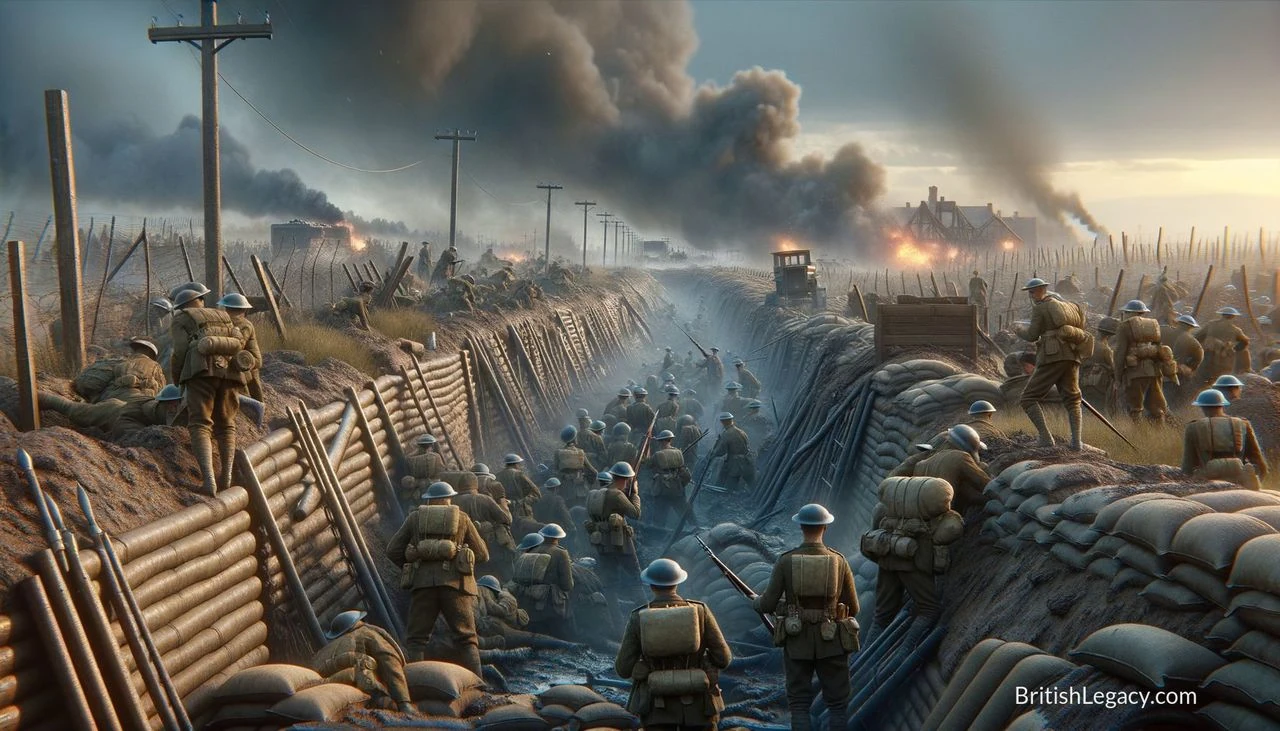
The British offensive of September 1915 captured ground, including Loos, but failed to turn its early gains into a breakthrough.
Read the entry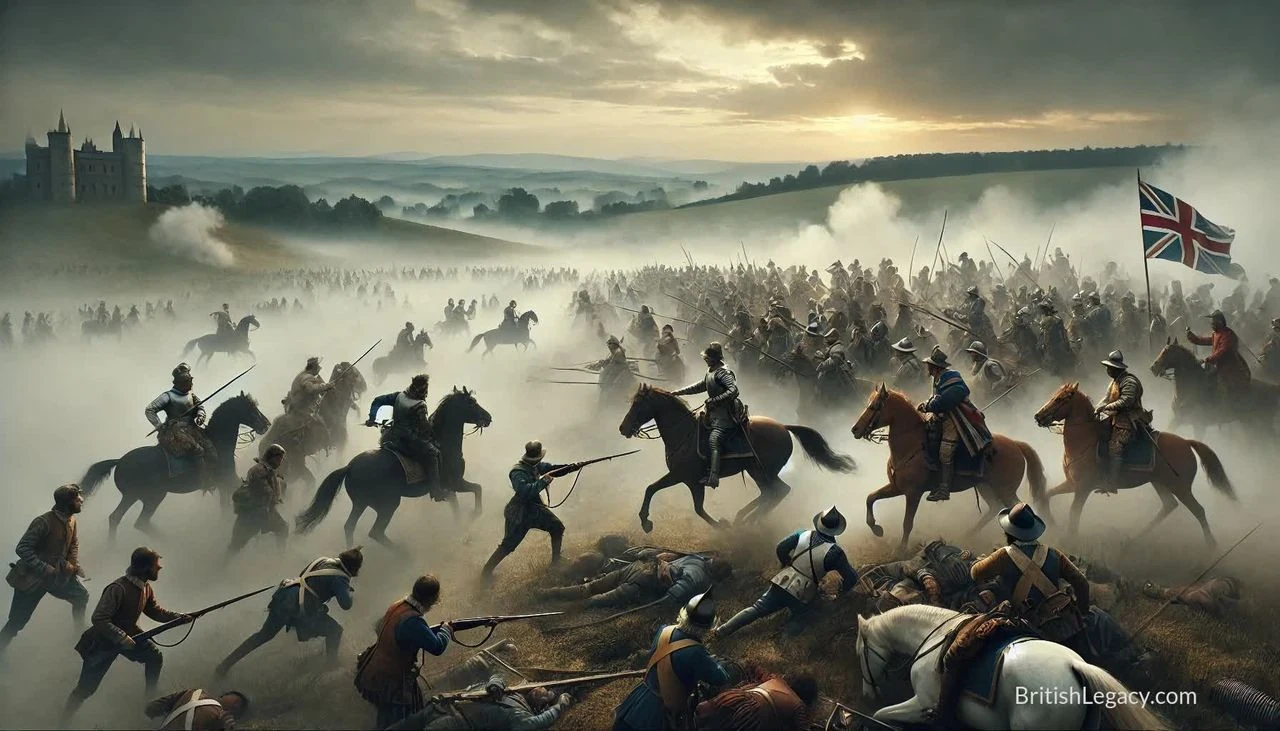
Fought in Warwickshire on 23 October 1642, Edgehill ended without a decisive victory but opened a long and consequential conflict.
Read the entry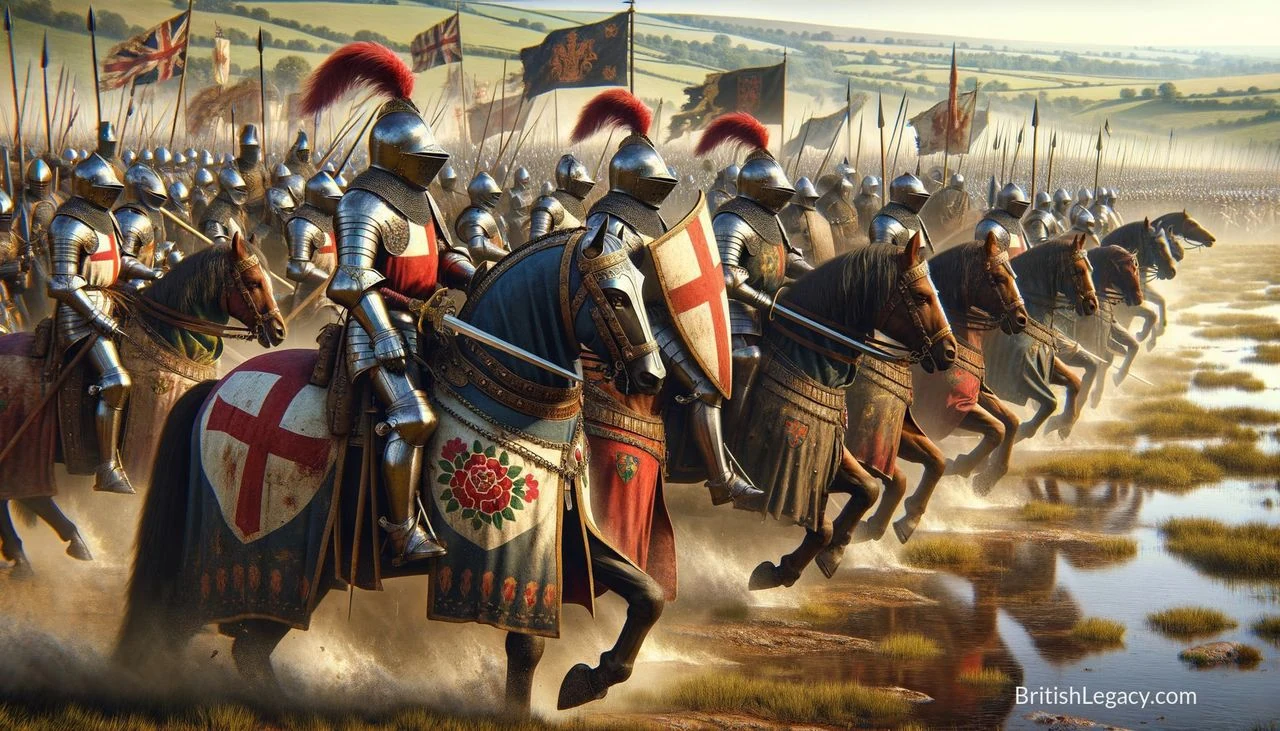
Richard Neville’s force faced a larger Lancastrian army in one of the first major battles of the Wars of the Roses.
Read the entry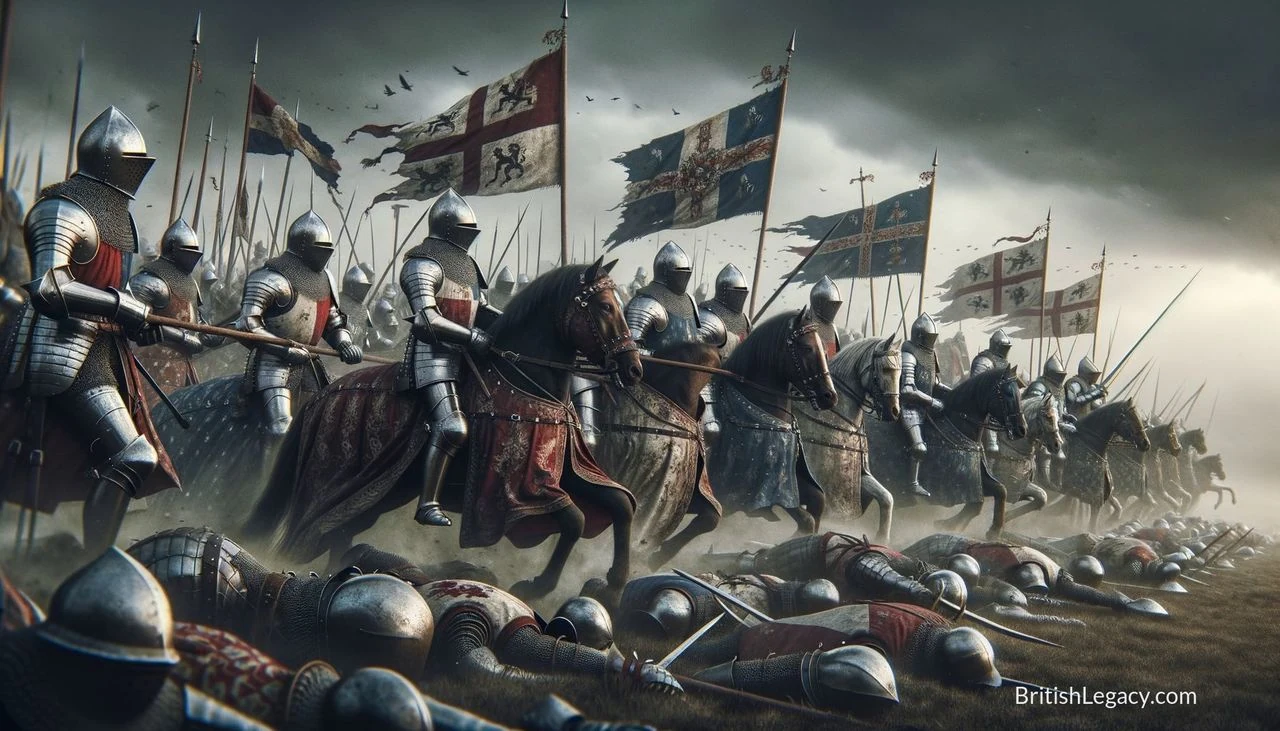
Fought on Palm Sunday during the Wars of the Roses, Towton secured Edward IV’s claim to the English throne at a devastating human cost.
Read the entry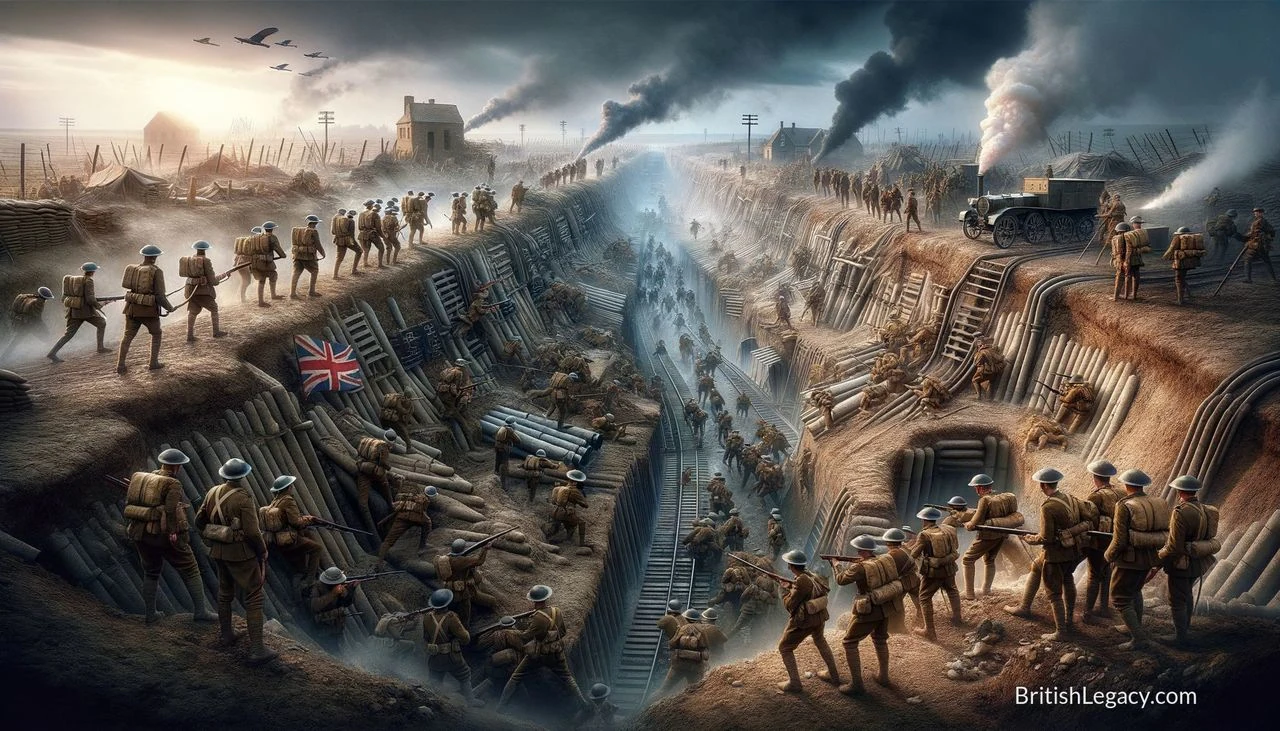
An Allied offensive in northern France combined underground preparations with artillery and infantry attacks, bringing early gains followed by weeks of costly fighting.
Read the entry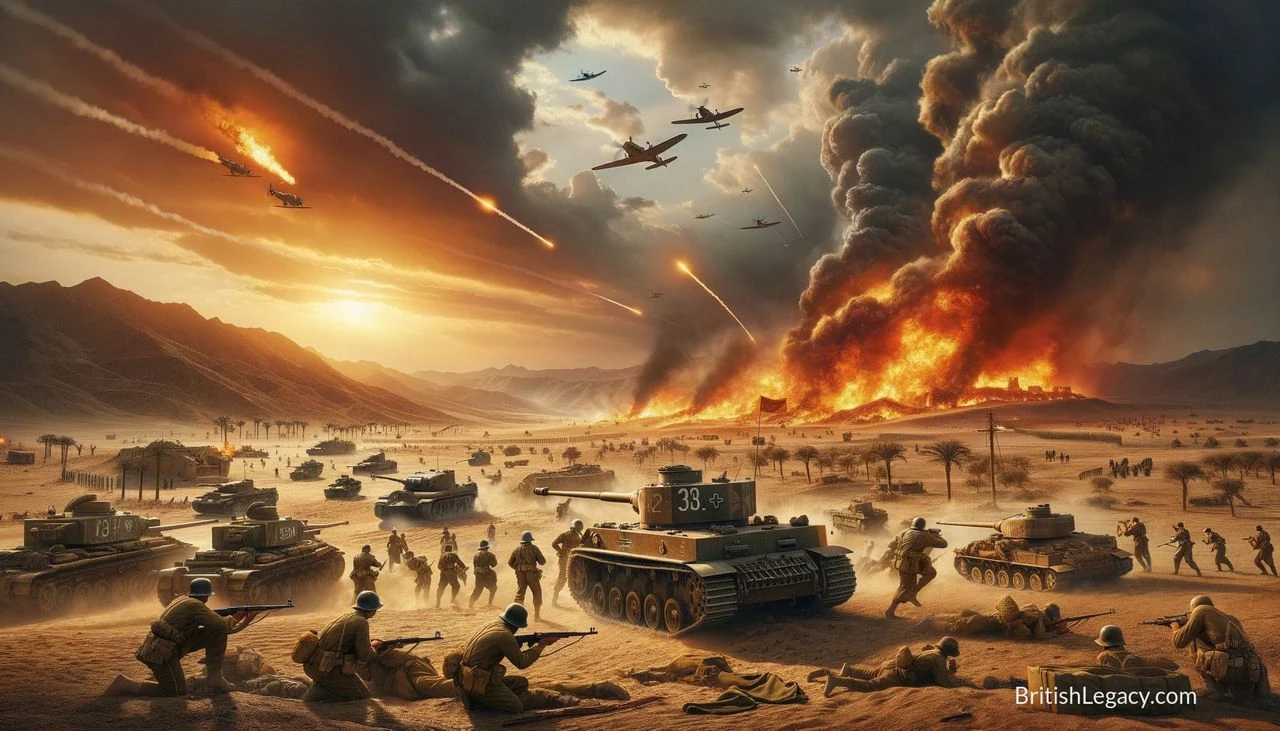
In October and November 1942, the British Eighth Army and its Commonwealth allies halted the Axis advance in the North African campaign.
Read the entry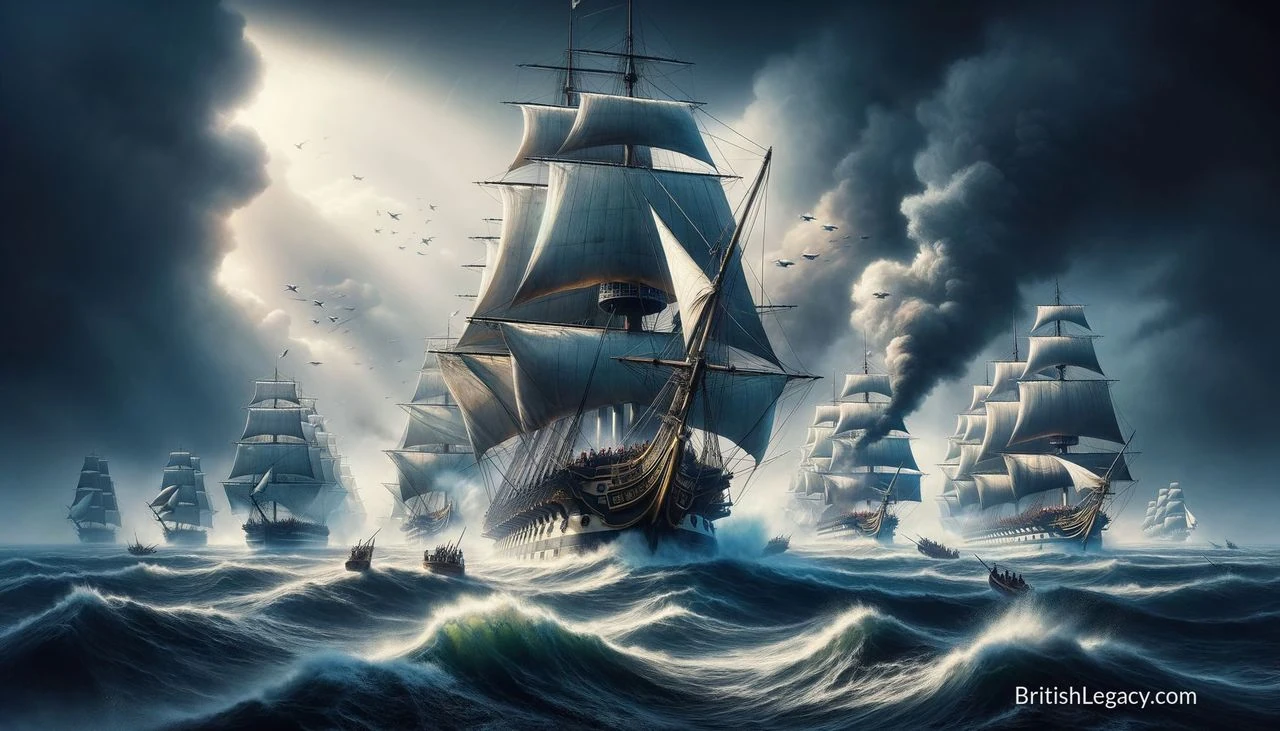
Nelson’s attack on the Danish fleet was a hard-fought attempt to break the Armed Neutrality coalition and protect British maritime interests.
Read the entry