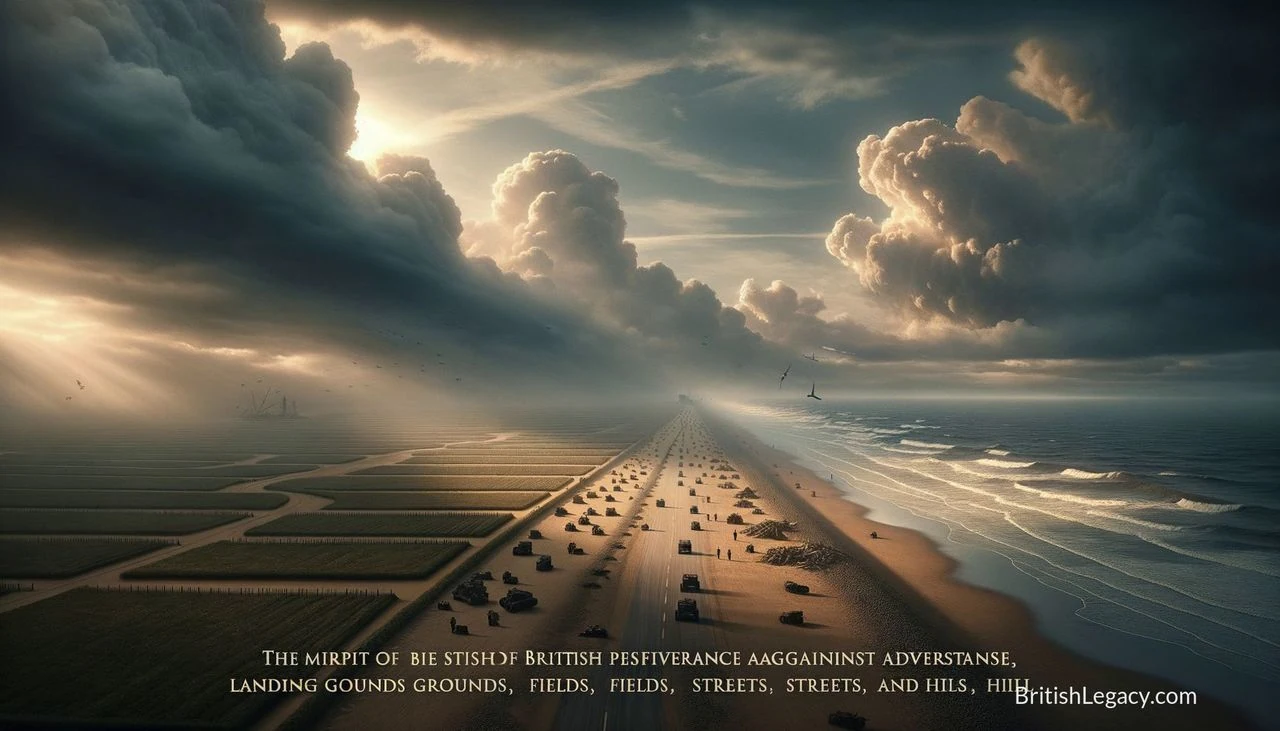
Winston Churchill’s “We Shall Fight on the Beaches”
Delivered to the House of Commons on 4 June 1940, Churchill’s address answered the Dunkirk evacuation with a pledge to continue the fight.
Read the entryBRITISH LEGACY / THE COLLECTION
Influential speeches by British figures have inspired movements, shaped public policy, and articulated core values and aspirations. These speeches, ranging from Winston Churchill’s wartime addresses to modern-day political declarations, have resonated through history. They continue to be studied for their rhetorical power and historical significance.
13 entriesDelivered to the House of Commons on 4 June 1940, Churchill’s address answered the Dunkirk evacuation with a pledge to continue the fight.
Read the entry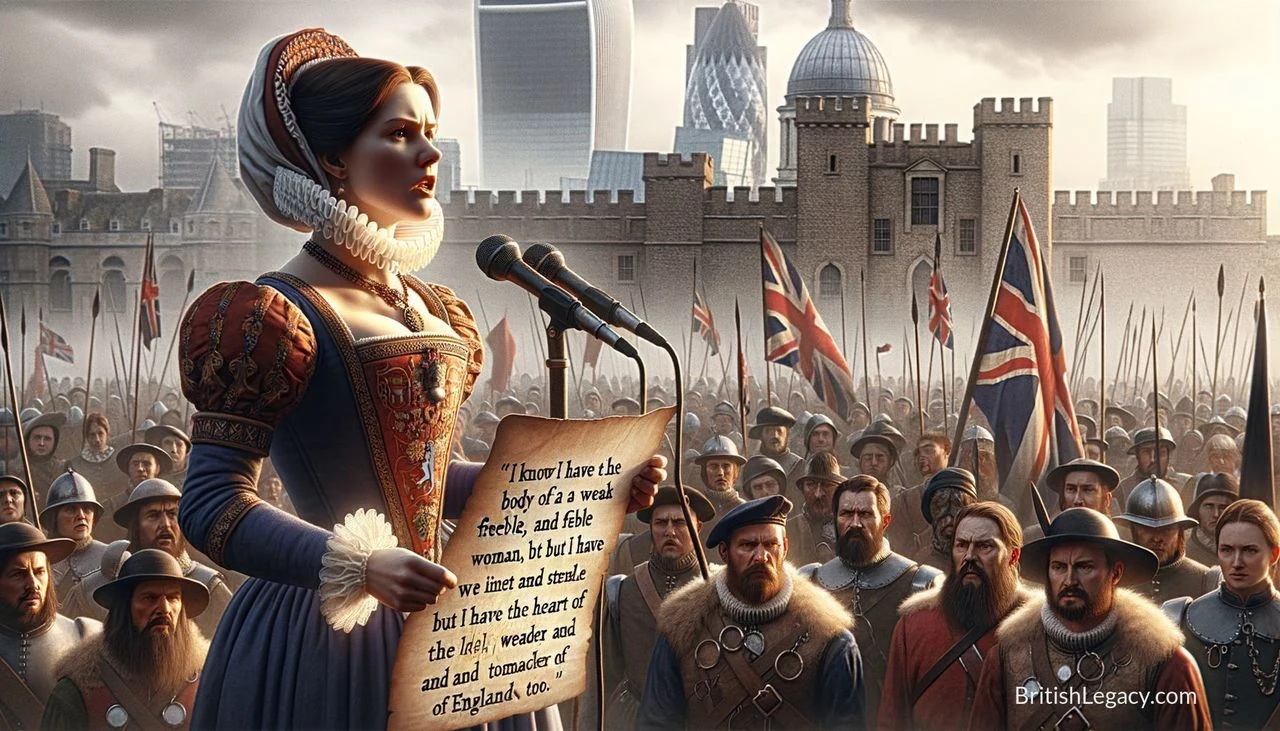
At Tilbury, Elizabeth I presented herself as both a woman and a king, pledging to share her troops’ danger and defend her realm.
Read the entry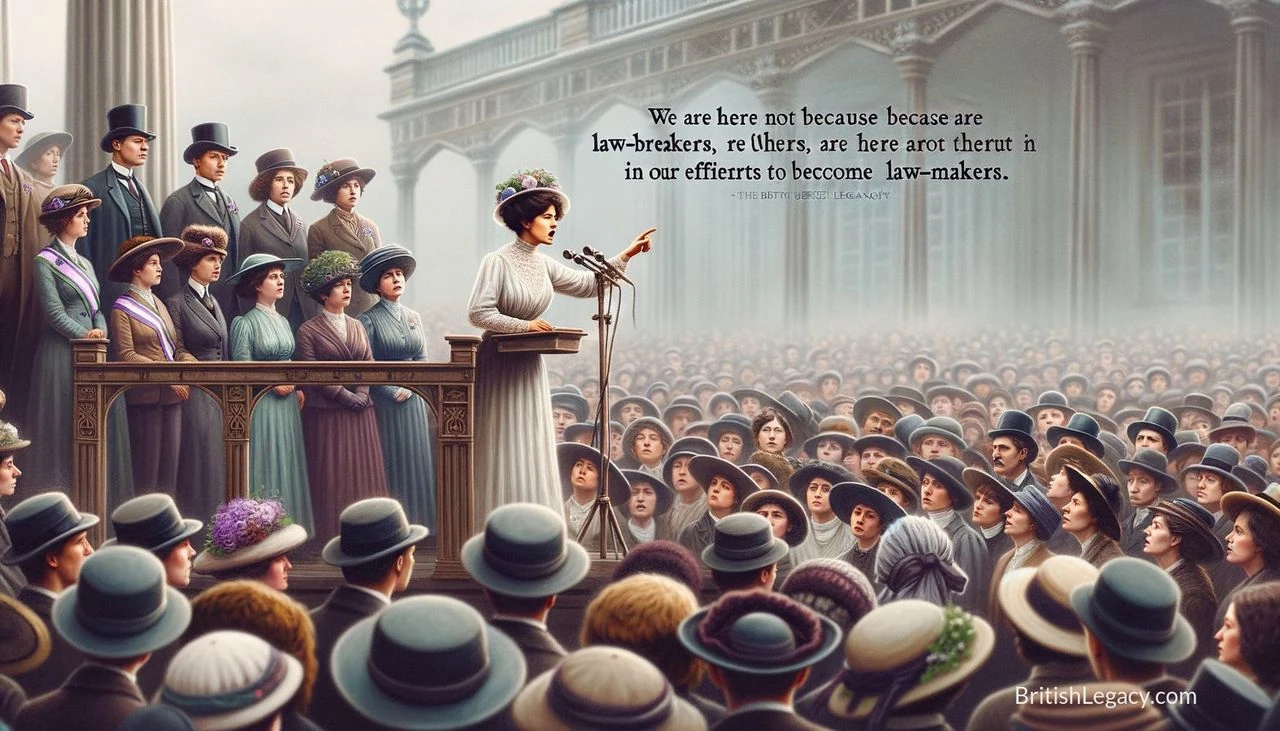
In Hartford in 1913, the British suffrage campaigner defended militant action and urged her American audience to help women win the vote.
Read the entry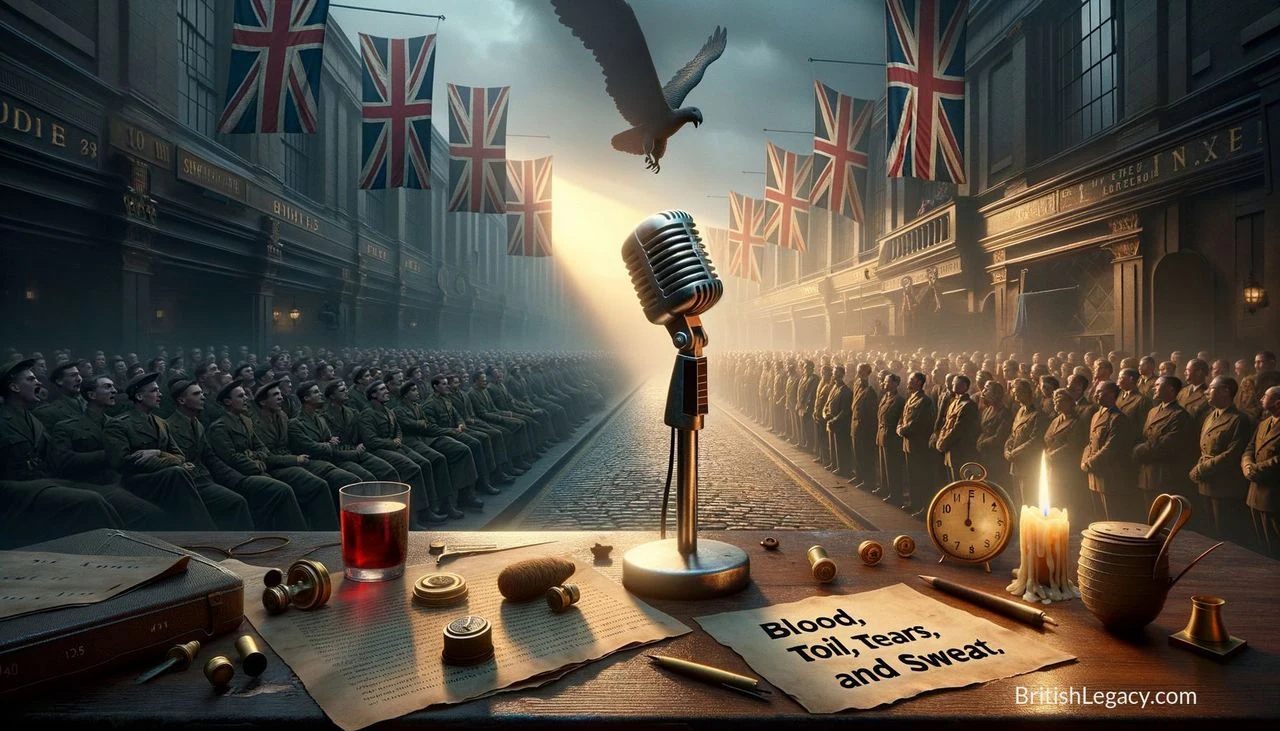
On 13 May 1940, Churchill asked the House of Commons to accept the scale of the struggle ahead and backed his new government’s policy with a stark pledge: “I have nothing to offer but blood, toil, tears, and sweat.”
Read the entry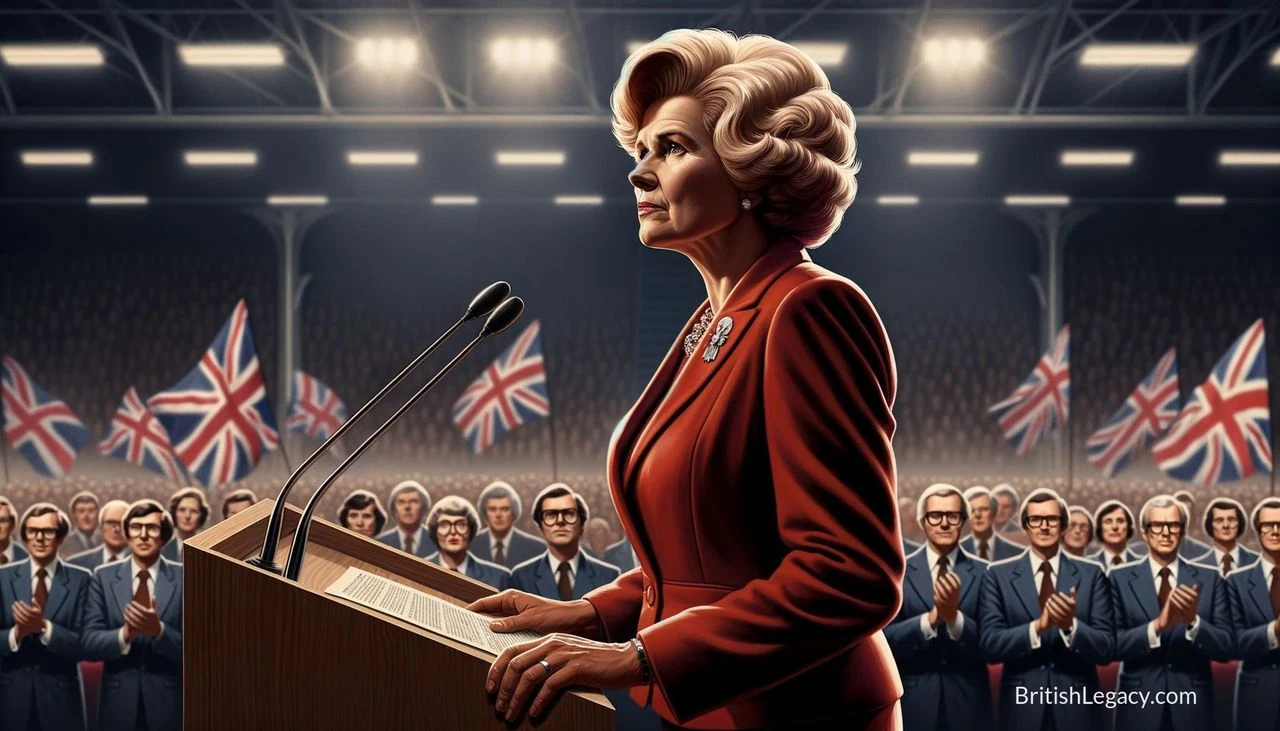
At the 1980 Conservative Party Conference, Thatcher rejected calls for a change of course. The line became a shorthand for her resolve—and the disputes surrounding her economic programme.
Read the entry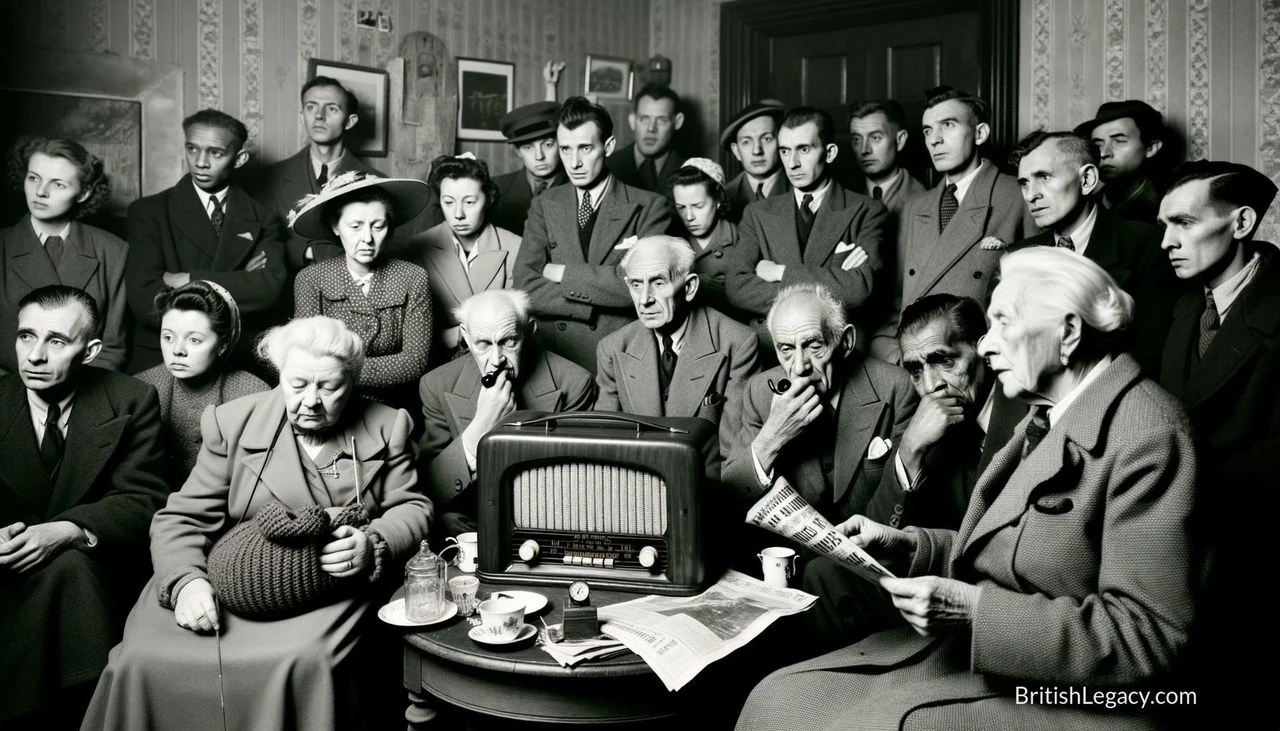
On 18 June 1940, as France’s defeat left Britain facing a direct threat, Churchill set out the stakes of the coming battle—and made a lasting appeal to duty.
Read the entry
In 1991, John Major called for prosperity, fairness and national unity. The speech’s language set out an aspiration; his premiership would test how far it could be realised.
Read the entry
In his speech after winning the general election, Blair articulated his vision for a renewed and modernized Britain, focusing on education, health, and social justice: “A new dawn has broken, has it not?”
Read the entry
At Westminster College in Missouri, the former British prime minister described Europe’s division and argued for closer Anglo-American cooperation.
Read the entry
A tax programme intended to fund reform became a constitutional confrontation over who had the right to control public money.
Read the entry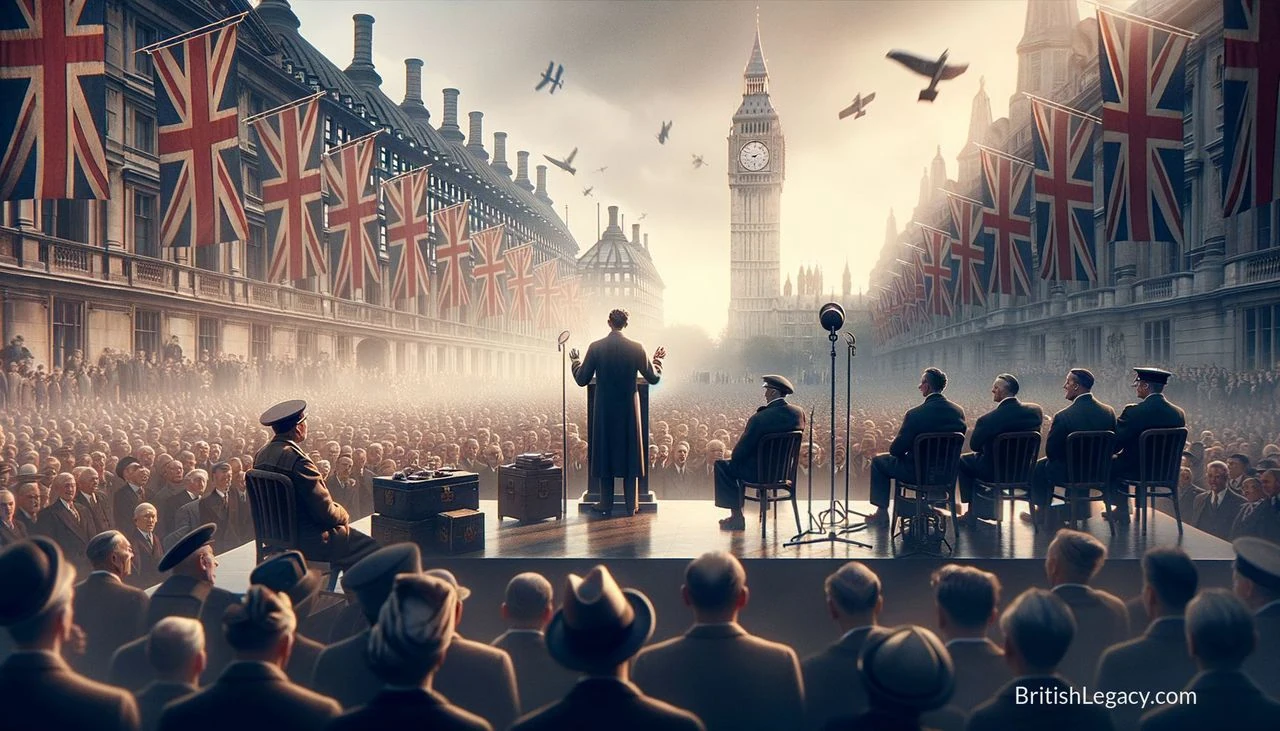
On 8 May 1945, Clement Attlee honoured the dead and those who served, while warning that victory in Europe was only the beginning of the work of peace.
Read the entry
In Cape Town in 1960, the British prime minister told South Africa’s parliament that African national consciousness was a political reality which British policy had to recognise.
Read the entry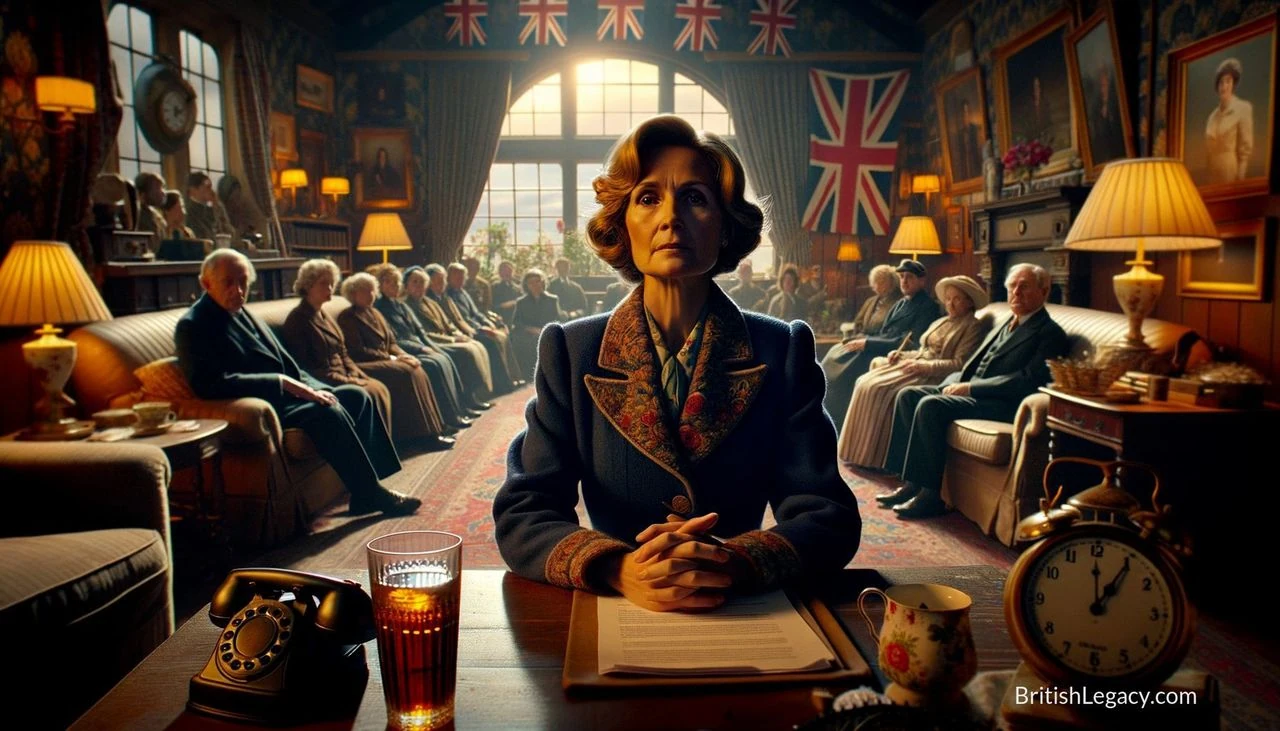
On 5 April 2020, Queen Elizabeth II addressed the public during the COVID-19 pandemic, offering reassurance and a message of shared endurance.
Read the entry