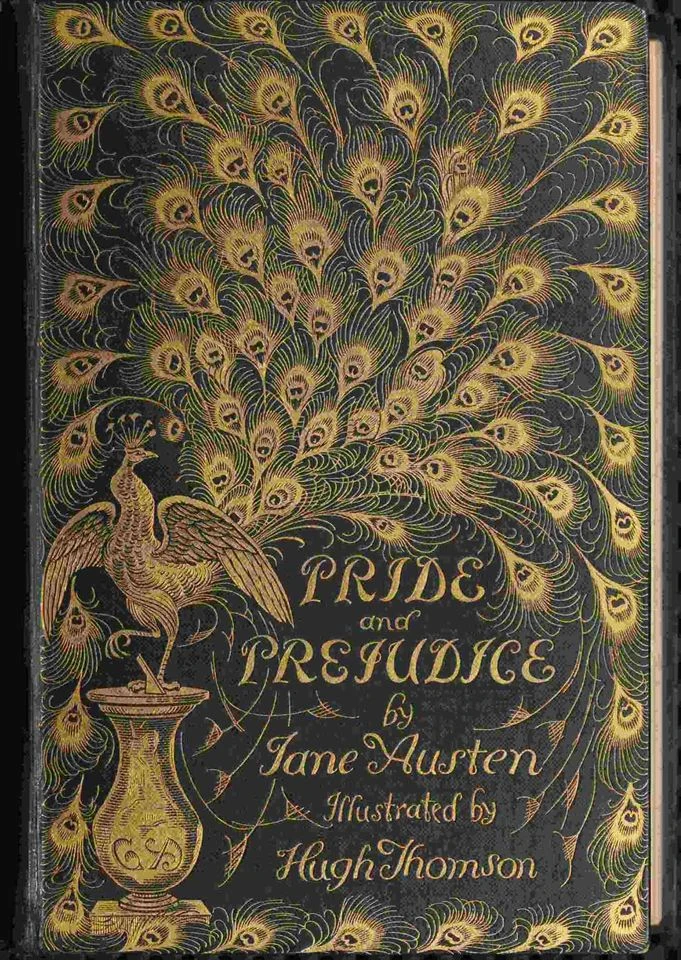
Elizabeth Bennet and Mr Darcy’s changing judgement of one another gives Austen’s novel its wit, while its social world explores the choices and constraints surrounding marriage.
Read the entry →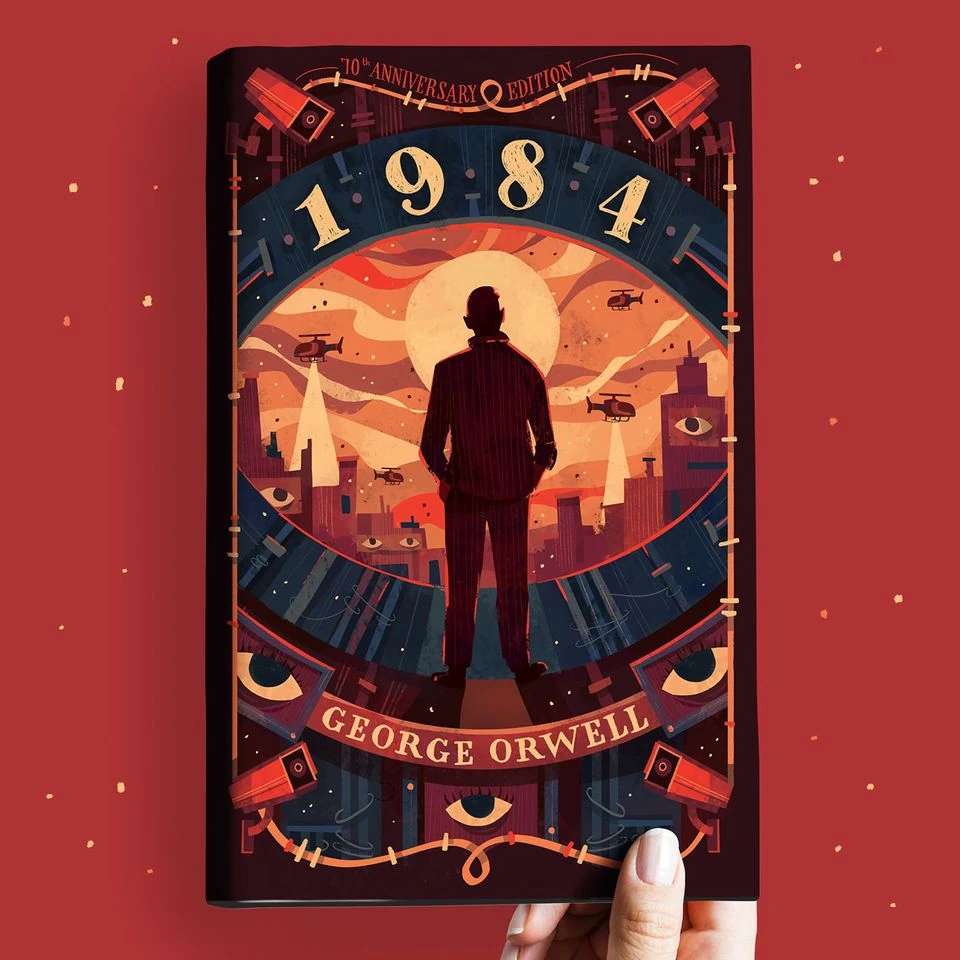
Orwell’s dystopian novel about a society under omnipresent government surveillance and public manipulation has become synonymous with discussions about privacy and government overreach.
Read the entry →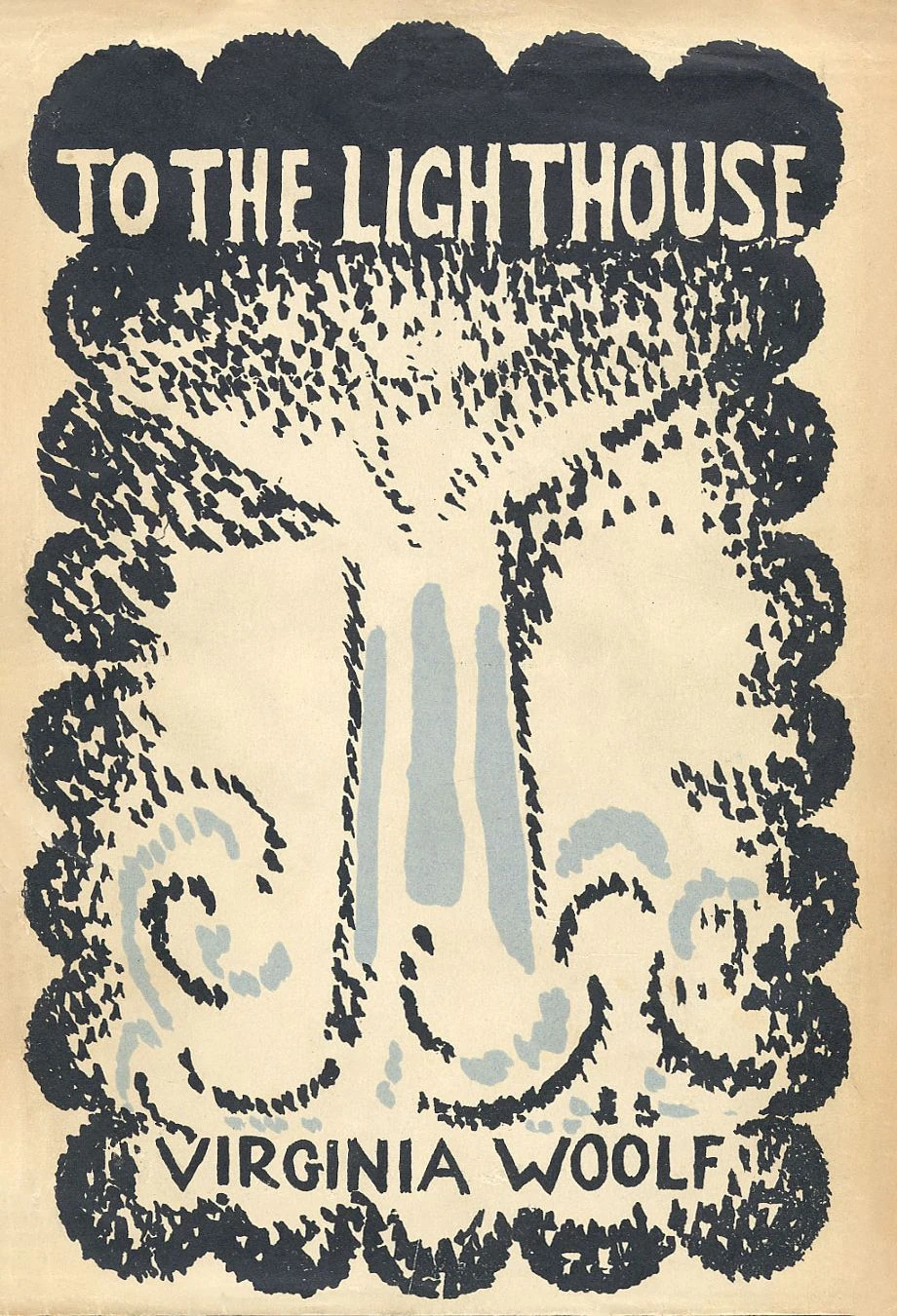
Published in 1927, Woolf’s novel follows the Ramsay family from a summer house on Skye to a long-delayed lighthouse visit, tracing loss, memory and the work of art.
Read the entry →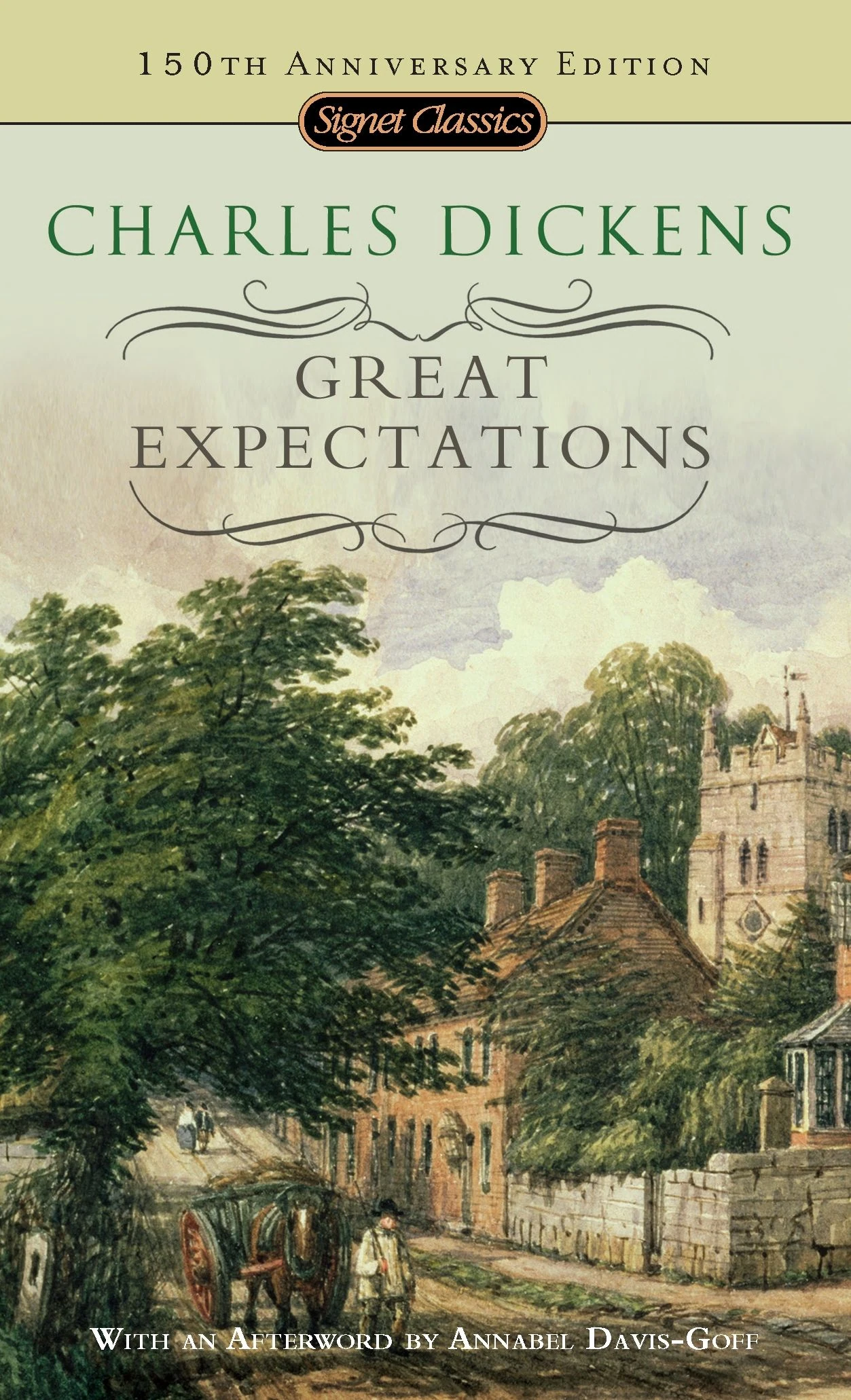
This novel, featuring one of the most famous characters in literature, Pip, is a poignant exploration of class, guilt, and identity within Victorian society.
Read the entry →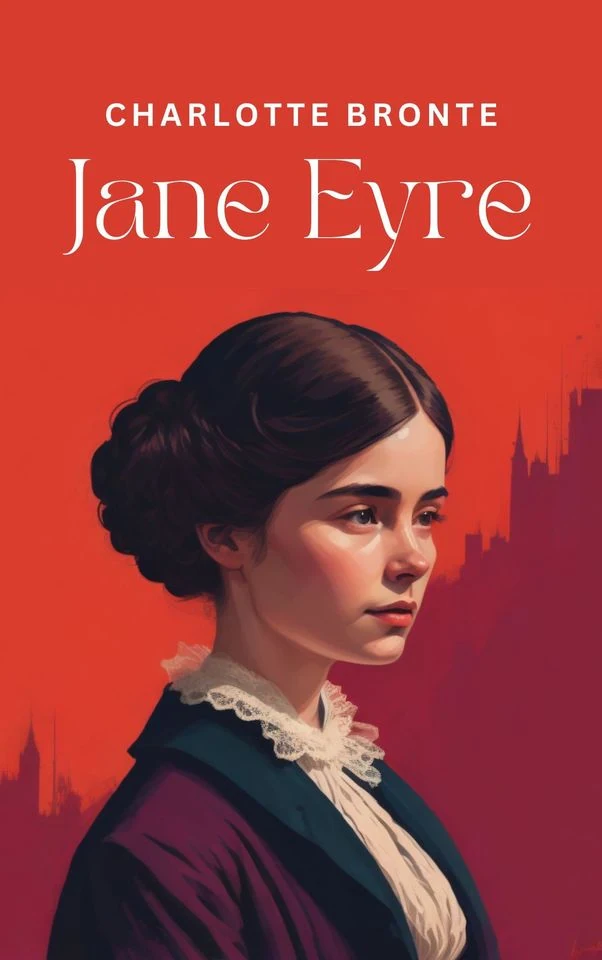
Brontë's novel, blending elements of gothic mystery and romance, follows the emotions and experiences of its eponymous character, including her growth to adulthood and love for Mr. Rochester.
Read the entry →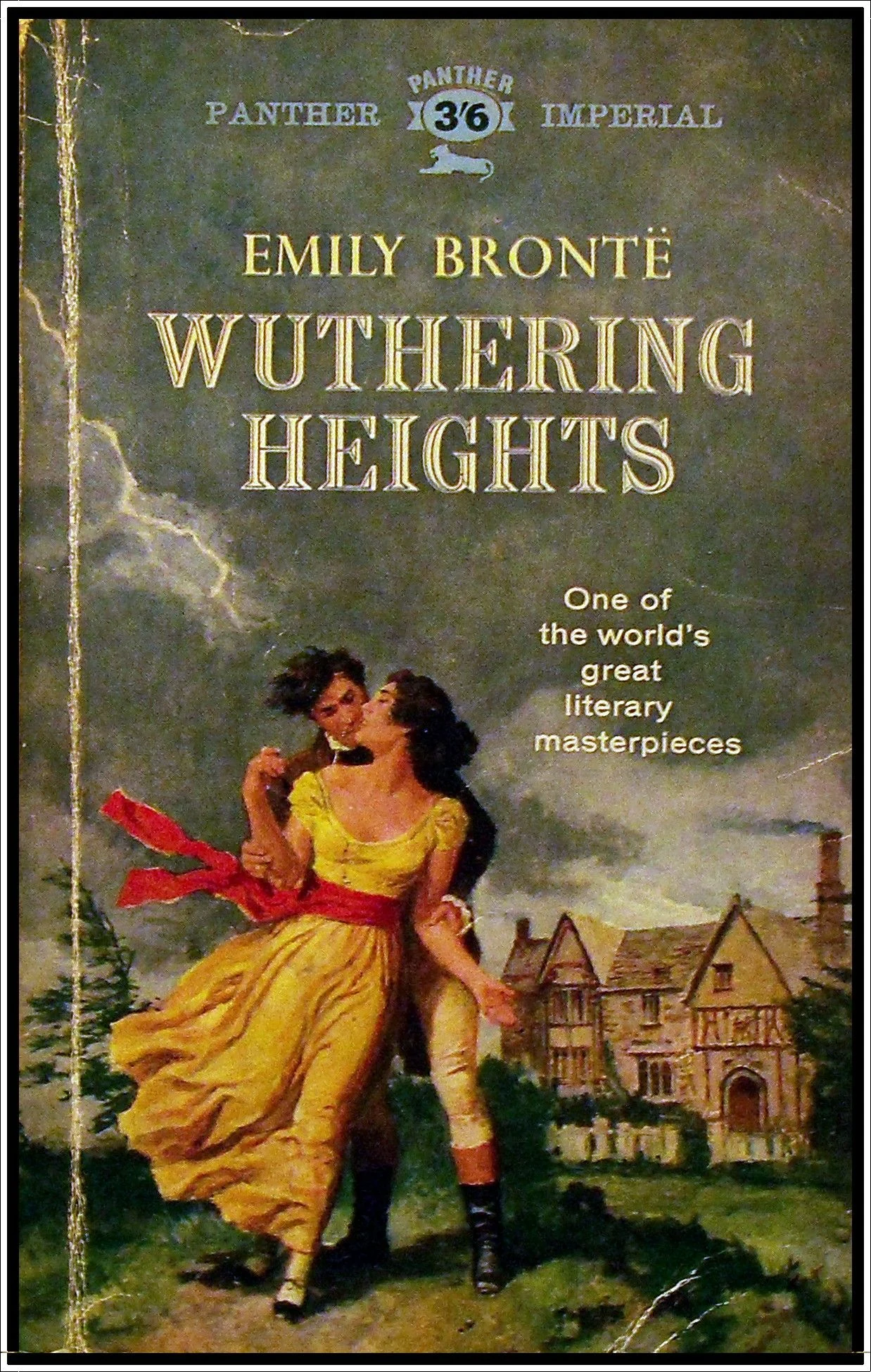
Emily Brontë’s only novel is a fiercely passionate story about the intense, almost demonic love between Catherine Earnshaw and Heathcliff, a foundling adopted by Catherine's father.
Read the entry →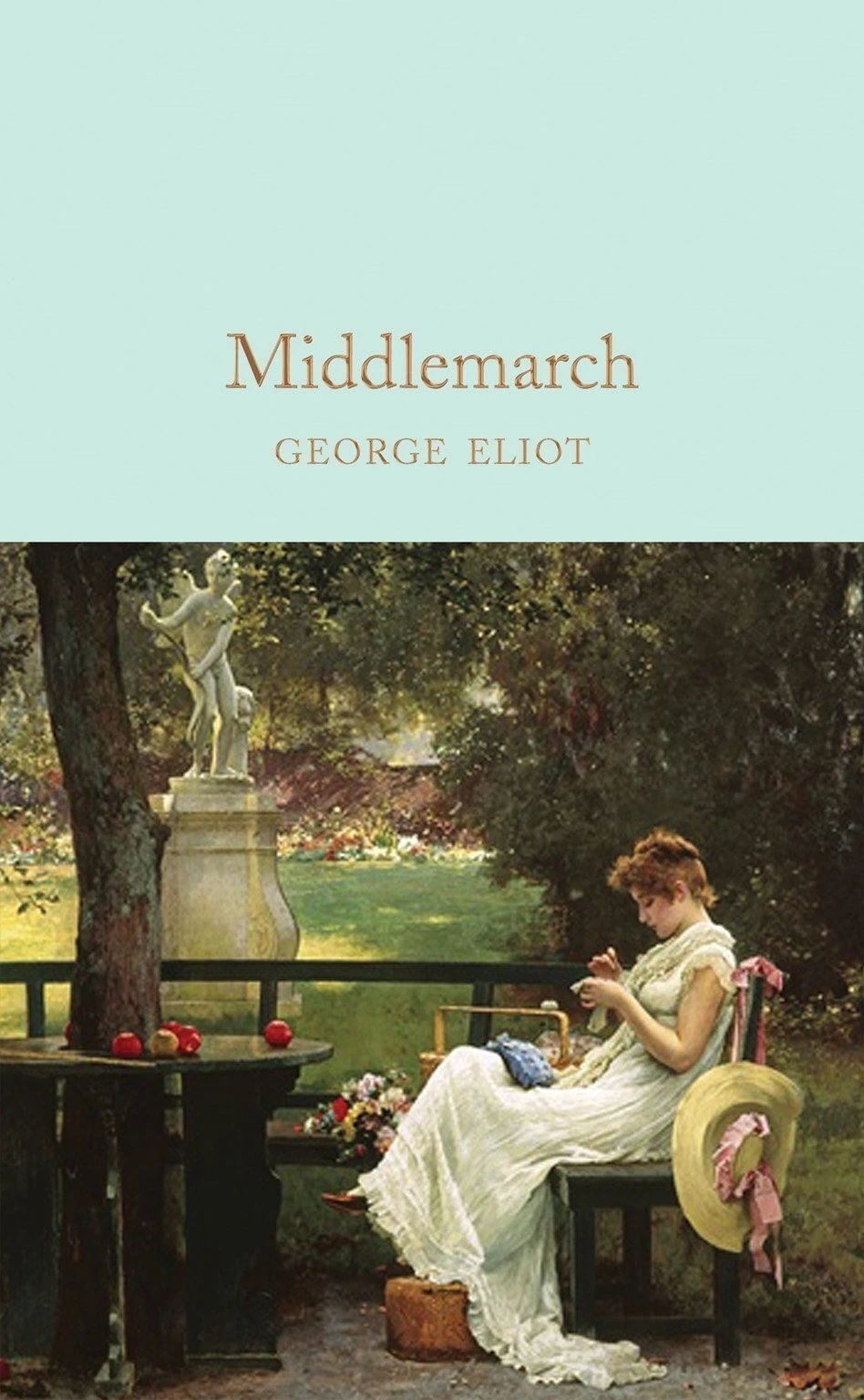
Eliot’s complex narrative, which explores issues of social change and reform in early 19th-century England, is widely regarded as her greatest work and one of the greatest novels in English literature.
Read the entry →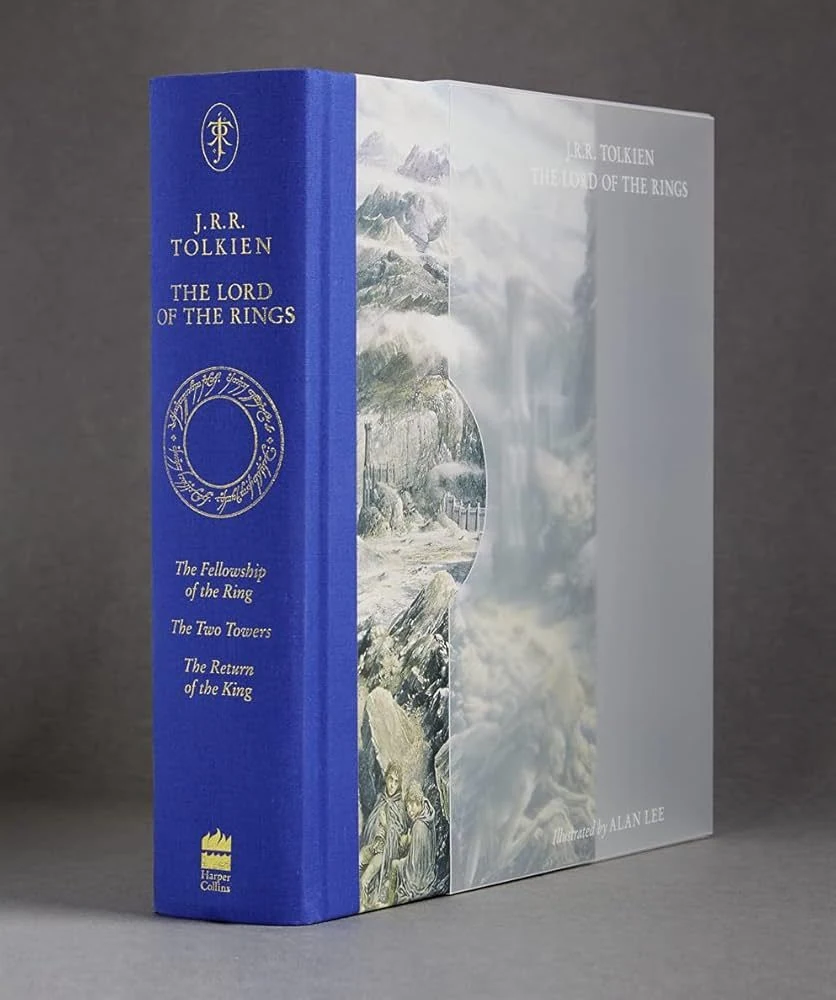
Tolkien’s three-volume quest brings together an English scholar’s interests in language, mythology and the creation of a richly imagined world.
Read the entry →A profound dystopian novel that explores the perils of totalitarianism, Orwell's work remains a critical lens through which contemporary viewers examine privacy, freedom, and government control.
Read the entry →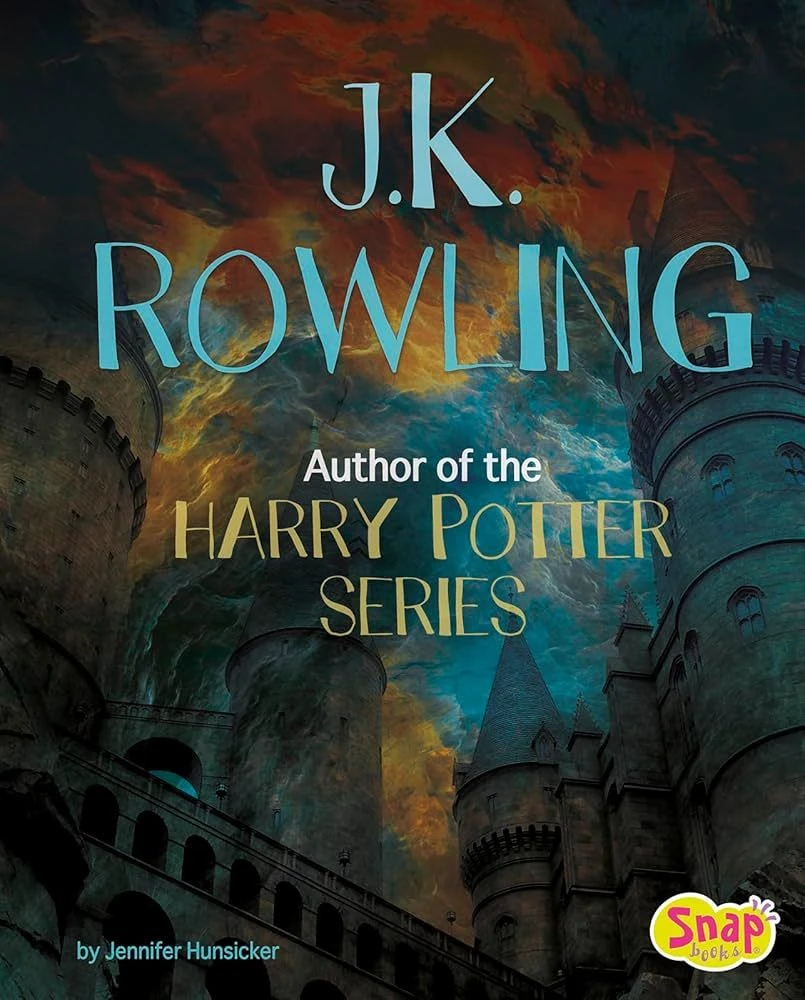
This series has become a global phenomenon, enchanting children and adults alike with its magical world and themes of friendship, bravery, and the struggle between good and evil.
Read the entry →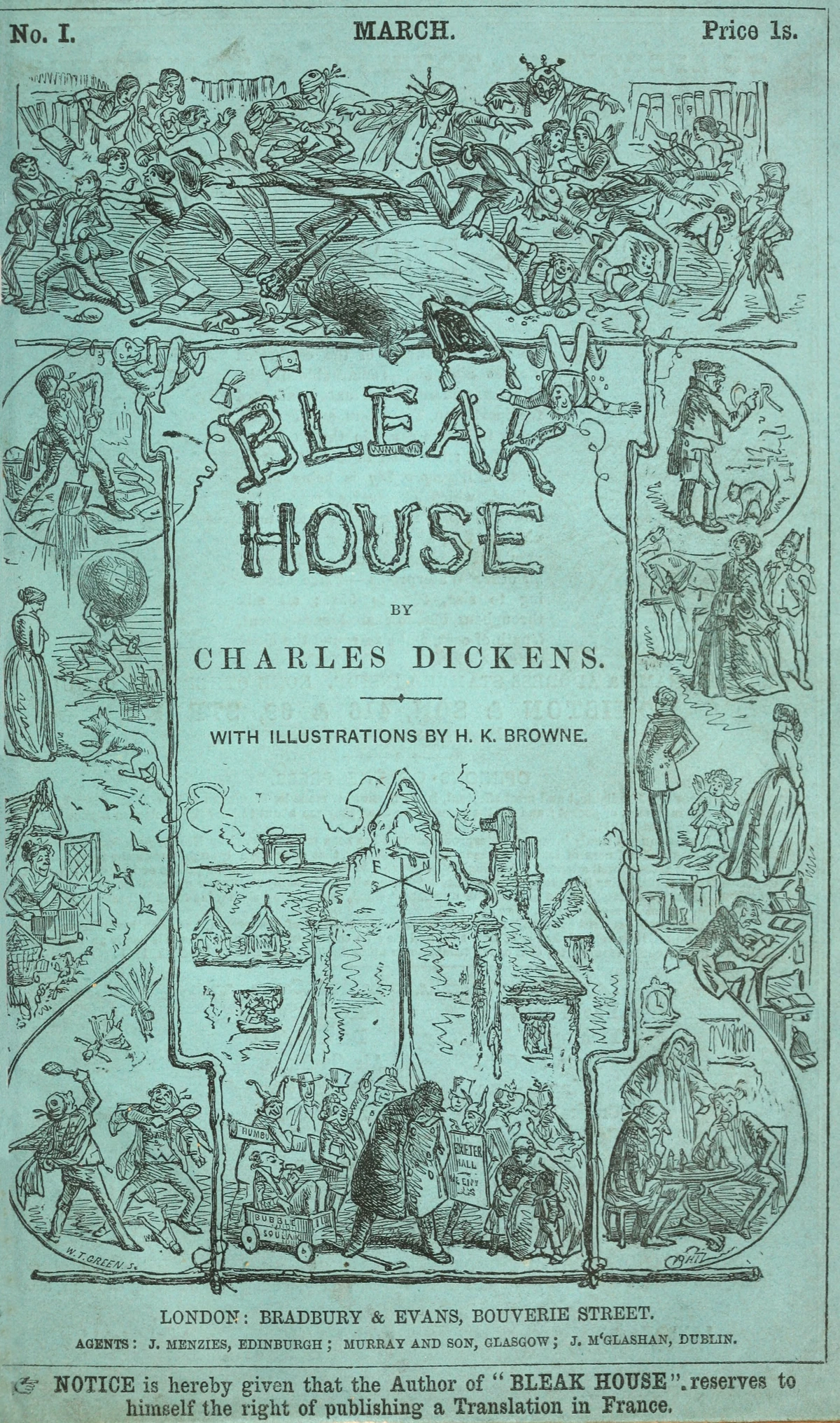
Known for its intricate narrative and cutting social critique, Dickens' novel uses a vast array of characters and subplots to tackle the inefficiencies of the legal system.
Read the entry →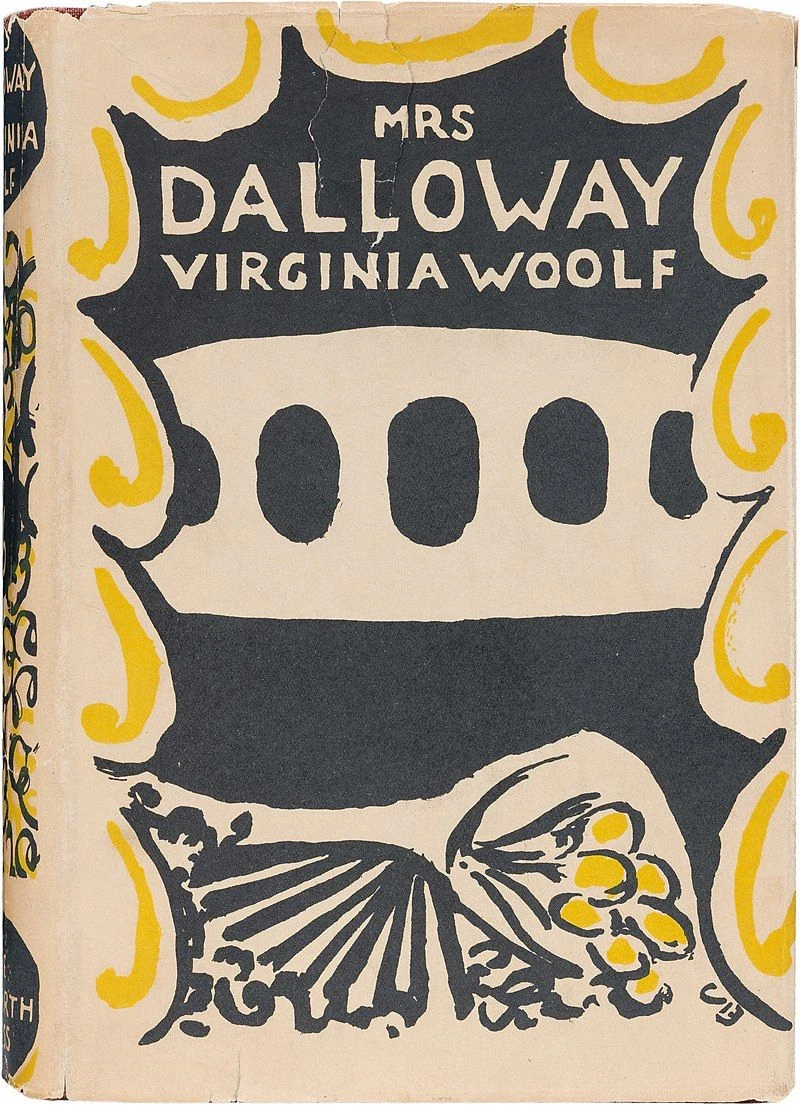
Woolf's novel uses the stream-of-consciousness technique to follow Clarissa Dalloway's preparations for a party and her reflections on her choices and life.
Read the entry →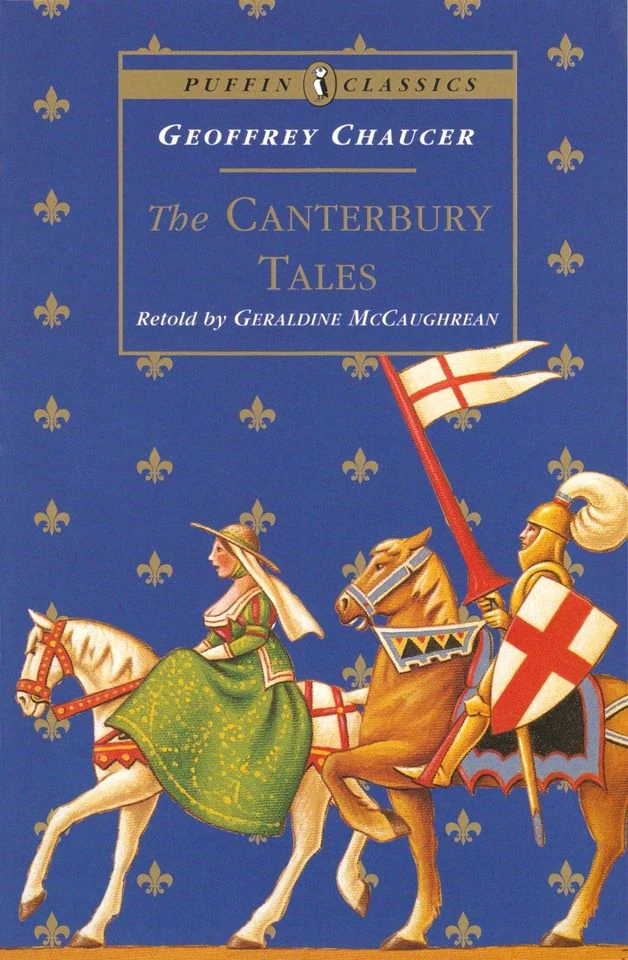
A pilgrimage to Canterbury frames Chaucer’s unfinished collection, where chivalric romance, bawdy comedy and social observation share the road.
Read the entry →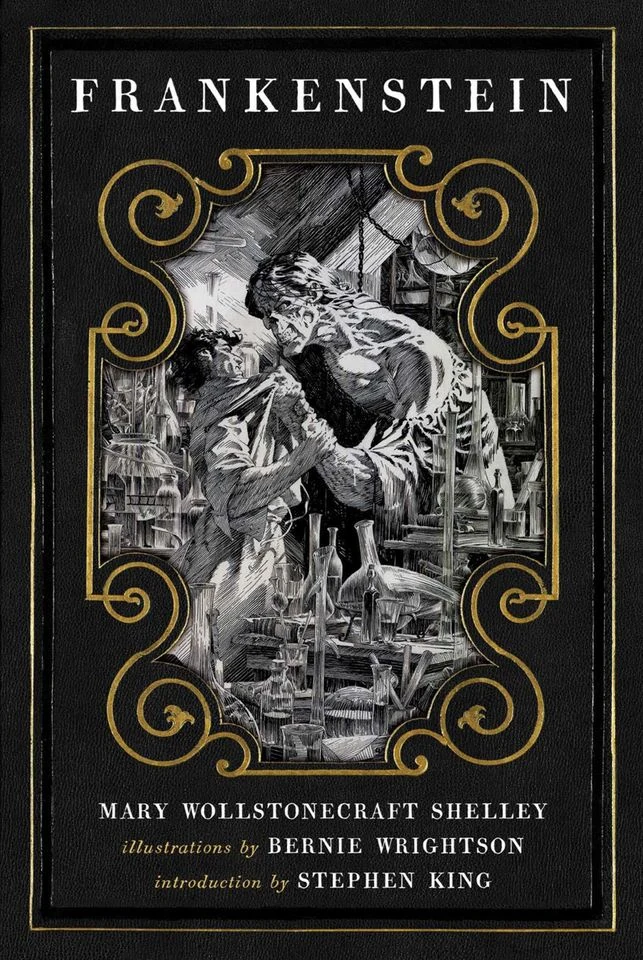
Mary Shelley’s Gothic novel follows a creator and the being he abandons, turning a tale of animation and pursuit into an enduring examination of responsibility.
Read the entry →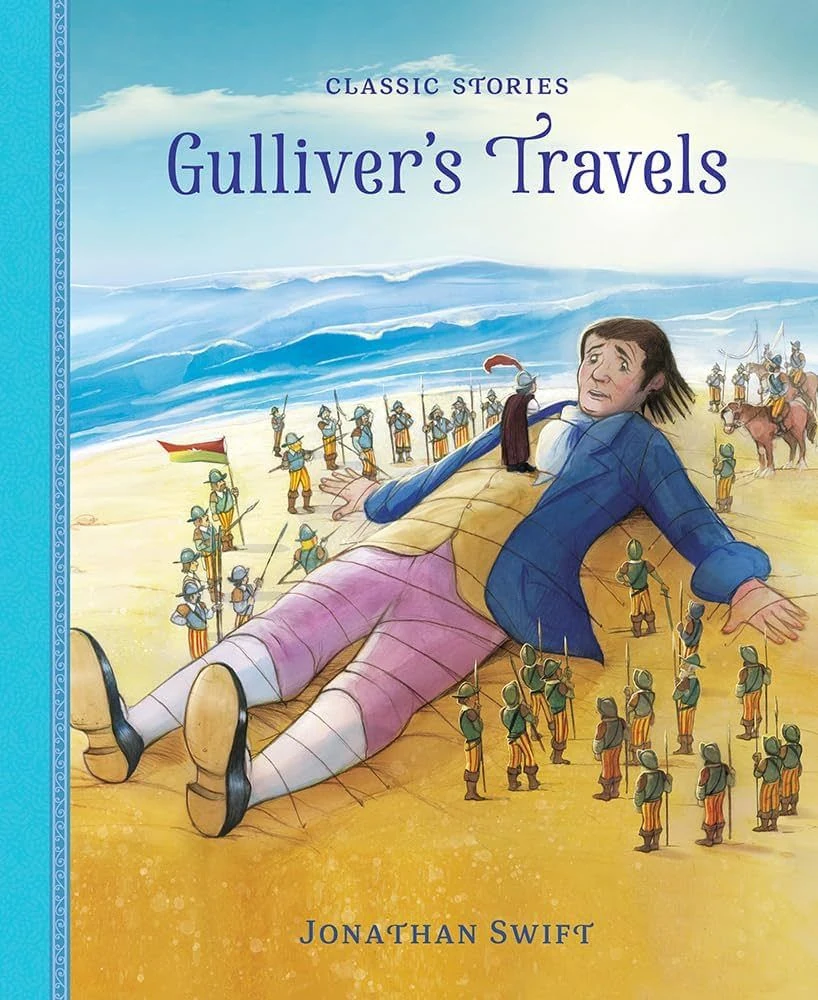
Swift's satirical novel uses fantastic and exotic lands to comment on the politics and human nature of his time, making sharp critiques of contemporary practices.
Read the entry →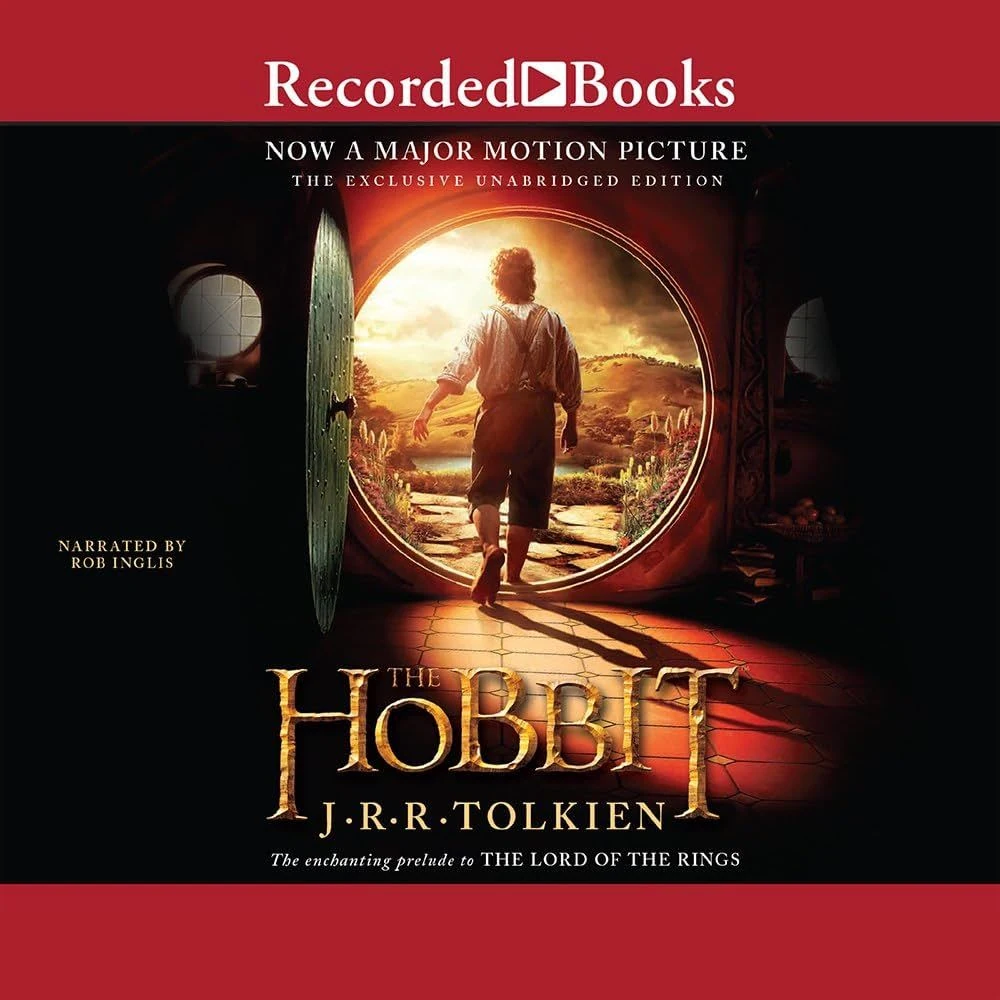
Bilbo Baggins’s journey from the Shire to the Lonely Mountain introduced readers to Middle-earth and set the stage for Tolkien’s later work.
Read the entry →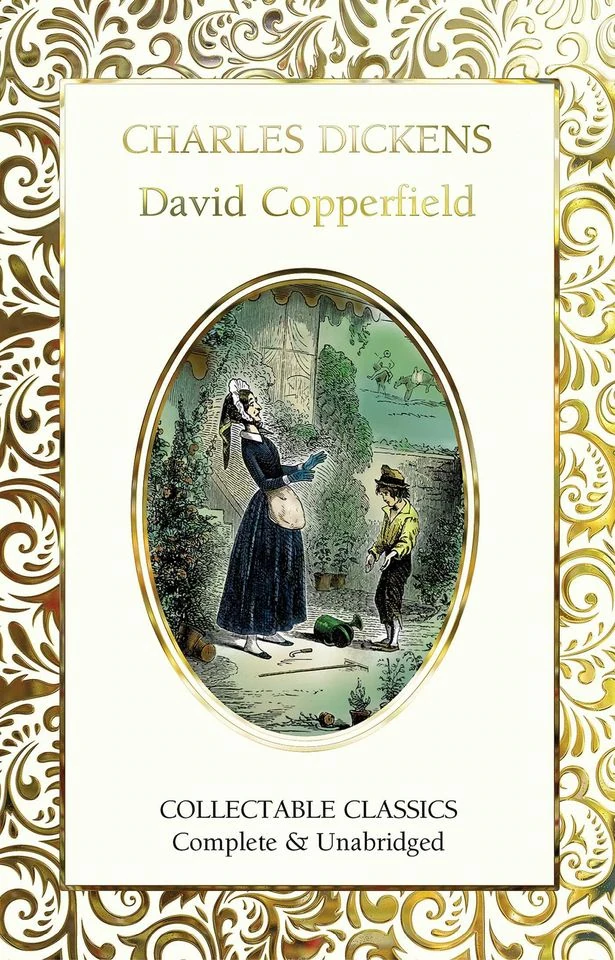
Often considered Dickens' most autobiographical novel, it follows the life of David Copperfield from childhood to maturity, with his own adventures and the web of friends and enemies.
Read the entry →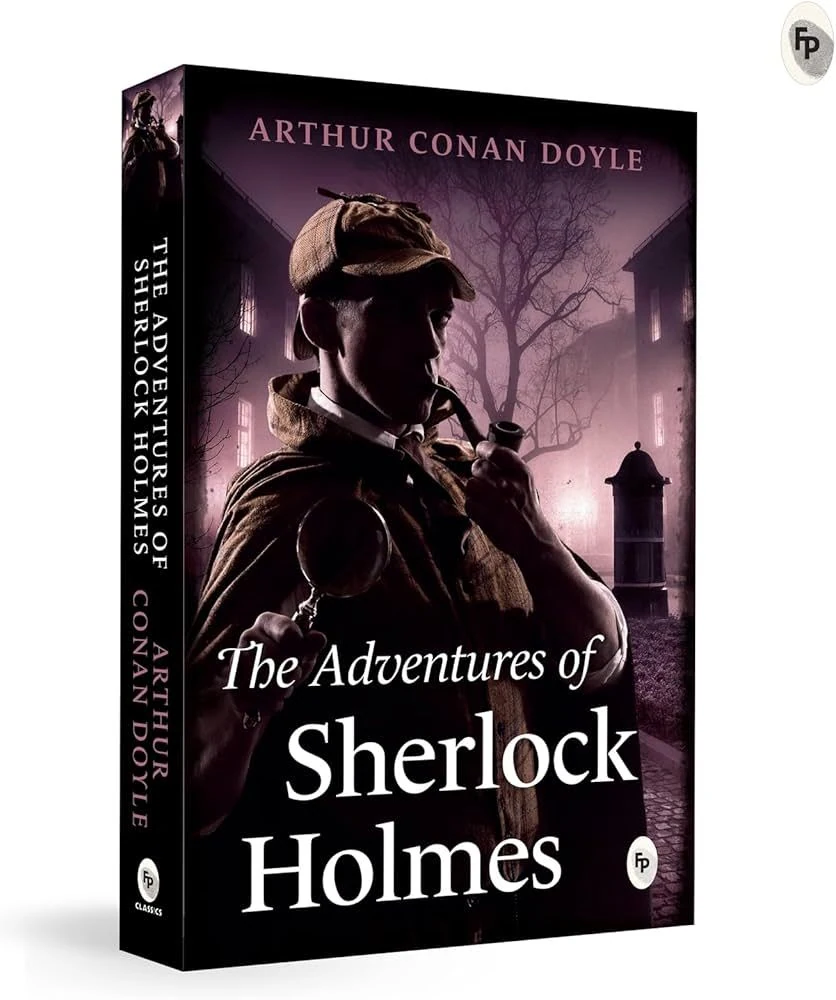
Doyle's series of stories featuring the detective Sherlock Holmes has become iconic in the mystery and detective genres, celebrated for its ingenious plots and the use of logic and deduction.
Read the entry →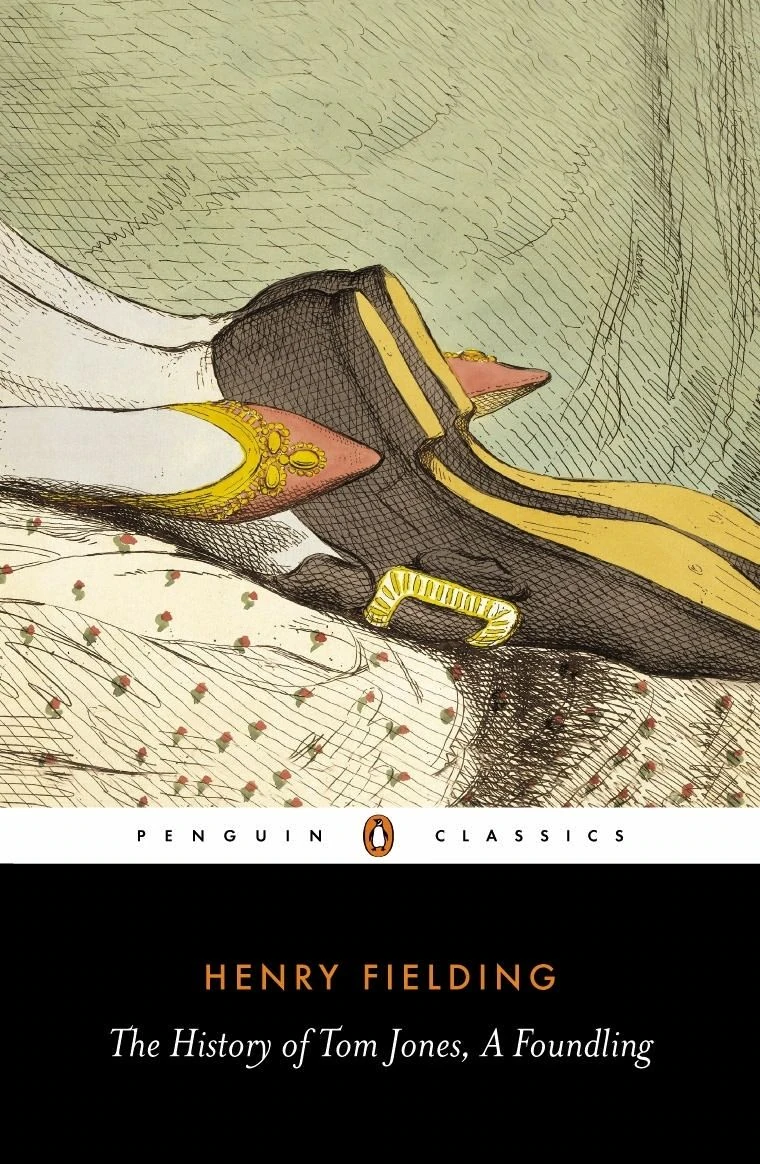
Fielding’s novel is a comprehensive picture of English life and social structure in the 18th century, celebrated for its vivid characters and portrayal of human virtues and vices.
Read the entry →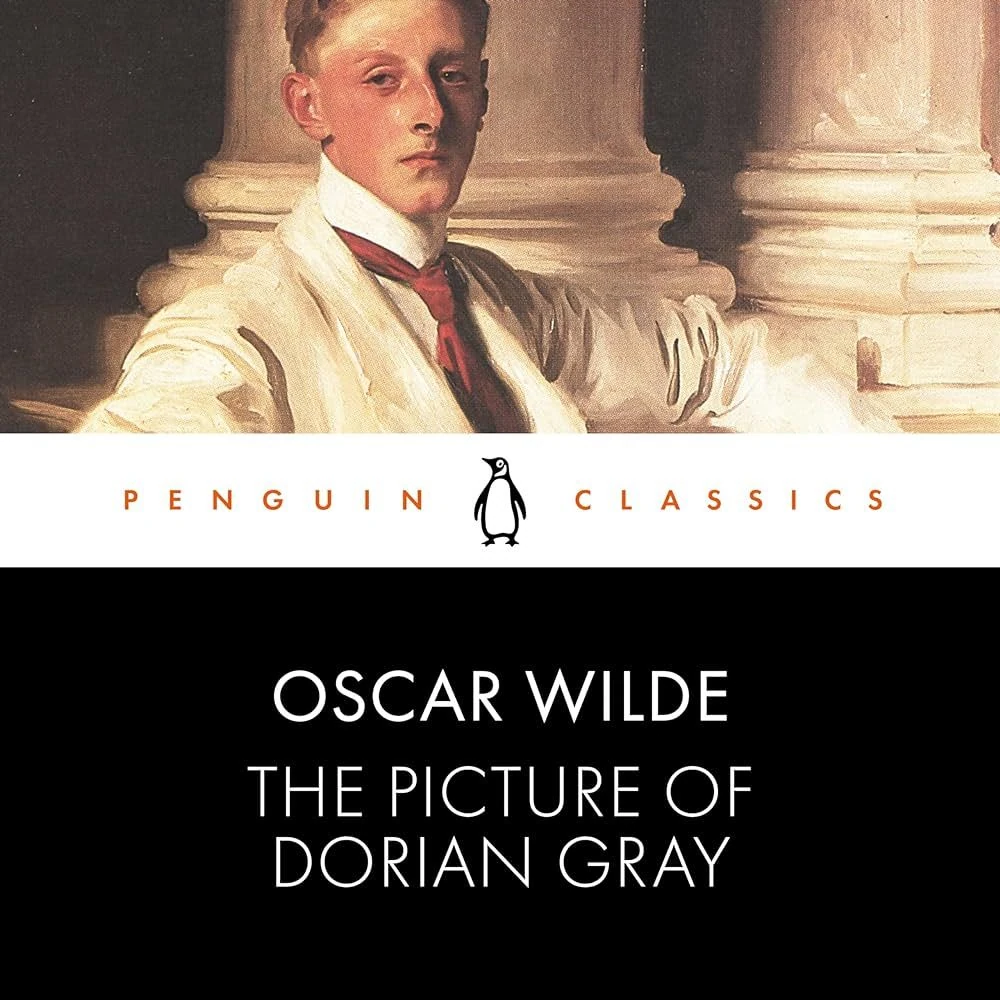
Oscar Wilde’s novel turns a portrait into the record of a young man’s moral decline, exploring vanity, beauty and the distance between appearance and conduct.
Read the entry →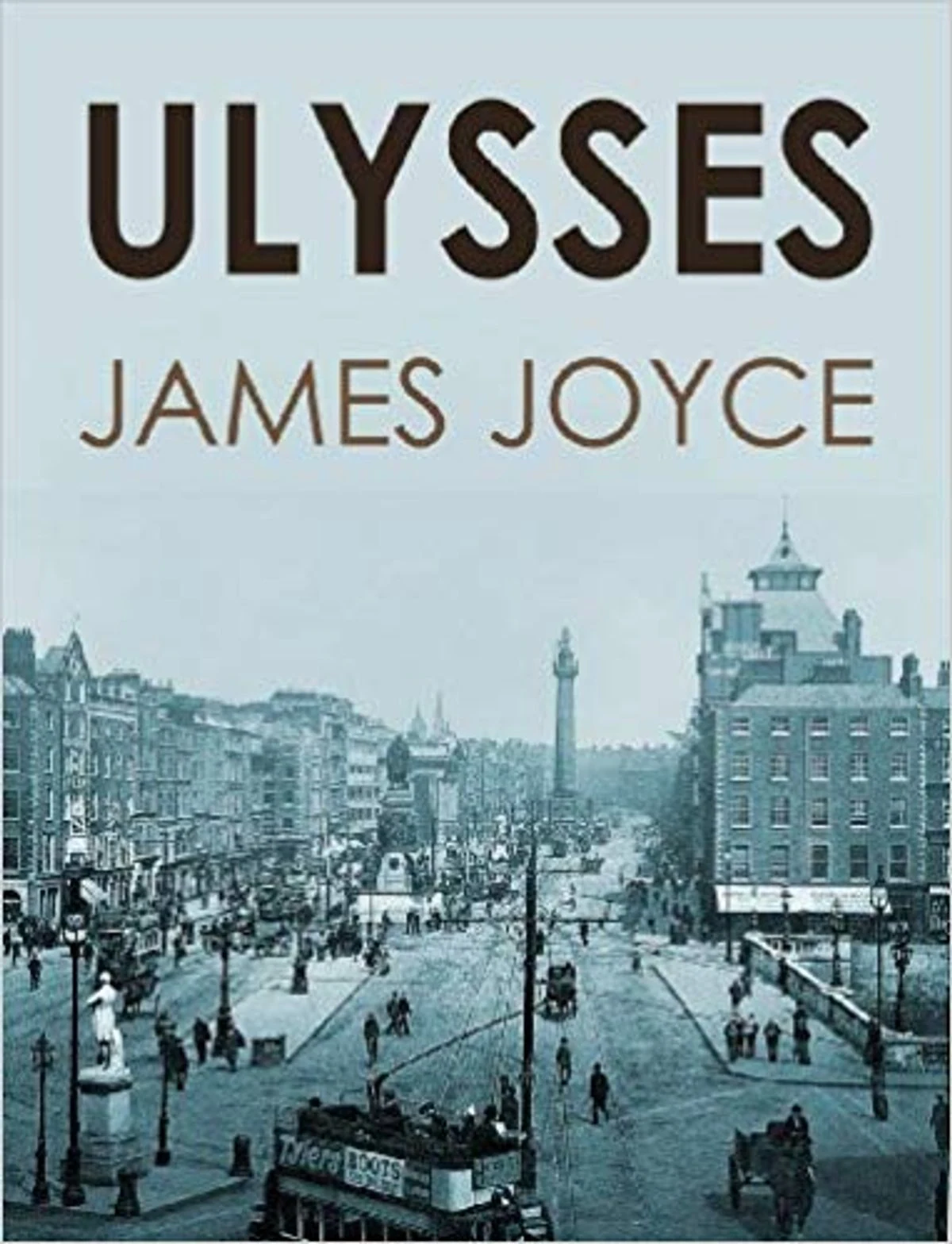
Although Joyce was Irish, his groundbreaking modernist work was deeply influenced by his time in Britain and provides a complex narrative that has been the subject of extensive scholarly study.
Read the entry →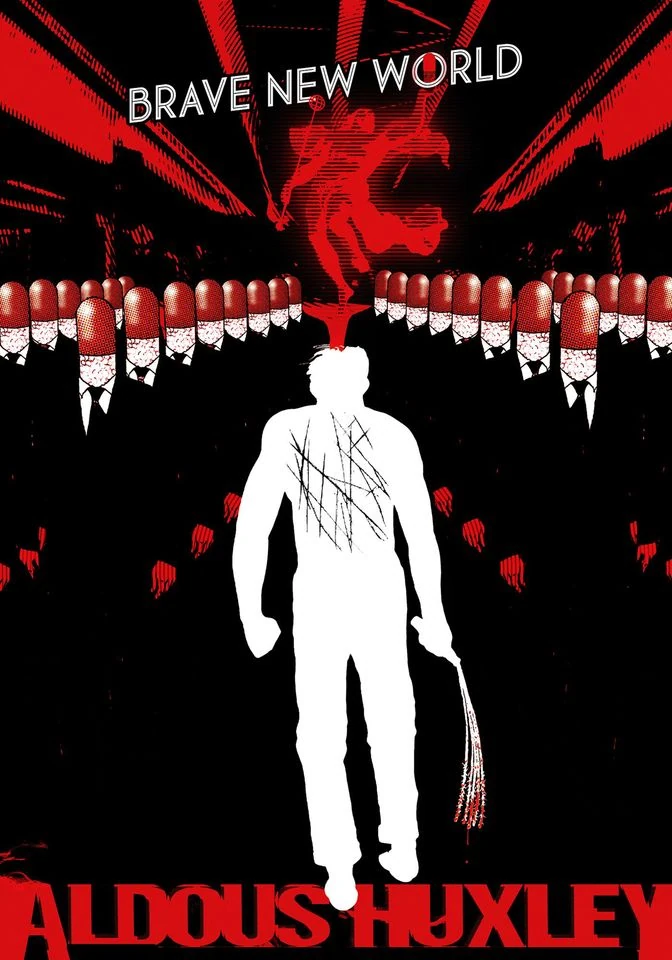
Huxley’s dystopian novel, set in a scientifically managed future where life is pain-free but meaningless, is a critical examination of the costs of technological advancement.
Read the entry →
Published in 1924, Forster’s novel sets personal relationships against the racial divisions and unequal power of British-ruled India.
Read the entry →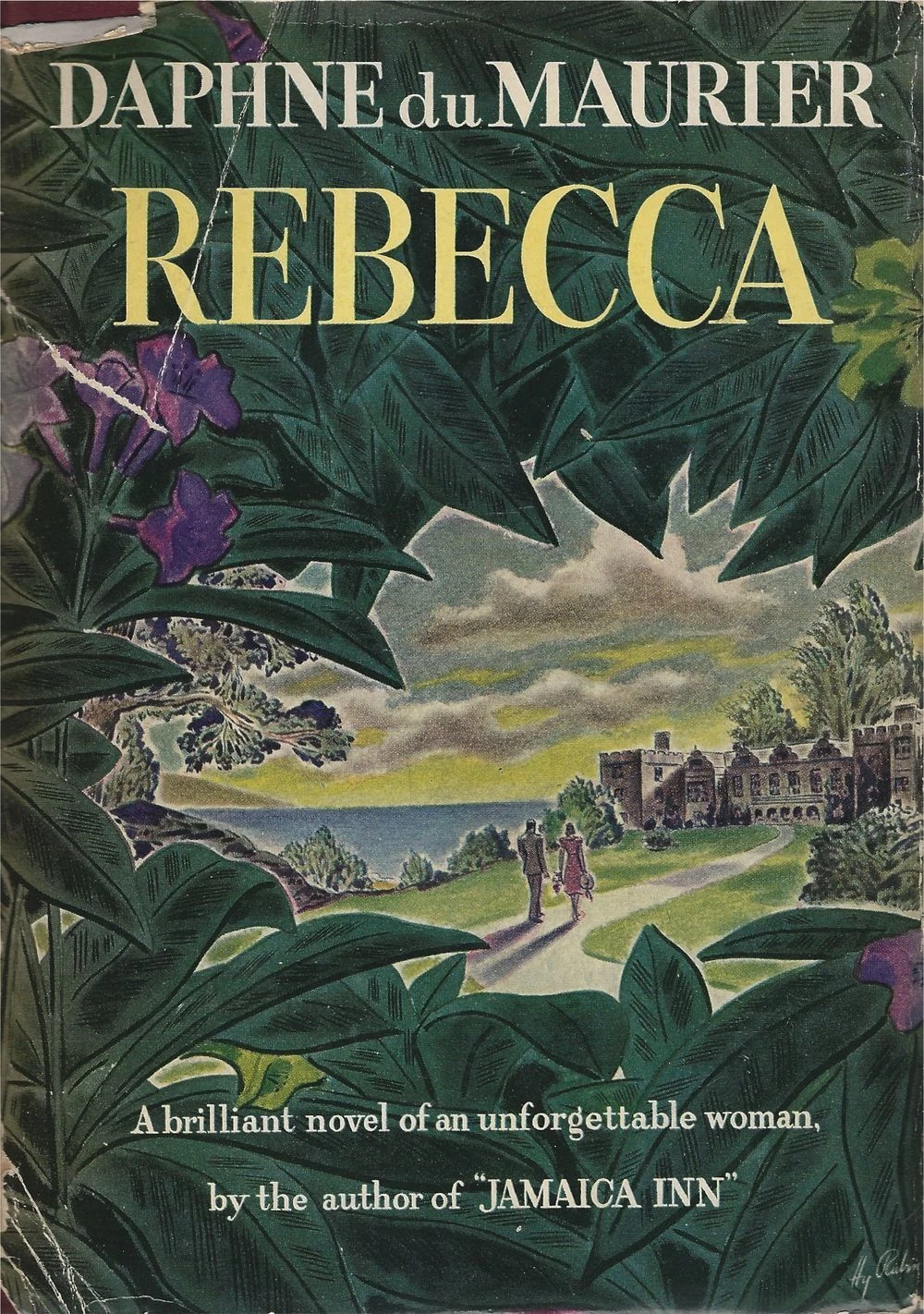
A young bride enters Manderley in the shadow of her husband's first wife. Daphne du Maurier's 1938 novel turns jealousy, secrecy and memory into a lasting Gothic mystery.
Read the entry →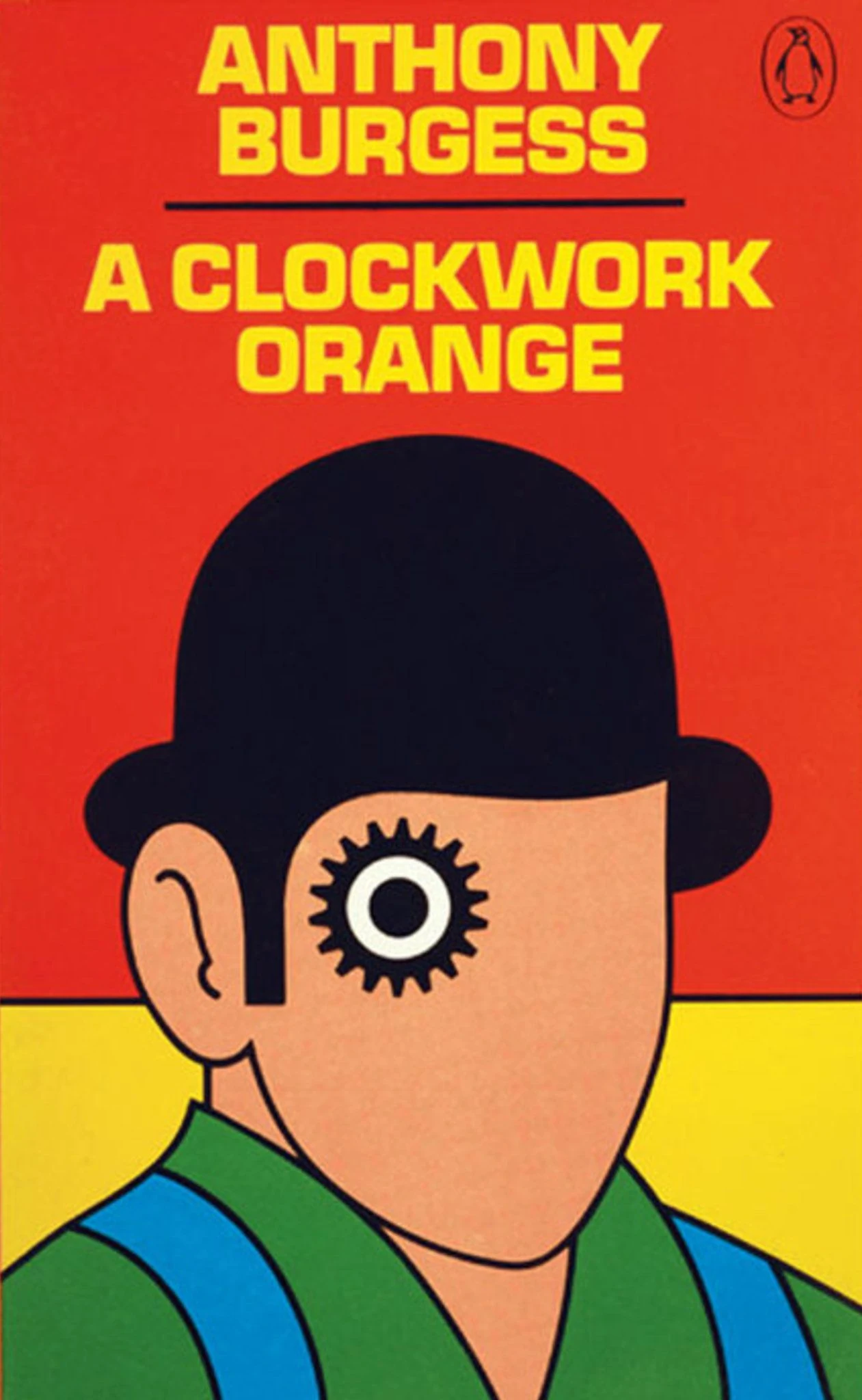
Burgess's novel, written in an invented slang language, is a disturbing exploration of free will and the power of the state to control individual behavior.
Read the entry →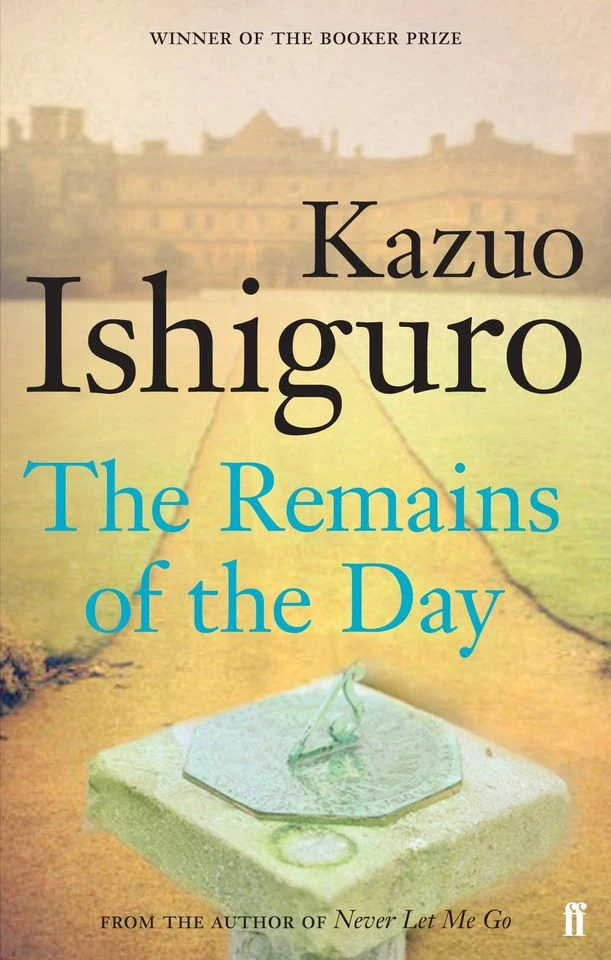
In a butler’s six-day journey through post-war England, Kazuo Ishiguro examines duty, class and the private cost of a life devoted to service.
Read the entry →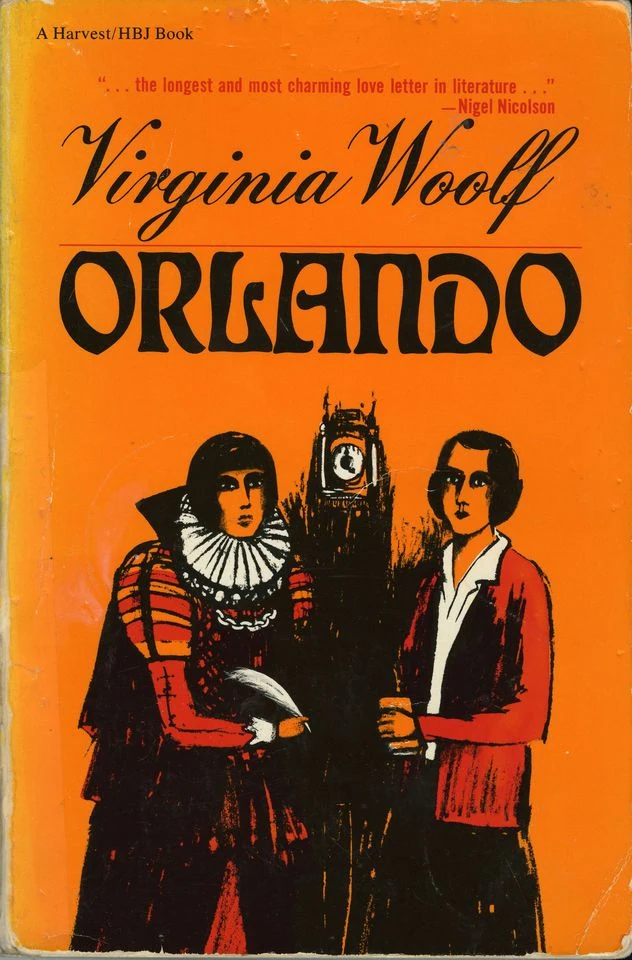
An Elizabethan nobleman lives across centuries and becomes a woman in Virginia Woolf’s 1928 novel, which turns biography itself into a subject.
Read the entry →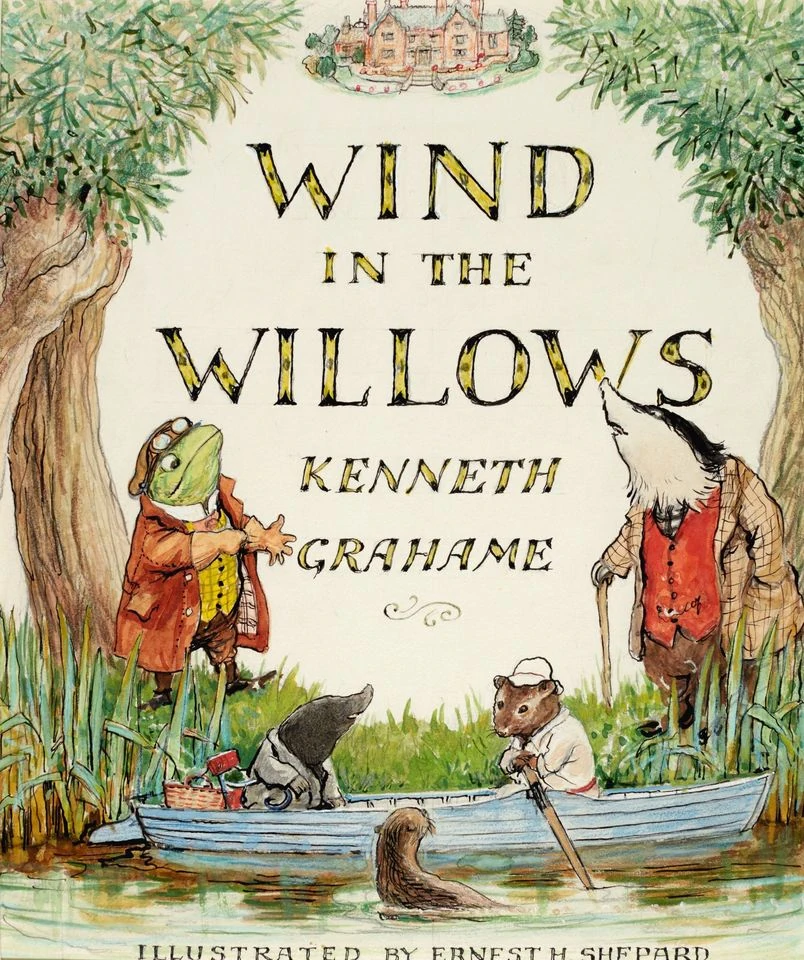
Grahame’s children’s book, telling the story of the adventures of Mole, Rat, Toad, and Badger, is a pastoral reflection on friendship and the pleasures of life.
Read the entry →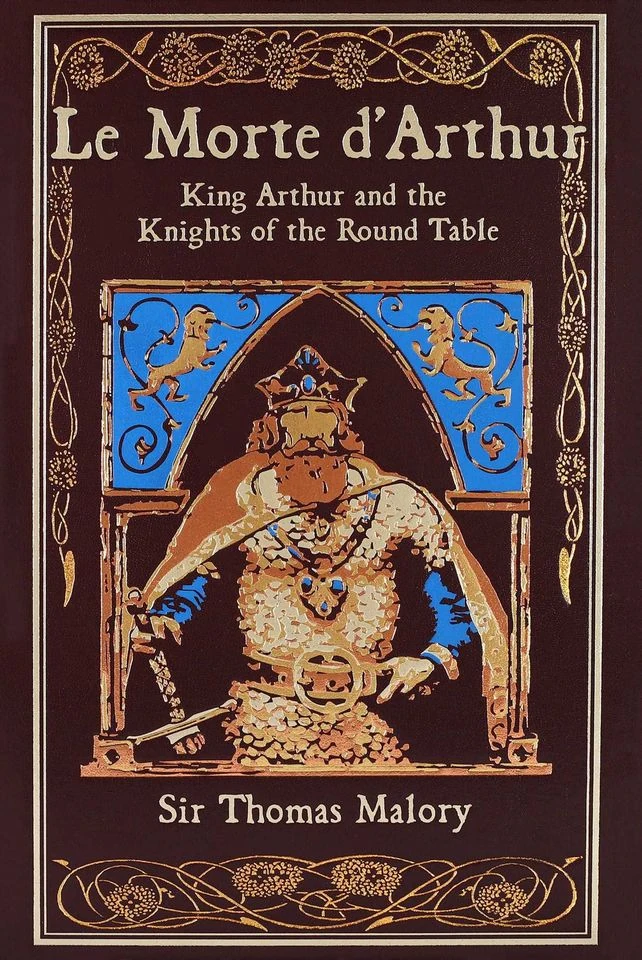
Malory’s compilation of the Arthurian legends has been the definitive source of the tales of King Arthur, Merlin, and the Knights of the Round Table for English readers.
Read the entry →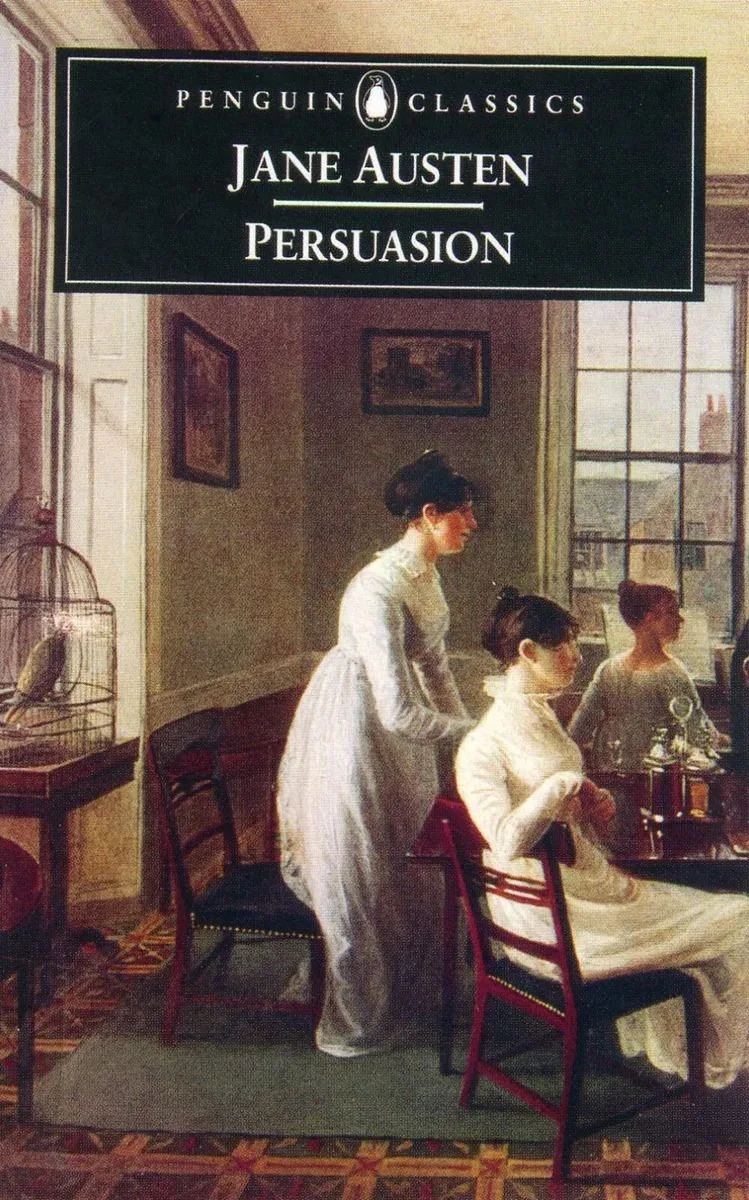
Austen’s final completed novel, often regarded as her most mature and somber work, delves deeply into issues of love, loss, and renewed romance.
Read the entry →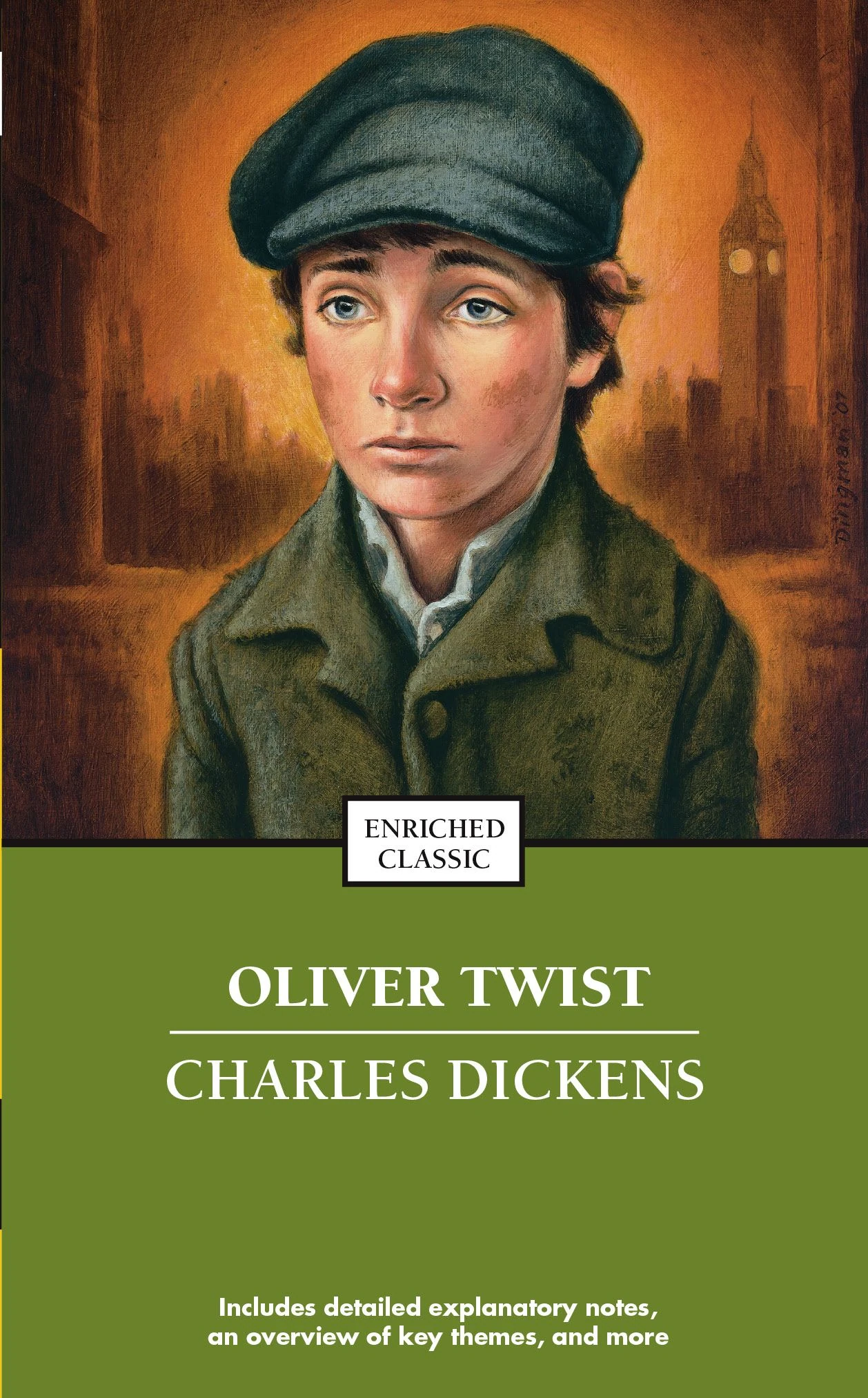
Dickens' novel about the harsh realities faced by the poor in 19th-century London criticizes societal injustices through the experiences of the orphan Oliver.
Read the entry →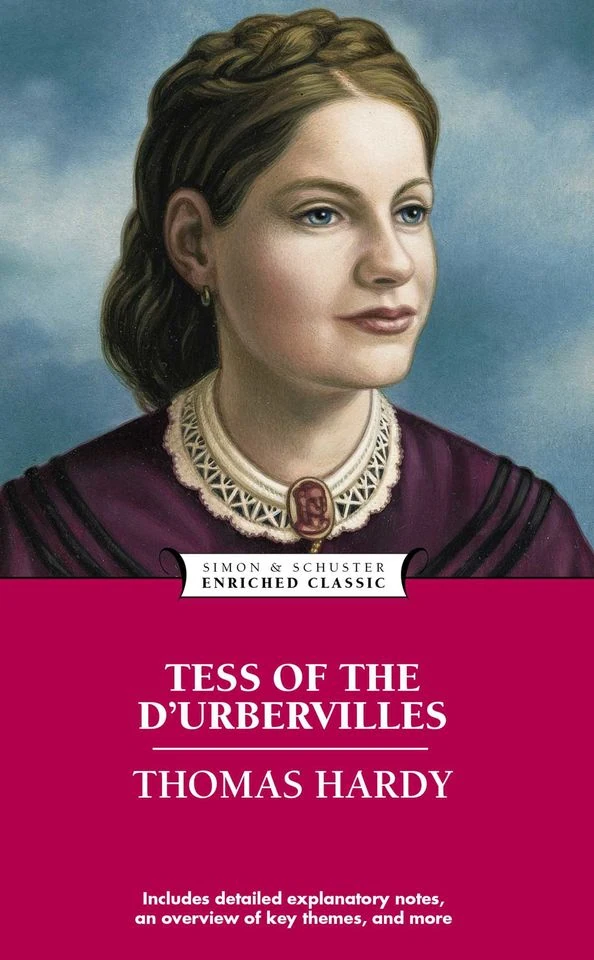
Hardy’s novel challenges the sexual morals of late Victorian England by telling the tragic story of Tess, a woman doomed by her circumstances and society’s norms.
Read the entry →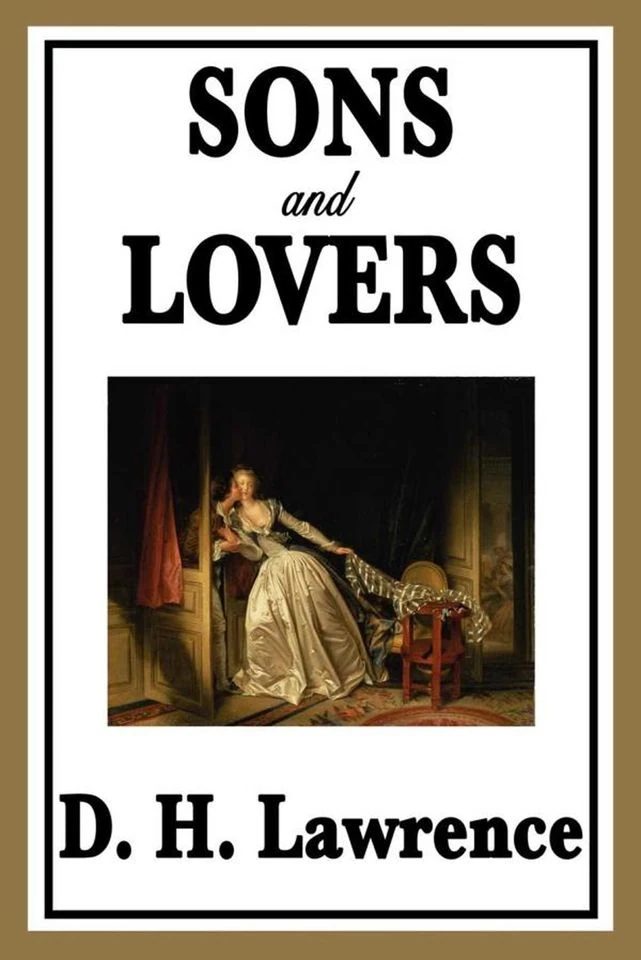
Lawrence’s autobiographical novel about a young man’s growing pains in a British working-class family explores emotional conflicts through his relationships.
Read the entry →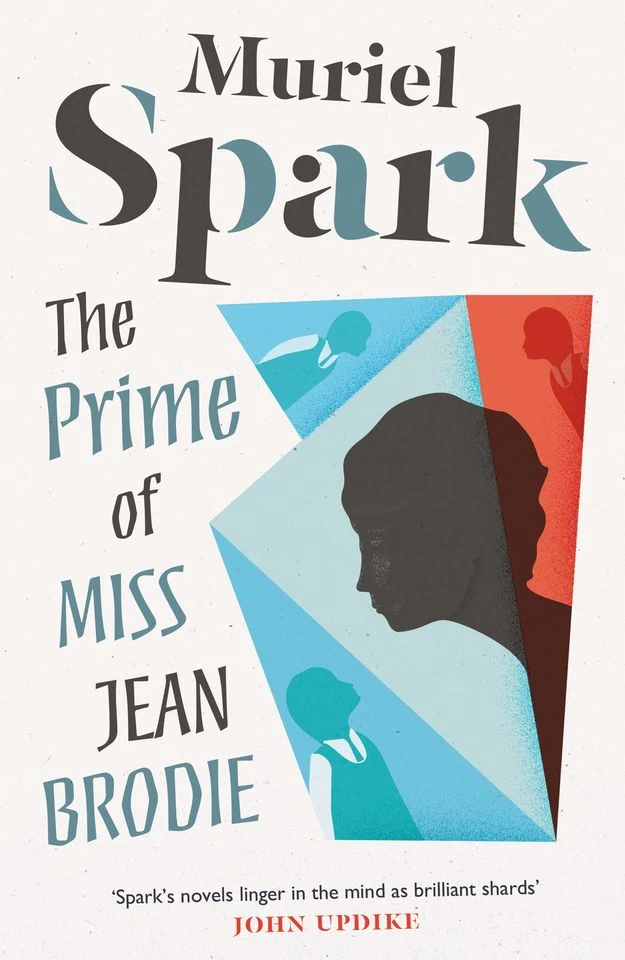
Spark’s novel about an unorthodox teacher at a girls’ school in Edinburgh explores themes of influence, manipulation, and the complexities of the teacher-student dynamic.
Read the entry →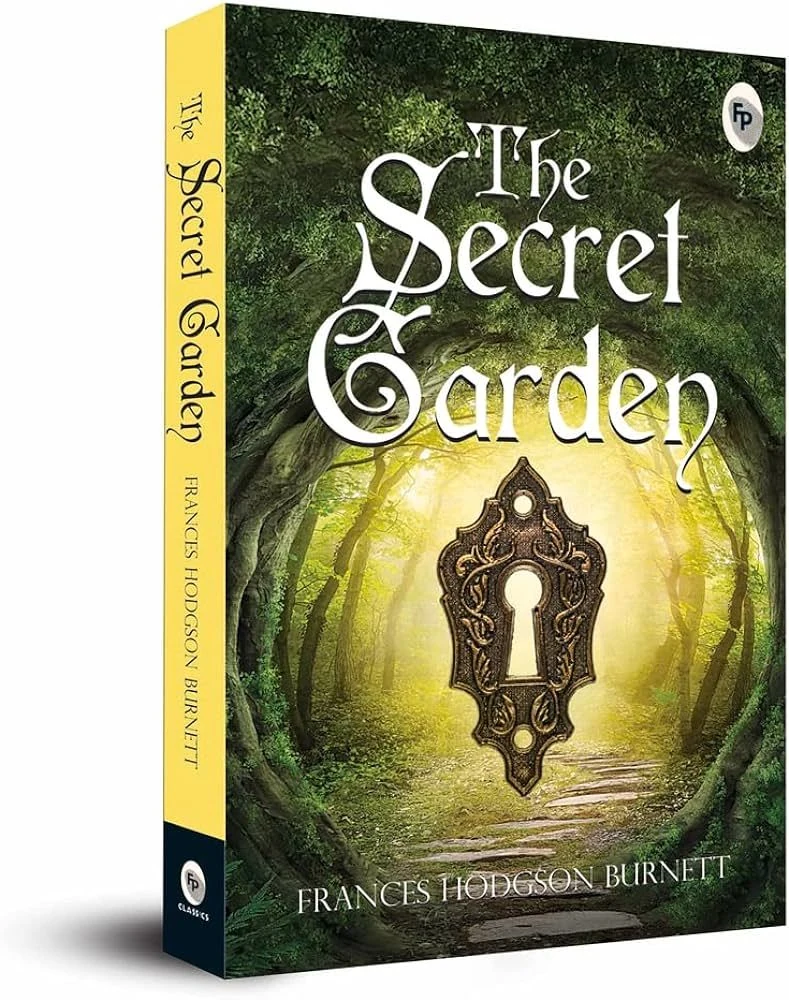
Burnett’s novel about orphaned Mary Lennox, who revives a hidden garden and transforms along with it, is celebrated for its portrayal of healing and growth.
Read the entry →
Kipling’s novella about two British adventurers in Afghanistan explores themes of imperialism and human ambition, and is noted for its critical tone and reflection on British colonialism.
Read the entry →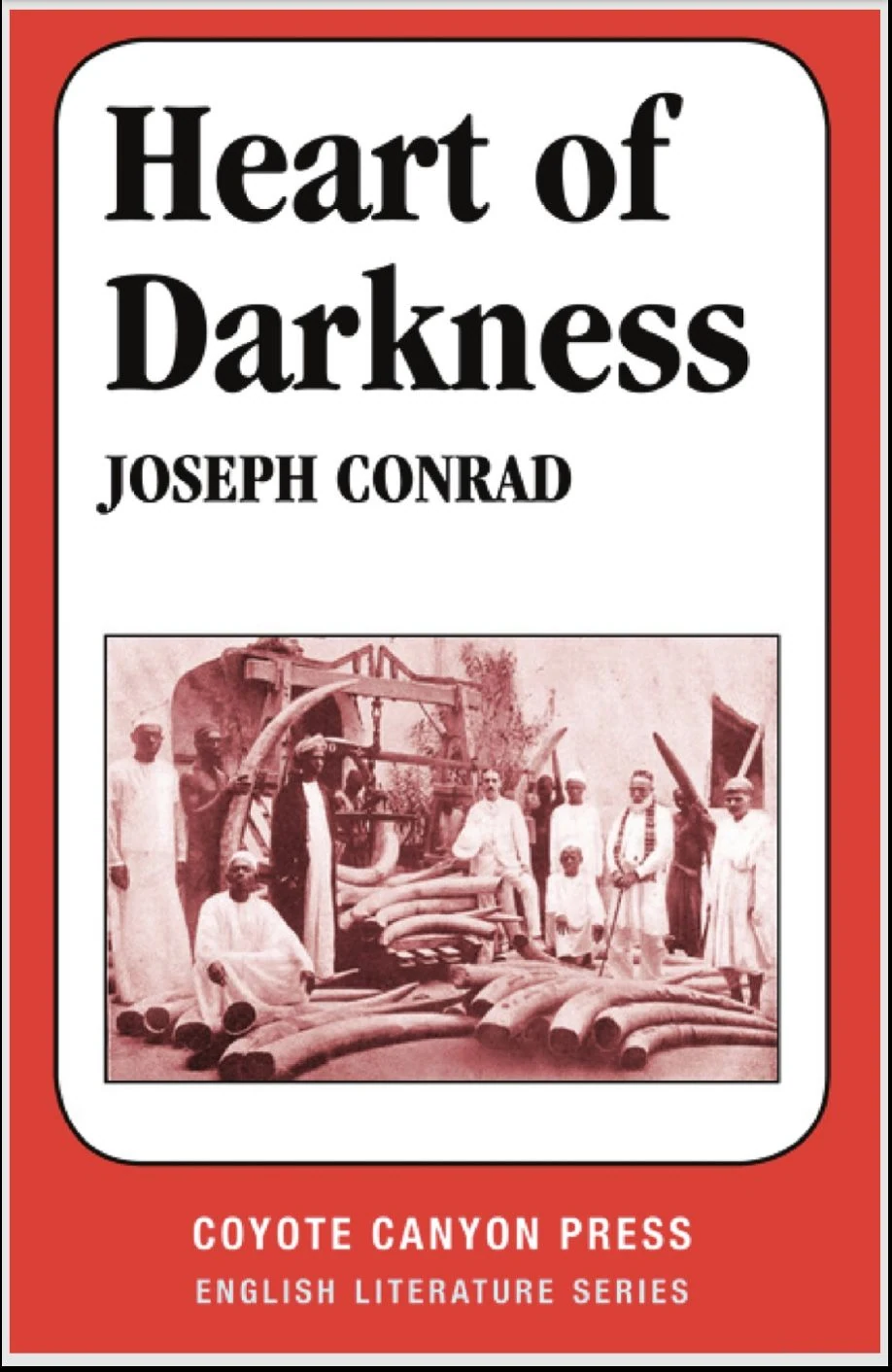
First published in 1899, Conrad’s framed tale takes Marlow from the Thames to a colonial ivory-trading station—and leaves its critique of imperialism open to debate.
Read the entry →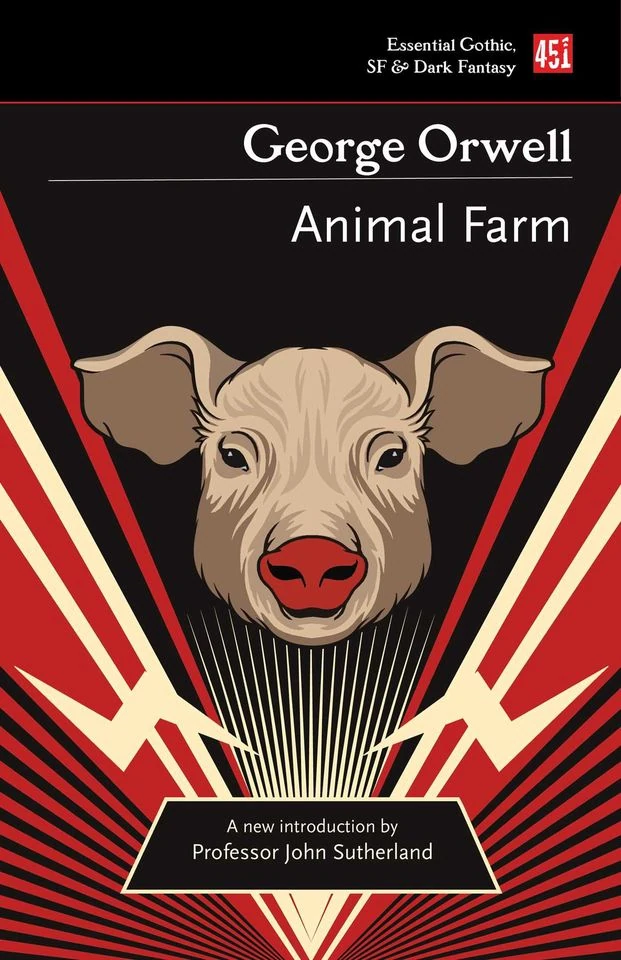
Orwell’s satirical allegory of the Russian Revolution critiques the corruption of revolutionary ideals and the mismanagement of power, resonating with readers familiar with oppression and controlled societies.
Read the entry →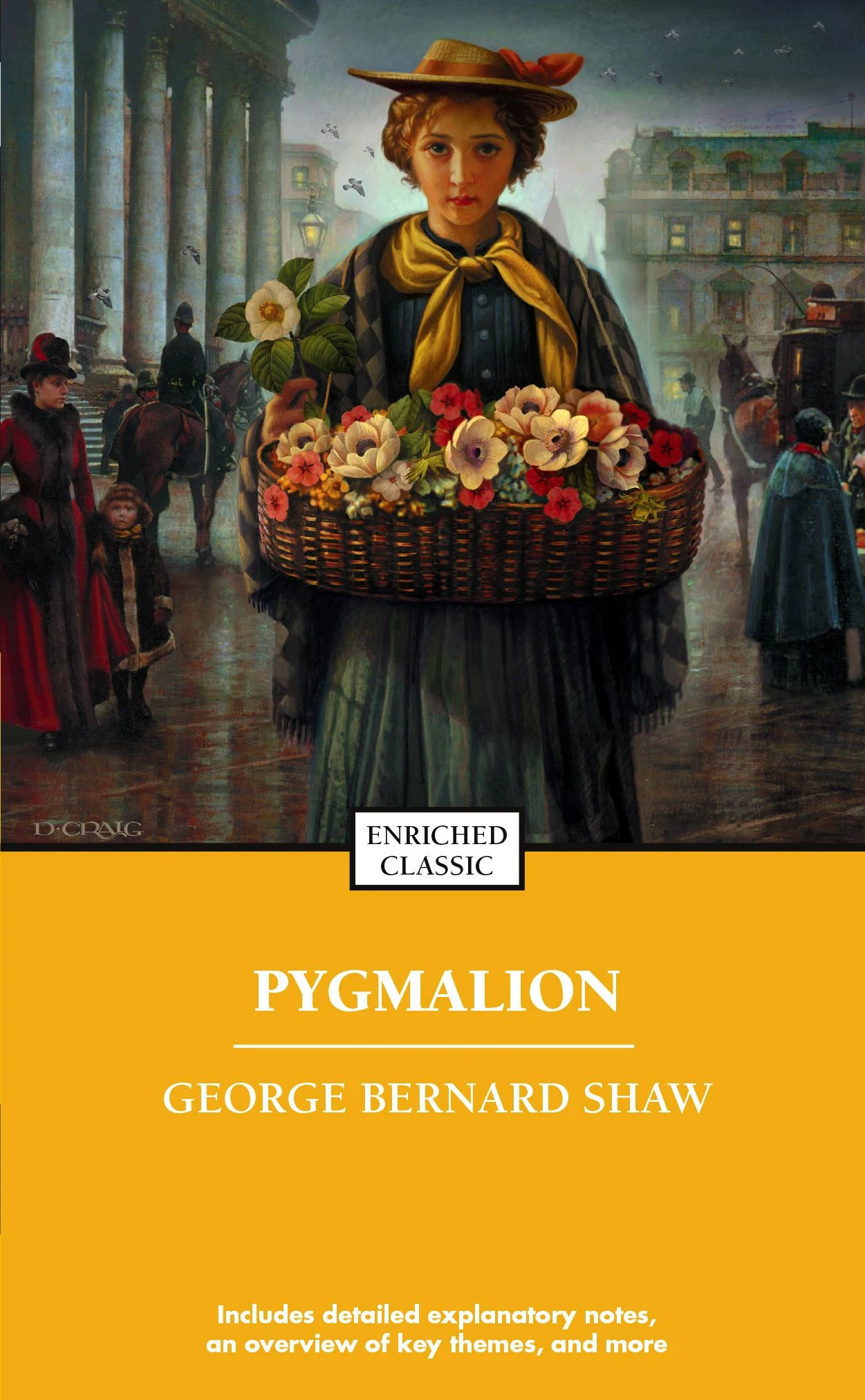
A wager over a flower-seller’s speech becomes a searching drama about class, identity and independence.
Read the entry →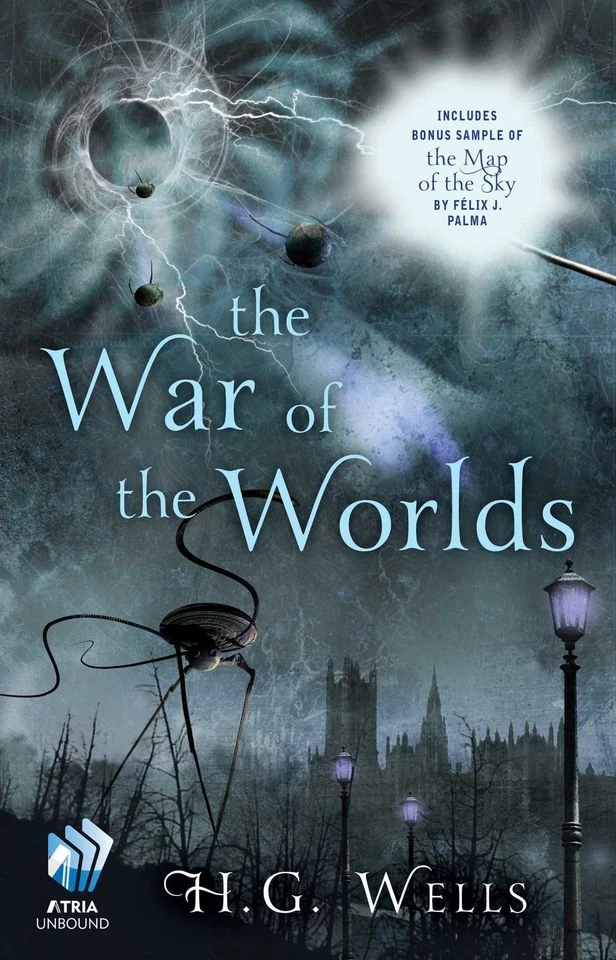
Wells’ novel, which details a Martian invasion of Earth, is one of the earliest books to tell the story of conflict between mankind and an extraterrestrial race, pioneering many tropes of science fiction.
Read the entry →