
Christopher Wren: science, rebuilding and St Paul’s
The architect of St Paul’s Cathedral was also a mathematician, astronomer and Royal Society president whose work helped reshape London after the Great Fire.
Read the entryBRITISH LEGACY / THE COLLECTION
British architects have designed some of the world's most iconic buildings, combining innovation with aesthetic excellence. Their works, ranging from historical landmarks to modern skyscrapers, define the architectural landscape.
49 entriesThe architect of St Paul’s Cathedral was also a mathematician, astronomer and Royal Society president whose work helped reshape London after the Great Fire.
Read the entry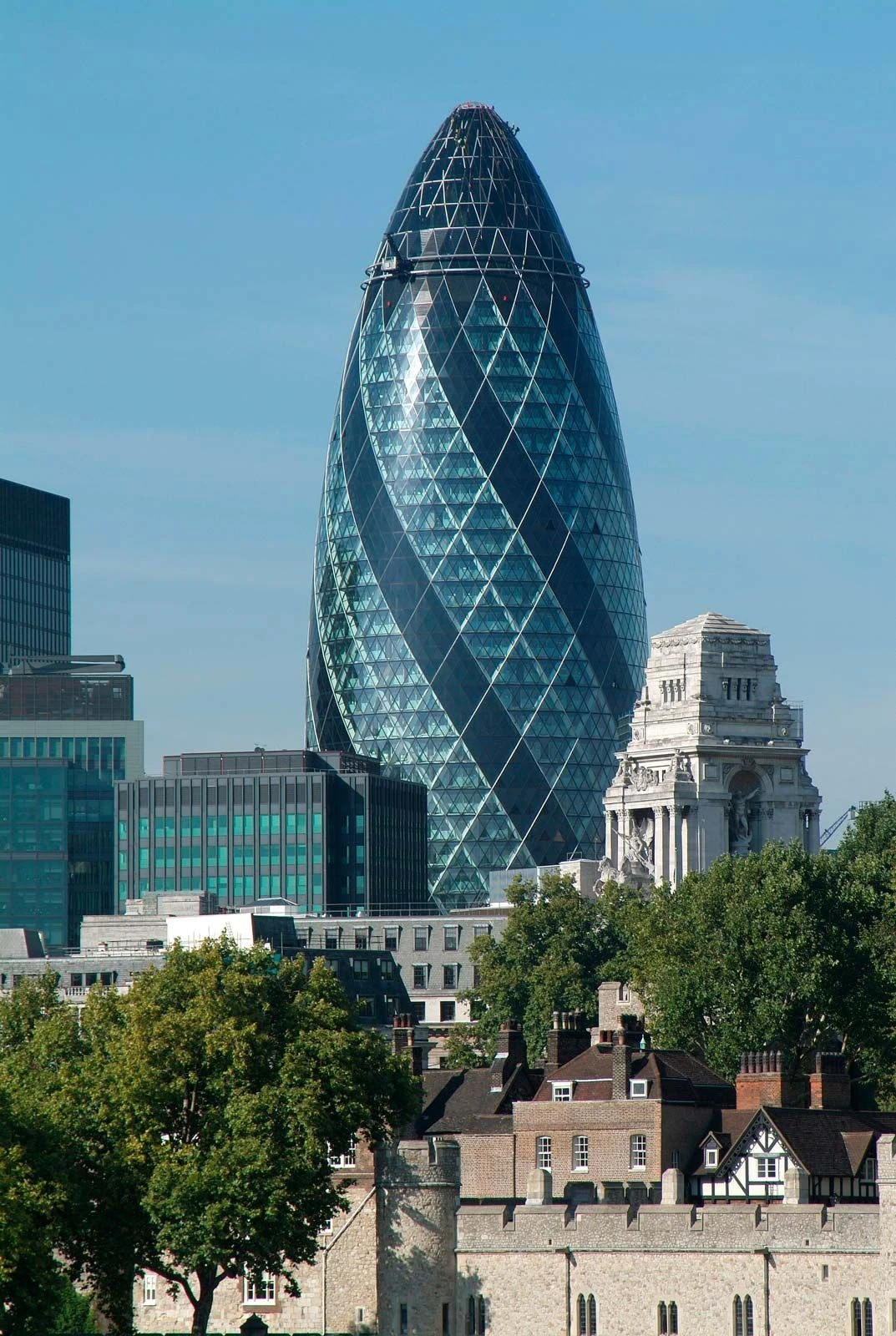
From Ipswich and Stansted to Berlin and London, the British architect built an international practice around ambitious structures and carefully considered public spaces.
Read the entry
From the Centre Pompidou to London’s Lloyd’s building and Cardiff’s Senedd, Rogers made structure and services part of architecture’s public face.
Read the entry
From the Queen’s House and Banqueting House to Covent Garden and the Stuart court’s theatrical spectacles, Jones reshaped English architecture and design.
Read the entry
From Wren’s office to his own London churches, Hawksmoor helped shape the architecture of England in the late seventeenth and early eighteenth centuries.
Read the entry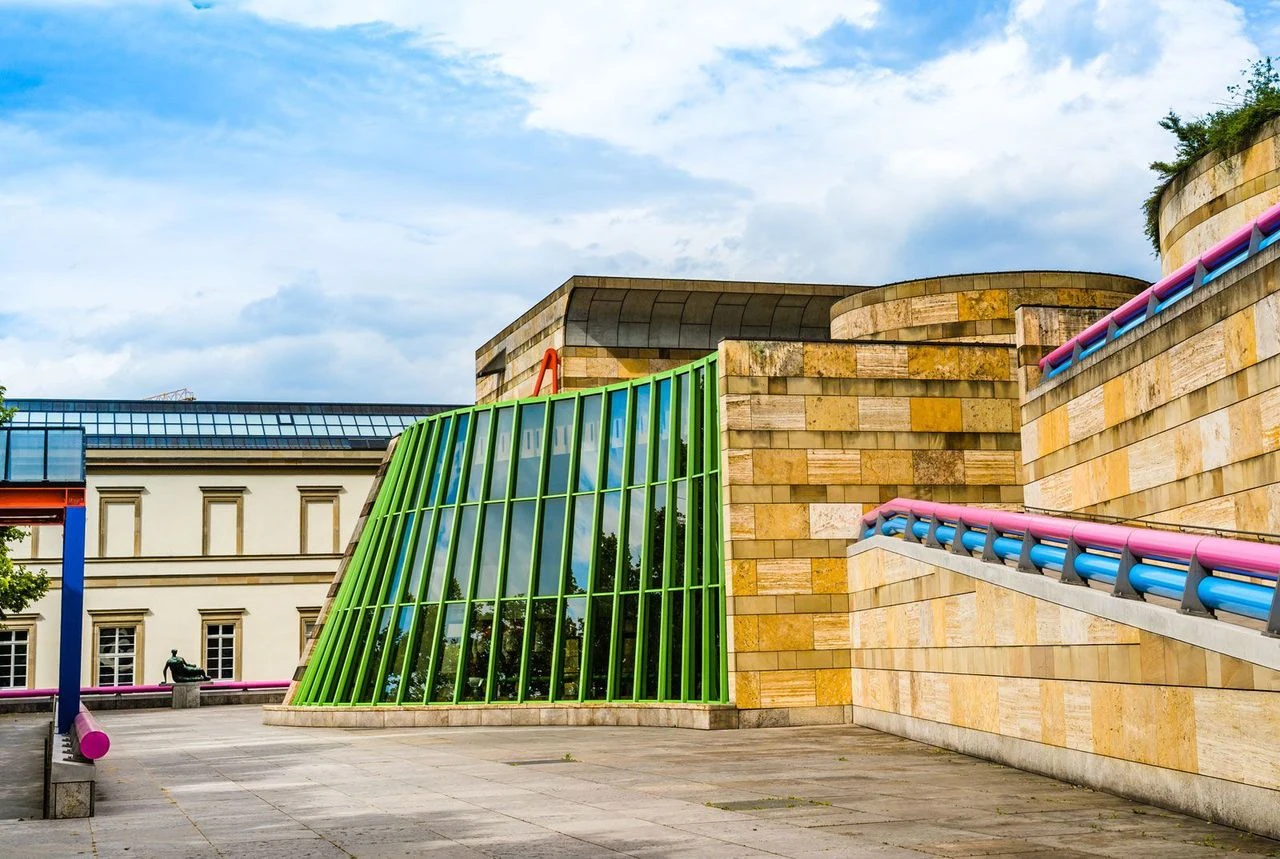
From the Leicester Engineering Building to Stuttgart’s Neue Staatsgalerie, Stirling made bold forms and historical references part of an influential architectural career.
Read the entry
From the River and Rowing Museum to Berlin’s Neues Museum, the British architect has built a career attentive to the histories and settings of the places he works.
Read the entry
From Bethnal Green housing to the Royal National Theatre, Lasdun gave modernist architecture a distinctive British expression.
Read the entry
The English architect transformed the Bank of England, designed Britain’s first purpose-built public art gallery and left his home and collections to the nation.
Read the entry
From Surrey country houses and the Cenotaph to the planned capital of British India, Lutyens shaped buildings that still carry the marks of their time.
Read the entry
From Liverpool Cathedral to the red telephone box and Battersea Power Station, Scott made buildings and everyday designs that remain part of Britain’s landscape.
Read the entry
From the MI6 building and Charing Cross to major regeneration schemes, Farrell combined postmodern design with a lasting interest in how cities work.
Read the entry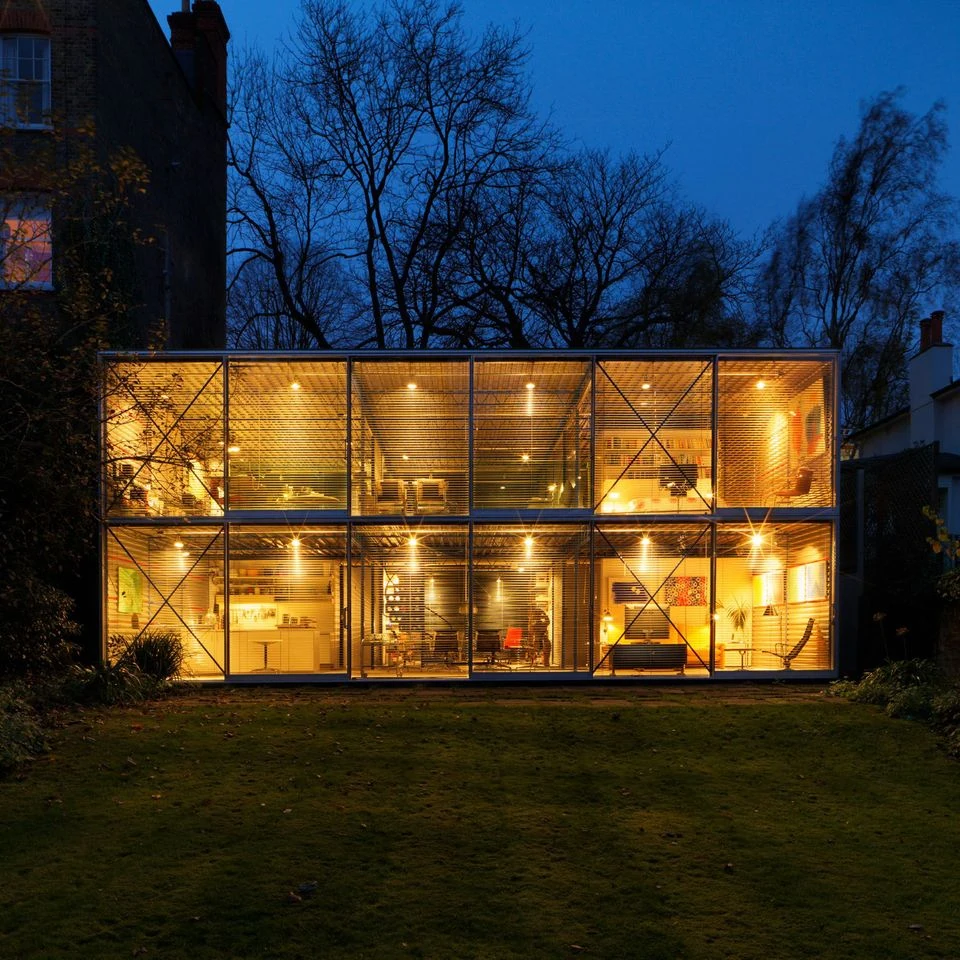
The British architect helped shape high-tech design, from lightweight steel-and-glass structures to buildings that brought contemporary engineering together with traditional materials.
Read the entry
From the Glasgow School of Art to interiors that brought architecture, furniture and decoration together, Mackintosh shaped a distinctive Scottish contribution to modern design.
Read the entry
A London-born architect reworked medieval forms for Victorian churches, schools and colleges, leaving a distinctive mark from Margaret Street to Oxford.
Read the entry
From workhouses and churches to the Albert Memorial and St Pancras, Scott shaped Victorian Britain’s public and religious architecture.
Read the entry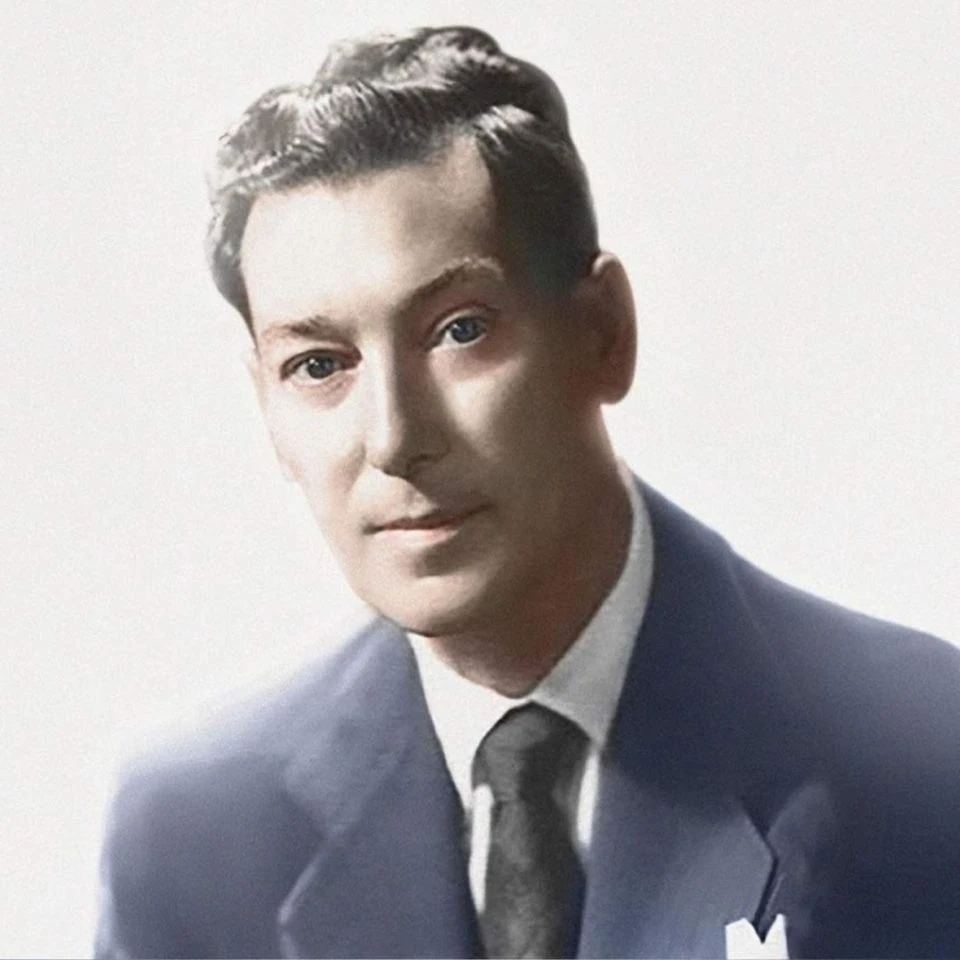
Modernist architect known for his design of Coventry Cathedral.
Read the entry
The Iraqi-born British architect reshaped contemporary design, from London’s Olympic pool to internationally recognised buildings and a lasting body of work.
Read the entry
From Byker in Newcastle to projects in Sweden and London, Erskine brought social concerns and careful attention to place into a long architectural career.
Read the entry
From Richmond Riverside to Downing Street, Terry brought classical forms into modern British buildings and kept their place in architectural debate.
Read the entry
The Ghanaian-British architect brought an international perspective to public buildings in Britain and abroad, including Washington’s National Museum of African American History and Culture.
Read the entry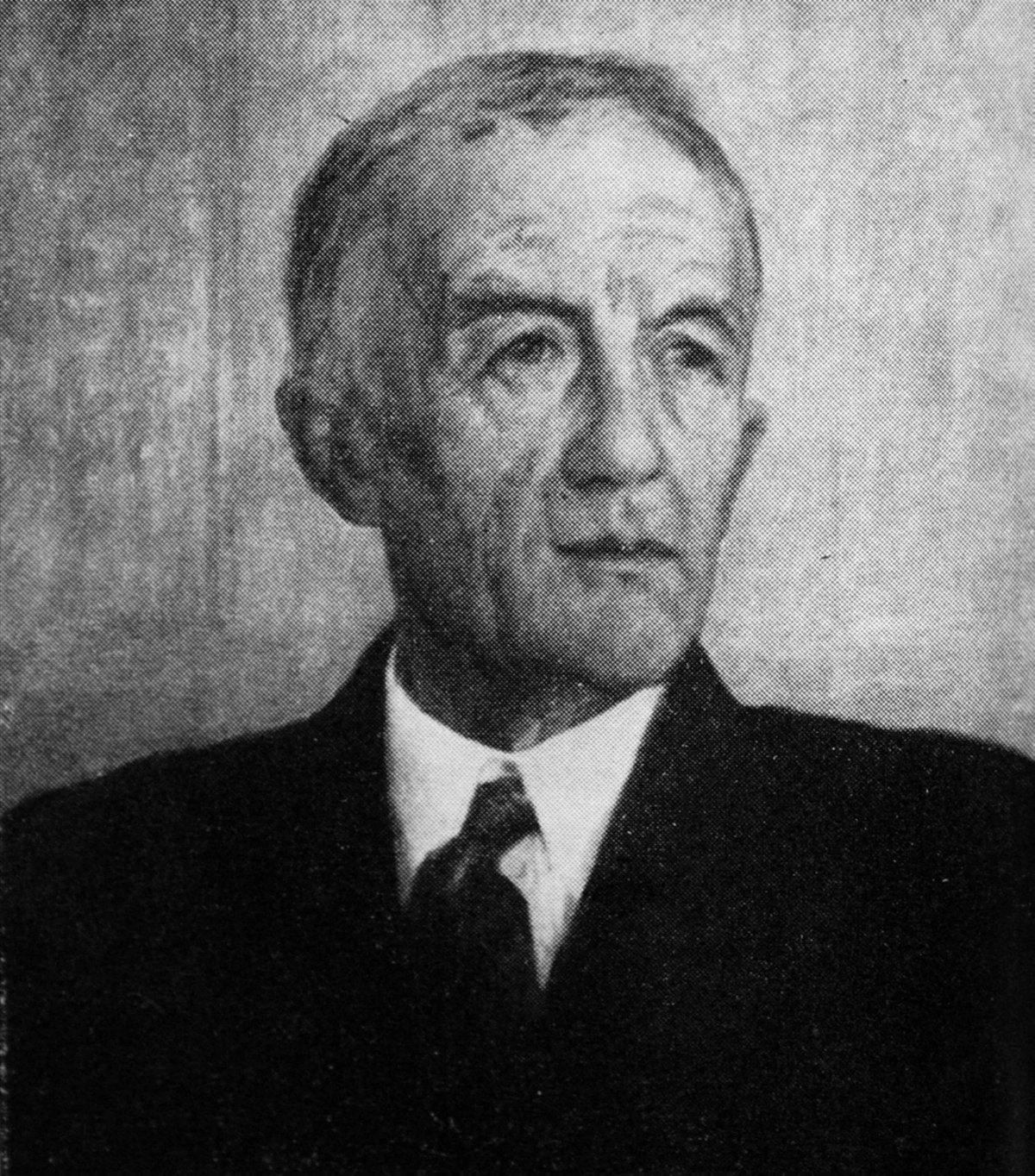
From the Union Buildings in Pretoria to war cemeteries in France and Belgium, Baker shaped public architecture in Britain and across the former empire.
Read the entry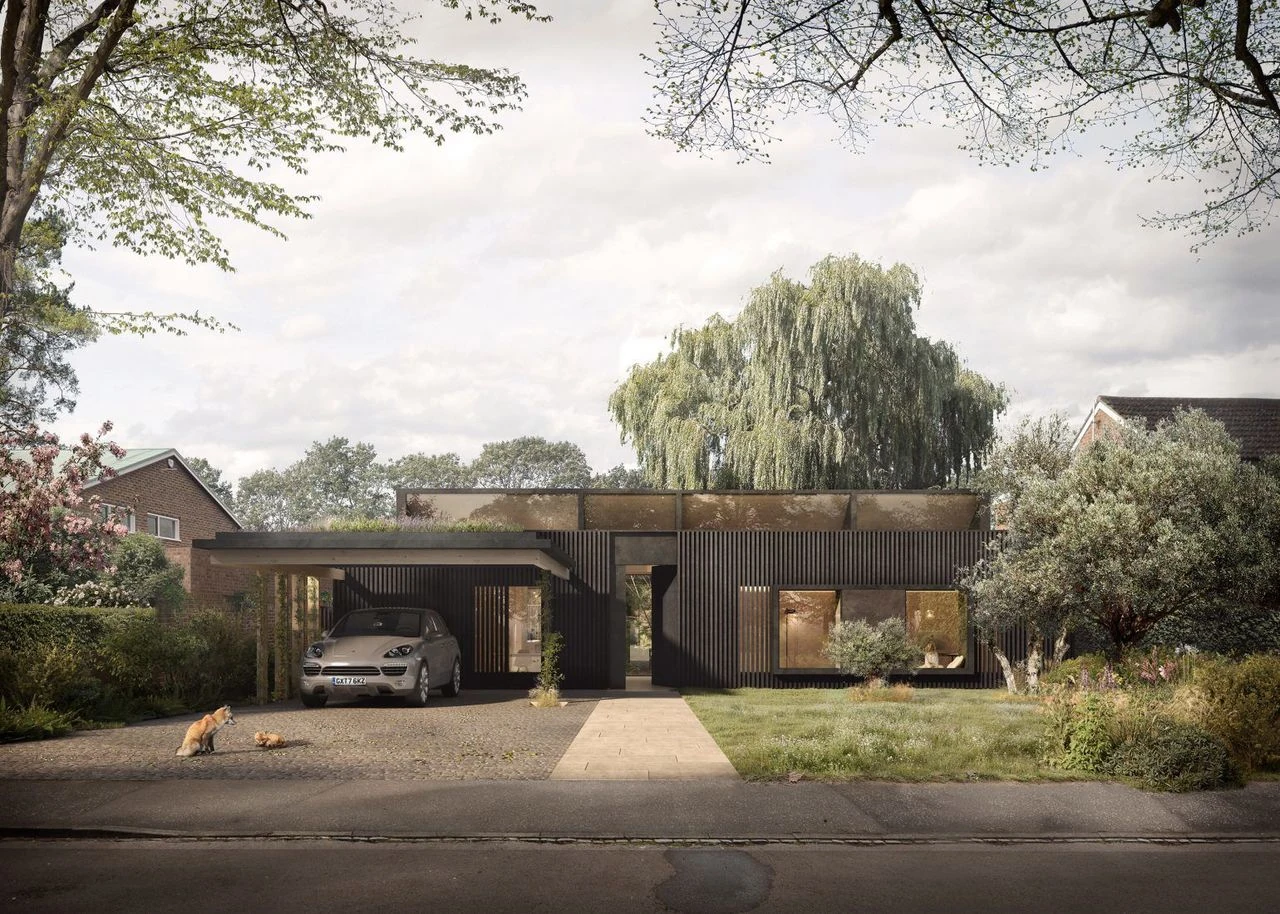
The architect’s partnership with Span helped shape more than 73 housing estates, combining modern design with landscaped shared spaces.
Read the entry
Swedish-born and Scottish by family, Chambers shaped British architecture through Somerset House, Kew’s Great Pagoda and influential books on design.
Read the entry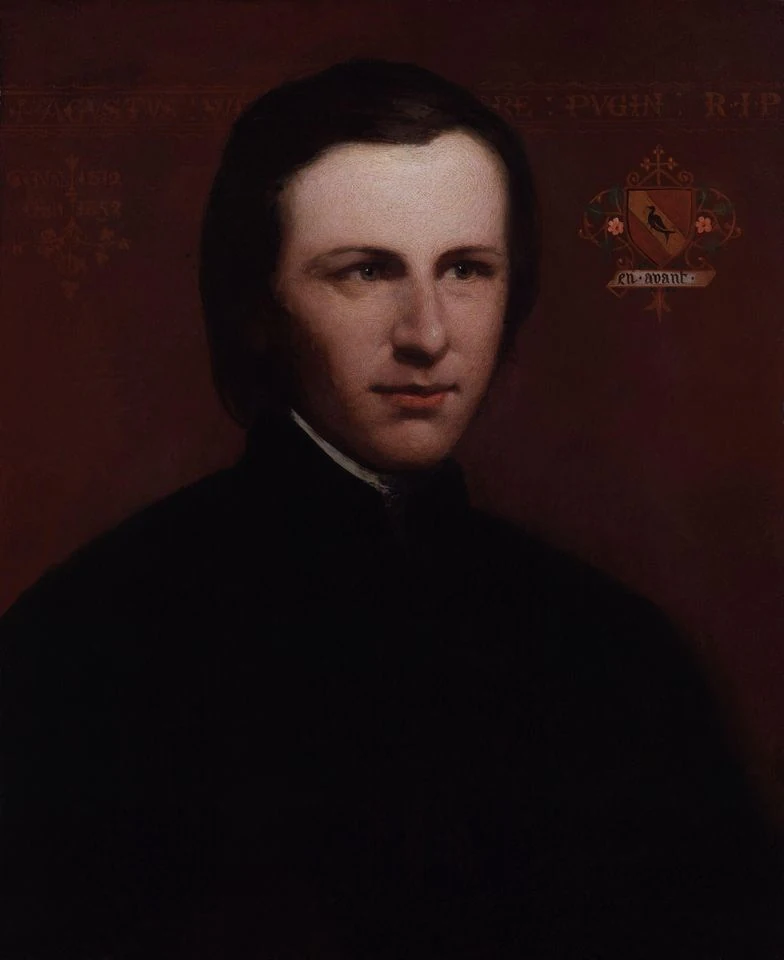
The Gothic Revival architect and designer whose work shaped the Palace of Westminster.
Read the entry
From St Mary le Strand to the Radcliffe Camera, Gibbs made an independent architectural language influential through both buildings and books.
Read the entry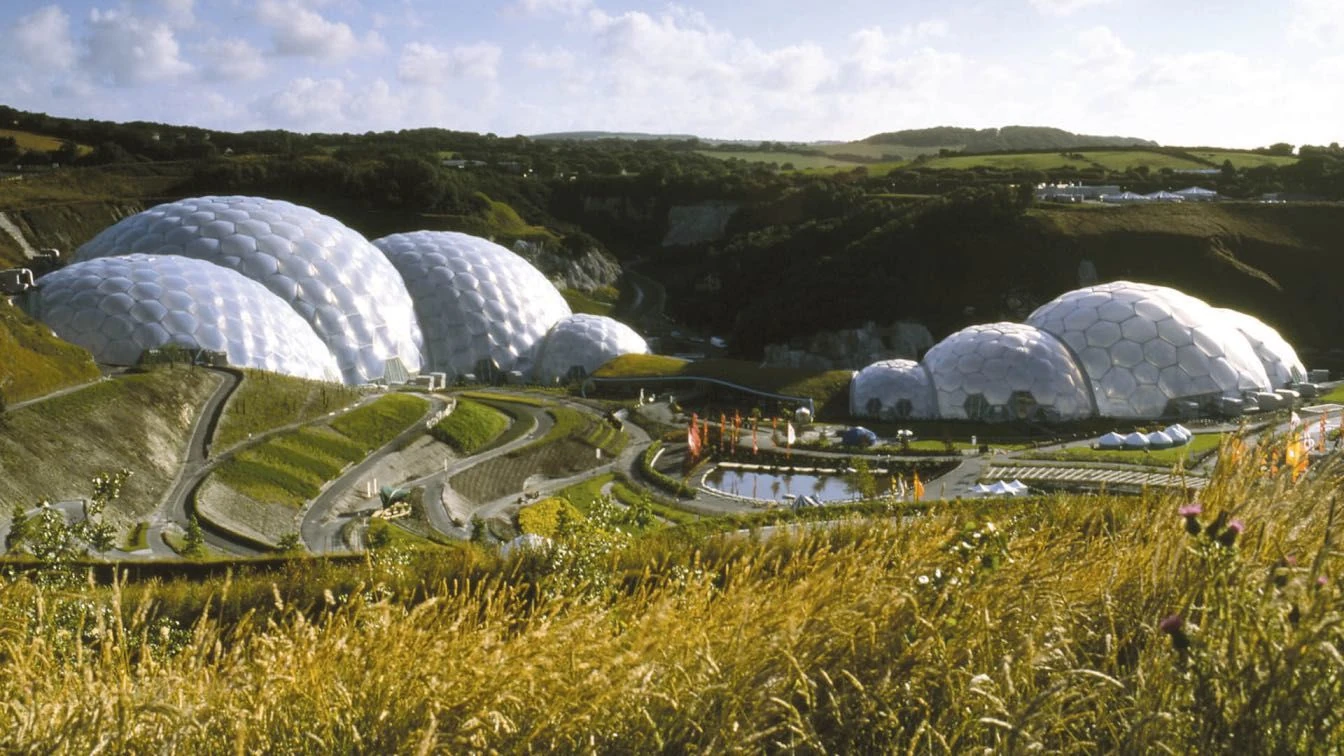
From Waterloo International to the Eden Project, the British architect made engineering and visible structure central to a career spanning public buildings, transport and industry.
Read the entry
The English architect helped make radical ideas about adaptable cities part of architectural debate, then carried that experimental outlook into teaching and completed buildings.
Read the entry
From major projects at Foster and Partners to Make Architects, Ken Shuttleworth’s work spans the Gherkin, the Cube and London’s Olympic Handball Arena.
Read the entry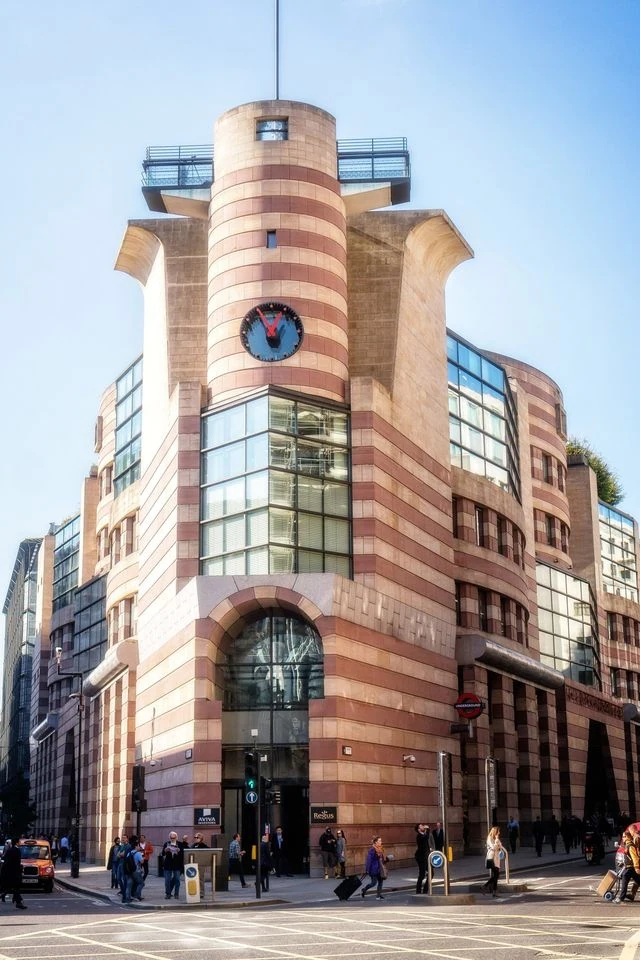
A long partnership with James Stirling led to buildings in Britain and Europe; Wilford went on to shape cultural institutions and teach architects internationally.
Read the entry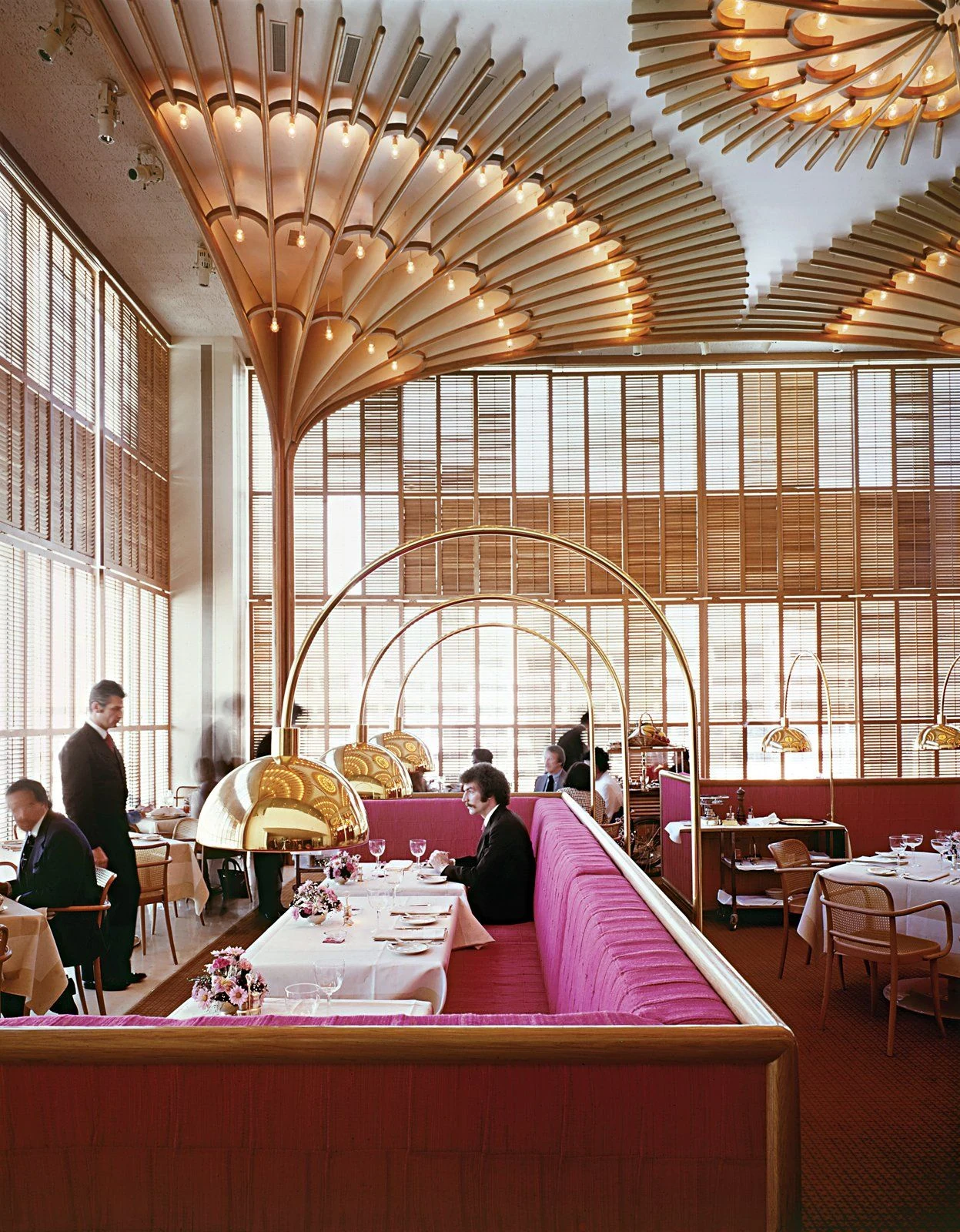
Known for his collaboration on the design of the Leeds Civic Hall and his modernist furniture design.
Read the entry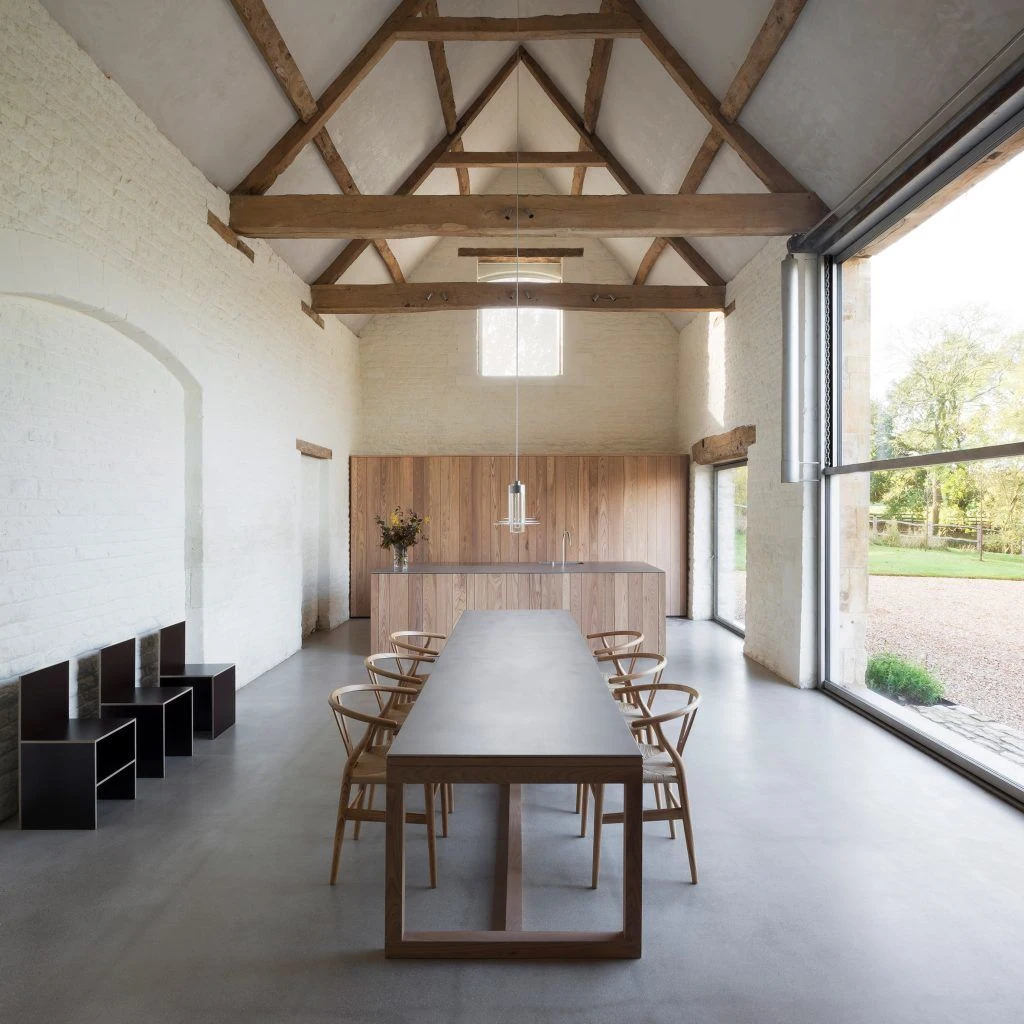
From Halifax and the Architectural Association to projects at Kew, Nový Dvůr and beyond, Pawson has made simplicity a practical design discipline.
Read the entry
From the Tokyo International Forum to 20 Fenchurch Street, the Uruguayan-born architect left a distinctive mark on the built environment in Britain and far beyond.
Read the entry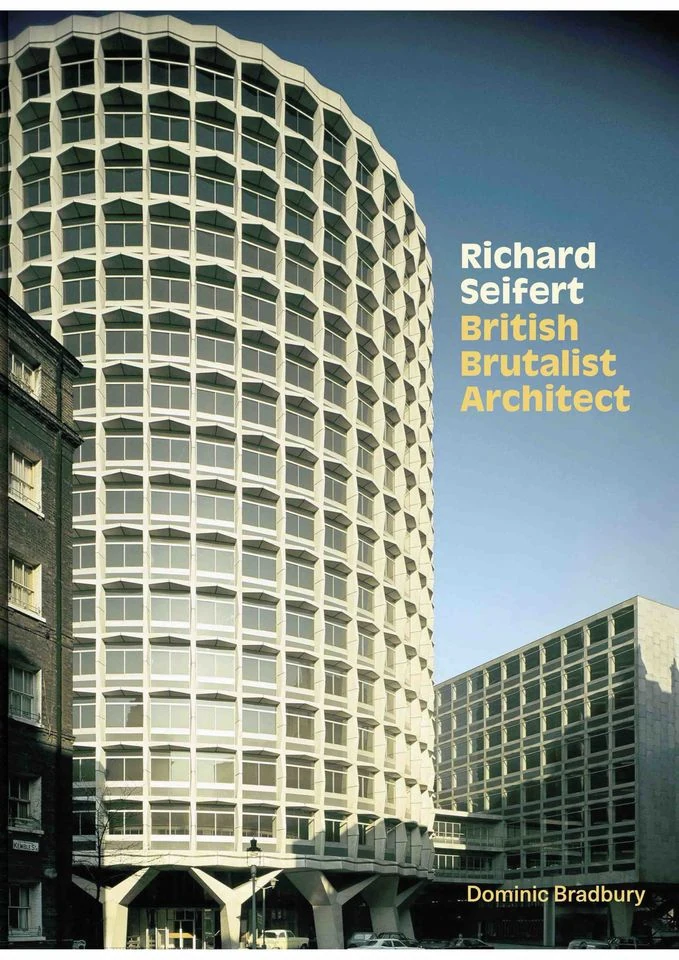
From Centre Point to Tower 42, Seifert’s buildings helped define post-war London and reached far beyond the capital.
Read the entry
From Cragside to the Norman Shaw Buildings, the Edinburgh-born architect shaped British domestic and civic architecture.
Read the entry
From Newgate Prison and the Guildhall façade to churches, markets and civic streets, Dance helped shape the changing City of London.
Read the entry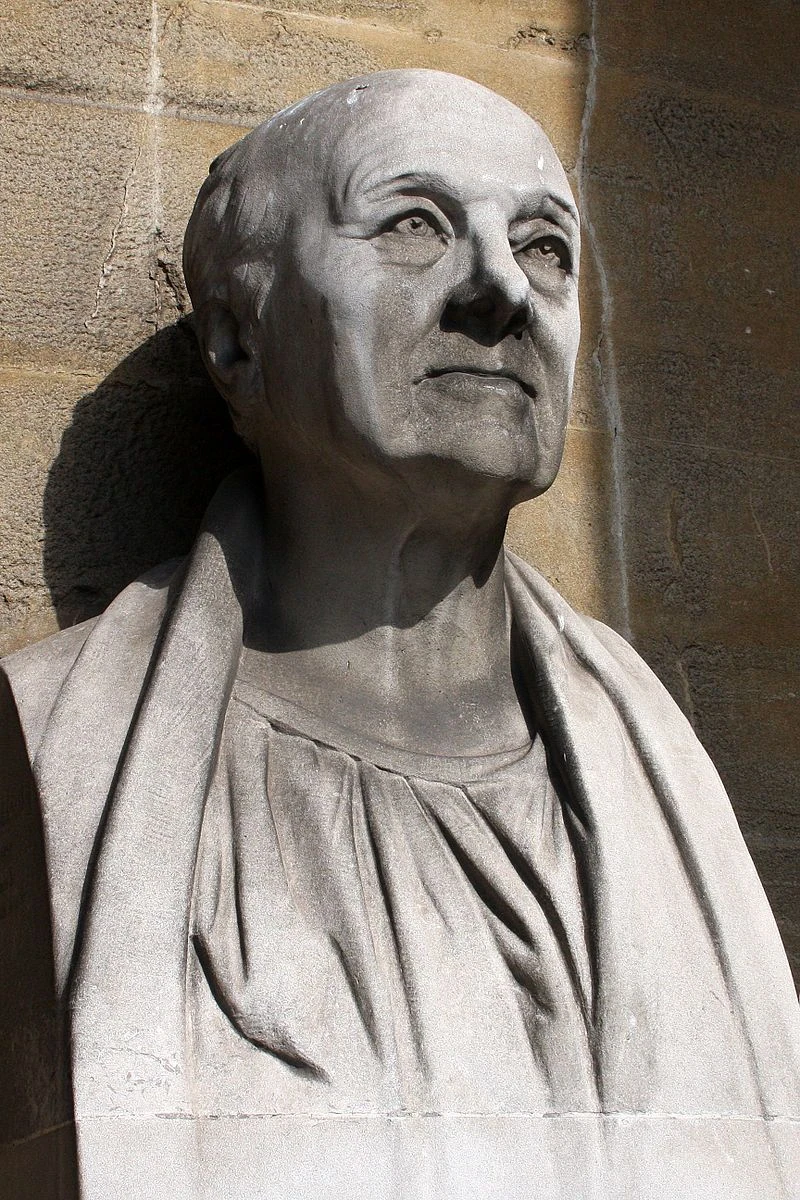
From country houses in Wales to Regent Street and the Royal Pavilion, Nash helped give the Regency capital its enduring form.
Read the entry
From Edinburgh and London to country houses across Britain, Robert Adam joined architecture, furnishings and decoration in a distinctive neoclassical style.
Read the entry
The architect’s plans joined classical design to an ambitious vision for Bath, while his surveys of ancient stone circles revealed another side of his work.
Read the entry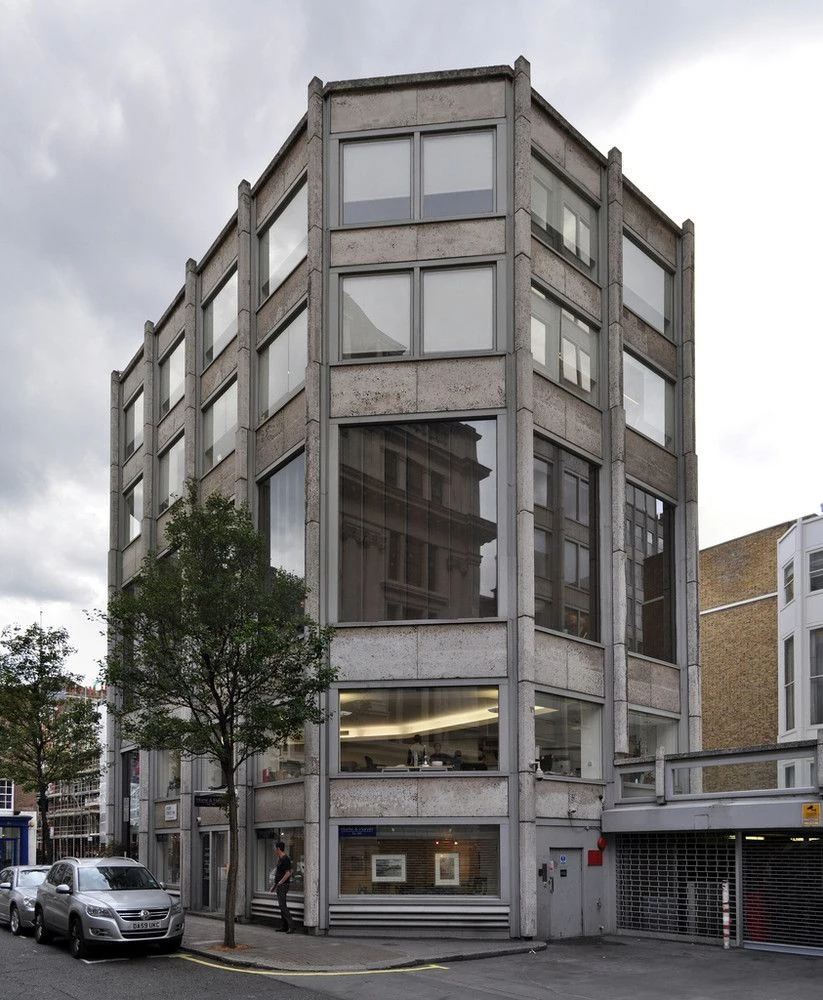
The British architects joined exposed construction and bold urban ideas to a lasting debate about how buildings shape everyday life.
Read the entry