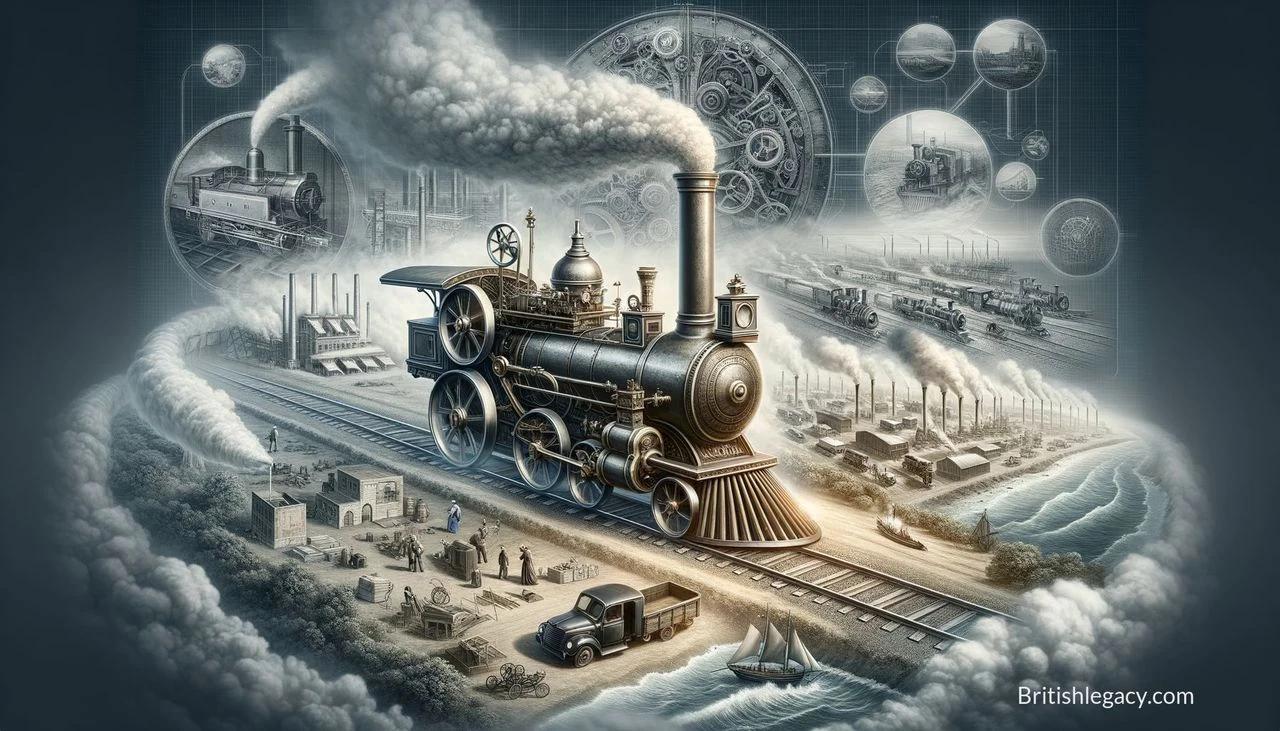
The Steam Engine
How Thomas Newcomen and James Watt turned steam into the power that remade Britain
Read the entryBRITISH LEGACY / THE COLLECTION
The UK has been a launching pad for groundbreaking inventions. British inventions have driven advancements that form the backbone of today's technology-dependent society. These inventions exemplifies a commitment to progress and excellence.
25 entriesHow Thomas Newcomen and James Watt turned steam into the power that remade Britain
Read the entry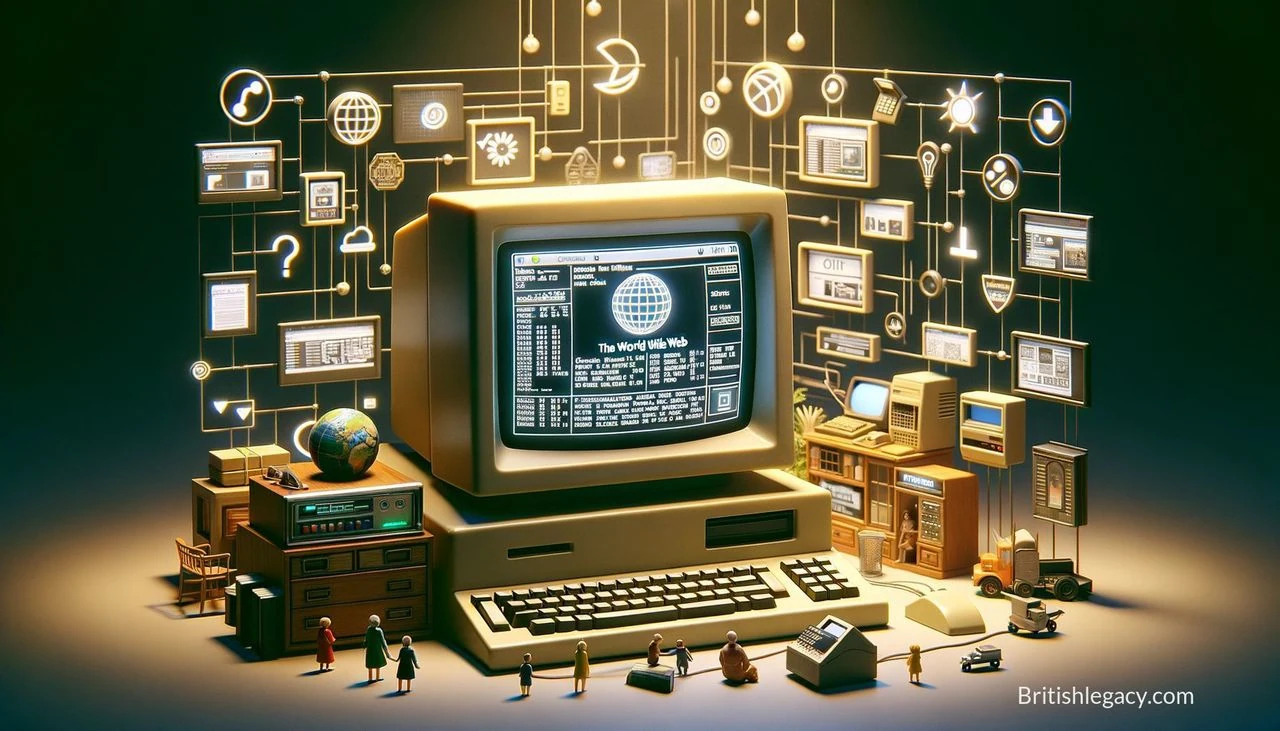
How Tim Berners-Lee’s work at CERN made the internet easier to navigate, publish on and share — and why that British contribution still matters.
Read the entry
How Edinburgh-born Alexander Graham Bell helped make the human voice an instrument of communication at a distance
Read the entry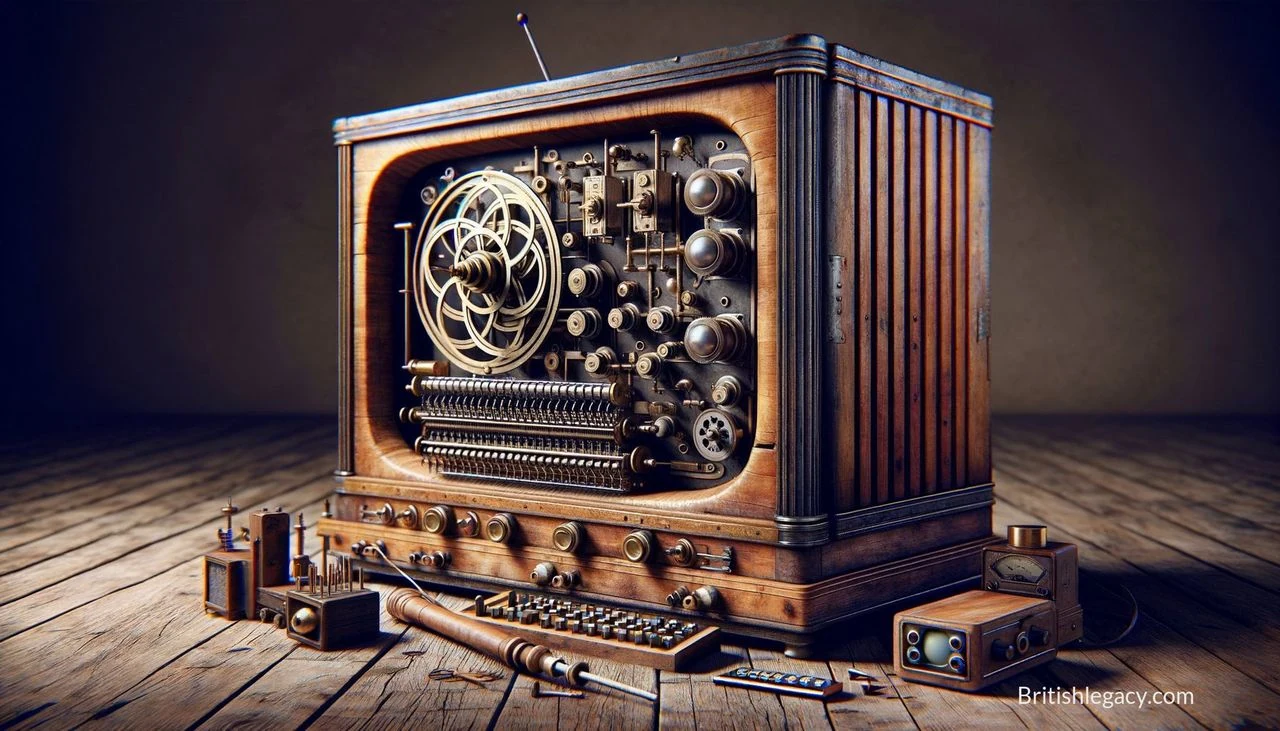
How a Scottish inventor helped turn moving pictures from a laboratory experiment into a British broadcasting medium.
Read the entry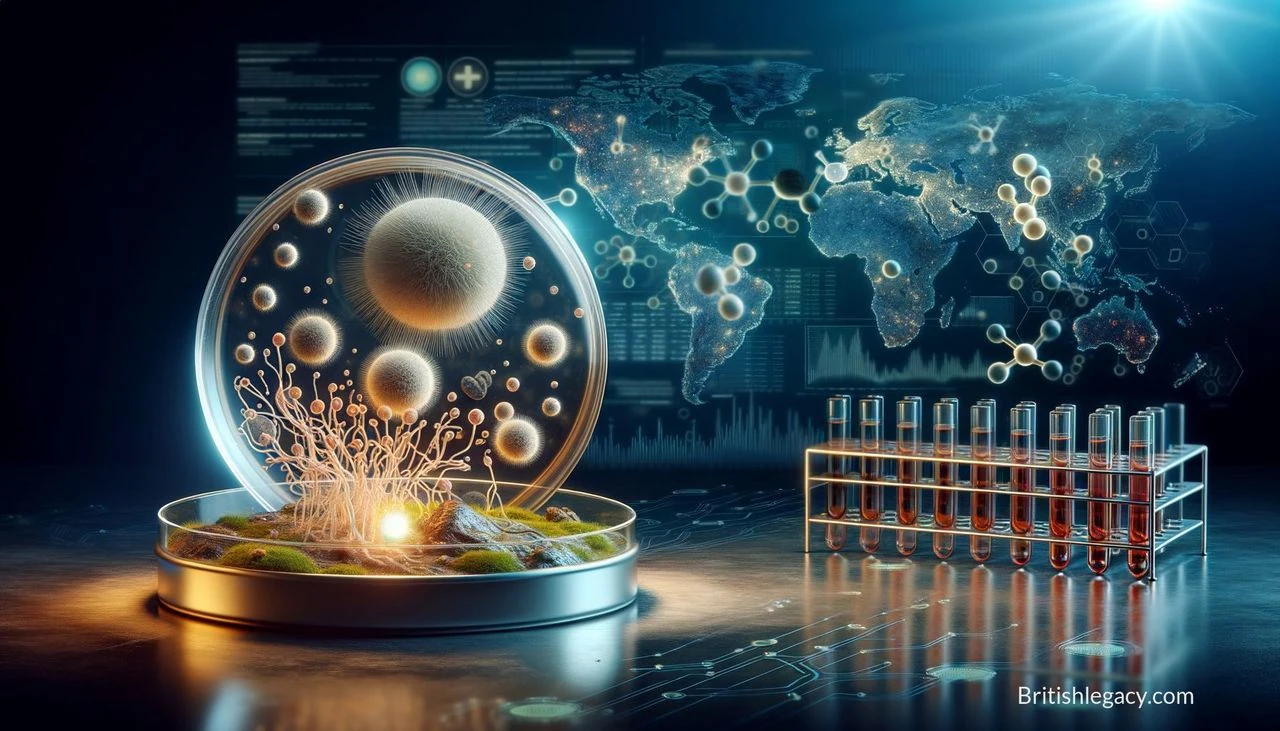
From Fleming’s London laboratory to Oxford’s trials and British production, the medicine that changed the treatment of infection
Read the entry
How an RAF officer from Coventry helped turn a difficult idea into a practical British technology
Read the entry
Wedgwood showed that light could make an image; Talbot made images reproducible, while Herschel helped photographs endure.
Read the entry
A Leeds experiment with carbon dioxide produced soda water and helped establish the principle behind a worldwide family of fizzy drinks.
Read the entry
How Isaac Newton turned motion into a mathematical language, and why the framework he published in Britain still helps explain the moving world.
Read the entry
A London experiment in 1821 showed that electricity could produce continuous motion, opening a path towards the powered machines of modern life.
Read the entry
The first public cash machine opened at a Barclays branch in Enfield in 1967. Its story, and the British innovations that followed, is one of practical invention, security and changing everyday habits.
Read the entry
A Scottish physician’s practical approach to delivering morphine helped establish a tool that now serves treatment and public health.
Read the entry
Built in Cambridge, Newton’s compact reflector offered a practical answer to the colour distortion of early refractors and helped establish the telescope design used in modern observatories.
Read the entry
The Sunderland chemist whose work helped bring incandescent electric light into British homes, theatres and industry
Read the entry
How Clive Sinclair’s affordable British computer brought programming and games within reach of households, and made computing something owners could explore for themselves.
Read the entry
He did not invent steam traction from nothing. He helped make it practical on the railways that reshaped Britain.
Read the entry
A foggy drive in Halifax inspired a road reflector designed to help motorists read the route in darkness and poor weather.
Read the entry
How Edwin Beard Budding of Stroud adapted textile machinery to make close-cut lawns practical.
Read the entry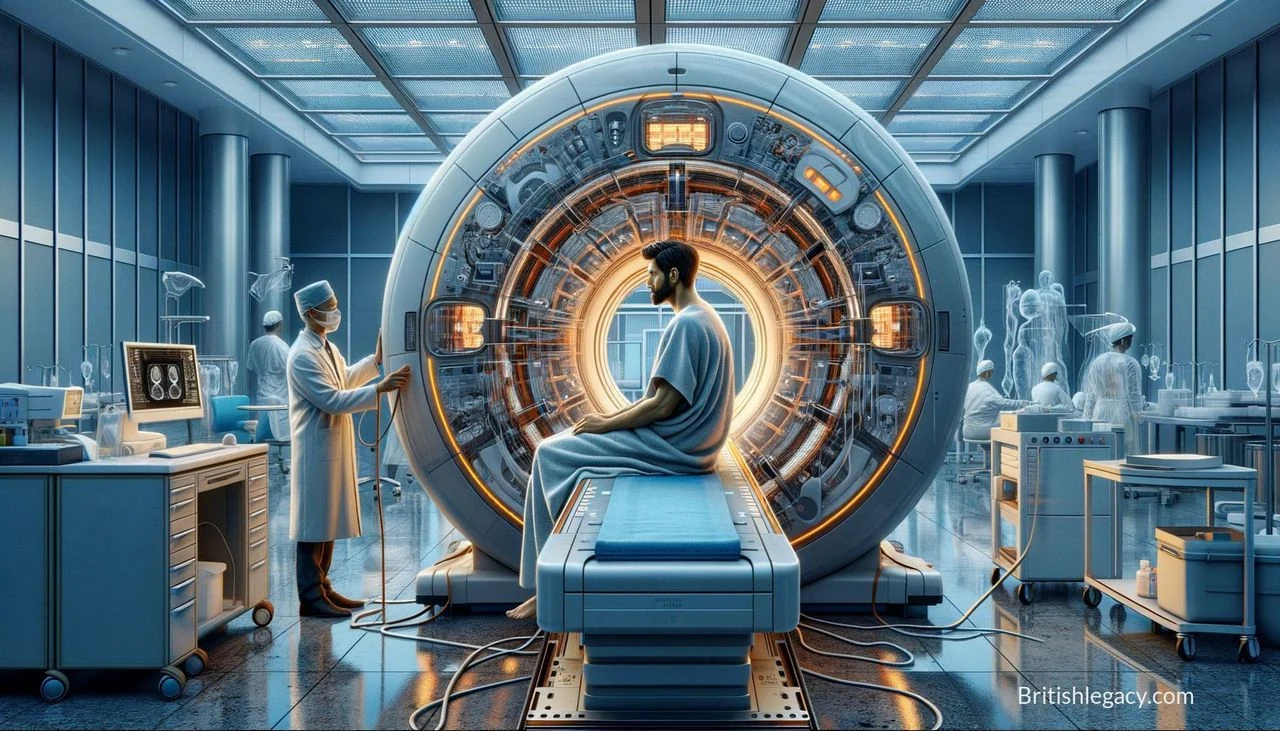
How a London-born physicist’s work at Nottingham helped turn magnetic resonance into a tool for seeing inside the body.
Read the entry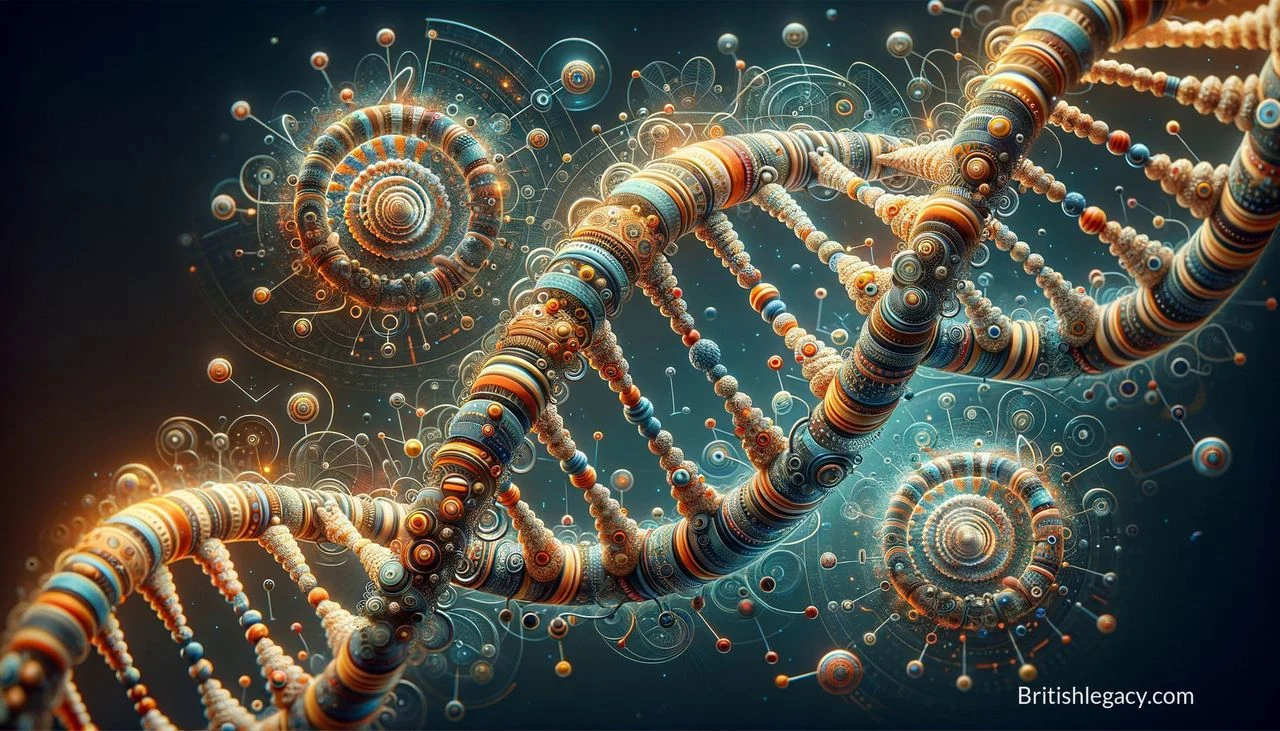
How work centred on Cambridge, with Rosalind Franklin’s crucial evidence, gave genetics a defining model.
Read the entry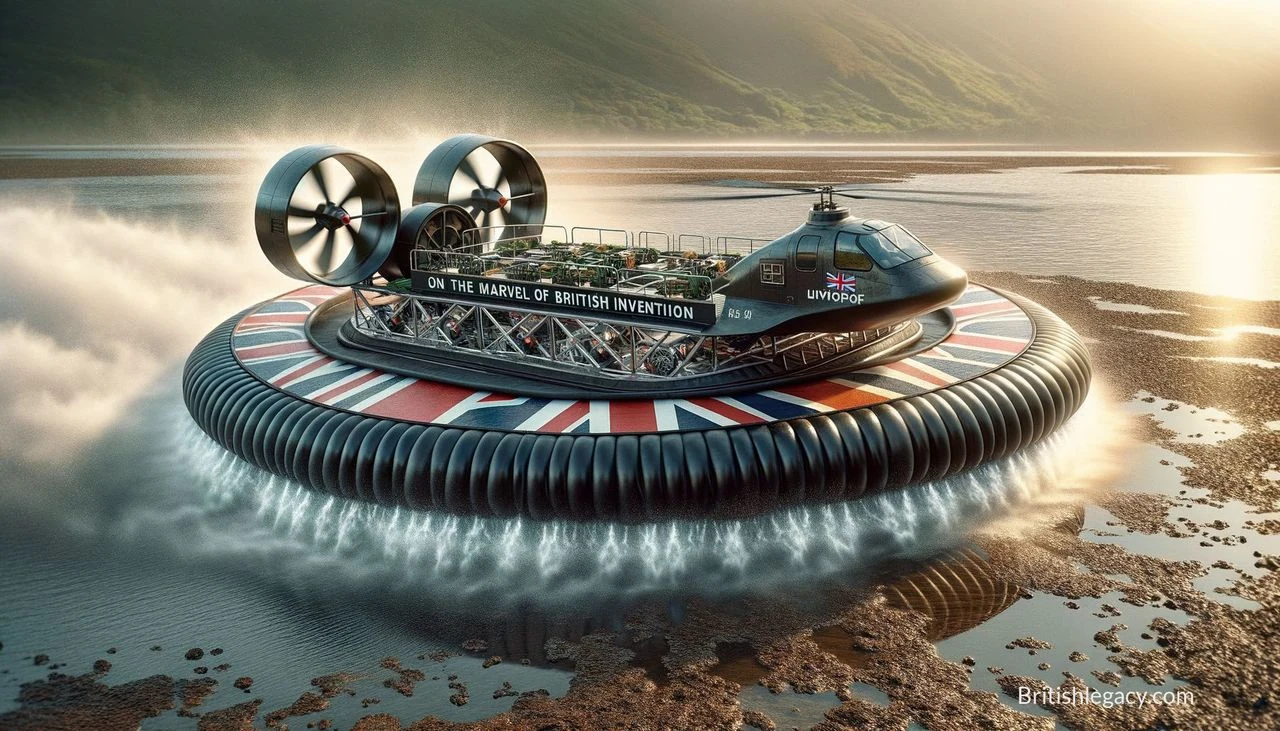
How Christopher Cockerell and a team of British engineers turned an air-cushion idea into a practical vehicle for crossing water, mud and shore.
Read the entry
She did not invent the first contraceptive pill. Richardson’s work as an ICI chemist helped produce tamoxifen, a drug that became an important treatment for breast cancer.
Read the entry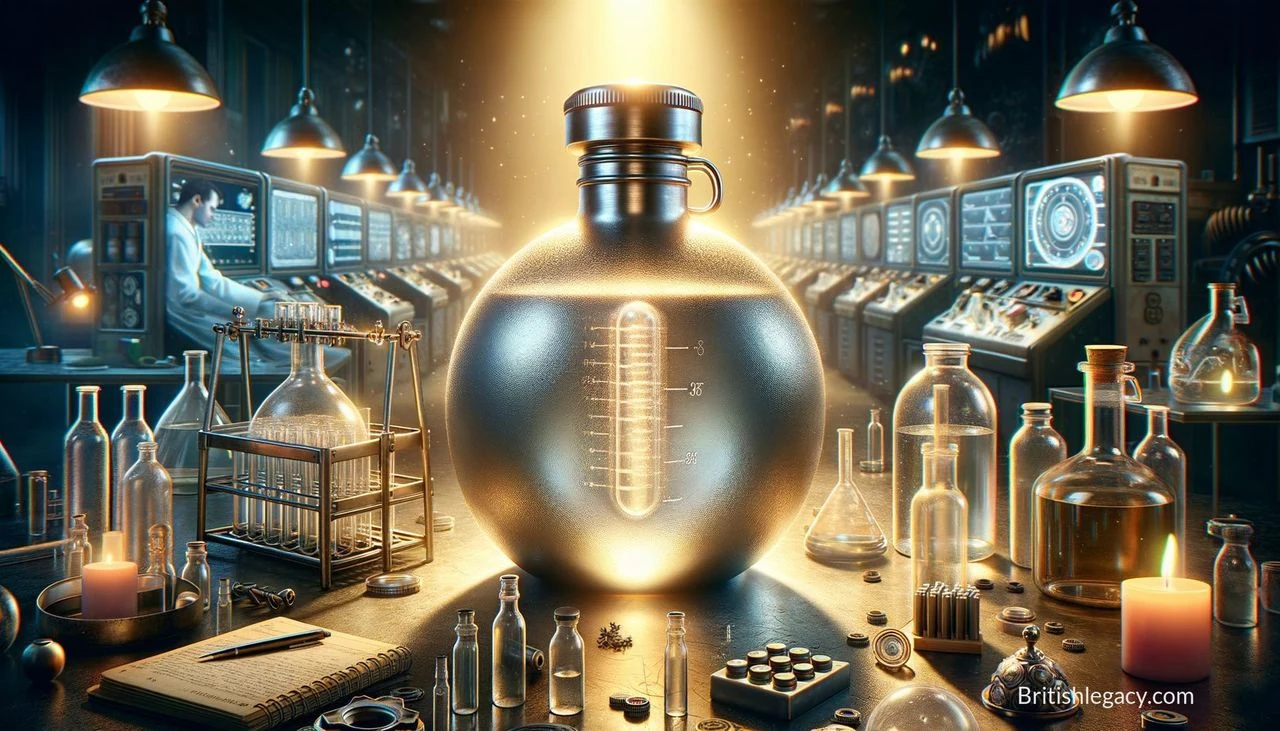
How a Scottish scientist’s answer to a problem in cryogenics became a familiar part of everyday life.
Read the entry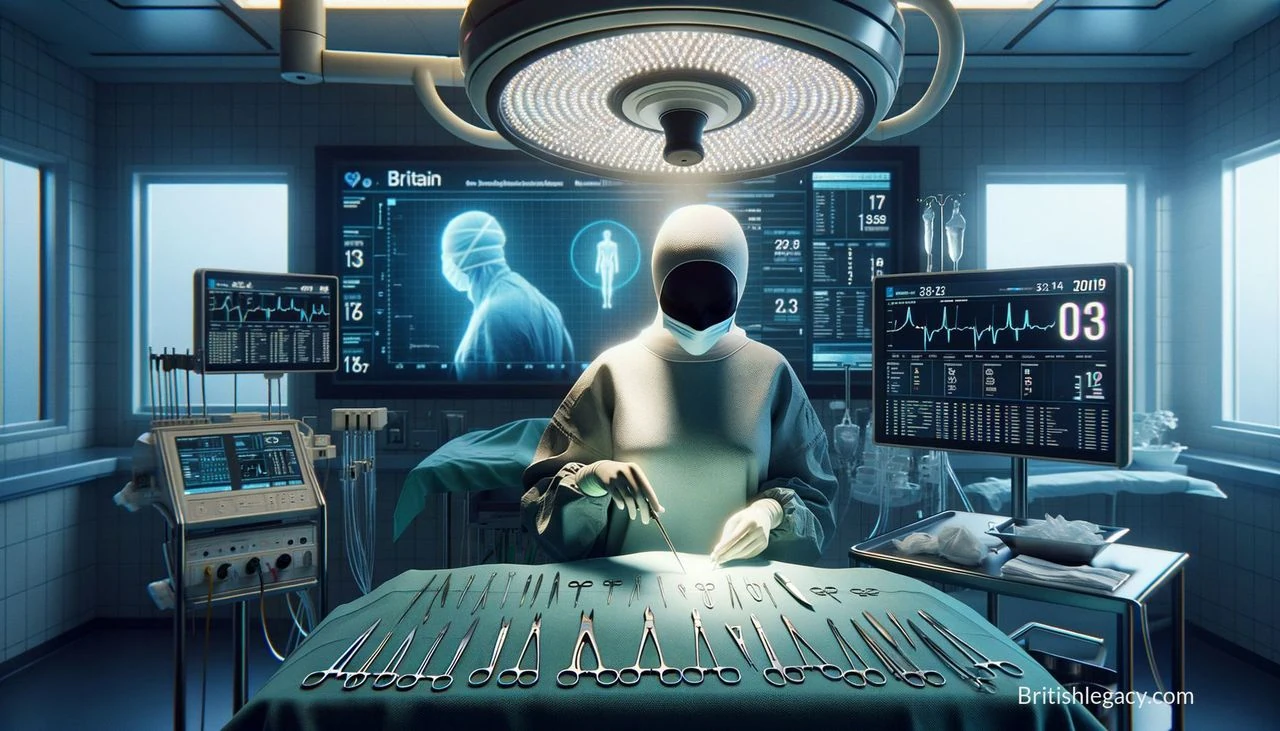
How a British surgeon applied germ theory to surgical practice and helped reduce the danger of infection.
Read the entry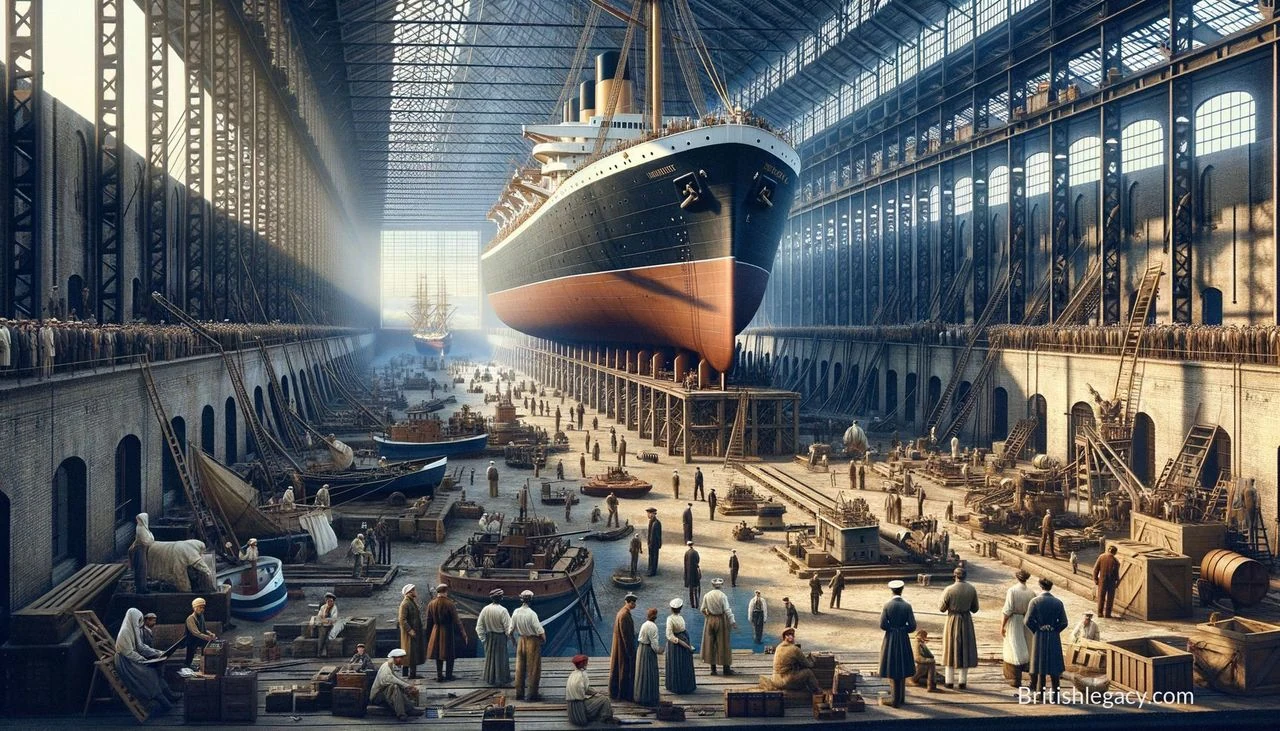
How a mobile platform for lifting ships out of the water offered a practical answer to the demands of repair, naval readiness and trade.
Read the entry