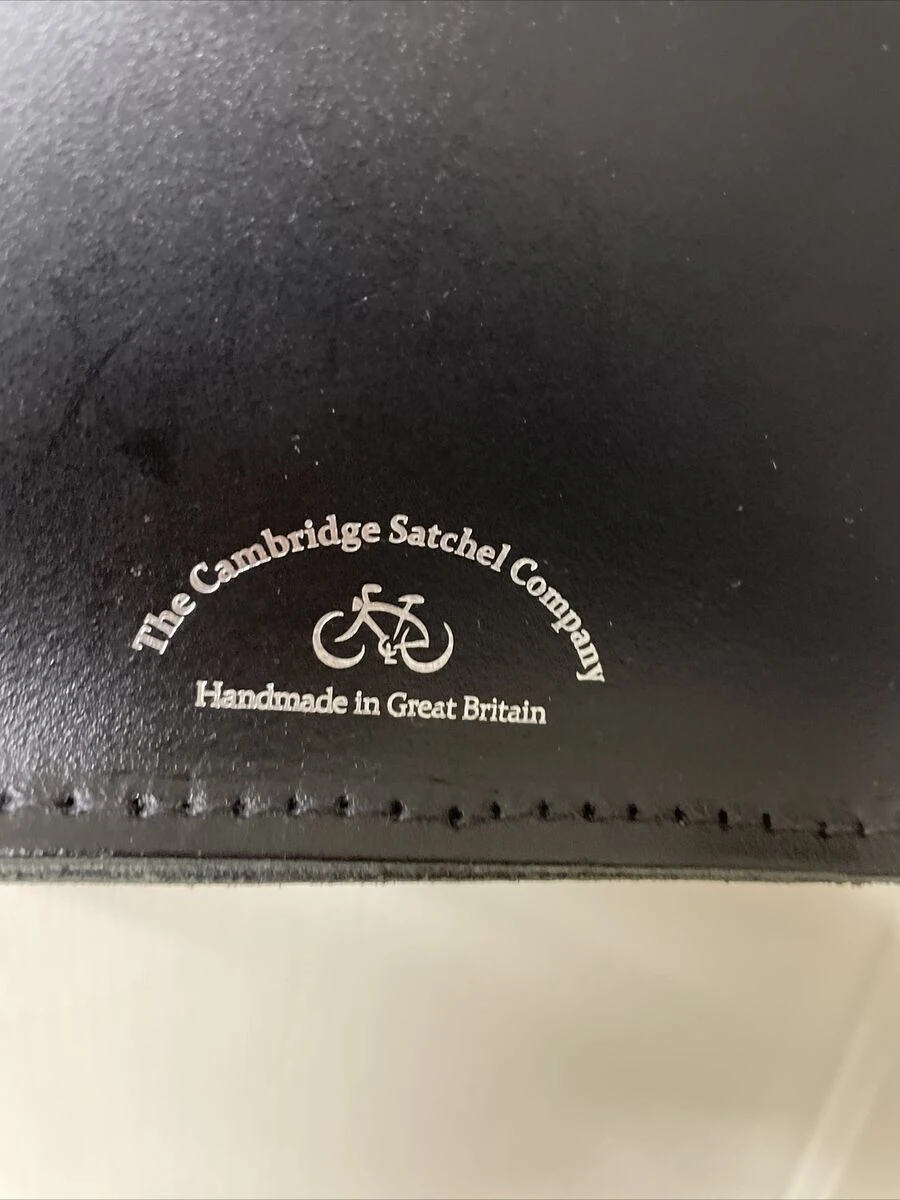
The Cambridge Satchel Company began with a practical problem: Julie Deane wanted a durable, timeless schoolbag for her children. In 2008, she and her mother, Freda Thomas, set out to make traditional leather satchels in Cambridge, starting with £600 and the aim of helping pay the children’s private school fees. The bags were intended for school use. Their unexpected success as fashion accessories took the business well beyond that original purpose.
A schoolbag with a clear brief
Deane described the look she wanted by invoking the school uniform and satchel she associated with Harry Potter and Hogwarts. The resulting colourful leather bags drew on an original Oxford and Cambridge satchel design. Their traditional shape gave the product a distinct identity, while its appeal was not confined to school pupils.
The company’s beginnings were deliberately small. Deane and Thomas had £600 to start with, and their original commercial aim was to generate enough income to meet school fees. That modest starting point is important to the story, but it should not obscure what followed: a sudden increase in orders, growth in production and sales beyond Britain. The early operation had to respond to demand that substantially exceeded the scale at which the bags had first been made.
From homemade production to international orders
An early turning point came in 2009, when the satchel appeared in The Guardian’s Christmas Gift Guide as a men’s accessory. The feature prompted what was described as an avalanche of orders. That attention helped move the company from a small, homemade operation towards a much larger production business.
International fashion-magazine coverage and a collaboration with Comme des Garçons added to the company’s visibility. Production rose from three homemade bags a week to 1,500 in 2011. The same year, turnover was reported to have increased from £15,000 to an estimated £8 million. These figures describe a striking change in scale over a short period, while showing how publicity, collaboration and the capacity to fulfil orders became linked parts of the company’s growth.
Manufacturing expanded in Britain alongside the new demand. The company established its own factory near Leicester and, by 2011, was making more than 3,000 bags a week in the UK and selling to 86 countries. By 2014 it was making 500 bags a day; sales in 2013 were reported at £13 million. Together, these milestones trace a business that moved from a few handmade items each week to high-volume production, while retaining the satchel as its central product.
New customers and changing retail
The satchel’s original purpose did not dictate who would buy it. Its success as a fashion accessory brought an audience beyond schoolchildren, including fashion bloggers. The bags were based on a familiar design, but colourful leather and growing fashion interest helped give that design a new place in the market.
The business also moved beyond online and wholesale reach into physical retail. It opened its first shop in 2013. By 2015, it had four stores in the United Kingdom. That year it launched its first line aimed exclusively at men, following an earlier emphasis on women, and opened its first shop specifically targeted at men. These decisions mark a change in how the company presented and sold its products: from a schoolbag-led proposition to a range and retail presence addressing different customers.
The supplied Wikipedia article describes the company as a private retail business serving customers worldwide, with leather goods as its products and Chargeurs as its parent. It lists six stores and names Vincent Perriard among its key people. These details offer a later snapshot, rather than a full account of the company’s subsequent ownership or operations.
What the record supports
The available account provides concrete detail about the company’s founding purpose, product, production growth, international reach and move into shops. It also records how a schoolbag design became a fashion item and how the business adjusted its offer, including with a men’s range. Those details support a history of commercial development more clearly than broad claims of inevitable success or national symbolism.
The earlier supplied article describes the bags as handmade from fine leather, mentions features such as shoulder straps and magnetic closures, and makes claims about sustainability and the company’s continuing plans. The Wikipedia text does not establish those product and sustainability details or confirm those future-facing statements, so they are not presented here as established facts. The evidence does record the company’s factory near Leicester and production in the UK in 2011; it does not justify treating every bag, or every later stage of production, as British-made.
Why The Cambridge Satchel Company deserves a place in British Legacy
The Cambridge Satchel Company merits a place in British Legacy because its story connects a recognisable British schoolbag tradition with a specific act of entrepreneurship. Julie Deane and Freda Thomas began in Cambridge with £600 and a practical objective: making a durable bag for Deane’s children while helping meet their school fees. The product’s subsequent appeal as a fashion accessory was not simply a matter of repeating a traditional design. It changed the scale and audience of the business, attracting attention from a newspaper gift guide, international fashion magazines and a collaboration with Comme des Garçons.
The company’s growth also has a tangible manufacturing dimension. Production expanded from three homemade bags a week to more than 3,000 a week in the UK by 2011, with a factory near Leicester and sales in 86 countries. Those figures show how a small British venture developed the capacity to make and sell at international scale. Its first shop, later UK stores and men’s line record further changes in how it reached customers. This is a worthwhile British business story not because the company represents all British manufacturing, but because its documented path shows how a traditional product found new buyers and how growing demand led a small operation to build production and retail capacity in Britain.
Sources
Cambridge Satchel Company — Wikipedia revision 1356438914 · Cambridge Satchel Company — Wikipedia
Adapted in part from Cambridge Satchel Company by Wikipedia contributors, under CC BY-SA 4.0. Text has been edited and combined with the existing article; this adapted text is shared under the same licence. Contributor history.