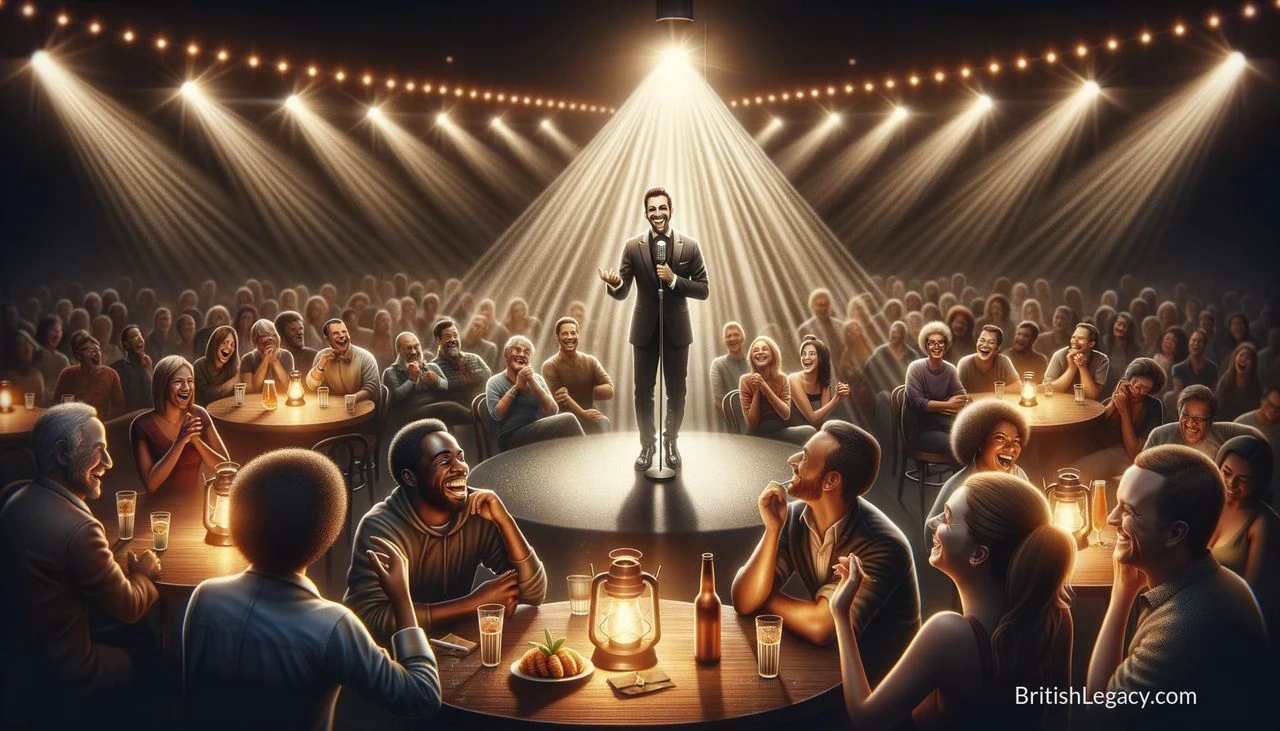
Alan Carr’s route to television began not with a chat show but on Manchester’s comedy circuit. After moving north to pursue comedy, he spent five years working in a call centre while performing in his spare time. In 2001, he won the City Life Best Newcomer of the Year award and a BBC New Comedy Award. Those early years on stage preceded the television work that made him a familiar British broadcaster: co-presenting The Friday Night Project, then hosting Alan Carr: Chatty Man.
From Weymouth to the comedy circuit
Alan Graham Carr was born in Weymouth, Dorset, on 14 June 1976, the elder son of Christine and Graham Carr. He spent most of his childhood in Northampton and attended Weston Favell Upper School. His father, Graham, managed Northampton Town and later worked as Newcastle United’s chief scout. Carr went on to study Drama and Theatre Studies at Middlesex University, graduating with a 2:1 BA (Hons) degree.
In his early twenties, Carr moved to Manchester with ambitions to become a comedian. He lived in Chorlton-cum-Hardy and later Stretford, places he has cited as inspiration for his work. Comedy was not immediately a full-time living: for five years, he worked in a call centre and performed on the circuit in his spare time. He became a regular at Manchester comedy nights, met fellow comedians including Jason Manford, Justin Moorhouse and John Bishop, and ran a monthly comedy and cabaret night, Alan Carr’s Ice Cream Sunday, at the Manchester Comedy Store.
The awards he won in 2001 marked an early professional breakthrough. Carr continued performing live, including at the Edinburgh Festival, and in 2007 toured the UK with Tooth Fairy. The tour was followed by a live DVD recorded at London’s Hammersmith Apollo. His later tours included Spexy Beast, Yap, Yap, Yap!, Not Again, Alan! and Regional Trinket. He also appeared on BBC One’s Live at the Apollo and performed at the Royal Variety Performance, bringing his stand-up beyond the club circuit.
From The Friday Night Project to Chatty Man
Carr’s television career began to take shape in the mid-2000s. After an appearance on the panel show 8 Out of 10 Cats in 2005, he co-presented The Friday Night Project with Justin Lee Collins from its second series in 2006. The Channel 4 comedy-variety show gave him a prominent role alongside a fellow comedian, rather than presenting him solely as a stand-up. It ran until 2009. Carr also hosted two series of Alan Carr’s Celebrity Ding Dong, an entertainment show that ran from 2007 to 2009.
In 2009, he began hosting Alan Carr: Chatty Man. The celebrity chat show ran for 16 series between 2009 and 2016, with Christmas specials in 2016 and 2017. Its combination of interviews and comedy made Carr the central presence: a comedian hosting a conversation, not simply a succession of questions. The programme earned him three National Television Awards for Best Chat Show Host and a BAFTA TV Award for Best Entertainment Performance in 2013. He received the British Comedy Award for Best Comedy Entertainment Personality in 2008 and again in 2013.
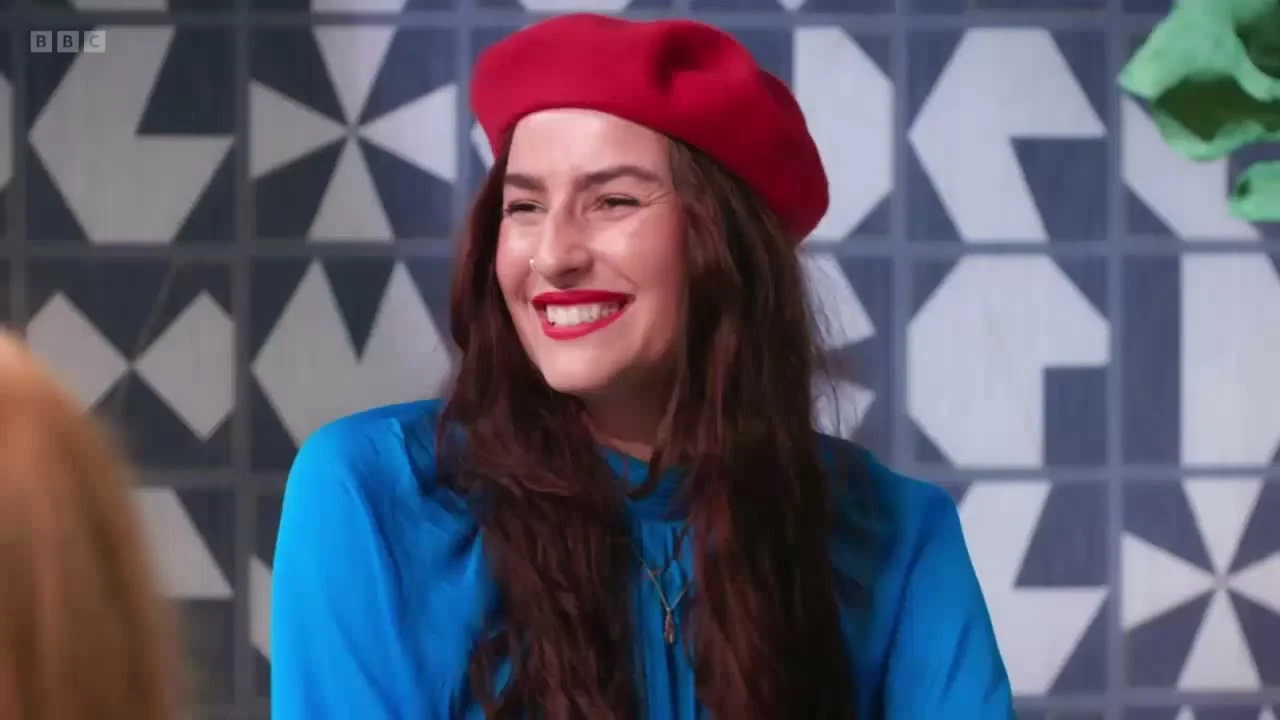
Chatty Man was one part of a wider television career. Carr captained teams on 8 Out of 10 Cats Does Countdown and became a judge on RuPaul’s Drag Race UK. He has presented Interior Design Masters with Alan Carr and co-presented Amanda and Alan’s Italian Job with Amanda Holden. In Changing Ends, a sitcom drawing on his Northampton childhood, he has worked as a writer and executive producer as well as appearing on screen. His television roles have ranged from panel shows and competition programmes to hosting and scripted comedy.
Radio, books and comedy beyond the studio
Carr also worked in radio. He made his BBC Radio 2 presenting debut with Alan Carr’s Christmas Box in 2007 and later presented other programmes for the station. In 2009 he began hosting the Saturday evening show Going Out with Alan Carr, initially alongside Emma Forbes and later with Melanie Sykes. He left in 2012 to concentrate on Chatty Man. He returned to the station for later presenting work, including Summer Escapes with Sykes, which ran in seasonal series from 2017 to 2020.
In 2008, Carr published Look Who It Is!, an autobiography that covers his upbringing and his early path towards presenting The Friday Night Project. He followed it with Alanatomy: The Inside Story in 2016. The existence of the books adds another strand to a career in which personal material has appeared across formats, from stand-up and television to writing. His live work has remained part of that career even as television brought a much larger audience.
Carr has said that he does not consider being gay a focal point of his comedy. In a 2008 interview, he described himself as a comedian first and questioned the assumption that a gay person on television must act as a role model. That position sits alongside his openness about his sexuality, rather than making it the defining subject of his work. His personal life has also included his marriage to Paul Drayton in 2018; the couple announced their separation in 2022.
Why Alan Carr deserves a place in British Legacy
Alan Carr’s place in British Legacy rests on a specific contribution to British entertainment: he carried a career built in comedy clubs into several of the country’s most recognisable television formats. The Manchester circuit gave him the stage experience behind his style of presenting; The Friday Night Project established him as a television comedy performer, and Chatty Man gave him a sustained run as a host. Its 16 series and associated specials represent a substantial chapter in British television, while the awards for his work record the industry recognition it received.
His career has not been confined to one programme or medium. Carr has performed stand-up across the UK, presented for BBC Radio 2, written two books and taken on roles as a judge, team captain, presenter, writer and executive producer. That range matters because it shows how a comedian can move between live performance and broadcast entertainment without leaving comedy behind. Carr’s account of his own sexuality, meanwhile, resists the expectation that a performer must stand for a single identity or cause. His legacy is not a claim to represent every strand of British comedy; it is the documented work of a comedian whose route from Manchester stages to long-running television helped make him a distinctive part of it.
Sources
Alan Carr — Wikipedia, revision 1379748070
Adapted in part from Alan Carr by Wikipedia contributors, under CC BY-SA 4.0. Text has been edited and combined with the existing article; this adapted text is shared under the same licence. Contributor history.