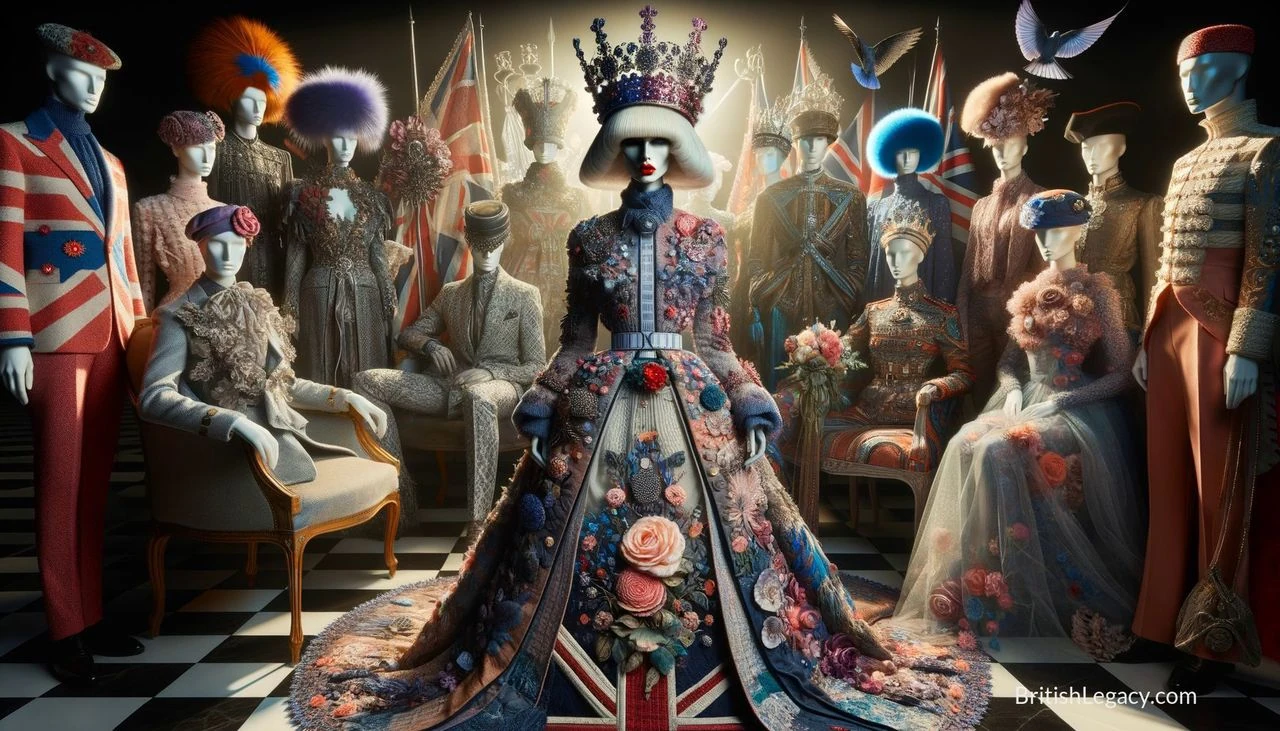
Lee Alexander McQueen built a career from a striking combination: the exacting cut of Savile Row tailoring and a restless appetite for spectacle. His collections could turn a catwalk into a stage for history, nature, technology and unease. The results were not always comfortable viewing, but they made fashion a place for storytelling and argument as well as clothes. From his East London beginnings to international acclaim, McQueen reshaped what a British designer’s show could be.
Learning the craft, then finding his own voice
McQueen was born on 17 March 1969 at University Hospital Lewisham in London, the youngest of six children. His father, Ronald, was a taxi driver and his mother, Joyce, a social science teacher. He attended Carpenters Road Primary School and Rokeby School. Interested in clothes from an early age, he made dresses for his sisters. He left school at 16 in 1985, with one O-level in art, and studied tailoring at Newham College.
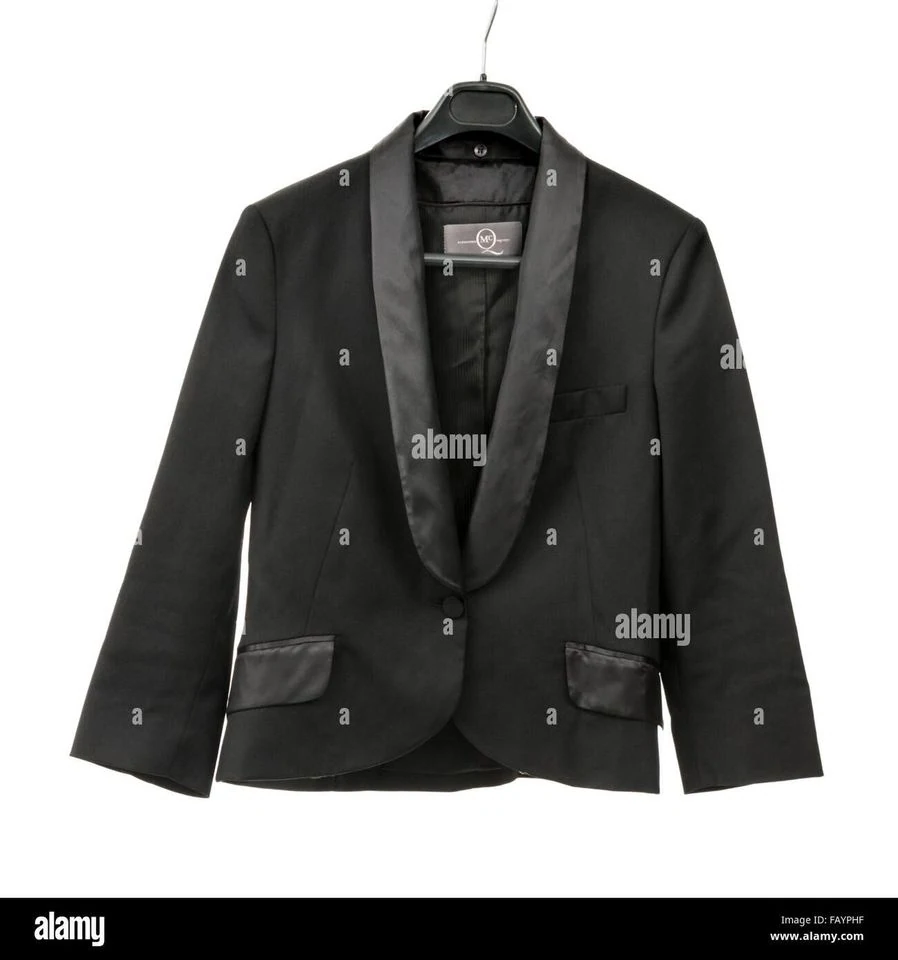
He served an apprenticeship in coat-making at Anderson & Sheppard on Savile Row, then worked briefly as a pattern cutter at Gieves & Hawkes. The skills he acquired there—precision, structure and control of a silhouette—remained central to his work. He later worked for theatrical costumiers Angels and Bermans, as well as designers Koji Tatsuno and Red or Dead, before travelling to Milan to join Romeo Gigli’s studio in 1990.
Back in London, McQueen sought a place on the fashion MA at Central Saint Martins. He arrived with a portfolio and sample clothes, seeking work teaching pattern cutting; instead, the course’s head, Bobby Hillson, accepted him as a student. McQueen graduated in 1992 with a collection titled Jack the Ripper Stalks His Victims. Fashion editor Isabella Blow bought the collection in its entirety and became his mentor and promoter, helping him meet collaborators and gain attention in the industry.
Early collections and a controversial breakthrough
McQueen began his own label in 1992 and presented Taxi Driver in 1993, introducing the low-rise trousers he called “bumsters”. His first professional runway show followed in 1994 with Nihilism. From the start, he used clothes, casting and staging to unsettle expectations. The shows attracted notice for their shock tactics, but also for the skill and intention behind the garments.
His sixth collection, Highland Rape (Autumn/Winter 1995), made his name. Inspired by the Highland Clearances, it featured torn and slashed clothes, some marked with bleach or theatrical blood. Some viewers interpreted the collection as misogynistic, while McQueen said it addressed England’s historical treatment of Scotland and challenged romanticised images of Scottish culture. The dispute is important to the collection’s history: its title and imagery provoked sharply different readings, rather than delivering a single, uncontested message.
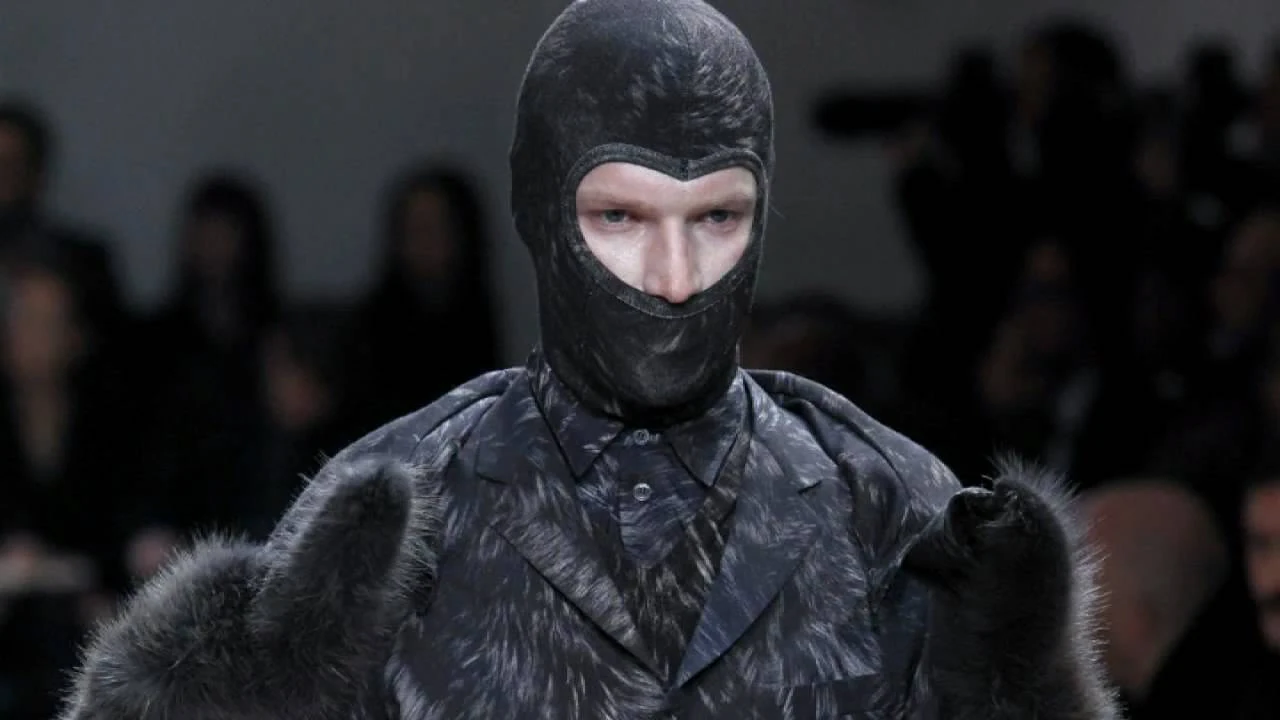
McQueen’s work repeatedly drew on historical and cultural references, but rarely as simple illustration. Collections including Dante and The Birds made narrative and atmosphere part of the fashion presentation. His shows developed as carefully staged events, often with confrontational images or a dramatic finale. That theatrical approach could amplify the clothes, while exposing them to debate about the meanings of the images and bodies on the runway.
Givenchy, his own label and the runway as theatre
In 1996, McQueen was appointed head designer at Givenchy, succeeding John Galliano. His first collection for the Paris house drew on Greek mythology, but received a mixed critical response. He continued designing for Givenchy until his contract ended in 2001. The appointment placed a young British designer in a major French couture house; the tension between its established traditions and his own ambitions became part of his career rather than a reason to abandon his approach.
Alongside his work for Givenchy, McQueen’s own label continued to develop. In 2000, Gucci Group acquired 51 per cent of his company, with McQueen remaining its creative director. The partnership supported international expansion, including boutiques and new product lines. His brand’s growth was therefore not a sudden founding in 2001: it followed the label he had started in 1992 and a significant business agreement the year before.
McQueen’s runway productions became especially memorable for their combination of design, performance and technology. In No. 13 (Spring/Summer 1999), model Shalom Harlow was spray-painted by industrial robotic arms. For Voss (Spring/Summer 2001), a glass chamber and a final tableau transformed the show into a deliberately unsettling piece of fashion theatre. The 2006 Widows of Culloden show concluded with a life-sized illusion of Kate Moss, appearing within a glass structure. These spectacles did not replace the clothes: they made presentation itself part of the work.
McQueen’s designs could also travel beyond the runway. The low-rise “bumsters” became a recognisable signature, while a skull-motif scarf introduced in 2003 became one of his best-known accessories. He designed for musicians, including David Bowie and Björk, and created costumes for other performance contexts. His range included menswear, introduced as a separate collection in 2004, and the lower-priced McQ line, launched in 2006.
A final collection and an afterlife in exhibitions
Plato’s Atlantis, shown in Paris in October 2009, was McQueen’s final fully realised mainline collection. It explored a future in which rising seas forced human beings to adapt to underwater life, bringing together digital prints, elaborate construction and distinctive armadillo shoes. The presentation used robotic cameras to project images of the show and audience. It brought the concerns with nature, technology and transformation that ran through his work into a single collection.
McQueen died in London on 11 February 2010, aged 40. His final collection was unfinished; his design team completed the pieces that were ready for presentation, and the collection was shown in Paris in March. His long-time collaborator Sarah Burton was appointed creative director of the label in May 2010. The brand is now owned by Gucci, and remains active; McQueen’s individual role and the label’s later history should not be conflated.
The Metropolitan Museum of Art in New York presented Savage Beauty in 2011. The exhibition later travelled to the Victoria and Albert Museum in London in 2015, where it sold more than 480,000 tickets, then a record for the museum. A further exhibition, Lee Alexander McQueen: Mind, Mythos, Muse, opened in 2022, setting his designs alongside works and objects from museum collections. These exhibitions have allowed audiences to encounter the garments as constructed objects and imaginative works, not only as images from famous shows.
Why Alexander McQueen deserves a place in British Legacy
McQueen’s place in British Legacy rests on a specific achievement: he carried the technical discipline of British tailoring into a fashion language that was theatrical, provocative and unmistakably his own. His Savile Row training gave him command of cut and construction; his collections used that command to make clothes that could carry stories about Scottish history, nature, sexuality and the body. The result widened the possibilities of British fashion without severing it from the craft traditions on which his career began.
His importance also lies in how he changed the relationship between a collection and its presentation. The robotic finale of No. 13, the staging of Voss and the life-sized Kate Moss illusion in The Widows of Culloden made the runway a medium for performance and visual argument. That work brought fashion into conversation with theatre, technology and contemporary art. Its legacy is visible not as a vague claim of influence, but in the sustained public attention given to the garments and shows, including the record-setting London presentation of Savage Beauty. McQueen’s career was rooted in London, shaped by British tailoring and carried onto international stages; remembering that combination gives his story a clear and lasting place in the country’s cultural history.
Sources
Alexander McQueen — Wikipedia revision · Alexander McQueen — Wikipedia
Adapted in part from Alexander McQueen by Wikipedia contributors, under CC BY-SA 4.0. Text has been edited and combined with the existing article; this adapted text is shared under the same licence. Contributor history.