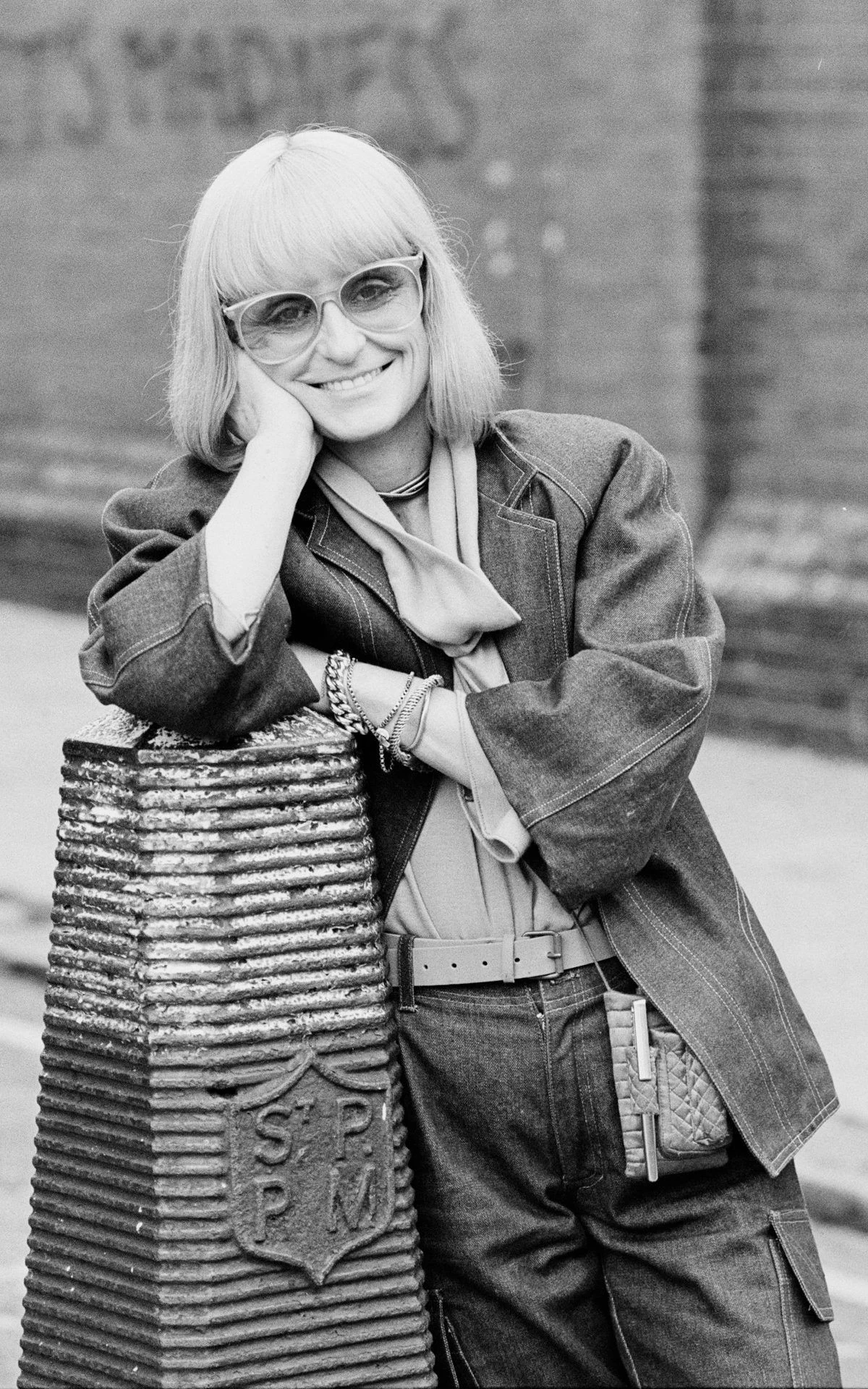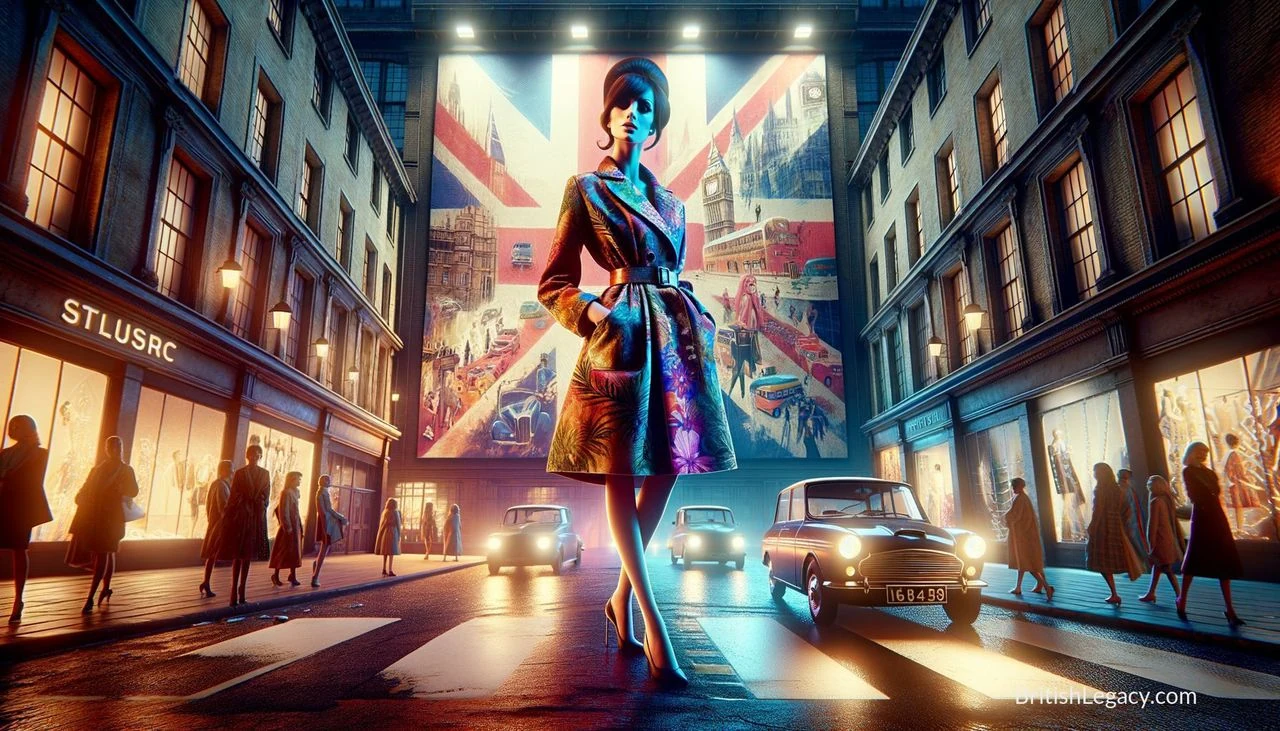
Barbara Hulanicki’s Biba began as a mail-order fashion business and became one of the best-known shops of 1960s London. Its clothes brought an individual, richly coloured style to customers beyond the traditional luxury market, while its Kensington shop made shopping itself part of the experience. Hulanicki’s story links design with a broader change in British fashion: the growth of youth culture and a more accessible idea of style.
From Warsaw to fashion illustration
Hulanicki was born in Warsaw, Poland, on 8 December 1936. She moved to the United Kingdom when young and studied at Brighton School of Art after winning a scholarship for her illustration. The existing account also describes the assassination of her father as an influence on her sensibilities; it gives no further detail, so the episode cannot be explained more fully here.
Illustration provided a foundation for her work in fashion, where a strong visual identity could be carried across clothes and the places in which they were sold. In 1963, Hulanicki and her husband, Stephen Fitz-Simon, began a mail-order business. This was the starting point for Biba, before it had a permanent shop or the scale that would later make the name familiar.
A dress, a shop and a distinctive look
The business’s early success came with a pink gingham dress modelled by Brigitte Bardot. The account says that more than 17,000 were sold. In 1964, Hulanicki and Fitz-Simon opened Biba’s first boutique on Abingdon Road in Kensington. The move from mail order to a physical shop gave customers a place to encounter the label’s clothes and atmosphere together.
Biba’s look combined Art Deco references with velvet and satin, while its prices were presented as accessible rather than reserved for the wealthy. Dark walls and velvet drapes gave the shop a theatrical character. It offered an alternative to conventional retail: a visit could feel like entering a designed world, not simply choosing an item from a rack. The clothes and the setting worked together to give Biba a recognisable identity.
The Kensington shop also attracted figures from music and fashion, including Mick Jagger, Twiggy and Marianne Faithfull. Its customers included more than celebrities, and the combination helped make the shop a social destination as well as a place to buy clothes. Biba’s appeal aligned with a period in which youth culture and individuality were gaining visibility. The label’s contribution was not just a particular silhouette or fabric, but an approach that joined affordable fashion to a strong retail experience.
Beyond Biba
Biba’s success did not prevent business difficulties. In 1975, financial problems and disagreements with business partners led Hulanicki to relinquish control of the brand. The account describes this as the end of Biba, although it does not explain the company’s subsequent arrangements. The distinction matters: Hulanicki’s departure from control is not the same claim as a detailed account of every later use of the name.
After Biba, Hulanicki worked in interior design, including projects for hotels, resorts and private homes. The move extended her interest in visual environments beyond clothing and the shop floor. In 2012, she received an OBE for services to fashion. That honour recognised a career whose most prominent chapter had begun with a mail-order business and a single London boutique.
Why Barbara Hulanicki deserves a place in British Legacy
Hulanicki’s place in British fashion history rests on the way Biba brought design, retail and atmosphere into one proposition. The label’s clothes combined distinctive references and materials with an emphasis on affordability; its Kensington boutique turned that offer into an immersive experience. This helped make fashion feel less remote from the customers who encountered it, at a time when youth culture and individual expression were becoming more visible. Biba’s significance lies in that connection between a recognisable style and a different kind of access to it.
Her British legacy is also rooted in the setting and reach of the work. A Polish-born designer established a London label whose shop became a meeting point for shoppers, musicians and models, and whose influence is remembered through the changing relationship between fashion and popular culture. Hulanicki later applied her visual practice to interiors, while her OBE acknowledged her services to fashion. Remembering her through Biba preserves a specific story of British design: a mail-order beginning, a distinctive Kensington shop and an ambition to make fashion both expressive and available.