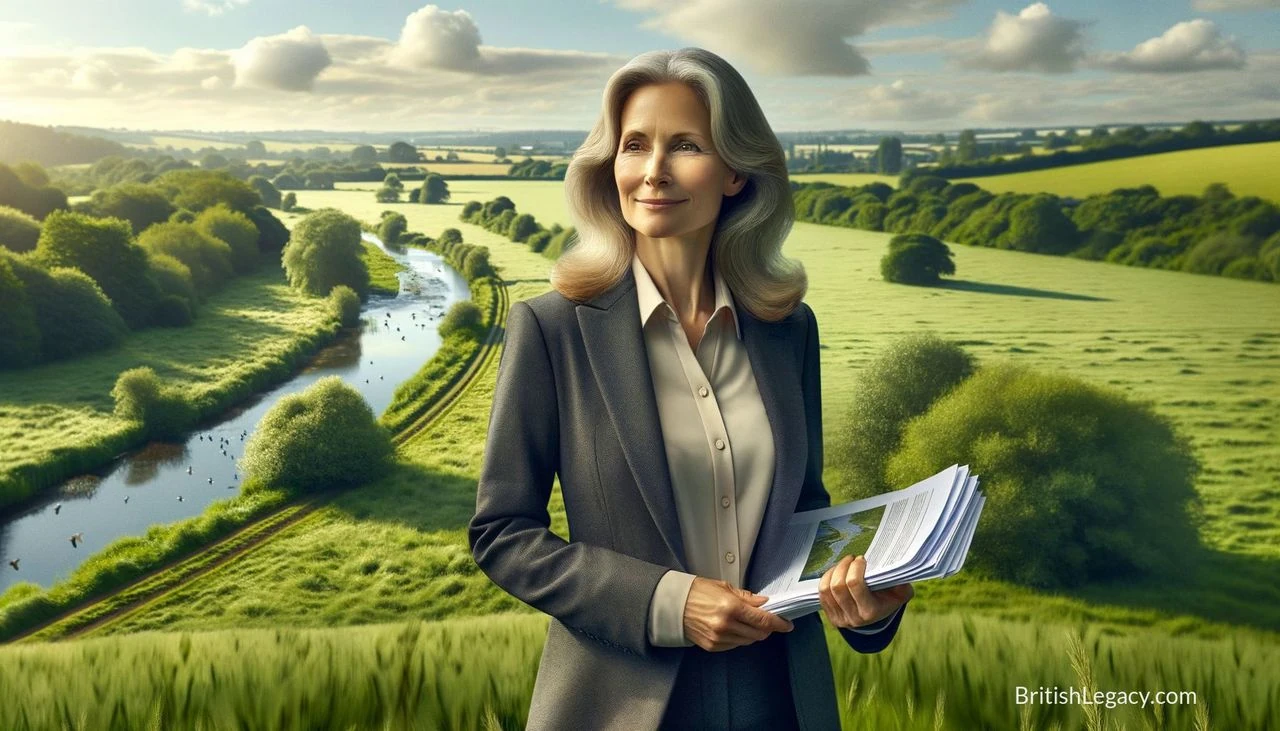
Barbara Young’s career took her from the leadership of a major conservation organisation to the chief executive’s office at the Environment Agency. Across those roles, she was associated with the protection of wildlife and habitats, the quality of air and water, flood risk and climate change. Her public profile also extended beyond executive work: appointed a life peer in 1997, she became Baroness Young of Old Scone.
Leading the RSPB
Born Barbara Scott Young in Wishaw, Scotland, on 8 April 1948, Young went on to build a career in environmental organisations. From 1991 to 1998, she served as chief executive of the Royal Society for the Protection of Birds (RSPB). The organisation’s conservation work gave her role a particular focus on wildlife and the natural places on which it depends.
The account of her time there describes the RSPB as expanding its conservation efforts under her leadership. It offers no specific projects or measures by which to assess that expansion, but the length of her tenure marks a substantial period at the head of the organisation. She led a conservation body whose remit was distinct from that of a government agency: the RSPB’s work centred on birds and their habitats, while her later post encompassed a broader range of environmental responsibilities.
That change of setting helps explain the span of Young’s career. She moved from leading a conservation organisation to heading an agency responsible for environmental matters in England. The two positions brought different institutional responsibilities, while both placed environmental protection at the centre of her working life.
At the Environment Agency
Young was chief executive of the Environment Agency from 2000 to 2008. The agency’s responsibilities included the natural environment in England. During her tenure, her work was associated with air and water quality, flood risk management and the protection of wildlife habitats. These areas range from the condition of air and water to the management of risks from flooding and the safeguarding of places where wildlife lives.
Climate change was another prominent theme. Young advocated action and emphasised policy innovation and community engagement. The combination matters: environmental policy depends on decisions made by institutions, but also on the involvement of people affected by those decisions. Her stated approach linked those elements rather than treating environmental protection as a matter for government alone.
Her wider advocacy addressed the relationship between economic activity and environmental stewardship. Young argued that the two need not be opposing aims. The areas associated with this work included renewable energy, recycling and waste reduction, and sustainable agricultural practices. Taken together, they show the range of issues covered by her public position: how energy is produced, how waste is handled and how agriculture can be practised with environmental considerations in view.
These were themes and areas of advocacy, not proof that any particular environmental improvement resulted from her leadership. The record here does not establish that Young alone brought about changes in river health, flood outcomes or public attitudes. Her executive responsibilities and the subjects she championed can be described without assigning her unsupported sole credit for wider developments.
Peerage and public life
In 1997, while she was still chief executive of the RSPB, Young was appointed a life peer and became Baroness Young of Old Scone. The appointment gave her a place in the House of Lords and an additional platform in public life. Her career thus brought together leadership of environmental organisations and participation in parliamentary public life.
The peerage fell between her two chief executive appointments: it came before her move to the Environment Agency in 2000. That chronology matters because it shows that her public role was not confined to a single organisation or period. The environmental concerns associated with her work ranged from conservation to the wider responsibilities of a public agency, while her title provided a further setting in which to take part in public affairs.
The claims that her work directly improved rivers, flood management or public awareness cannot be substantiated here. Nor are specific awards, individual policy decisions or later initiatives identified. A careful account can nevertheless describe the positions she held and the issues linked to her advocacy without treating broad claims about national outcomes as established fact.
Why Barbara Young deserves a place in British Legacy
Barbara Young’s place in British Legacy rests on a concrete record of environmental leadership. From 1991 to 1998, she led the RSPB, a conservation organisation, and from 2000 to 2008 she led the Environment Agency, whose responsibilities covered environmental matters in England. Those posts placed her at the head of institutions working at different scales: one focused on conservation, the other responsible for a wider range of environmental concerns. Her career offers a way to understand how wildlife protection, environmental management and public responsibility can intersect without being identical.
Her advocacy also connected institutional leadership to choices with long-term consequences. She supported action on climate change and argued for sustainable development, including attention to renewable energy, waste reduction and sustainable agriculture. These specific themes explain the British relevance of her work more clearly than general praise: they concern the stewardship of natural resources and the choices facing organisations and communities. Her life peerage as Baroness Young of Old Scone extended her public role into the House of Lords. Remembering her means recognising that combination of conservation leadership, agency responsibility and participation in British public life, while being careful not to credit one person with environmental outcomes the evidence does not establish.