Certainly! Here's the requested article on D.H. Lawrence.
D.H. Lawrence: Pioneering Novelist and Cultural Challenger
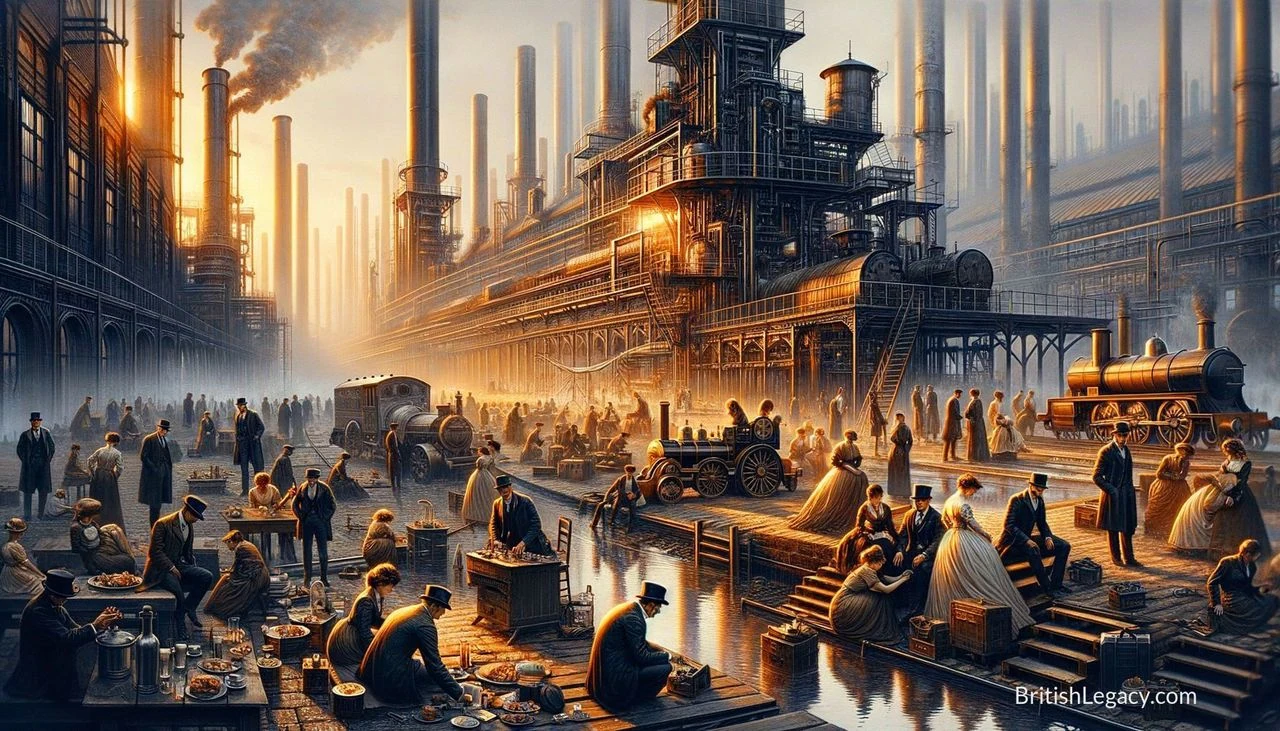
Imagine a world where literature dared to venture into the uncharted territories of human emotion, sexuality, and the gruelling reality of industrial life. Enter David Herbert Lawrence, more commonly known as D.H. Lawrence, one of the most influential and controversial British novelists of the 20th century. Born on the 11th of September, 1885, in the coal mining district of Eastwood, Nottinghamshire, Lawrence's life and work are inescapably intertwined with the rich yet tumultuous social fabric of early industrial England.
A Literary Revolutionary
D.H. Lawrence did not merely write novels; he forged new paths in literature. His works traverse the complex landscape of human relationships and social transformations, lifting the veil on topics that were hitherto deemed too taboo for public discourse. His voice was one of raw, unfiltered authenticity, making his works feel palpably real to his readers.
One cannot discuss Lawrence without mentioning "Lady Chatterley's Lover", his most acclaimed yet controversial work. Banned for its explicit content, the novel explores the physical and emotional intimacy between an aristocratic woman, Lady Chatterley, and a working-class man, her gamekeeper. At its core, the novel is a critique of industrialisation and the emotional sterility it imposed on human life. Not merely a scandalous read, it is a profound meditation on the desperate need for authentic human connection amidst a rapidly changing world.
Sons and Lovers: A Semi-Autobiographical Masterpiece
"Sons and Lovers," published in 1913, is an undisputed classic that digs deep into Lawrence’s own life experiences. The story revolves around Paul Morel, a young man whose bond with his mother stymies his ability to forge fulfilling romantic relationships. The influence of Lawrence’s own upbringing is unmistakable in this work, making it a window into his soul.
Set against the backdrop of the English Midlands, the novel paints an evocative portrait of working-class life, fraught with its inherent struggles and emotional complexities. Through Paul’s journey, Lawrence lays bare the intricate dance of familial love, industrial hardship, and individual aspirations.
Themes Ahead of His Time
Lawrence’s works are celebrated not just for their narrative brilliance but for their audacious thematic concerns. In an age when Victorian restraint still loomed large, Lawrence took bold strides in discussing human sexuality, psychological struggles, and the societal impacts of industrialisation.
Quite ahead of his time, he explored the psychological nuances of his characters with a depth that resonates with modern readers. Lawrence was unafraid to depict sexual relationships with an honesty that confronted societal norms head-on, leading to accusations of obscenity but also to a deeper appreciation for the complexities of human intimacy.
Enduring Legacy
Though Lawrence’s works were initially met with censorship and public backlash, they have since earned their rightful place in the annals of British literary heritage. "Lady Chatterley's Lover" itself was not fully published in the United Kingdom until 1960, following a highly publicised trial that ultimately marked a victory for literary freedom. The case played a monumental role in the liberalisation of publishing laws, cementing Lawrence's influence on future generations of writers and readers alike.
Despite his premature death from tuberculosis at the age of 44 in 1930, Lawrence's influence reverberates through the literary world. His exploration of the human condition, imbued with an enduring relevance, continues to captivate readers globally. Beyond his novels, his contributions also include poignant poetry, essays, and criticism, all of which testify to his multifaceted genius.
A Pillar of British Heritage
D.H. Lawrence's work is more than an ensemble of literary achievements; it is a heartfelt dialogue with the human soul and society. He implores us to look beyond the superficial, to unmask our deepest desires and fears, and to challenge the status quo. As such, Lawrence is not just a celebrated author; he is a perpetual challenger of norms, a beacon for free expression, and an indelible part of the great British legacy.
Through his audacious narratives and unwavering commitment to truth, D.H. Lawrence has firmly established his place in the pantheon of literary giants. His works remain a vibrant testament to Britain's rich cultural heritage, serving as an enduring reminder of the power of literature to enlighten, provoke, and inspire.
This article should offer a well-rounded understanding of D.H. Lawrence’s significance to British heritage, appealing both to those familiar with his works and newcomers seeking insight into his impact.