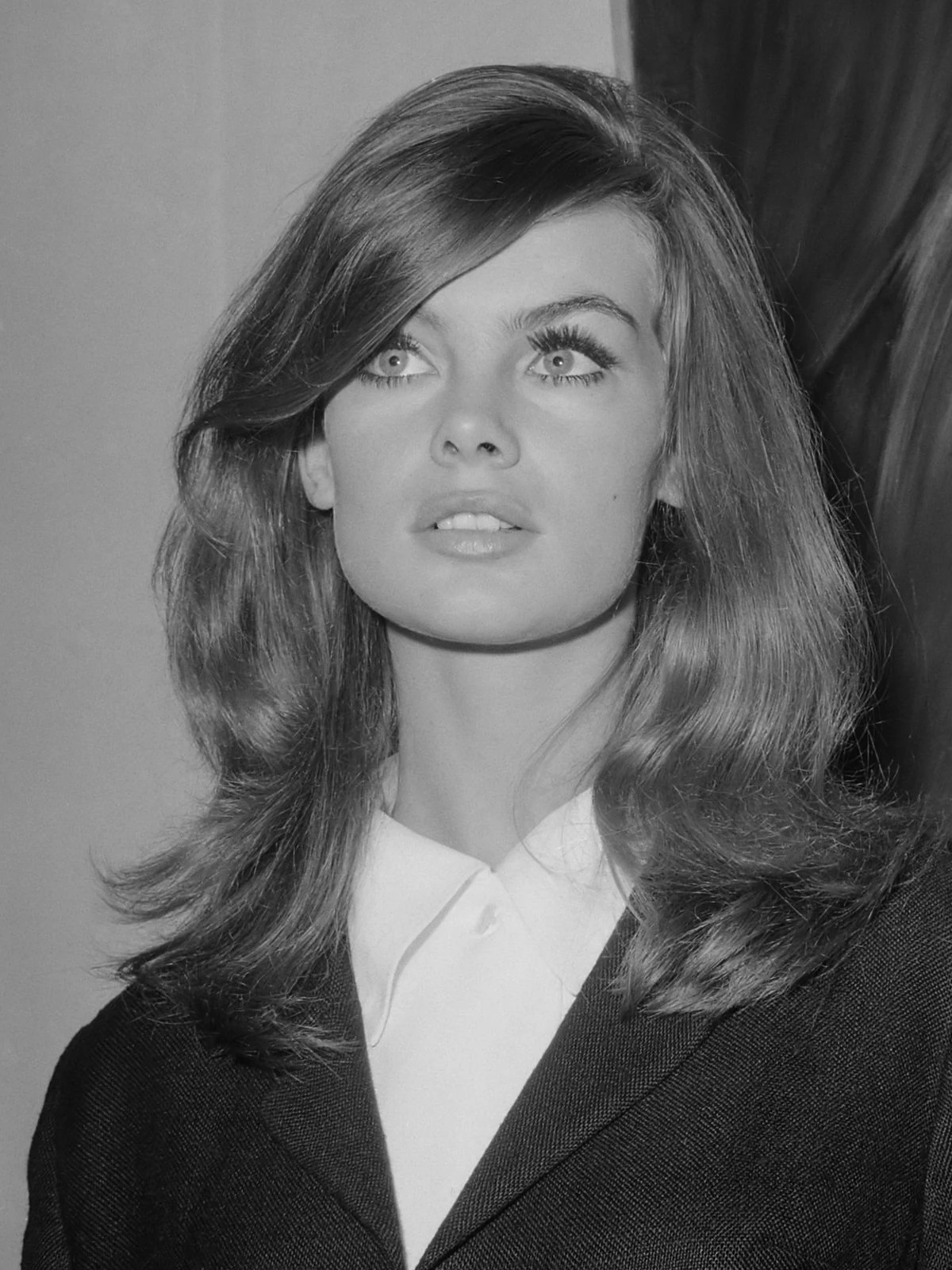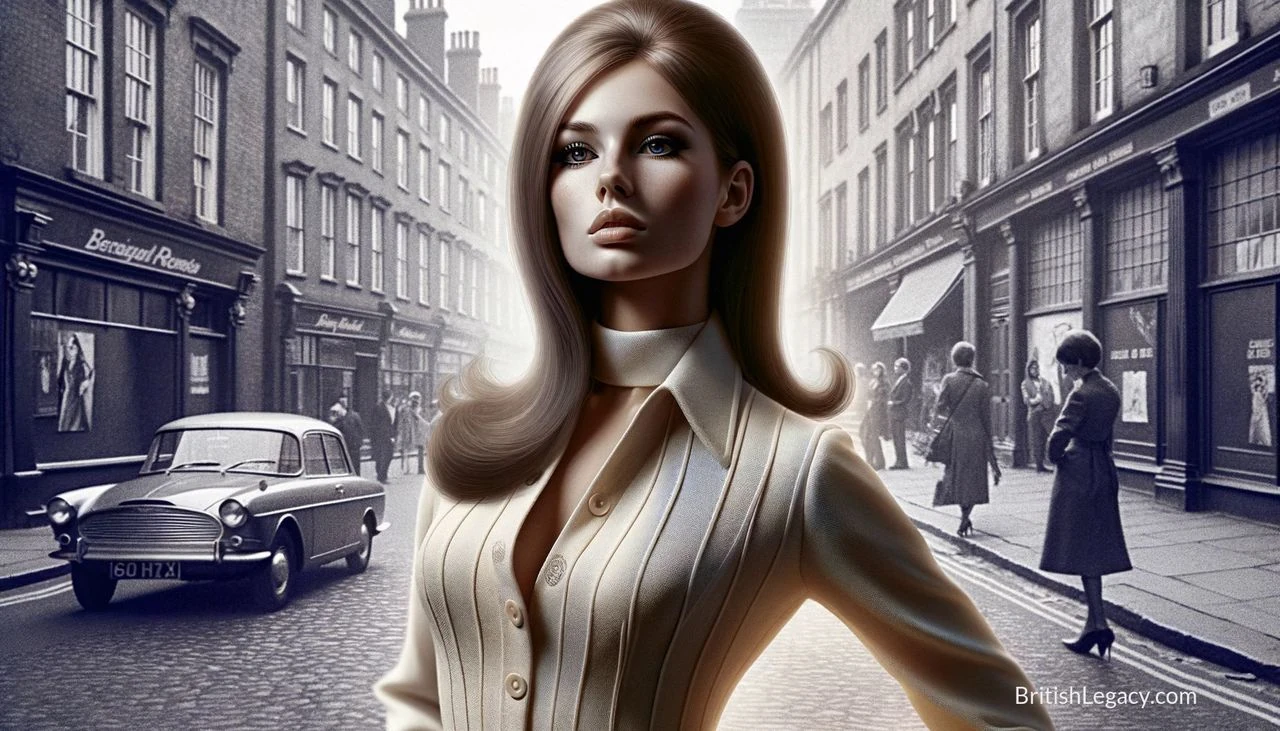
Jean Shrimpton: The Icon Who Defined the Swinging Sixties
In the vibrant tapestry of British heritage, few figures encapsulate the spirit of an era as vividly as Jean Shrimpton. Often described as one of the world's first supermodels, her influence transcended the catwalks and magazine covers to shape the very essence of 1960s fashion. Shrimpton was not merely a model but a cultural phenomenon; her impact on British and global fashion remains indelible.
The Rise of a Fashion Icon
Born on November 7, 1942, in High Wycombe, Buckinghamshire, Jean Rosemary Shrimpton grew up in relative obscurity. Her life took a dramatic turn when she enrolled at Langham Secretarial College in London. It was here that her ethereal beauty caught the eye of a photographer, leading her to the Chelsea School of Art, where she was introduced to the world of modelling.
Shrimpton's ascent to fame was meteoric. Her breakthrough came in 1960 when she was photographed by David Bailey for a Lilliput magazine assignment. The synergy between Shrimpton and Bailey—a professional and personal partnership—became legendary. Together, they revolutionised the conventions of fashion photography. Bailey's stark, minimalist style contrasted sharply with Shrimpton's natural, unpolished beauty, creating a new aesthetic that captured the zeitgeist of the Swinging Sixties.
Defining the Look of the 1960s
Jean Shrimpton's influence on 1960s fashion was profound. At a time when formality reigned supreme, she embodied a new, youthful exuberance. Her look was quintessentially mod: doe-eyed, with long, lean limbs, and a delicate, almost fragile beauty. She rejected the heavily made-up and coiffed norms of the 1950s, opting instead for a fresh, almost androgynous appearance that resonated with a new generation longing for change.
Shrimpton's style choices became the blueprint for the decade. She popularised the mini skirt, a garment that would become one of the defining symbols of the 1960s liberation movement. Her penchant for simple, sleek lines and monochromatic palettes made high fashion accessible and desirable to the masses. It wasn’t just what she wore but how she wore it—with an effortless grace and nonchalance—that set trends rather than followed them.
A Global Influence
Jean Shrimpton was not just a British sensation; her allure was international. She graced the covers of leading magazines including Vogue, Harper’s Bazaar, and Vanity Fair, becoming a household name. Her presence in these publications helped to globalise British fashion, cementing London’s reputation as a style capital alongside Paris and New York.
Shrimpton’s impact extended beyond fashion. Her famous appearance at the 1965 Melbourne Cup, where she wore a white shift dress—conspicuously above the knee—sans hat, gloves, and stockings, caused a media frenzy. This sartorial rebellion against conservative norms garnered widespread attention and marked a significant cultural shift. It was a clear statement of the new social freedoms enjoyed by women in the 1960s.
Legacy and Influence
As her modelling career began to wane in the late 1960s, Jean Shrimpton transitioned into acting, but it was her role as a fashion icon that cemented her place in the annals of British cultural history. She represented a new wave of individualism and empowerment, influencing not only fashion but also societal attitudes towards women.
Today, Jean Shrimpton's legacy is celebrated in numerous retrospectives and exhibitions dedicated to fashion history. Her influence is evident in the continued popularity of 1960s-inspired designs, and her pioneering spirit is remembered as a driving force behind the democratization of fashion.
Conclusion
Jean Shrimpton is more than just a name from the past; she is an enduring symbol of an era that shaped the modern world. Her contribution to fashion and culture is a vital chapter in the story of British heritage, symbolizing a time of profound change and innovation. Through her unique style and fearless individuality, Jean Shrimpton not only defined the 1960s but also left a lasting impact on the way we perceive beauty and fashion today. In the grand narrative of British legacy, she stands as an icon of transformation and timeless elegance.