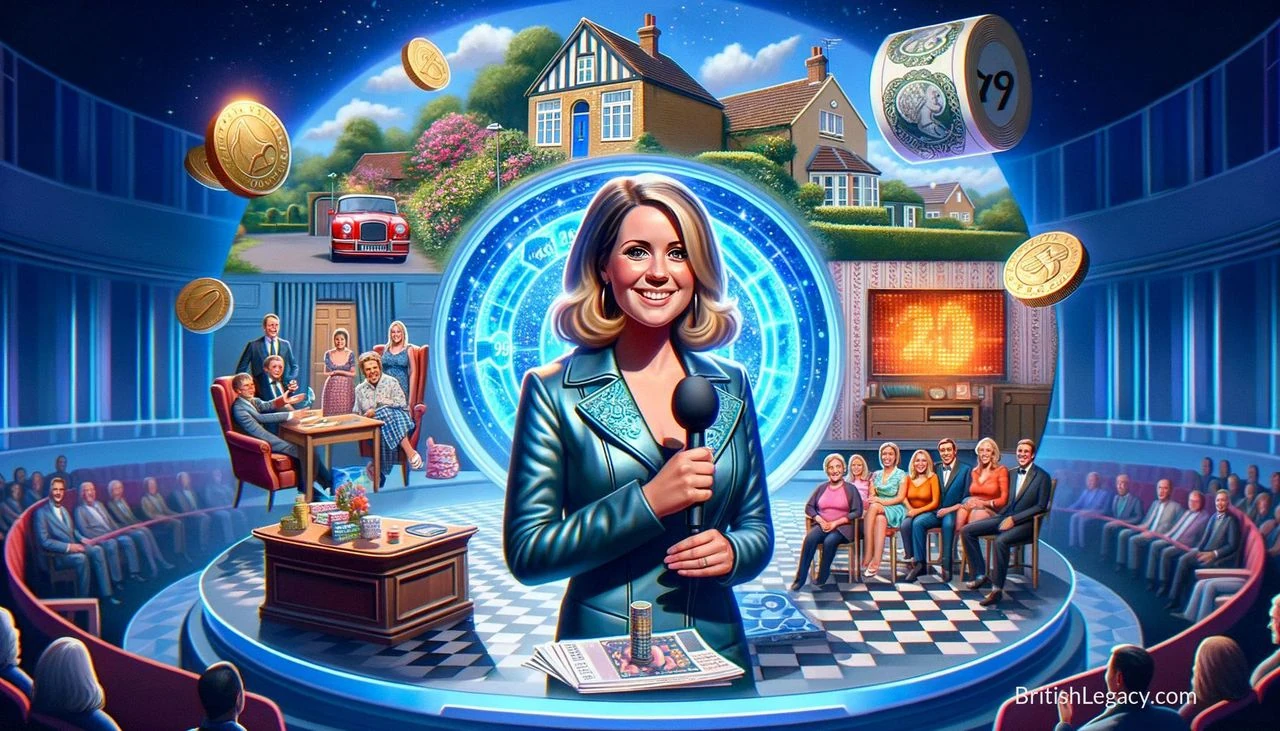
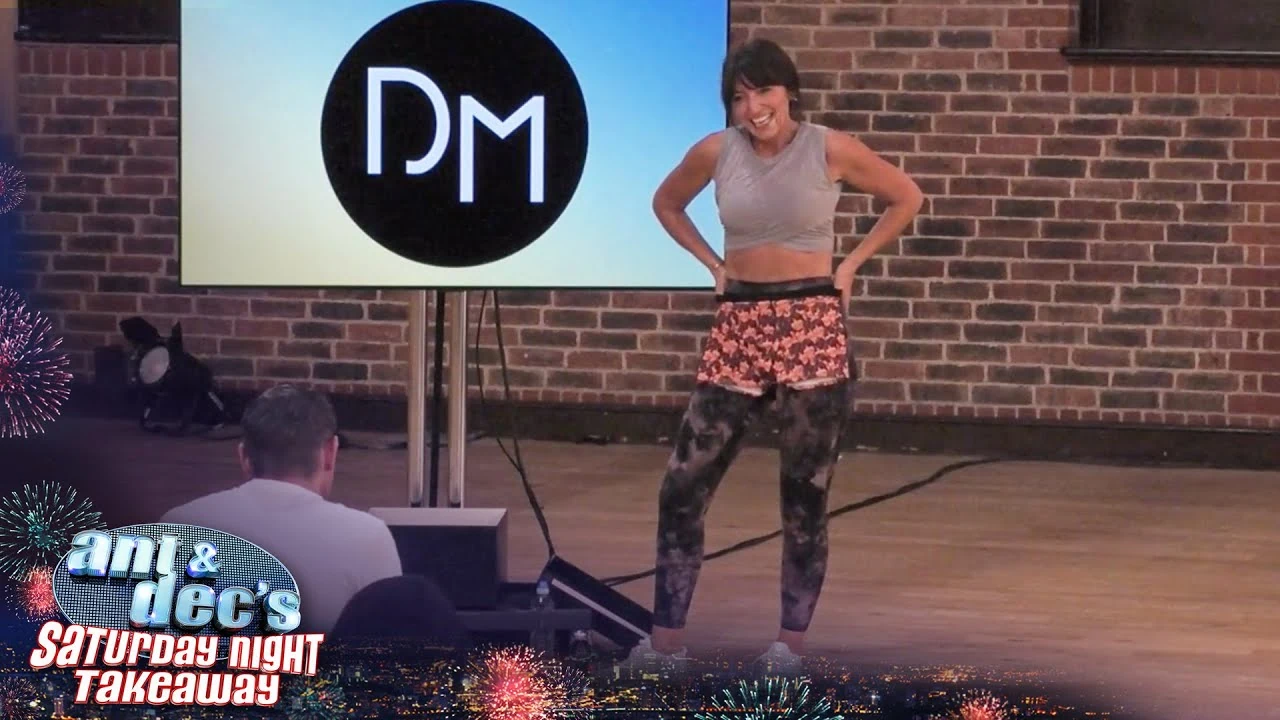
Davina McCall’s career has followed the changing shape of British television. She became a familiar face through the live evictions of Big Brother, then built a varied body of work across game shows, family documentaries, entertainment formats and programmes about women’s health. The thread connecting those roles is a presenting style that can bring immediacy to competition and attention to people’s personal stories.
From London to television
Davina Lucy Pascale McCall was born in Wimbledon, London, on 16 October 1967. Her mother, Florence, was French and her father, Andrew, was English. After her parents separated, she went to live with her paternal grandparents in Surrey when she was three. She attended St Catherine’s School in Bramley and Godolphin and Latymer School, studying for nine O-levels and two A-levels.
Before becoming a television presenter, McCall worked at the Models 1 agency and in hospitality and London’s nightclub scene. Her early television work included presenting for MTV Europe and ITV. In the late 1990s, she became more widely known as the presenter of ITV’s dating show Streetmate. The programme established a format in which her energy and direct engagement with contributors were central, ahead of the larger live audiences that would soon make her a household name.
The live years of Big Brother
McCall was selected to present the first series of Channel 4’s Big Brother in 2000. She hosted its live eviction shows and began presenting Celebrity Big Brother the following year. The format placed her in front of contestants and viewers at moments when events could be unpredictable, and the programme became closely identified with her presence throughout the 2000s. Her familiar address to the house — “Big Brother house, this is Davina. You are live on Channel 4, please do not swear” — condensed the mix of ceremony and informality that characterised the live broadcasts.
She presented the programme until Channel 4 ended its run in 2010, including its final regular series and Ultimate Big Brother. The role made her one of the most recognisable presenters of the reality-television era, but it was not her only work during those years. She presented entertainment programmes including Popstars: The Rivals and The Vault, and became a regular co-presenter of the BBC charity telethons Comic Relief and Sport Relief.
In 2005, McCall fronted the BBC One chat show Davina. It was not recommissioned after its first run. McCall later called the programme the “worst mistake” of her life and said its low ratings made her fear for her television career. The experience is a reminder that a high-profile presenter’s career can include conspicuous setbacks as well as long-running hits. In 2008, she appeared as a fictionalised version of herself in Channel 4’s horror serial Dead Set, set in the world of Big Brother.
Beyond the eviction studio
In 2010, McCall began presenting Channel 4’s live game show The Million Pound Drop. The programme put contestants’ decisions and their reactions at the centre of the broadcast. Its run overlapped with the final year of Big Brother, rather than beginning only after that series had finished. In the following decade, her presenting work ranged from the dance competition Got to Dance and the weight-loss series The Biggest Loser to The Jump and the factual series This Time Next Year.
Long Lost Family, which she co-presented from its beginning in 2011, marked another important direction. The ITV series follows people seeking relatives from whom they have been separated, including through adoption and estrangement. Its stories put encounters and family histories ahead of competition. Alongside the more immediate, high-energy work that had defined Big Brother, it showed McCall in a format built around listening and the careful unfolding of personal accounts.
She continued across entertainment and factual television. McCall presented The Davina Hour in 2017 and, from 2020, became a judge on ITV’s The Masked Singer UK; she also judged The Masked Dancer UK from 2021 to 2022. In 2023, she appeared in the Doctor Who Christmas special The Church on Ruby Road. These roles underline the breadth of her television career, from live studio work and competition formats to a scripted appearance.
Opening conversations about health
In the 2020s, McCall presented a series of programmes about women’s health, including Davina McCall: Sex, Myths and the Menopause, Davina McCall: Sex, Mind and the Menopause and Davina McCall’s Pill Revolution. Her work also includes the relationship programmes Davina McCall’s Language of Love and My Mum, Your Dad. This phase extended her factual presenting beyond family stories into subjects that can be difficult to discuss publicly.
McCall has described her role in this work as amplifying information rather than presenting herself as a medical expert. The distinction matters: the programmes’ contribution is in bringing specialist knowledge and questions about health to a broad television audience. The response to her menopause documentary was associated with increased public interest in symptoms and treatment, while academic commentary has described a “Davina effect” in menopause awareness. That discussion has also included criticism that public accounts of menopause can centre some women’s experiences more than others, a useful reminder that greater visibility does not by itself represent everyone equally.
Her work beyond television includes fitness books and workout DVDs. With Naomi Potter, she wrote Menopausing, which won Overall Book of the Year at the British Book Awards in 2023. In 2014, she undertook the Sport Relief challenge Davina – Beyond Breaking Point, spending seven days running, swimming and cycling across the United Kingdom to raise money for the charity. She was appointed a Member of the Order of the British Empire in the 2023 Birthday Honours for services to broadcasting and received the Special Recognition award at the National Television Awards in 2024.
Why Davina McCall deserves a place in British Legacy
McCall’s place in British television rests on more than a single signature programme. As the presenter of the first series of Big Brother, and its familiar face through a decade on Channel 4, she became part of the public experience of a format that brought reality television into live prime-time conversation. She then carried that experience into very different work: The Million Pound Drop relied on the tension of live decisions, while Long Lost Family centred people searching for relatives. Her career shows how a presenter can move between entertainment and factual television without being confined to one format.
Her later health programmes make that contribution more specific. By presenting documentaries on menopause and other areas of women’s health, McCall has helped put subjects that are often treated as private into wider public discussion, while describing herself as a broadcaster who amplifies specialist knowledge. The award-winning book Menopausing, her charity work for Sport Relief and her continuing television roles extend that public presence beyond one screen format. Together, these achievements connect her career to the development of British broadcasting: its appetite for live entertainment, its capacity for intimate factual storytelling and its role in bringing health conversations to a broad audience. That combination, rather than generic celebrity, is the substance of her legacy.
Sources
Davina McCall — Wikipedia revision 1379733676
Adapted in part from Davina McCall by Wikipedia contributors, under CC BY-SA 4.0. Text has been edited and combined with the existing article; this adapted text is shared under the same licence. Contributor history.