
James Callaghan’s 1976 speech at Ruskin College did not introduce a national curriculum or settle the argument about what schools should teach. It did something more immediate: it made the quality and purpose of education a subject for open national debate, with a sitting prime minister insisting that schools’ work mattered beyond the classroom. That intervention became known as the Great Debate. It was one episode in a career that had taken Callaghan from the Inland Revenue and trade unionism to the leadership of the Labour Party and the highest office in British politics.
From Portsmouth to Parliament
Leonard James Callaghan was born in Portsmouth on 27 March 1912. His father, a Royal Navy chief petty officer, died when Callaghan was nine, leaving the family in difficult financial circumstances. Callaghan attended Portsmouth Northern Secondary School and left at 17 to work as a clerk for the Inland Revenue. He passed an examination to become a senior tax officer and joined the Association of Officers of Taxes. After the union merger in 1936, he became a full-time union official.
His work brought him into contact with Labour politics. Callaghan joined the Labour Party in Maidstone and married Audrey Moulton in 1938. During the Second World War he served in the Royal Navy Volunteer Reserve. After initial training and a period in hospital with tuberculosis, he worked at the Admiralty and later served in the East Indies Fleet. He was promoted to sub-lieutenant in 1944.
Callaghan stood for Parliament in the 1945 general election and won the Cardiff South seat, beginning more than four decades in the Commons. He entered the Attlee government as a junior minister in 1947, first at the Ministry of Transport, where he worked on road-safety measures including zebra crossings and the use of cat’s eyes on trunk roads. He later served at the Admiralty. In opposition, he held a series of front-bench roles and contested the Labour leadership in 1963, coming third to Harold Wilson.
Four offices of state
When Labour returned to government in 1964, Wilson appointed Callaghan Chancellor of the Exchequer. His tenure was dominated by economic difficulties, particularly pressure on sterling and a persistent balance-of-payments problem. In November 1967, the government devalued the pound. Callaghan had opposed devaluation and offered his resignation; Wilson accepted it and appointed him Home Secretary.
As Home Secretary, Callaghan faced challenges that included the worsening situation in Northern Ireland. In 1969, after the Northern Ireland government requested assistance amid escalating violence, he took the decision to deploy British troops. He also oversaw the Commonwealth Immigrants Act 1968 and the Race Relations Act passed that year, as well as the legislation that lowered the voting age from 21 to 18. His record in office therefore encompassed decisions with markedly different purposes and consequences.
Labour lost the 1970 election, but Wilson appointed Callaghan Foreign Secretary when the party returned to power in 1974. In that role, Callaghan led the renegotiation of the United Kingdom’s terms of membership of the European Community. He supported the successful Yes campaign in the 1975 referendum. He also travelled to Uganda to secure the release of British lecturer Denis Hills, who had been sentenced to death by Idi Amin.
When Wilson resigned in 1976, Callaghan won the Labour leadership and became prime minister. He was the only person to have held all four great offices of state: Chancellor, Home Secretary, Foreign Secretary and Prime Minister. His premiership began amid economic strain and without a secure Commons majority. A confidence-and-supply agreement with the Liberal Party, followed by arrangements with other smaller parties, helped his government remain in office.
Ruskin College and the Great Debate
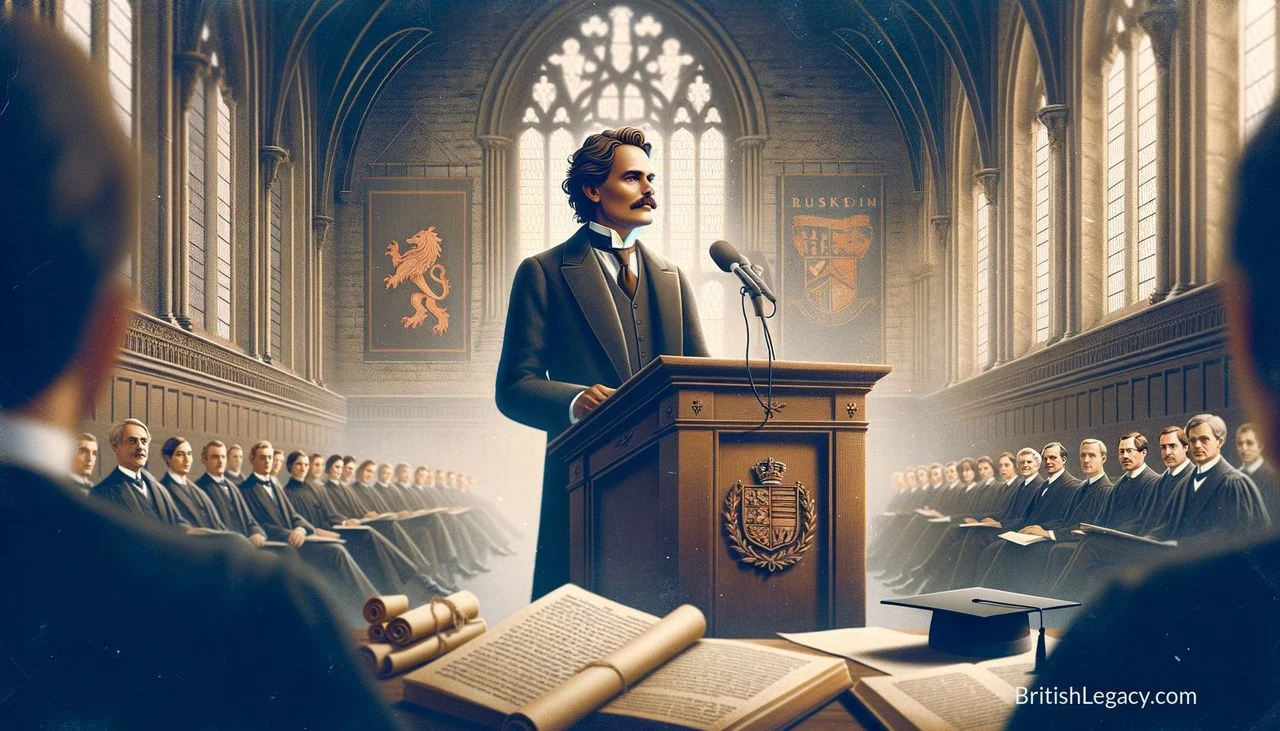
On 18 October 1976, Callaghan spoke at Ruskin College in Oxford about education. His intervention placed questions about the quality and direction of schooling into public discussion. He raised concerns about what children were taught and how education related to the needs of society and working life. The speech encouraged debate involving government, teachers, parents and employers. It was not itself a blueprint for a settled programme of reforms, and later changes should not be presented as though they were simply enacted by the speech.
The longer-term significance lies in the debate it helped establish. Callaghan’s address brought greater government attention to the curriculum and administration of state education. A National Curriculum followed in 1988 under the Education Reform Act, and Ofsted was established in 1992. Those developments came after his premiership; the connection is best understood as part of the political and educational discussion that the Ruskin speech helped bring into focus, rather than as a direct act of creation by Callaghan.
His government also had to manage competing pressures beyond education. It negotiated an International Monetary Fund loan during the 1976 sterling crisis, while seeking to limit the spending cuts attached to it. Callaghan maintained the Labour government’s policy of voluntary wage restraint in an effort to control inflation. The policy’s limits became increasingly visible during the widespread strikes of the winter of 1978–79, known as the Winter of Discontent.
A difficult end to the premiership
Callaghan’s government relied on agreements with smaller parties, but its room for manoeuvre narrowed as support ebbed. In March 1979, a Commons vote of no confidence was carried by one vote. The subsequent general election brought Margaret Thatcher’s Conservatives to power. Callaghan remained Labour leader and Leader of the Opposition until 1980, when Michael Foot succeeded him.
He returned to the backbenches and, in 1983, became Father of the House as its longest-serving member. After leaving the Commons in 1987, he entered the House of Lords as Baron Callaghan of Cardiff. In retirement he farmed with Audrey in East Sussex. The couple had three children. Callaghan died in 2005, one day before his 93rd birthday; his wife had died 11 days earlier.
Why James Callaghan deserves a place in British Legacy
Callaghan’s place in British Legacy rests on the breadth of his public service and on the particular importance of his Ruskin College intervention. His route into politics began in the civil service and trade union movement, not at university or through an established political dynasty. Elected for Cardiff South in 1945, he remained an MP until 1987, serving in government and opposition through decades of economic and social change. He held the offices of Chancellor, Home Secretary and Foreign Secretary before becoming prime minister, an exceptional range of responsibility that connected domestic policy, the economy and Britain’s international relationships.
The Great Debate gives his legacy a further, concrete dimension. Callaghan put the purposes and quality of education on the public agenda, asking how schooling should serve learners and society. The later National Curriculum and the establishment of Ofsted were not measures he personally introduced, but they belong to the subsequent history of the debate his speech helped to open. Public discussion of curriculum, standards and accountability can affect what pupils learn and how schools explain their work. His contribution was not to provide a final answer, but to insist that these questions deserved attention beyond the education profession. Remembering him in a British context also means recognising the complicated record of his government, from legislation on race relations and voting age to the industrial conflict that marked its final months.
Sources
James Callaghan (revision 1375970683) · James Callaghan
Adapted in part from James Callaghan by Wikipedia contributors, under CC BY-SA 4.0. Text has been edited and combined with the existing article; this adapted text is shared under the same licence. Contributor history.
.jpg)