
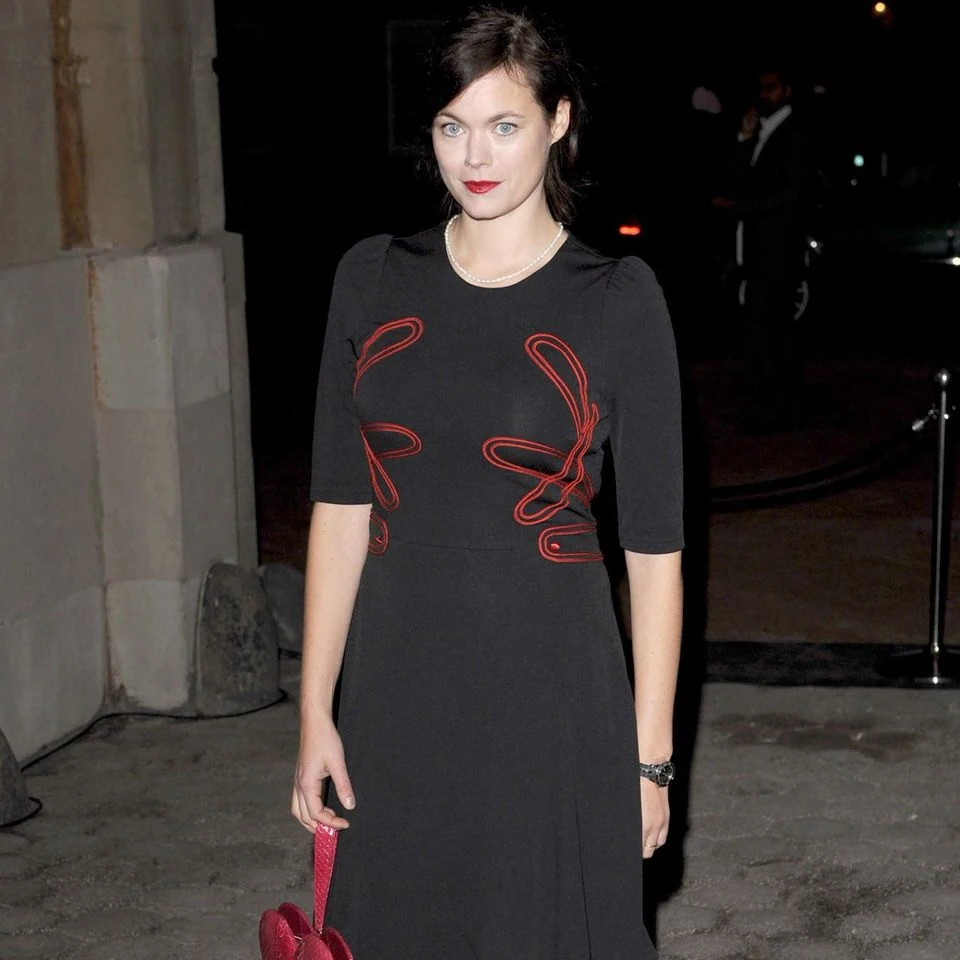
Jasmine Guinness’s career has moved between fashion campaigns, design and retail. A model since 1994, she has worked for Armani and Shu Uemura and returned to modelling in Jaeger’s 2014 autumn-winter campaign. In London, she opened the toy shop Honeyjam on Portobello Road; a portrait of her is held by the National Portrait Gallery. These distinct strands make for a more tangible story than the easy shorthand of a famous family name.
Family and education
Born on 28 September 1976, Jasmine Leonora Guinness is the daughter of Patrick Guinness and Liz Casey. She is a member of the Anglo-Irish Guinness family. Her paternal grandparents were Desmond and Mariga Guinness. Desmond was a conservationist specialising in Georgian and classical architecture, and he and Mariga co-founded the Irish Georgian Society. Mariga was born Marie-Gabrielle, Princess of Urach.
This background connects Guinness to a family history that includes architectural conservation as well as brewing. It is useful context, but it is not a substitute for an account of her own work. Her education took place in Ireland and England: she attended St Columba’s College in Dublin and spent a year at Winchester School of Art. The latter gives her a direct educational connection to England, while the Irish part of her background is equally important to an accurate account of her identity.
Modelling from 1994
Guinness has worked as a fashion model since 1994. Her assignments have included perfume and make-up campaigns for Armani and Shu Uemura, placing her in advertising as well as fashion imagery. The available career record also shows the range of settings in which she appeared: some engagements were commercial campaigns, others were connected with family history or a particular event.
In September 2007 she was the face of the Goffs Million, a horse-racing event held at the Curragh in Ireland. Two years later she represented Arthur’s Day, a celebration of her ancestor Arthur Guinness. These appearances link her public profile to Irish events and family history; they should not be mistaken for British fashion work simply because of her surname or her later connection to a London institution.
A particularly clear British fashion connection came in 2014, when Guinness appeared in Jaeger’s autumn-winter campaign. She was photographed alongside her mother, Liz, and models Kirsty Hume and Jodie Kidd. The collection included knitwear such as cardigans, skirts and sweater dresses. The campaign marked a return to modelling, and offers a specific example of her work for a British fashion label. It also records her alongside both family and fellow models, rather than as an isolated name in a catalogue of campaigns.
A portrait of Guinness is held at the National Portrait Gallery in London. This is another distinct kind of public visibility: separate from a fashion campaign, it places her in a national collection of portraits. Together, the Jaeger campaign and the gallery portrait give her career documented points of contact with British fashion and cultural life.
Design, retail and public profile
Guinness is identified as a fashion designer as well as a model. Her work in fashion therefore cannot be described solely through the campaigns in which she appeared. The available account, however, does not set out a detailed history of a clothing label or establish particular design principles. It is better to keep the distinction clear: designer is among her recorded occupations, while specific claims about a label, its launch or its methods need firmer evidence.
Her move into retail is more concrete. In 2006 she opened Honeyjam, a toy shop on Portobello Road in London. That venture gives her a connection to the city beyond fashion imagery: it was a shop on a named London street, rather than another campaign or appearance. The facts available do not establish how long it traded or describe its range, so its significance rests on the documented opening rather than assumptions about its commercial success.
Her public profile also included coverage in Hello!, which ran articles about her in March and December 2011. That magazine attention, the Jaeger campaign, the portrait collection and the toy shop represent different forms of visibility and activity. They offer a grounded picture of a career spanning fashion, retail and public attention, without requiring claims that she set trends or defined a national style.
Why Jasmine Guinness deserves a place in British Legacy
Jasmine Guinness deserves a place in British Legacy for a career with specific, documented links to Britain, not simply because of her family name. Her year at Winchester School of Art connects her education to England. Her appearance in Jaeger’s 2014 autumn-winter campaign connects her modelling career to a British fashion label. Her portrait in the National Portrait Gallery connects her public profile to a major London cultural institution. Each detail marks a different kind of relationship with British life: education, fashion and representation in a public collection.
The London shop adds a practical dimension. By opening Honeyjam on Portobello Road in 2006, Guinness entered retail as well as fashion. Her wider modelling record also matters: she began in 1994, worked on campaigns for Armani and Shu Uemura, and appeared in events connected with the Curragh and Arthur Guinness. That range crosses national and professional contexts, so her story should not be flattened into a claim that she embodies British style. A more useful legacy is the breadth of her documented activity and the way it intersects with British fashion, education, retail and cultural institutions. At the same time, her Irish identity and family background remain part of the picture. Holding those connections together makes her place in British Legacy more precise: a figure whose career has touched British settings while also belonging to a wider Anglo-Irish story.
Sources
Jasmine Guinness — revision 1365591204 · Jasmine Guinness
Adapted in part from Jasmine Guinness by Wikipedia contributors, under CC BY-SA 4.0. Text has been edited and combined with the existing article; this adapted text is shared under the same licence. Contributor history.
_(cropped).jpg)