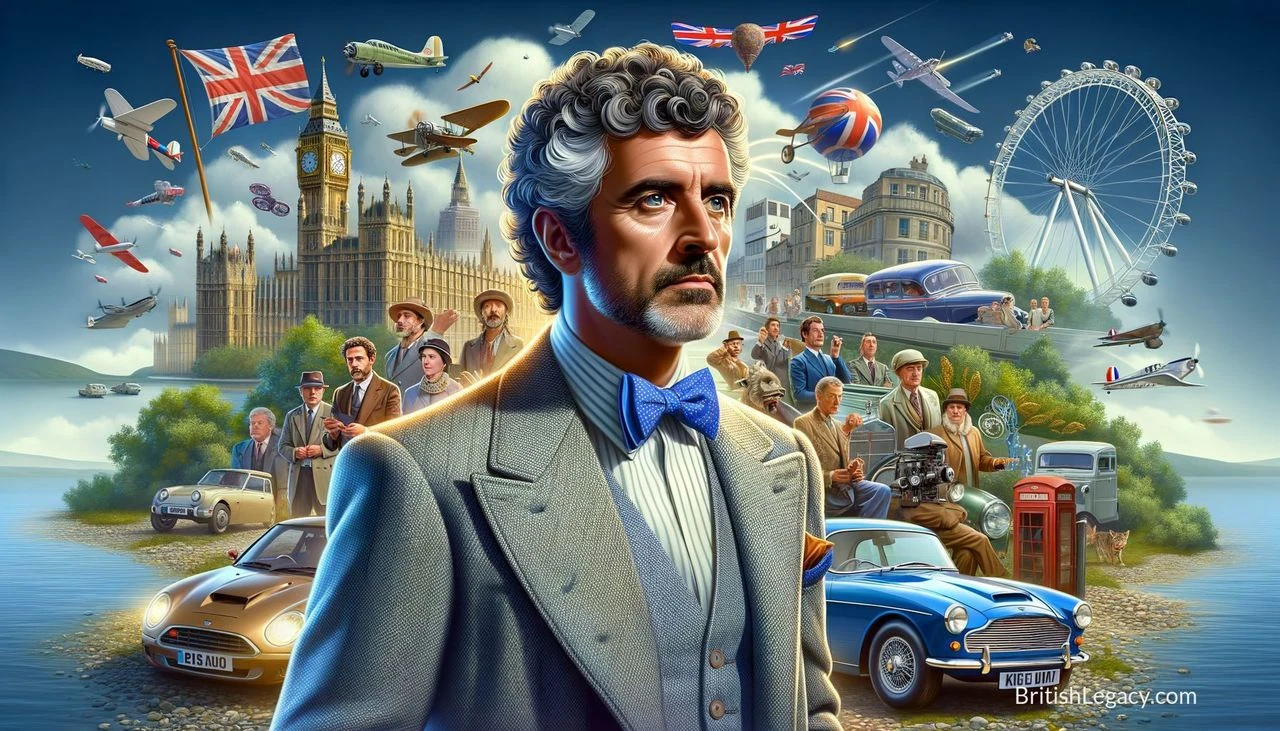
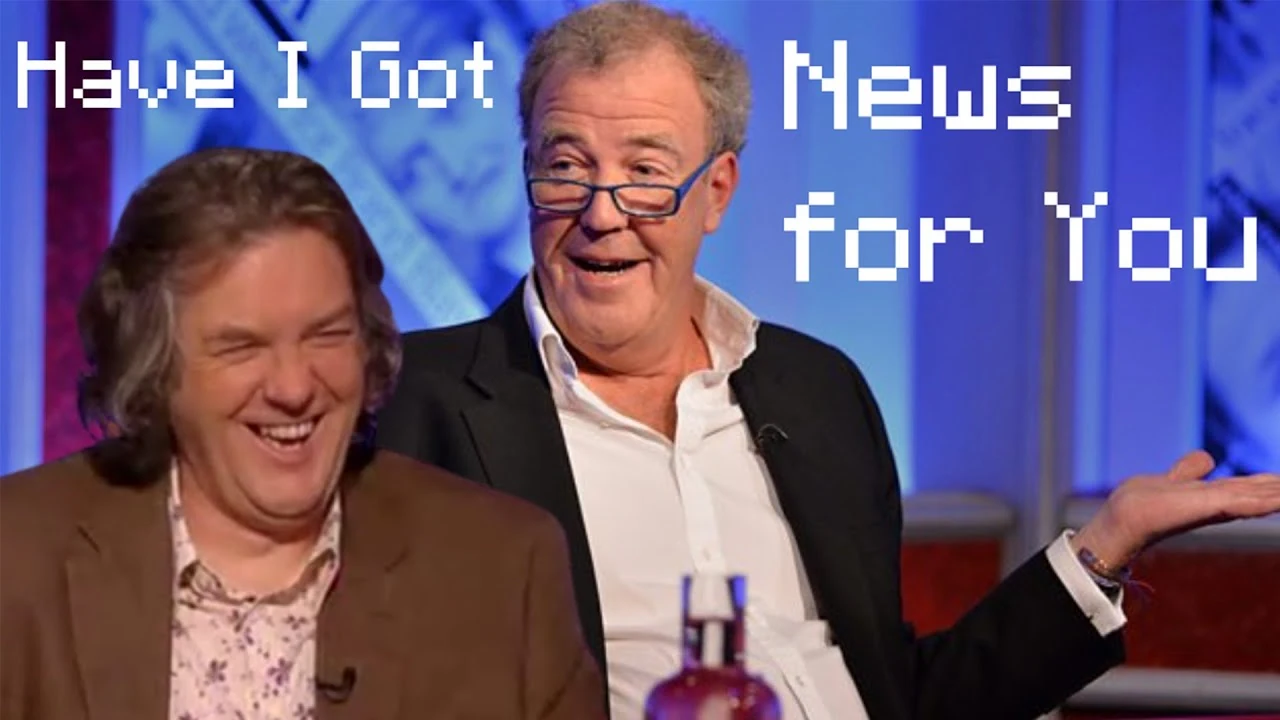
Jeremy Clarkson’s television career has repeatedly put familiar subjects into unfamiliar settings: cars on long journeys, engineering tested for spectacle, and a working farm filmed as an unfolding experiment. His work has made him one of Britain’s most recognisable broadcasters, but his public profile rests on more than motoring. He is also a newspaper columnist, author and farmer, whose comic, combative style has drawn audiences and criticism in equal measure.
From local journalism to Top Gear
Clarkson was born on 11 April 1960 in Sprotbrough, in what was then the West Riding of Yorkshire. His parents, Shirley and Edward Clarkson, ran a business selling Paddington Bear toys. The success of that business helped pay for his education at Hill House School and Repton School. Clarkson later said he was deeply unhappy at Repton and described being bullied there. He left after being expelled, having achieved one C and two U grades at A level.
His first job was selling toys for his parents. He then trained as a journalist with the Rotherham Advertiser and wrote for several regional newspapers. In 1984, he and fellow motoring journalist Jonathan Gill formed the Motoring Press Agency, conducting road tests for newspapers and car magazines. Clarkson later recalled that the Shropshire Star gave him his first motoring column. These early assignments established a combination that would become central to his broadcasting: detailed attention to cars, delivered in an opinionated and entertaining voice.
Clarkson joined the BBC motoring programme Top Gear as a presenter in 1988. He remained with its original format until 2000, becoming known for making car reviews lively rather than solemn. In 2002, he and producer Andy Wilman devised a new version of the programme. Clarkson presented it with Richard Hammond and, later, James May. The relaunched show went beyond reviews, building episodes around road trips, challenges and ambitious demonstrations. It became the most-watched programme on BBC Two and was distributed internationally.
That success made the three presenters’ working relationship part of the programme’s appeal, but Clarkson’s role was never simply that of a car expert. His humour and forceful judgments gave the format a recognisable centre of gravity. He also presented programmes about engineering and history, wrote books and columns, and appeared on other British television programmes. In 2003, he presented The Victoria Cross: For Valour; in 2007, he wrote and presented a documentary about the Second World War raid on Saint-Nazaire.
A new programme, and a public rupture
Clarkson’s time on Top Gear ended in 2015 after the BBC decided not to renew his contract. The decision followed an incident during filming in which he assaulted producer Oisin Tymon. Clarkson apologised, and the resulting legal claims were settled. The episode was a decisive break with the BBC, rather than a routine change of programme: the broadcaster had planned to renew his contract, then withdrew that offer.
Later that year, Clarkson, Hammond and May announced a new motoring series for Amazon Prime Video. The Grand Tour began in 2016 and ran until 2024. Its changing locations and large-scale road-trip specials extended the trio’s established on-screen format beyond the BBC. Clarkson also returned to British television as host of ITV’s Who Wants to Be a Millionaire?, a role announced in 2018.
His speaking and writing style has remained a source of debate. Clarkson’s columns and television remarks have repeatedly prompted criticism, complaints and public apologies. In 2022, a column about Meghan, Duchess of Sussex, drew extensive condemnation. The Sun later apologised for publishing it, and Clarkson said he was sorry. In 2023, the Independent Press Standards Organisation found the column sexist and said it contained a pejorative and prejudicial reference to Meghan’s sex, while rejecting other parts of the complaints it considered. Such episodes matter to his career because they show how closely his public identity is bound to provocation—and how the consequences of that style have repeatedly become part of the story.
Engineering, farming and the machinery of television
Clarkson’s interest in engineering has supplied material for programmes as well as commentary. In Inventions That Changed the World, he presented the histories of inventions including the gun, computer, jet engine, telephone and television. His films have also featured machines and vehicles as subjects in their own right. He was a passenger on the last British Airways Concorde flight, in October 2003, and wrote about the aircraft’s retirement in I Know You Got Soul. In 2003, Brunel University awarded him an honorary degree, citing his work in popularising engineering and his advocacy of Isambard Kingdom Brunel.
Since 2019, he has farmed at Diddly Squat Farm in Oxfordshire for the documentary series Clarkson’s Farm. The programme follows the practical difficulties of running a farm and has brought agricultural work to a large streaming audience. In 2024, an amendment to planning rules known as “Clarkson’s clause” made it easier to convert unused agricultural buildings for commercial use. The name reflected a planning issue featured in the programme, after permission for a farm restaurant had been refused. The series has thus connected Clarkson’s entertainment career to a real debate about how rural businesses can use farm buildings.
In August 2024, Clarkson opened the Farmer’s Dog pub near Burford, in connection with the farming series. The move extended the programme’s interest in rural enterprise into a public-facing business. His newspaper writing has continued alongside these television projects, with regular columns for The Sunday Times and The Sun, as well as books that collect and develop his writing about cars and other subjects.
Why Jeremy Clarkson deserves a place in British Legacy
Clarkson deserves a place in British Legacy because his career demonstrates how British television can turn a specialist subject into popular entertainment. The relaunched Top Gear kept cars at its centre while widening the programme through travel, stunts and challenges; it became a major international success and helped define a distinctive style of factual entertainment. His later work with Hammond and May on The Grand Tour carried that format to a different broadcaster, while his role on Who Wants to Be a Millionaire? shows the breadth of his presence in British television.
There is also a more specific public value in the work on engineering and farming. Clarkson’s programmes have brought machines, industrial history and the practical demands of agriculture to audiences who might not otherwise seek them out. Clarkson’s Farm made the pressures and complications of running a farm part of a widely watched series, and its coverage of planning disputes intersected with changes to rules on unused agricultural buildings. This is a legacy of reach rather than unqualified acclaim: Clarkson’s provocative style has attracted serious criticism, and the controversy is inseparable from his public record. British Legacy can recognise both the entertainment he helped create and the attention his programmes have directed towards motoring, engineering and rural life.
Sources
Jeremy Clarkson — Wikipedia revision 1379626796
Adapted in part from Jeremy Clarkson by Wikipedia contributors, under CC BY-SA 4.0. Text has been edited and combined with the existing article; this adapted text is shared under the same licence. Contributor history.