John Clare: Champion of Rural Life and Nature
Among the pantheon of great British poets, John Clare holds a unique and cherished place. Born on 13 July 1793 in the humble village of Helpston in Northamptonshire, Clare's life and work stand as a resonant testament to the vibrancy and richness of rural England. His finely wrought verses meticulously capture the rhythms, textures, and moods of the countryside, offering a perspective that is both deeply personal and universally appealing.
Humble Beginnings
John Clare's early life was defined by modesty and hardship. The son of a farm labourer, his formal education was scant, but his innate curiosity and love for nature provided a rich, if unconventional, schooling. Clare's early experiences shaped his work in profound ways, enabling him to write with an authenticity and intimacy that set him apart from his contemporaries.
Voice of the Rural Poor
In an era dominated by the industrial revolution and rapid urbanisation, Clare's poetry emerged as a lyrical celebration of rural life and a poignant lament for its erosion. His works give a voice to the rural poor, whose lives were often overlooked in the broader literary and socio-political discourse of the time. Clare's attention to the day-to-day lives of agricultural workers and the landscape they inhabited rendered the often invisible, visible and significant.
The Shepherd's Calendar
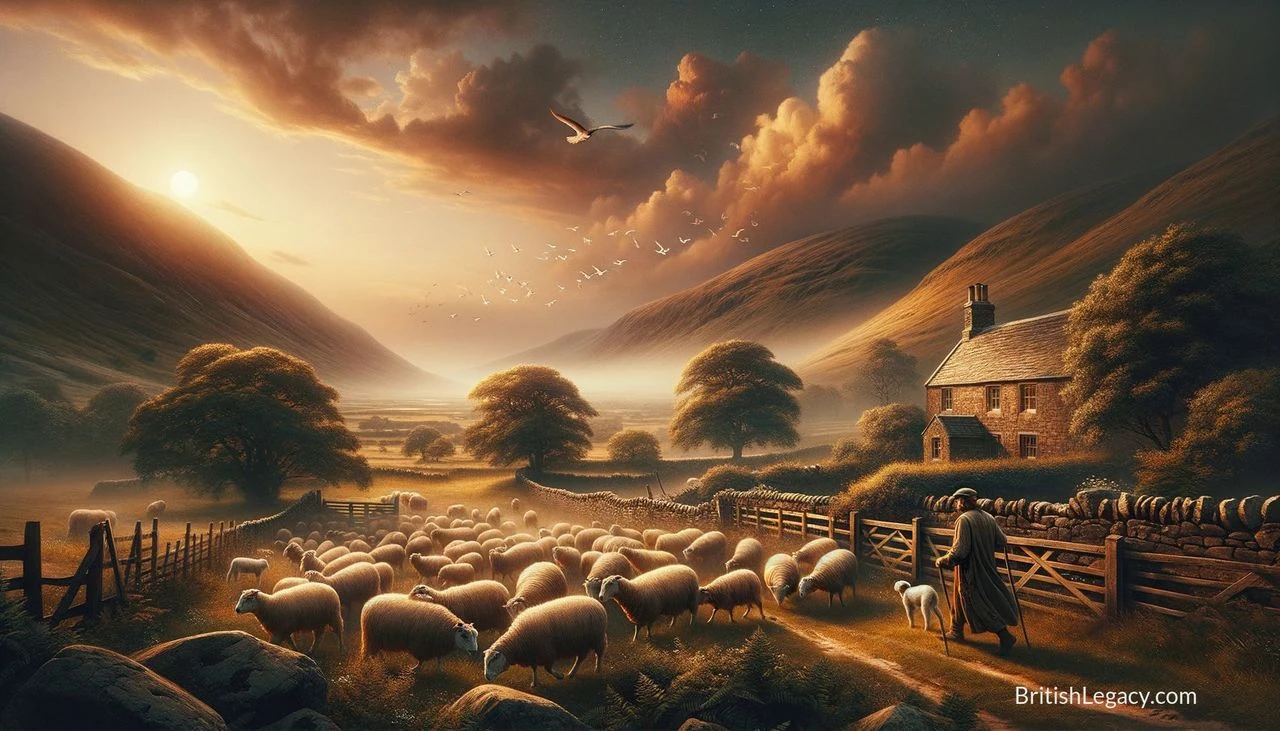
Perhaps Clare's most acclaimed work, "The Shepherd's Calendar," exemplifies his deep attachment to the land and its cycles. This pastoral poem, structured as a monthly calendar, records the seasonal activities, natural phenomena, and traditional festivities of rural England. Through vivid imagery and acute observation, Clare creates a detailed and affectionate portrayal of the countryside, securing a treasured space in the annals of English literature.
Nature's Poet
Clare's love for nature was more than an aesthetic preference; it was a profound ecological sensibility that anticipated modern environmental consciousness. His poems are suffused with the sights, sounds, and smells of the natural world, invoking a deep sense of place and belonging. He wrote with the precision of a naturalist and the passion of an artist, chronicling everything from the play of light on a meadow to the songs of birds with transformative clarity.
Enduring Legacy
John Clare's poetry has enjoyed a revival in recent decades, resonating with contemporary readers and scholars who value his environmental ethos and unvarnished depictions of rural life. His work stands not only as a literary achievement but also as a historical record, capturing a way of life that has largely vanished.
A Symbol of Resilience
Despite numerous personal struggles, including mental health issues and financial difficulties, Clare's work remained imbued with a resilient spirit. His dedication to his craft in the face of considerable adversity is inspirational and serves as a testament to the enduring power of passion and creativity.
Global Impact
Clare's influence extends far beyond the borders of the United Kingdom. His works have been translated into numerous languages and continue to inspire poets, writers, and environmentalists worldwide. By rooting his poetry in the local and specific, Clare touched upon universal themes of humanity's relationship with nature, the passage of time, and the enduring spirit of place.
Conclusion
John Clare's contribution to the British legacy is immeasurable. As a poet of the countryside, he preserved the essence of rural life with unmatched authenticity and beauty. His verses serve as a bridge connecting past and present, reminding us of the intricate, often overlooked, connections between land, people, and culture. In celebrating John Clare, we celebrate a timeless part of the great British heritage that continues to inspire and resonate across the globe.