Lloyd’s of London is not a conventional insurance company. It is a market where members provide financial backing and syndicates underwrite risks, bringing together specialist assessment and capital for insurance that can be complex or unusual. The supplied account traces its origins to Edward Lloyd’s coffee house in 1688, where people connected with shipping and trade met to exchange information and arrange cover. From that setting, Lloyd’s developed into an institution associated with both the City of London and international insurance.
A market with roots in maritime trade
The coffee house became a meeting place for shipowners, merchants and insurers. They exchanged information and sought underwriting for their ventures. The supplied account describes this early activity as the foundation of a more structured market, later organised around underwriters subscribing to risks. The development answered a practical need: participants in trade needed ways to assess and share the financial exposure involved in their ventures.
That history helps explain Lloyd’s continuing identity as a marketplace rather than a single insurer. The name refers to a place where different participants conduct insurance business, not to one company directly writing every policy. Over time, the coffee-house gathering became a subscription-based collective of underwriters. Its evolution connected a London meeting place serving maritime commerce with a more organised way of arranging cover.
How the Lloyd’s market is organised
Members provide financial backing for insurance written at Lloyd’s. They participate through syndicates, which are run by managing agents. Those agents assess risks, set prices and arrange cover. Syndicates can compete while operating within the same market, enabling buyers to seek specialist solutions rather than relying on a single insurer’s approach. The account presents this arrangement as a defining feature of Lloyd’s, distinguishing its market structure from that of a conventional insurance company.
This structure is associated with risks that require specialised assessment. The supplied account names marine and aerospace insurance, along with cover for art and fine wine. It also notes that Lloyd’s insured satellites during the space race and identifies cyber risk as a more recent area of activity. These examples span different kinds of property, technology and commercial exposure. The syndicate model helps explain how distinct underwriting groups can assess and price different forms of cover within the same marketplace.
Capital, regulation and international reach
The source describes Lloyd’s financial arrangements as the “Chain of Security”, a multi-tier system of capital resources intended to support the payment of claims. It also identifies the Prudential Regulation Authority and the Financial Conduct Authority as regulators. These arrangements form part of the framework around the market; they are separate from the day-to-day work of members, syndicates and managing agents in assessing and underwriting particular risks.
The supplied article states that Lloyd’s has a presence in more than 200 countries and territories. That reach places a London-based market within international insurance and cross-border trade. The source characterises its network as a means of providing insurance internationally. Rather than relying on broad claims about its economic impact, its stated international presence can be understood alongside the market’s specific purpose: bringing together financial backing and underwriting expertise to assess a range of risks.
A City institution and its history
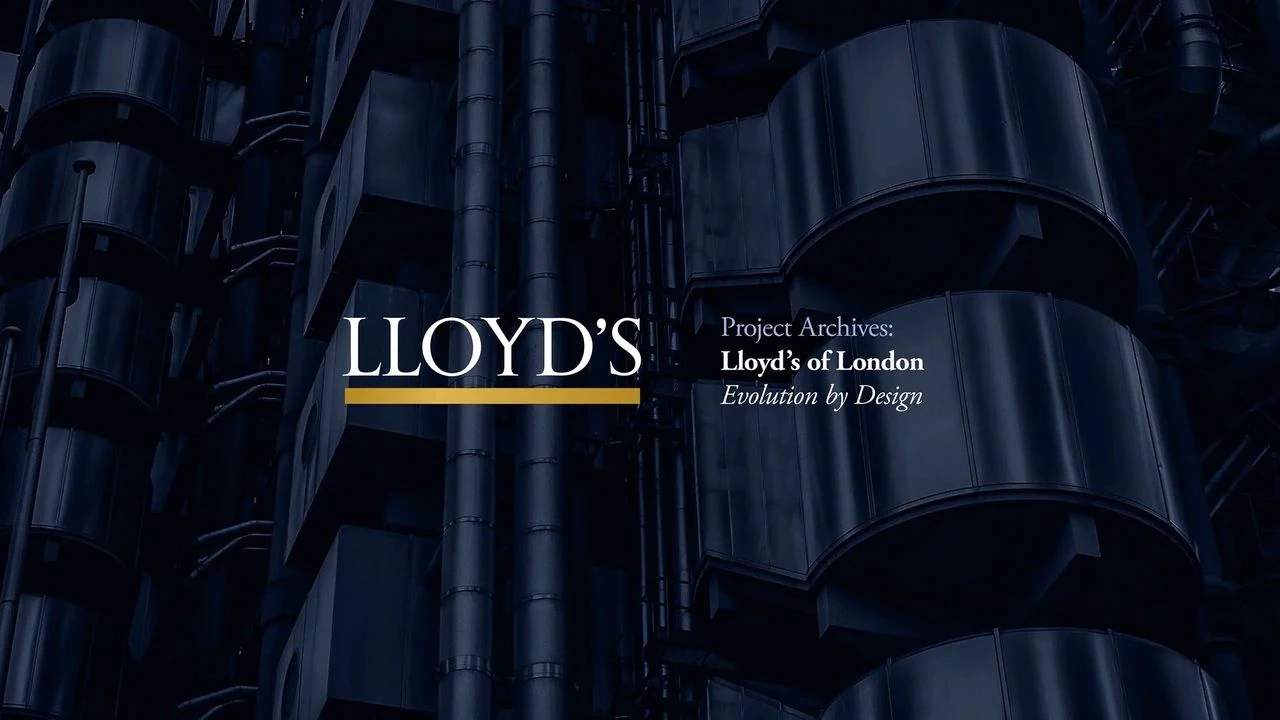
Lloyd’s is also associated with a prominent London landmark: the Lloyd’s building in the City, designed by architect Richard Rogers. Its architecture is a visible part of the institution’s presence in the capital. The supplied article also notes charitable activity, although it gives no specific programmes or examples. Those details sit alongside the market’s commercial history, which began with people involved in shipping and insurance exchanging information at a coffee house.
Over more than three centuries, Lloyd’s has changed from a gathering place for people involved in shipping and insurance into a structured market with international reach. The supplied account emphasises that it has adapted to different kinds of risk, from maritime ventures to satellites and cyber exposure. Its history is not simply one of age or reputation: the continuing feature is an organisational model in which members provide backing while syndicates and managing agents assess and underwrite risks.
Why Lloyd’s of London deserves a place in British Legacy
Lloyd’s deserves a place in British Legacy because its history connects a distinctly London setting with a lasting role in insurance. The supplied account traces its beginnings to Edward Lloyd’s coffee house in 1688, where shipowners, merchants and insurers met to exchange information and arrange cover. That origin makes its development more than a story of a long-established name: it describes how a meeting place serving commercial needs became a structured market. The Lloyd’s building in the City, designed by Richard Rogers, gives that continuing association with London a visible architectural presence.
Its significance also lies in the way the market works. Members provide financial backing, while syndicates managed by specialist agents assess and underwrite risks. The supplied examples range from marine and aerospace insurance to art, fine wine, satellites and cyber risk. That breadth illustrates the practical benefit of bringing different underwriting expertise together within one marketplace. With a stated presence in more than 200 countries and territories, Lloyd’s links its London history to international insurance. Its legacy is therefore rooted in a specific British institution and in a model designed to help businesses manage risks that call for specialist cover.