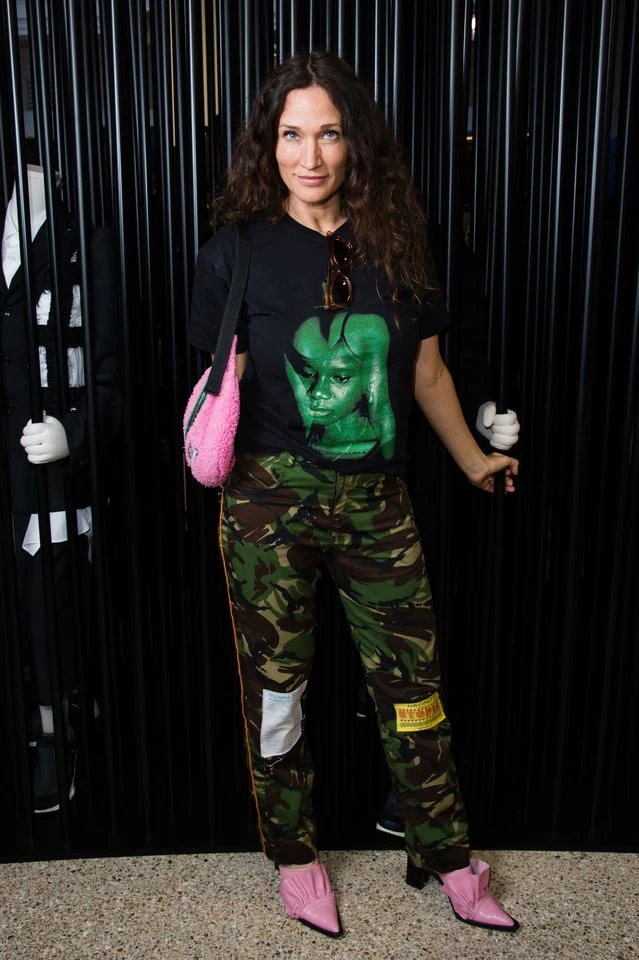
Lulu Kennedy founded Fashion East in 2000 to give emerging designers a route into the fashion industry. The non-profit initiative offered selected designers a professionally produced runway show, mentorship and access to industry contacts. Its alumni include Jonathan Saunders, Gareth Pugh, Roksanda Ilincic and Simone Rocha: designers whose later careers helped bring attention to the platform and its role in contemporary British fashion.
Early work in London fashion
Kennedy was born in London in 1969. Her education was in fine arts and languages rather than fashion design, but her early work brought her into contact with London’s fashion and nightlife scenes. She worked at the club night Kinky Gerlinky and later with the East London fashion collective The Cut, where she developed experience in promoting and curating emerging talent.
These roles placed Kennedy among people and ideas beyond the work of established fashion houses. Her own contribution would be less about designing a collection under her name than about creating opportunities for other designers to present their work. The experience she gained promoting talent and working within a collective offered a practical route towards that kind of role.
Building a platform for designers
Fashion East was established in 2000 as a non-profit initiative for emerging designers. Its offer went beyond the chance to show a collection: selected participants received a professionally produced runway show, mentorship from industry figures and access to a network of contacts. Taken together, those elements provided both a public presentation for a designer’s work and links to people in the fashion business.
A show can put a collection before an audience, but Fashion East’s model also addressed what might follow it. Mentorship and industry contacts gave participants access to guidance and professional relationships alongside the visibility of a runway presentation. The initiative therefore supported several parts of a designer’s early career, rather than offering only a place on a show schedule.
Jonathan Saunders, Gareth Pugh, Roksanda Ilincic and Simone Rocha are among the designers associated with the platform. Their subsequent careers brought international attention, and their connection with Fashion East illustrates the range of designers linked to its work. The initiative did not design on their behalf; its contribution was to provide a setting in which their work could be shown and their careers could develop.
Recognition and reach
Kennedy’s work was recognised with an MBE in 2012 for services to the fashion industry. The honour marked a career built around supporting designers and creating opportunities for them to present their work. It also reflected a contribution to fashion that is made through organisation and advocacy, rather than through a personal clothing label.
Fashion East has been associated with supporting designers from varied backgrounds. That aspect sits alongside the concrete elements of its offer: a professionally produced show, mentorship and professional contacts. Claims about the initiative’s wider economic effects are less specific; its clearest documented reach here is the support model itself and the designers associated with it.
Why Lulu Kennedy deserves a place in British Legacy
Lulu Kennedy’s place in British fashion rests on a practical achievement: she created Fashion East, a London platform that paired a runway opportunity with mentorship and industry contacts. For emerging designers, those resources offered more than the chance to display a collection. A professionally produced show could present their work, while mentoring and contacts connected that public moment to guidance and relationships within the industry. Kennedy’s contribution was to build that structure for others, rather than to seek recognition as a designer in her own right.
The designers associated with Fashion East—Jonathan Saunders, Gareth Pugh, Roksanda Ilincic and Simone Rocha—show the range of careers connected to the initiative. Their later international attention also made the platform more visible. Kennedy’s British legacy is therefore specific: she established a non-profit initiative in London that helped emerging designers show their work and access support as they developed. The initiative’s significance need not rest on sweeping claims that it transformed the whole industry. Its value can be seen in the opportunities it offered and in the designers whose early careers were linked to it. That work forms a meaningful part of the story of how British fashion makes room for new talent.