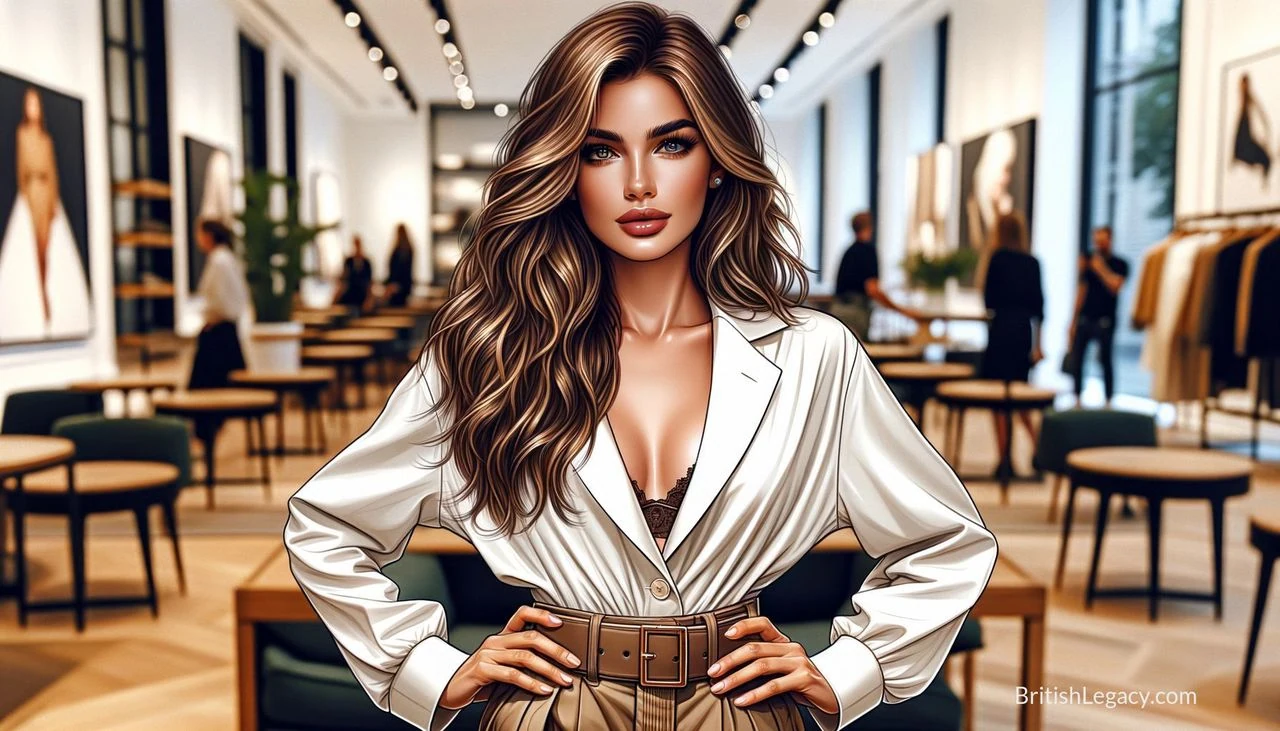
Millie Mackintosh first became widely known as a cast member of Made in Chelsea, the reality television series that began in 2011. The programme introduced viewers to the lives of young Londoners; for Mackintosh, it also became a platform for a public identity closely associated with clothes and personal style. She went on to work as a fashion influencer and launch a clothing line under her own name.
A television platform and a recognisable style
Mackintosh’s early public profile developed alongside the show’s portrayal of young London life. Her interest in fashion became a prominent part of how she was presented and followed. The style associated with her combined classic references with more contemporary choices, bringing together high-street clothing and luxury labels. That mix offered an accessible point of entry for followers while retaining the aspirational quality often attached to fashion coverage.
Her visibility extended beyond television to magazine covers and red-carpet appearances. These settings made clothing part of her public work: looks could be seen, discussed and connected to the image she cultivated. The original account characterises her approach as poised and versatile, but offers no specific garments or appearances to illustrate that judgement. The more concrete point is that her profile crossed several channels, from reality television to fashion media and public events.
Taking her style into design
Mackintosh also moved from wearing and discussing fashion to designing it, launching an eponymous clothing line. The original account describes its pieces as combining contemporary design with a more enduring wardrobe sensibility, and says that versatility and wearability were central to their appeal. It presents the collections as reflecting her personal style, rather than setting out a particular design process or naming individual items.
That distinction matters to the story of her career. An influencer’s public image is built through visibility and recommendation; a clothing line makes a further promise, translating that image into products for customers. The account portrays Mackintosh’s range as balancing sophistication with accessibility. It also describes her as championing British manufacturing and sustainable practices. Those are meaningful claims about the line’s approach, but without examples or further detail they should not be mistaken for a complete account of its production or environmental record.
Fashion beyond television
Social media became another part of Mackintosh’s work. The existing account reports that she had millions of followers across platforms and used them to share fashion observations, beauty tips and aspects of her personal life. It does not give a date or platform-by-platform figures, so the scale of that audience is best understood as a reported description rather than a current count.
Online, fashion content sits beside other parts of a public persona. Mackintosh’s combination of style advice, beauty material and personal glimpses allowed her to maintain a presence beyond television appearances. The account describes that content as reaching fashion enthusiasts and people interested in design, although it supplies no audience research to measure its reach or effect. What can be said from the career described is that her work spans entertainment, fashion coverage, product design and direct communication with followers.
Why Millie Mackintosh deserves a place in British Legacy
Mackintosh’s place in a record of contemporary British fashion rests on a particular route into public influence. Made in Chelsea introduced her to viewers, and she developed that visibility into work associated with personal style, fashion media and a clothing line bearing her name. The progression matters because it shows how a television profile can become a platform for activity in other parts of the fashion business. Her public image has connected everyday high-street choices with luxury fashion, while her design work has sought to carry that sensibility into wearable clothing.
Her career also reflects the increasingly varied ways fashion figures communicate: through television, appearances, editorial coverage, products and social media. The account links her brand with British manufacturing and sustainable practice, though it does not provide enough detail to assess those claims fully. A measured legacy therefore recognises both what is documented about her work and the limits of the available description. Mackintosh’s significance here is not an unsupported claim to have transformed British fashion, but the visible combination of entertainment, influence and design in a contemporary British fashion career.