Introduction
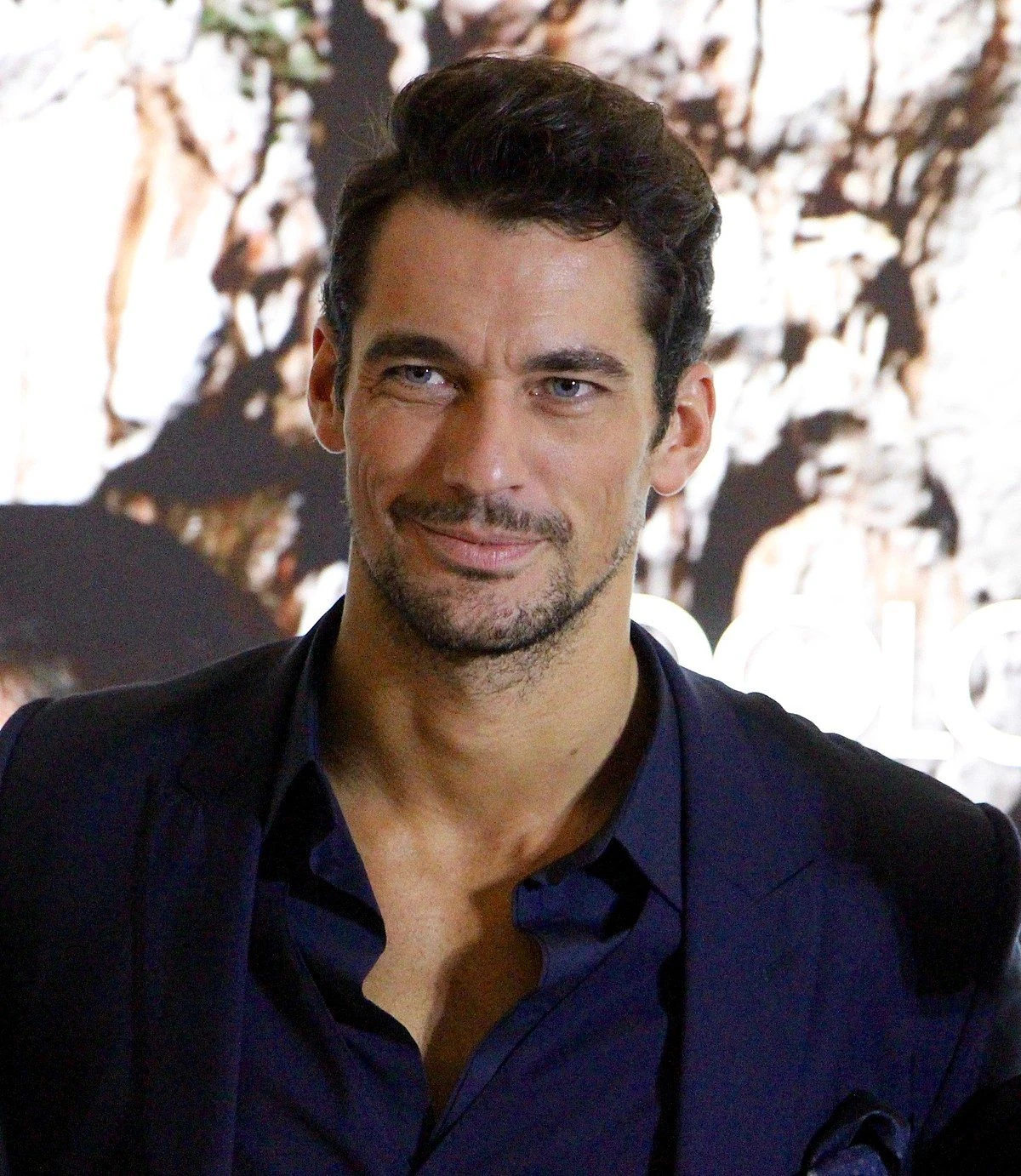
David Gandy’s modelling career began with a competition he had not entered himself. In 2001, while studying marketing at the University of Gloucestershire, his flatmate put his name forward for a televised model search on ITV’s This Morning. Gandy, then 21, won a contract with Select Model Management. The path from student to international fashion model was swift, but his career soon reached beyond the camera, into fashion projects, writing and public appearances.
A competition opens a new career
Gandy was born in Billericay, Essex, on 19 February 1980. As a young man, he hoped to become a veterinary surgeon, but his grades did not meet the requirements for that course. He studied multimedia computing and worked for Auto Express, delivering Porsches and Jaguars to a testing track. By 2001, he was studying marketing at the University of Gloucestershire when his flatmate entered him, without his knowledge, in the competition hosted by Richard and Judy.
Winning brought a contract with Select Model Management in London. The following year, Gandy left university a few modules short of an honours degree to pursue modelling full time. His early assignments ranged across fashion and retail: among the companies he modelled for were Zara, H&M, Hugo Boss, Marks & Spencer, Gant USA and Carolina Herrera. That range gave his career a commercial breadth beyond any one campaign or fashion house.
Dolce & Gabbana and the Light Blue campaigns
In 2006, Gandy became a face of Dolce & Gabbana, appearing in the Italian fashion house’s clothing campaigns and shows through 2011. His profile grew particularly through its Light Blue fragrance advertising. The campaign photographed by Mario Testino was released in 2007, with Gandy pictured in white swimwear beside Marija Vujovic against the waters of Capri. A 50-foot billboard featuring him was displayed in Times Square, helping make the image recognisable well beyond the fashion world.
Gandy returned for further Light Blue campaigns: one in 2010 with Anna Jagodzinska and another in 2013 with Bianca Balti, again filmed by Testino on Capri. His work for the fashion house also included its 2008 calendar. In 2011, Dolce & Gabbana published a 280-page photographic book documenting their years of collaboration. The partnership became a defining part of his public profile, but it sat within a broader workload. In 2012, he appeared on 16 magazine covers, featured in 18 fashion editorials and modelled for brands including Banana Republic, Lucky Brand Jeans and Marks & Spencer.
Gandy’s muscular build was distinctive in a period when some areas of menswear modelling favoured slimmer physiques. The earlier account describes him as challenging the prevailing aesthetic; the more careful conclusion is that his build and growing recognition made him a prominent alternative within the industry. The available evidence supports his visibility and career reach, not the claim that one model alone changed fashion standards.
British fashion, writing and public appearances
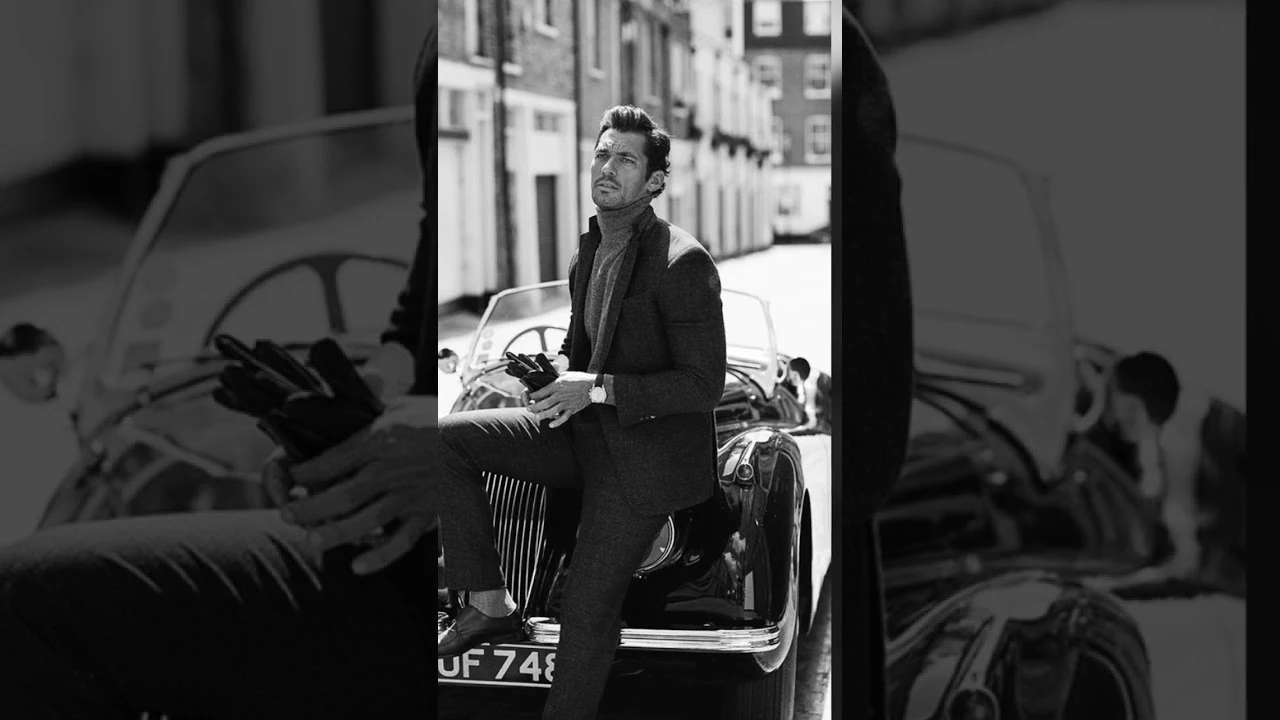
Gandy’s British career has involved more than his Essex birthplace. In 2010, he released the David Gandy Men’s Style Guide mobile app, offering advice on clothes and personal style; it reached the top three in the lifestyle market. That year, he spoke at the Oxford Union on a fashion panel. In 2011, he began writing a blog for British Vogue, discussing his career, fashion, cars, antiques and life in London. He also reviewed cars for British GQ and served as guest writer and editor of the Evening Standard’s men’s issue.
In 2012, Gandy joined the British Fashion Council committee involved in launching London Collections: Men as part of London Fashion Week. At the closing ceremony of the London Olympics that summer, he was the only male model on a Union Jack-shaped catwalk presenting British fashion. He wore a gold bespoke suit by British designer Paul Smith. It was a conspicuous appearance within an international event, and a specific link between his public profile and the presentation of British design.
His writing continued across British publications. In 2013, the Daily Telegraph announced him as a contributing columnist for its new men’s lifestyle section. He also took on projects outside fashion. After receiving his racing licence in 2012, he competed with Yasmin Le Bon in the 2013 Mille Miglia, driving a 1950 Jaguar XK120 as part of Team Jaguar. They finished 158th among 415 cars. That year, he appeared in a short film for Jaguar, driving several of the marque’s models.
Recognition and work beyond modelling
Industry recognition accompanied Gandy’s growing profile. In 2008, Spanish magazine Glamour named him Most Beautiful International Male Face. In 2010, he became the first man nominated for Model of the Year by the British Fashion Council; he received a second nomination in 2012. Forbes ranked him third among male models in 2009 and second in its 2013 list of the world’s top-earning male models. These are rankings from particular years rather than definitive measures of a career, but they record the commercial reach he had achieved.
Gandy’s work also included fashion projects beyond modelling. An earlier account describes a Marks & Spencer sleepwear and underwear range that he co-designed. His modelling for the retailer is also documented in the account of his career, although the available detail about the design work is limited. The earlier account likewise describes charitable activity, naming Battersea Dogs & Cats Home and an ambassador role. That specific claim is not established in the reference used here, so it should not be treated as confirmed.
Conclusion
Gandy’s career has moved between commercial modelling, editorial work, fashion promotion and other projects. The televised competition that launched it led to a contract in London, a sustained relationship with Dolce & Gabbana and work for a broad range of international brands. Along the way, he developed a public presence as a writer and commentator on clothing, cars and lifestyle, while his app offered practical style advice to users.
His story is most clearly understood through these specific roles rather than broad labels such as cultural ambassador. It includes participation in British fashion institutions, a place in the London Olympics’ fashion presentation and contributions to British publications. His career also crossed into motoring, from car reviews to the Mille Miglia. Together, those strands provide a fuller account of a model whose public work extended well beyond advertising campaigns.
Why David Gandy deserves a place in British Legacy
David Gandy merits a place in British Legacy because his career connects a beginning in Essex with the institutions and platforms of British fashion. His televised competition led to modelling work in London and then to an international profile, most visibly through the Light Blue campaigns. The long-running Dolce & Gabbana collaboration, its photographic book and his work for a range of other labels show how a model’s image can become a substantial part of fashion advertising and public culture. His career is not evidence that one person single-handedly transformed menswear; it is a documented example of a distinctive model building a wide and durable professional presence.
The British dimension is equally tangible. Gandy took part in the British Fashion Council committee involved in launching London Collections: Men, appeared in the London Olympics’ presentation of British fashion wearing a Paul Smith suit, and wrote for British Vogue, British GQ, the Evening Standard and the Daily Telegraph. Those roles connected him to the promotion of British design and to public discussion of men’s style. His app and writing also took fashion advice beyond the runway, while his work in motoring widened the range of his public activities. That combination—international modelling success alongside specific contributions to British fashion and media—makes his place in this collection clear.
Sources
David Gandy — Wikipedia revision 1358982929
Adapted in part from David Gandy by Wikipedia contributors, under CC BY-SA 4.0. Text has been edited and combined with the existing article; this adapted text is shared under the same licence. Contributor history.