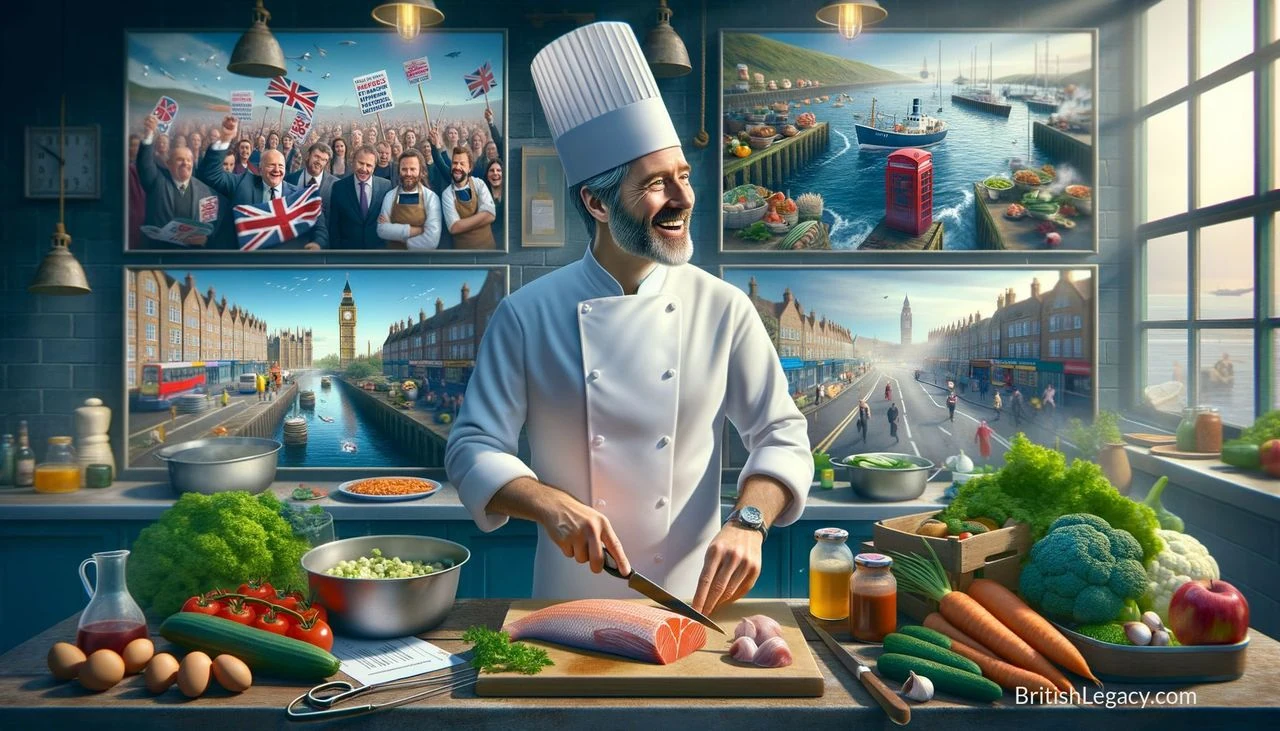
Hugh Fearnley-Whittingstall: A Champion of Sustainable Food and Environmental Stewardship
The lush landscapes of the British countryside have long been a source of inspiration, sustenance, and pride. Among the many voices advocating for a harmonious relationship with nature, few have resonated as profoundly as Hugh Fearnley-Whittingstall. Known both for his formidable culinary skills and his fervent campaigns for sustainable food production, Fearnley-Whittingstall epitomises the union of gastronomy and conscientious living. His contributions to British heritage extend beyond the kitchen, playing a pivotal role in transforming policies and practices that affect our environment and food systems.
The Culinary Advocate
Emerging as a chef with a mission, Fearnley-Whittingstall’s journey began in the fertile fields of River Cottage, a smallholding in Dorset that he transformed into both a culinary haven and a hub for sustainable living. River Cottage is more than just a location; it’s a microcosm of Fearnley-Whittingstall’s philosophy. Here, the principles of farm-to-table dining come to life, with an emphasis on seasonal, locally-sourced ingredients and traditional cooking methods. This ethos has been a cornerstone of his many television programmes, books, and live events, engaging audiences with the charm and singularity of British produce.
Through the myriad series under the River Cottage brand, Fearnley-Whittingstall’s adventures captivated viewers as he championed ethical farming, foraging, and nose-to-tail eating. His storytelling prowess and authentic passion inspired many to explore similar practices in their own lives, fostering a renewed appreciation for British agriculture and cuisine.
Campaigner for Change
However, Fearnley-Whittingstall is much more than an ambassador of British gastronomy—he is a tireless campaigner for systemic change. His passion for sustainability has catalysed significant shifts in public awareness and policy.
One of his most notable campaigns targeted the fishing industry. The Fish Fight campaign, which began in 2010, highlighted the scandal of bycatch—fish caught unintentionally and often discarded back into the sea. Through powerful documentaries and a cohesive public campaign, Fish Fight brought to light the inefficiencies and environmental costs of current fishing regulations. This effort culminated in over 870,000 people signing petitions and resulted in tangible legislative change at both national and European levels, paving the way for more sustainable fishing practices.
Equally impactful was the War on Waste initiative, which took a critical look at the alarming amount of food wasted by supermarkets, households, and the hospitality industry. Fearnley-Whittingstall’s incisive documentaries laid bare the extent of this issue, showcasing the environmental and ethical implications of food waste. His efforts spurred several major supermarkets to review and revise their waste policies, leading to more responsible food retail practices.
Broader Impact and Legacy
Fearnley-Whittingstall’s influence extends into various facets of British society. His advocacy for sustainability has brought food provenance, animal welfare, and environmental stewardship to the forefront of public discourse. His work encourages not just policy changes but also a cultural shift towards more mindful consumption and living.
Moreover, his endeavours have fostered a generation of individuals more attuned to the origins of their food and the ecological impact of their choices. From small-scale farmers to urban consumers, many have embraced the principles he espouses, reinforcing the timeless values of sustainability and conservation.
In a world grappling with environmental crises, Hugh Fearnley-Whittingstall stands out as a beacon of hope and practicality. His work serves as a reminder that our heritage is not only something we inherit but also something we shape. By blending the joys of cooking with the imperatives of ecological responsibility, he has significantly contributed to the legacy of Great Britain, championing a future where prosperity and sustainability go hand in hand.
As we look to the future, Fearnley-Whittingstall’s life and work remind us of the profound connection between our plates and the planet. His story is a testament to the impact one individual can have on preserving and enhancing the collective heritage for generations to come.