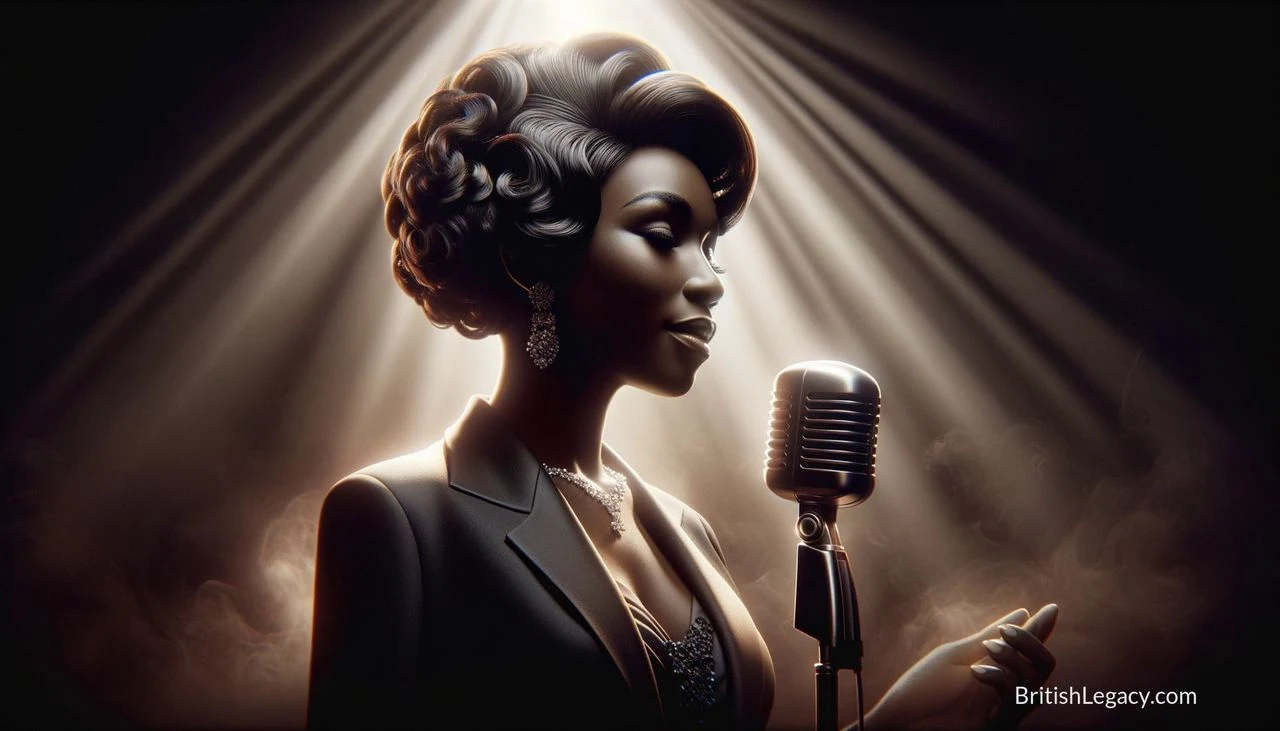
Sade: The Enigmatic Voice of British Soul
When reflecting on the legacy of British music, few names resonate as powerfully as Sade Adu, better known simply as Sade. Born Helen Folasade Adu on January 16, 1959, in Ibadan, Nigeria, and raised in England, Sade has left an indelible mark on the music world. Her sultry voice and unique blend of smooth jazz, soul, and pop have captivated audiences worldwide, establishing her as a cornerstone of the British musical heritage.
The Beginnings of a Legend
Sade's journey to international stardom began in the 1980s. After studying fashion and briefly working as a model, she ventured into the music scene with the band Pride. Her remarkable talent quickly outshone the band's presence, leading to the formation of the band Sade. In 1984, they released their debut album, "Diamond Life," which became one of the best-selling debut albums of the era. The album introduced the world to Sade's smooth, hypnotic vocals and the band's refined sound, with standout tracks like "Your Love Is King" and the timeless hit "Smooth Operator."
A Voice Like No Other
Sade's voice is instantly recognisable, noted for its emotional depth and versatility. Her ability to convey profound feelings with a seemingly effortless delivery has earned her a place among the great vocalists of all time. Songs like "Smooth Operator" showcase her storytelling prowess, painting vivid pictures of urban sophistication and intrigue. Her music often defies categorisation, blending elements of R&B, soul, jazz, and pop into a seamless, sophisticated sound.
Sustained Success and Global Impact
Following "Diamond Life," Sade released a string of successful albums, including "Promise" (1985), "Stronger Than Pride" (1988), "Love Deluxe" (1992), and "Lovers Rock" (2000). Each album further cemented her place in the pantheon of great British musicians. Her 2010 album, "Soldier of Love," marked a triumphant return after a decade-long hiatus, proving her timeless appeal.
Sade's influence extends far beyond her record sales and awards. She has inspired a generation of artists across multiple genres, from neo-soul and R&B to ambient and electronic music. Her timeless style and understated elegance have made her a cultural icon, influencing not just music but also fashion and broader aspects of popular culture.
Contribution to British Legacy
What makes Sade an integral part of the great British legacy is her ability to transcend cultural boundaries. Her music, rich with emotional depth and universal themes, has achieved global acclaim, touching hearts and minds across continents. She embodies the spirit of British innovation and creativity, constantly evolving while maintaining a distinctive style.
Sade's success also highlights the diverse cultural tapestry that enriches the British heritage. As a British-Nigerian artist, she brings a fusion of influences that enhance the richness of British music, showcasing the nation's capacity for cultural integration and artistic excellence.
Beyond the Music
Sade's influence is not confined to her recordings alone. Her sporadic but highly anticipated tours are events in themselves, renowned for their intimacy and the emotional connection she forges with her audience. In every performance, she proves that true artistry transcends time, and her music remains as relevant and captivating as ever.
In essence, Sade represents the epitome of British musical achievement and innovation. Her career, spanning over four decades, is a testament to the enduring power of quality, authenticity, and emotional resonance in music. She occupies a unique place in the annals of British heritage, her contributions immortalised in the hearts of fans worldwide and in the legacy of British soul music.
Sade's story is not merely one of fame and success; it is a tale of artistic integrity, cultural fusion, and the timeless power of music to connect and inspire. Her legacy enriches the great British heritage, making her an enduring symbol of elegance, talent, and the universal language of song.