Sir Philip Green: The Controversial Tycoon Behind Arcadia Group
Introduction
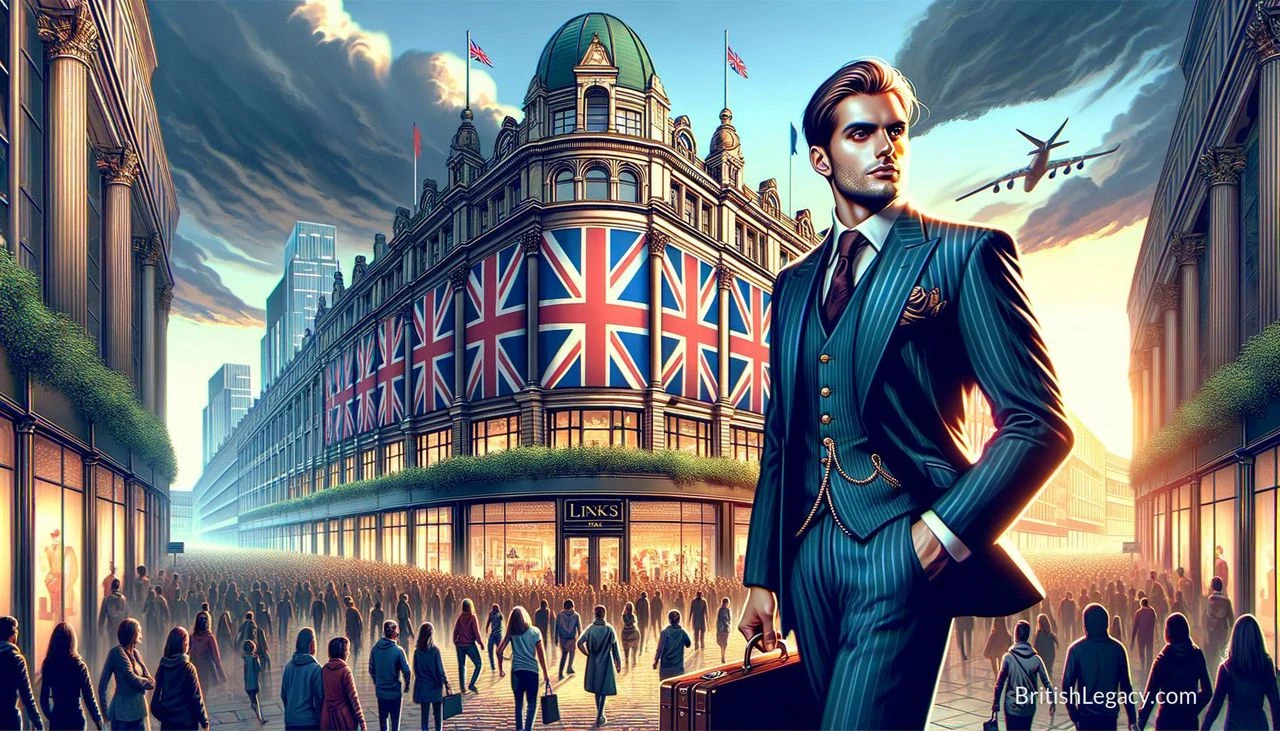
When one thinks of British retail, there is perhaps no figure more polarising or influential than Sir Philip Green. The name conjures images of high-street fashion and corporate boardrooms, of triumphs and controversies. As the Chairman of the Arcadia Group, Green's influence spanned brands that became staples in British shopping, including Topshop, Dorothy Perkins, and Burton. His legacy within the sphere of British retail is undeniable, shaping not only the retail landscape but also stirring significant public discourse on business ethics, corporate governance, and workers' rights.
Rise to Prominence
Born on 15 March 1952 in Croydon, London, Sir Philip Green's journey into the world of retail began early in life. He started working for a shoe importing business at the age of 15, learning the ropes of the trade. His first major business endeavour was the purchase of Jean Jeanie, a struggling jeans company, which he turned around and profited from handsomely. This deal set the tone for Green's career, marked by bold, high-stakes gambits.
Formation of the Arcadia Group
Green's substantial mark on the British retail scene truly began with his acquisition of the Arcadia Group in 2002. The conglomerate included beloved British brands such as Topshop, established in 1964, and Dorothy Perkins, which dates back to 1909. Under Green's leadership, Arcadia became a monumental presence on British high streets, redefining fashion for a generation.
Topshop, in particular, flourished in the early 2000s, blending high fashion with affordability, and quickly becoming a favourite amongst young people. With flagship stores in key locations, including the iconic Oxford Street store, Topshop was synonymous with trendy and accessible fashion. Dorothy Perkins and Burton offered more classic styles, catering to a wide array of customers, thereby solidifying Arcadia's stronghold on the retail market.
Business Strategy and Innovations
Green's success was largely attributed to his aggressive business strategies. He was known for his hands-on approach, personally selecting merchandise to be sold in stores. Green also implemented a business model focusing on fast fashion, reducing the time from design to retail, which kept Arcadia’s brands at the forefront of the latest trends.
Moreover, his acumen in real estate negotiations allowed Arcadia to secure prime retail spaces at competitive rates. By leveraging lower operational costs and ensuring a quick turnover of inventory, Green maximised profitability. This strategy not only kept the brands competitive domestically but also facilitated Topshop's expansion into international markets, including the United States.
Controversies and Criticisms
Despite his business achievements, Green's career has been marred by numerous controversies. Accusations of tax avoidance surfaced when it was revealed that his wife Tina, a Monaco resident, owned the Arcadia Group, allowing the Greens to legally avoid large sums of UK taxes. This revelation spurred public outrage and calls for tighter regulatory oversight on corporate tax practices.
Additionally, the collapse of BHS (British Home Stores), which Green sold in 2015, brought significant criticism. The company fell into administration within a year of its sale, putting 11,000 jobs at risk and leaving a substantial pension deficit. Green faced Parliamentary scrutiny, culminating in a demand that he pay £363 million to address the pension shortfall, which he eventually did.
In 2018, Green faced further allegations of misconduct, including racial and sexual harassment, leading to severe damage to his reputation and calls to strip him of his knighthood, which he had been awarded in 2006 for services to the retail industry.
Legacy and Impact
Sir Philip Green's legacy is a complex tapestry of innovation and scandal. On one hand, he was instrumental in transforming British high street retail, making fashion more accessible and revolutionising retail strategies that have been emulated across the globe. His work brought British brands to international markets, highlighting British style and ingenuity on a global stage.
On the other hand, his career serves as a cautionary tale about the perils of unchecked corporate power and the ethical responsibilities of business leaders. The controversies surrounding his business practices and personal conduct serve as poignant reminders of the need for accountability and transparency in the corporate world.
Conclusion
Sir Philip Green remains an indelible part of British retail history. Despite the controversies that have shadowed his accomplishments, his impact on the British high street and the global fashion industry is indubitable. His story is one of ambitious triumphs and profound lessons, illustrating both the heights of entrepreneurial success and the depths of corporate responsibility. As such, he remains a key figure in the narrative of British heritage and legacy.