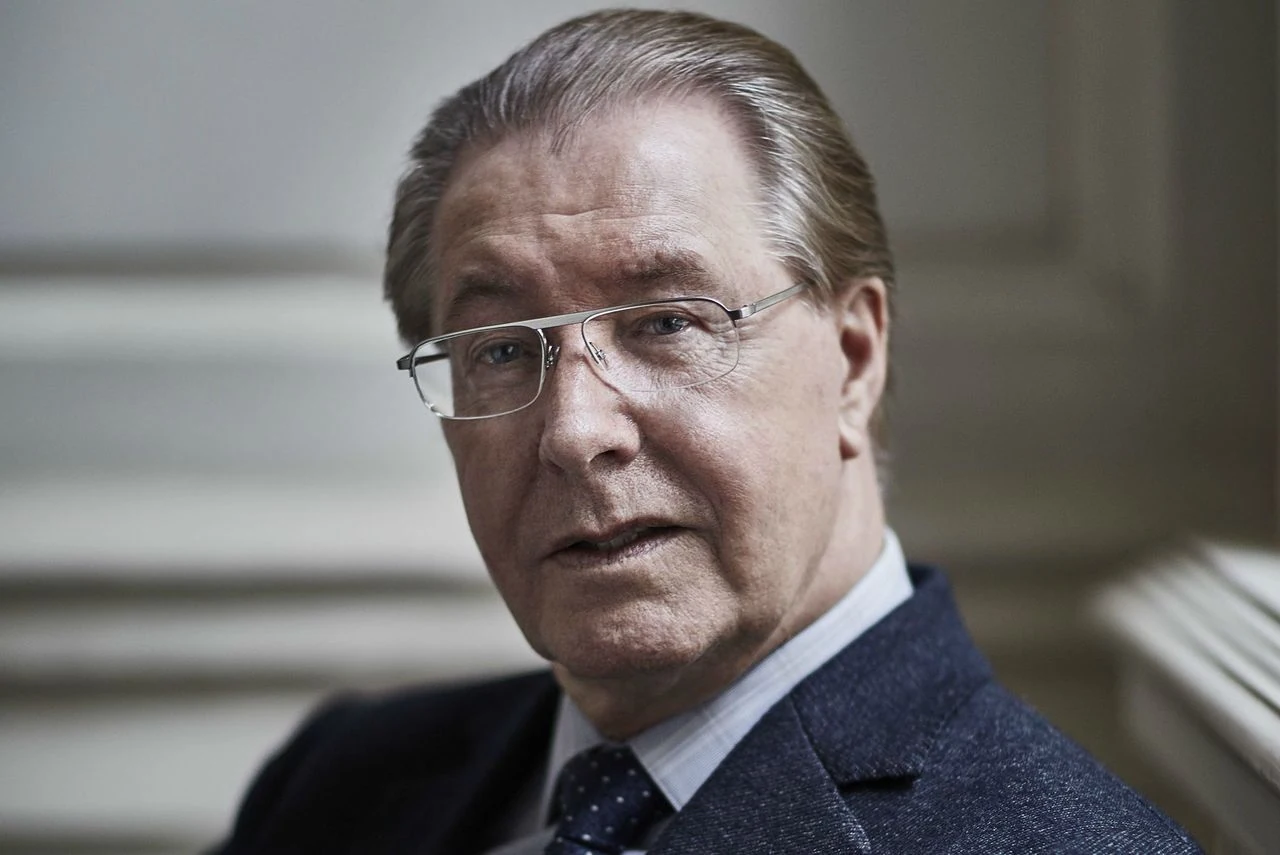
John Hargreaves opened the first Matalan in Preston in 1985. From one store, he built a UK out-of-town discount chain selling clothing and homeware. The business offered shoppers an alternative to the traditional high street, and its growth made Hargreaves one of Britain’s best-known retail entrepreneurs.
From Everton to retail
Hargreaves was born in January 1944 in Everton, Liverpool. His father was a docks labourer, and he was one of eight children. The family shared one bedroom in a Liverpool terrace house. Hargreaves left school at 14 and entered the retail business at 16.
Those early circumstances are part of the context for a business built around discount clothing and homeware, but they do not by themselves explain the decisions that shaped Matalan. The important milestones are more concrete: Hargreaves’s early start in retail, the opening of the Preston store and the expansion of the company that followed.
The original account says Hargreaves visited the United States in 1985 and encountered warehouse-style retailing there. It also presents value for money as a central idea behind his approach. That trip is not mentioned in the biographical account used here, so it is not possible to establish its precise part in Matalan’s founding. The clearest documented starting point is the store Hargreaves opened in Preston that year.
Building a discount retailer
Matalan began in 1985 as an out-of-town discount clothing and homeware chain. The original article describes its first store as a warehouse-style operation selling a range of goods through a membership scheme. It also says that the company grew from one outlet to a nationwide chain during the following decade. Taken together, those details describe a retail format focused on a broad offer and discounted prices beyond the traditional high street.
The existing account says the company was named after two of Hargreaves’s sons, Matthew and Alan. The biographical record identifies his children as Jason, Jamey and Maxine. Since those accounts give different names, the claim about the company’s name is not repeated as fact here.
By the time the company changed ownership, Matalan had become a large UK retailer. The biographical account describes it as an out-of-town chain and reports that it had more than 200 UK stores and employed more than 16,000 people. Those figures help convey the scale reached by the business, though they are not a measure of the company’s current size.
Leadership, ownership and the tax case
Hargreaves remained closely associated with Matalan as its founder and chairman. In November 2007, he resigned as chairman, less than a year after taking the company private. That change marked a significant point in the relationship between the entrepreneur and the retailer he had established: he was no longer chairing the business he had led.
A later dispute with HM Revenue and Customs concerned the disposal of Matalan shares. Hargreaves claimed he was not UK-resident from March 2000 and therefore was not liable for capital gains tax on a £231 million gain arising from the sale of shares in May 2000. HMRC resisted the claim. In the subsequent litigation, Hargreaves accepted that he had not in fact been non-resident in 2000/01, and his appeal was dismissed. The judgment meant he could be liable for up to £135 million.
The case forms part of the public record of Hargreaves’s business career, but it is distinct from Matalan’s retail history. It concerned his tax-residence claim and the tax treatment of a share disposal; it should not be conflated with the company’s trading performance or the way its stores served customers.
Scale and succession
Matalan’s reported store and employee numbers indicate how far the company grew from its 1985 beginning. Its reach across the UK turned the discount clothing and homeware format into a substantial presence in British retail. The original article also describes jobs and local economic effects, but gives no supporting figures or specific examples for those wider claims. It is therefore more useful to describe the documented scale of the chain than to attach unsubstantiated effects to particular communities.
Hargreaves’s family also remained connected to retail. His daughter Maxine purchased the British womenswear retailer Fenn Wright Manson for an undisclosed sum on 28 March 2012. This was a separate transaction, not an extension of Matalan’s store expansion, but it shows another point at which the family’s business interests intersected with British fashion retail.
Hargreaves’s career thus spans several different roles: an early entry into retail, the founding and growth of Matalan, a later departure from its chairmanship, and a public legal dispute over tax residence. Keeping those episodes distinct makes it easier to see the business achievement without turning the story into a simple tale of uninterrupted success.
Why John Hargreaves deserves a place in British Legacy
John Hargreaves belongs in a history of British business because he founded a retailer that grew from one Preston store into a chain with more than 200 UK outlets. Matalan’s focus on discounted clothing and homeware gave shoppers an alternative to the traditional high street. Its out-of-town format and scale are tangible features of the retail landscape he helped build; they matter more than unsupported claims that a single entrepreneur transformed the whole industry.
His story also captures the successive stages of building a large British company. Hargreaves entered retail as a teenager, opened Matalan in 1985, and remained its chairman until his resignation in 2007. The later tax case, arising from the disposal of shares, is part of that business history too, and makes the record more complicated than a celebratory account of growth alone. Remembering both the achievement and the complications gives British Legacy a more useful portrait of enterprise: one rooted in a specific city, a specific retailer and the decisions that shaped its rise.
Sources
John Hargreaves (businessman), revision 1354943628 · John Hargreaves (businessman)
Adapted in part from John Hargreaves (businessman) by Wikipedia contributors, under CC BY-SA 4.0. Text has been edited and combined with the existing article; this adapted text is shared under the same licence. Contributor history.