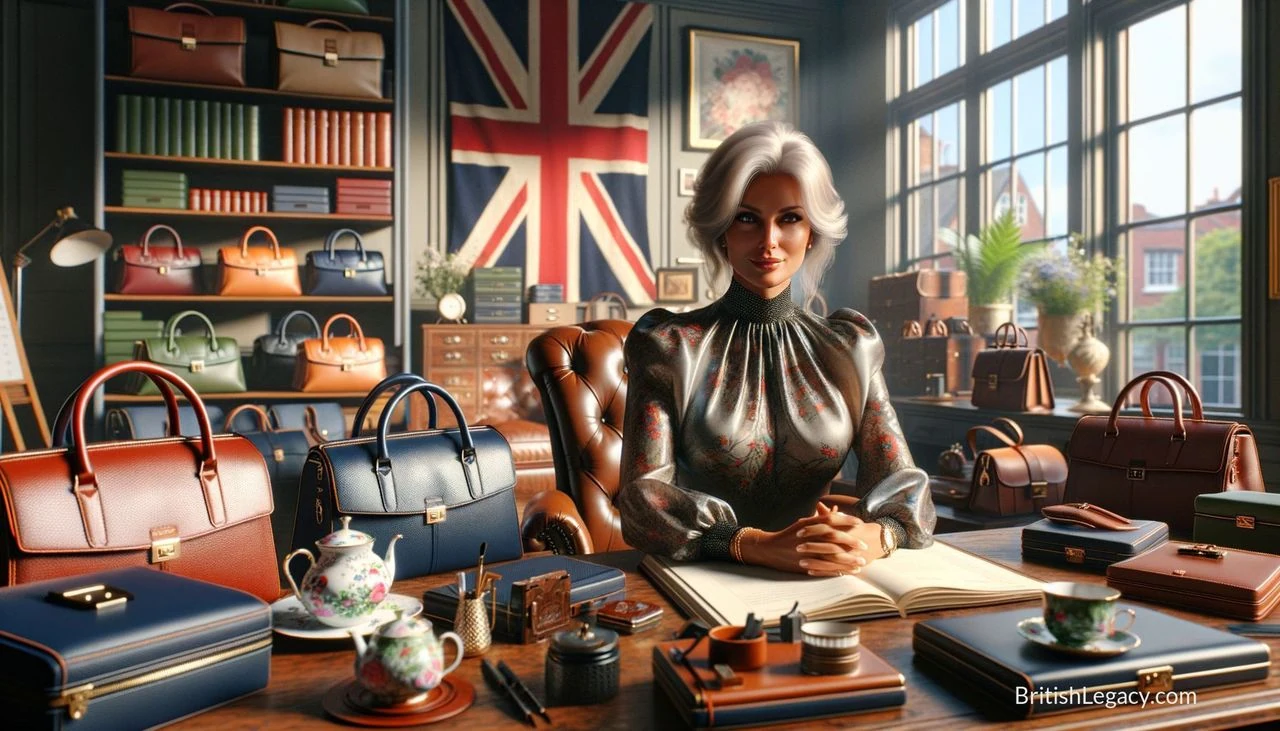
In 2008, Julie Deane began the Cambridge Satchel Company in the living room of her family home, with £600 and a pressing reason to make money: raising school fees for her children. Her idea drew on a familiar object from her own schooldays. She set out to make a satchel that was practical and lasting, while giving its traditional shape a place in contemporary fashion.
A Cambridge start
The company began on a modest budget, centred on leather satchels in a range of colours. The bags retained a simple, recognisable form associated with school use, but their appeal extended to adults as well as schoolchildren. In the original account of the business, they appear in high-end boutiques and fashion magazines—signs of a move from a practical school bag towards a fashion accessory.
That shift is the clearest thread in Deane’s early story. She did not abandon the traditional design; she presented it to a broader audience. The result brought together an established form and a new context for wearing it, making the satchel as relevant to fashion-conscious adults as to pupils.
Reaching customers
The company used online platforms and social media in its early days to reach customers. Celebrity endorsements and appearances on fashion blogs also helped bring the bags to wider attention. Alongside the product, Deane’s own story—starting a business to address a family financial need—became part of the company’s public identity.
The account describes the brand as attracting customers internationally and says its products were British-made. It also claims the business supported local artisans and created jobs, but gives no detail about the scale of that activity. Those claims therefore need to be treated cautiously; the more specific account is of a Cambridge-founded company using online promotion and fashion coverage to take a traditional satchel to a wider market.
Enterprise and recognition
Deane’s venture joined a familiar product to a contemporary route to market. The company’s use of social media and online platforms complemented a design that was immediately recognisable, while fashion-blog coverage and celebrity endorsements added visibility. The business account says Deane was appointed an Officer of the Order of the British Empire for services to entrepreneurship and the business community, but provides no date. It also refers to company accolades without naming them, so no particular company awards can be identified here.
The story does not need grand claims to be compelling. It begins with a defined financial need, a £600 starting budget and an idea rooted in Deane’s memories of school satchels. Its development shows how a traditional design could be adapted for customers beyond its original school association.
Why Julie Deane deserves a place in British Legacy
Julie Deane’s place in British Legacy rests on a clear entrepreneurial achievement. In 2008, she started the Cambridge Satchel Company from her family home with £600, aiming to raise school fees for her children. She used a traditional school satchel as the starting point for a leather bag intended to be practical and lasting, then brought that familiar design to an audience that included both schoolchildren and adults. The connection to Britain is concrete: the venture began in Cambridge and centred on a design associated with British school life.
Her story also shows how a small business can pair a traditional product with newer ways of reaching customers. The company used online platforms and social media, while celebrity endorsements and fashion-blog appearances helped bring its bags to wider attention. The available account does not establish the scale of its employment or economic impact, and those claims are not needed to recognise the documented achievement. Deane turned a modest start and a recognisable design into a fashion business with an audience beyond the school gates. That combination of initiative, product and adaptation makes her story a useful part of Britain’s business and fashion history.