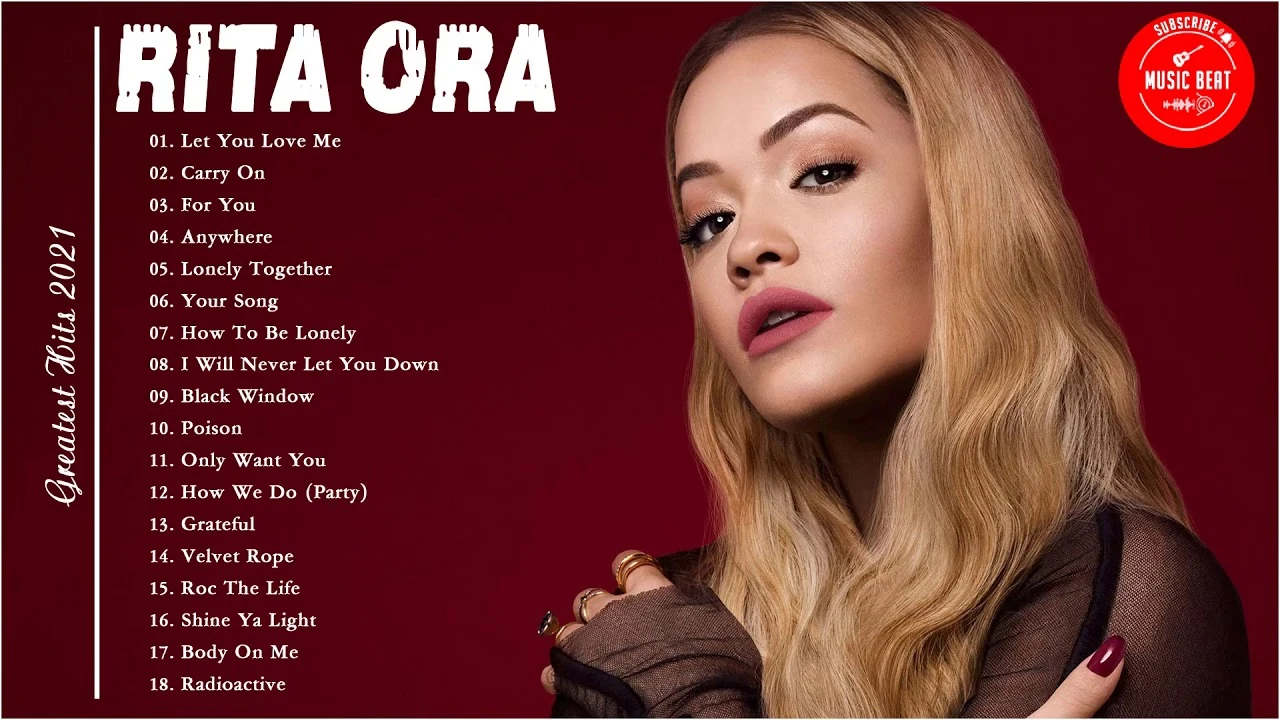
Rita Ora’s rise began in London: first in open-mic performances and music videos, then as the featured singer on a UK number-one single. In 2012, she followed that breakthrough with a debut album that also topped the chart. The career that grew from those early successes has moved between music, television, film and fashion. Ora was born in Pristina to an Albanian family and grew up in Britain; both parts of her story matter to understanding her place in British pop.
From Pristina to Notting Hill
Ora was born Rita Sahatçiu on 26 November 1990 in Pristina, then part of the Socialist Federal Republic of Yugoslavia and now in Kosovo. Her Albanian family moved to London in 1991, when she was a baby, amid the persecution of Albanians associated with the disintegration of Yugoslavia. She grew up in Notting Hill and attended Sylvia Young Theatre School. Her parents later added “Ora” to the family name; the supplied Wikipedia article explains that “ora” means “time” in Albanian and was easier to pronounce.
As a teenager she performed at open-mic sessions around London and sometimes at her father’s pub. Acting was another early interest: at 13, she appeared in an episode of the British drama The Brief, and in 2004 she appeared in the film Spivs. In 2008, she auditioned for the BBC programme Eurovision: Your Country Needs You, which was seeking the UK’s entrant for the 2009 Eurovision Song Contest. She qualified, but withdrew after a few episodes, explaining that she did not feel ready for the challenge.
That same year, Ora signed recording and publishing deals with Roc Nation, the American label founded by Jay-Z. She recorded an album, but the label advised against releasing it, and she began working on new material. Meanwhile, she posted covers and videos about her music on YouTube. They caught the attention of DJ Fresh, who was looking for a vocalist for “Hot Right Now”.
A breakthrough and a run of UK hits
“Hot Right Now” was released in February 2012 and entered the UK Singles Chart at number one. Ora’s solo breakthrough followed with “R.I.P.”, featuring Tinie Tempah and produced by Chase & Status; it also reached number one. “How We Do (Party)” became another UK number one and topped the chart in Ireland. Her debut album, Ora, released in August, debuted at the top of the UK Albums Chart.
The releases came in quick succession. “Shine Ya Light” became Ora’s fourth consecutive UK top-ten single in 2012. She supported Coldplay on their Mylo Xyloto tour and began her own UK tour in 2013. That year she performed at Glastonbury and received three Brit Award nominations, including British Breakthrough Act. At the 2012 MTV Europe Music Awards, she was nominated in three categories, among them Best UK/Ireland Act; the supplied evidence records a nomination, not a win.
In 2014, “I Will Never Let You Down” became a UK number-one single. Ora also featured on Iggy Azalea’s “Black Widow”, which reached number three on the US Billboard Hot 100. The song’s international chart performance marked a new reach for a career that had already made its strongest early impact in the UK. In 2015, Ora filed a lawsuit seeking release from Roc Nation, arguing that her contract was unenforceable under California’s seven-year rule and that she had been allowed to release only one album. Roc Nation filed a counter-lawsuit in 2016; the parties settled that May. Ora signed with Atlantic Records the following June.
Her next solo releases included “Your Song”, which reached number seven in the UK in 2017, and “Anywhere”, which peaked at number two. Both preceded her second album, Phoenix, released in 2018. “Let You Love Me”, from the album, reached number four and became Ora’s thirteenth UK top-ten single. The supplied Wikipedia article describes the total as a record for a British female solo artist at the time, surpassing the 30-year record jointly held by Shirley Bassey and Petula Clark. Her third studio album, You & I, followed in 2023 and debuted at number six in the UK.
Work beyond the recording studio
Television has given Ora a sustained presence in British entertainment. In 2015 she coached on The Voice UK and judged The X Factor. Later roles included hosting America’s Next Top Model and joining the panel of the UK version of The Masked Singer. She also coached on The Voice Australia from 2021 to 2023 and became a panellist on the American version of The Masked Singer. Her television career has therefore crossed formats and countries, but British programmes were a significant part of its development.
Her screen work includes Mia Grey in the Fifty Shades films, a role she reprised in the two sequels, and the Artful Dodger in Twist, a 2021 adaptation of Oliver Twist. She appeared in Pokémon Detective Pikachu and played the Queen of Hearts in the 2024 musical film Descendants: The Rise of Red. These parts sit alongside, rather than replace, her music career: in 2017 she hosted the MTV Europe Music Awards in London, and in 2022 she co-hosted the ceremony in Düsseldorf with Taika Waititi.
Fashion has been another strand of her work. Adidas announced a multi-year collaboration with Ora in 2014, and she designed collections for its Adidas Originals line, including footwear and accessories. She later worked with Italian lingerie brand Tezenis and co-designed a shoe collection with Giuseppe Zanotti. In 2019, she co-designed a capsule collection with Escada after appearing as the brand’s face. Primark announced a multi-season collaboration with her in 2023; its first collection, co-designed by Ora, comprised 169 pieces across clothing, shoes and accessories.
Public work and a continuing Kosovo connection
Ora’s British career has not erased her connection to Kosovo. In 2015, Kosovo’s president named her an honorary ambassador at a ceremony in London. Ora was born in Pristina, and the appointment formally recognised her ties to the country of her birth. Her public activity has also included speaking at a 2016 We Day UK event in London about immigration and the Syrian refugee crisis.
Her charitable work includes performing at the 2013 Chime for Change concert at Twickenham Stadium, which raised funds and awareness for girls’ and women’s issues. In 2014, she joined Band Aid 30 to record a song raising money for the Ebola crisis in West Africa. In 2019, she became an ambassador for UNICEF UK. These projects provide specific examples of public activity beyond her commercial work; they do not need to be turned into general claims about her influence or beliefs.
Her career has also involved decisions and changes behind the scenes. The dispute with Roc Nation, followed by a settlement and a move to Atlantic Records, preceded the release of Phoenix. The transition helps explain the gap between her first and second studio albums without implying that the change in label alone determined the music that followed. Across the record releases, screen roles, fashion collaborations and charity work, Ora has maintained several professional tracks rather than building her public profile around one occupation.
Why Rita Ora deserves a place in British Legacy
Rita Ora’s place in British Legacy rests on a clear and substantial connection to British popular culture. Her family moved to London when she was a baby; she grew up in Notting Hill, attended a London performing-arts school and began performing in the city. Her first major recording success, as the featured vocalist on “Hot Right Now”, topped the UK singles chart. Her debut album and several later singles also reached number one, while “Let You Love Me” contributed to a thirteenth UK top-ten single, a milestone identified in the supplied biography as a record for a British female solo artist at the time. These achievements give her career a measurable place in the UK charts rather than relying on broad praise.
Her contribution is also visible in the range of British-facing work she has undertaken. Ora has appeared as a coach and judge on major UK television talent shows, performed at Glastonbury and hosted the MTV Europe Music Awards in London. Her screen and fashion projects show how a contemporary pop career can move across entertainment industries, while her work with Chime for Change, Band Aid 30 and UNICEF UK documents public activity beyond performance and commercial partnerships. Her story also illustrates that a British cultural career need not begin with British birth: Ora’s Pristina birthplace and Albanian family background remain part of the account. Recognising both her chart achievements and the London career in which they took shape offers a more accurate picture of the varied backgrounds represented in British music.
Sources
Rita Ora — supplied Wikipedia revision
Adapted in part from Rita Ora by Wikipedia contributors, under CC BY-SA 4.0. Text has been edited and combined with the existing article; this adapted text is shared under the same licence. Contributor history.