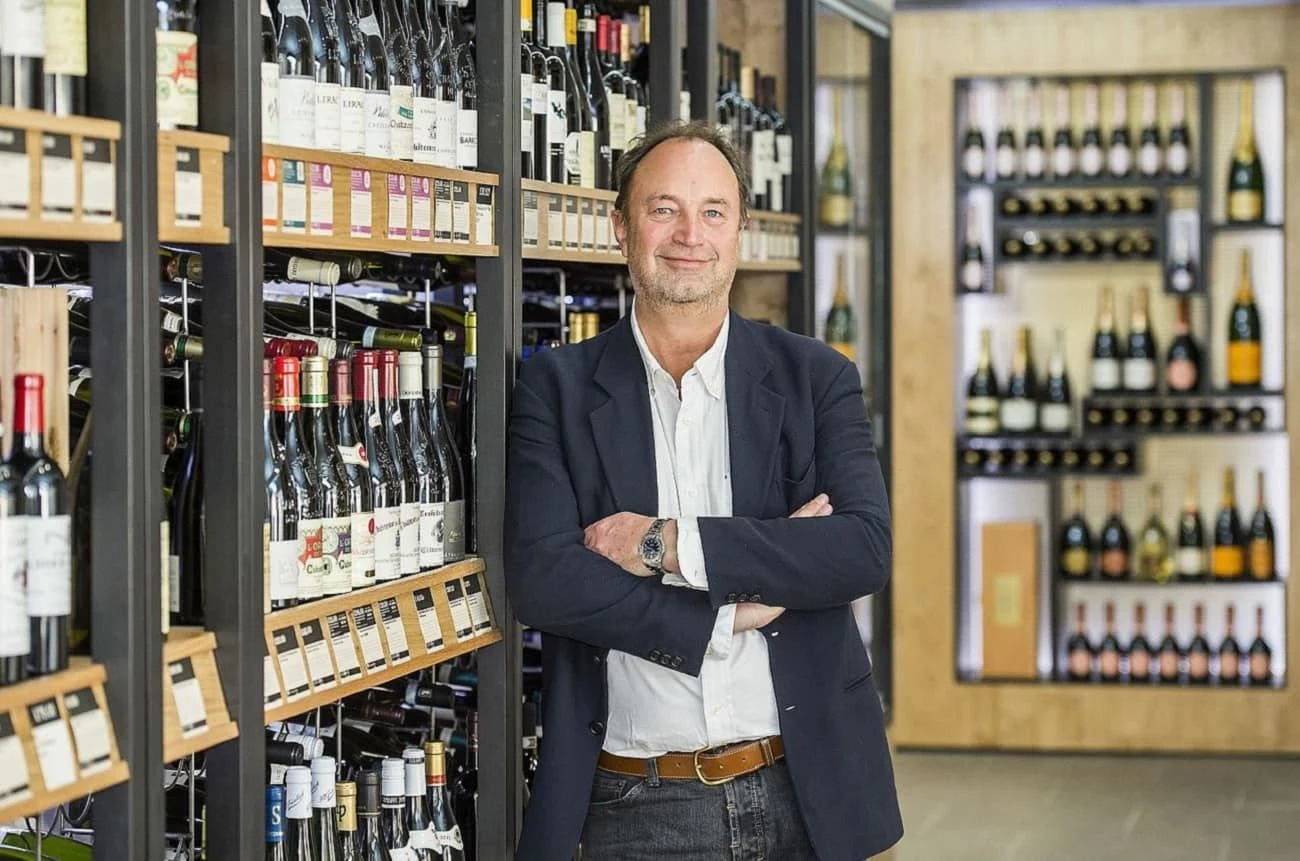
Rowan Gormley founded Naked Wines in 2008 with a model that invited customers to fund independent winemakers in return for access to their wines. It put a relationship between producer and drinker at the centre of an online retailer. Gormley had already helped establish Virgin Wines; Naked Wines became the business most closely associated with his name.
From South Africa to wine retail
Born in South Africa, Gormley graduated from the University of Cape Town with a finance degree. He began his career in auditing before moving into business, and worked for Richard Branson. The account of his career credits that experience with shaping his business approach, but does not describe his role or the work he undertook.
In 2000, Gormley established Virgin Wines. The venture sought to make wine retail more accessible to ordinary consumers. It gave him experience in wine selling before he founded Naked Wines eight years later. The record gives no operational details or results for Virgin Wines, so its place in Gormley's story is as a precursor to his later business.
Funding winemakers directly
Naked Wines' model was described as “crowdfunding for wine”. Customers, known as “wine angels” in the company's terminology, provided funding to independent winemakers. In return, they could gain access to wines at preferential prices. The arrangement was intended to give producers funding in advance of sales while connecting them more directly with customers.
Rather than limiting customers' involvement to buying finished bottles, the model gave them a role in supporting producers. Its stated aims included reducing the number of intermediaries, helping winemakers with upfront funding and offering customers a closer connection to the people making their wine. The account also describes opportunities for customers to learn about wines and the winemaking process.
Those aims are more concrete than the broader claims sometimes made about the business. No figures are given for the sums invested, the number of winemakers supported or the extent of any change in customer knowledge. Nor is there detail to substantiate claims that the model influenced other industries. What is clear from the description is the structure Gormley set up: customer funding linked to access to wines from independent producers.
Recognition and retirement
Naked Wines received a Decanter Retailer Award during Gormley's leadership, according to the account, although it does not give the year or category. It also lists competitive pressures, economic downturns and changes in digital commerce among the challenges facing the business, without identifying particular events or explaining how the company responded.
Gormley announced his retirement from Naked Wines in 2019. The account describes the company he left as thriving, but supplies no figures with which to assess that characterisation. The retirement marks the end of his leadership of the company in this account; claims about its performance or the wider effects of his business model need more specific evidence.
Why Rowan Gormley deserves a place in British Legacy
Gormley's connection to British business in this account rests on the ventures he helped establish: Virgin Wines and Naked Wines, an online wine retailer. Born in South Africa and educated at the University of Cape Town, he is not presented as a British-born entrepreneur. His place here is instead grounded in his association with wine businesses operating in the British commercial context.
Naked Wines offers a specific example of a different way to organise retail. Customers could fund independent winemakers and, in return, gain access to their wines. That arrangement connected the people providing money with those producing and buying the wine, rather than treating the customer only as the final buyer. Its scale and wider economic effects are not established here, but the business idea itself is clearly described. Gormley's record therefore merits attention for a defined entrepreneurial contribution, not for unsubstantiated claims of industry-wide transformation: he helped build a retail model intended to bring independent producers and customers into a closer relationship.