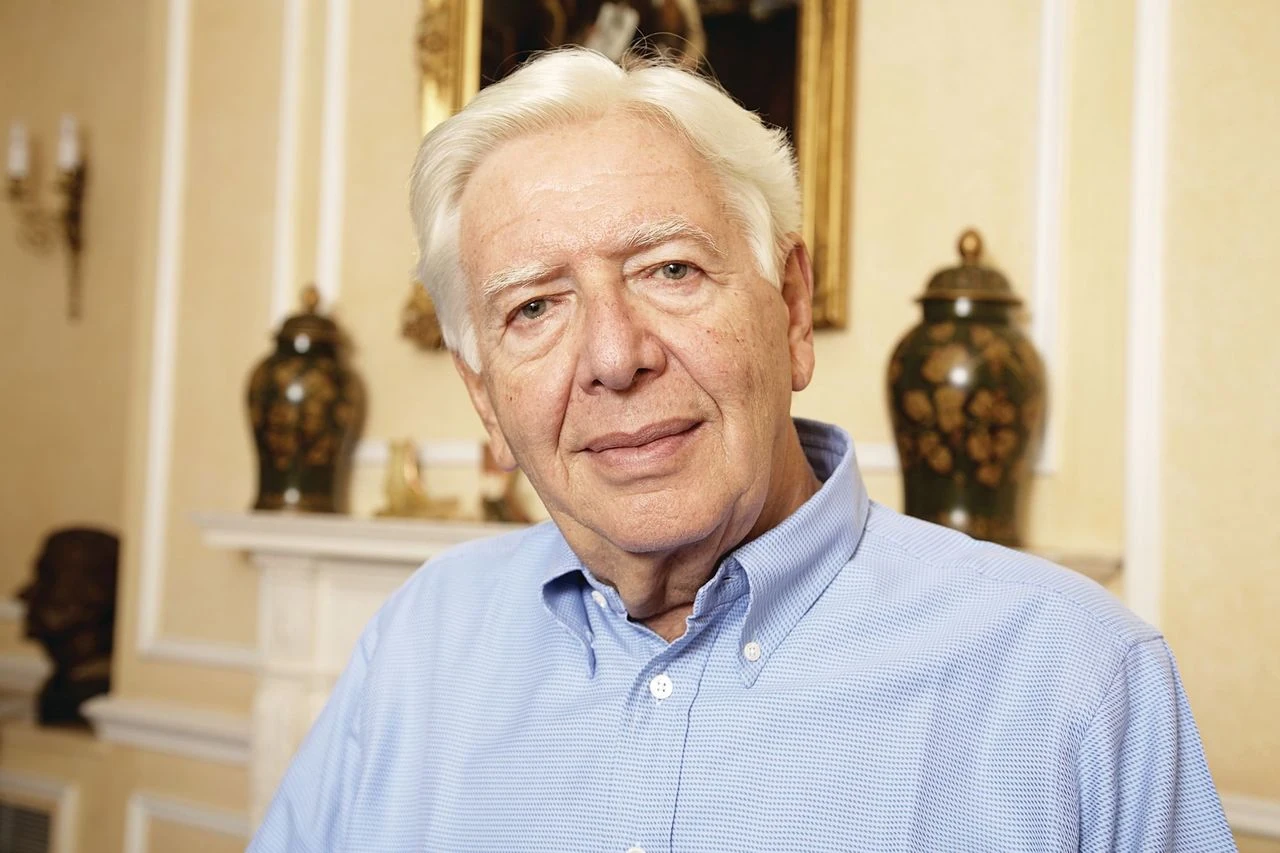
Stephen Rubin’s business story is closely tied to the growth of Pentland Group, the company he chaired after taking its helm in the 1980s. Under his leadership, Pentland expanded through acquisitions and developed a portfolio of sportswear and outdoor brands, including Speedo and Berghaus. The group’s history reaches back to a Liverpool business established in 1932; Rubin’s contribution came later, as he led its development into a company with brands serving competitive swimming, outdoor pursuits and other sports.
From Berko to Pentland
Pentland’s origins lie in Berko & Co Ltd, established in Liverpool in 1932. The company later came under the stewardship of Stephen Rubin’s father, Bertram Rubin. It became Pentland Industries Limited and, in 1971, Pentland Group. Stephen Rubin took the helm in the 1980s, guiding a business that expanded through acquisitions and strategic growth.
The distinction between the company’s origins and Rubin’s later role is central to its story. He did not found the Liverpool business: his leadership followed the earlier stages of its development and the change of name to Pentland Group. During his chairmanship, the company brought together brands with different histories and audiences, from competitive swimming to outdoor equipment, fashion and team sports. Its reach rested on a portfolio rather than one product or market.
A portfolio spanning sport and the outdoors
Pentland acquired Speedo in 1991. The brand is associated with competitive swimming and Olympic competition; the original account also identifies its Featherlight swimsuits. Speedo gave the group a prominent connection to swimming, where clothing and equipment are part of the competitive setting. Its name also helped make Pentland’s portfolio visible to people well beyond the company’s Liverpool beginnings.
Berghaus brought a different focus. Founded in 1966 by climbers and mountaineers, it is associated with outdoor equipment and performance wear. Under Pentland’s ownership, it became part of a group whose brands served both sport and outdoor exploration. Pentland’s other listed brands included Ellesse, Mitre, Canterbury and Endura, extending its portfolio across additional sporting and clothing markets.
These brands had their own identities and histories; their inclusion in Pentland’s portfolio should not be confused with Rubin founding each business or creating every product. His role, as chairman, was to lead the group through acquisitions and expansion. That approach allowed a single company to encompass names associated with distinct activities, from swimming to outdoor pursuits and team sport.
Business reach and public claims
Pentland’s brands connect the company to sporting and outdoor activities practised internationally. Speedo’s association with athletes and competitive swimming, alongside Berghaus’s link with outdoor exploration, gives that reach a practical context: the brands make products for people taking part in those activities. The original article presents this as a British cultural export, although it does not provide specific evidence for broader claims about national character or the brands’ standing against competitors.
It also describes Pentland as active in philanthropy, environmental stewardship and ethical labour standards. Without particular programmes or examples, those statements are best treated as broad descriptions of the company’s stated commitments, rather than as a detailed record of what it did. The group’s more clearly described public presence in this account comes through its portfolio and the activities with which its brands are associated.
Why Stephen Rubin deserves a place in British Legacy
Rubin’s place in British business history is best understood through the company he led. Pentland’s story begins with a Liverpool business established in 1932 and continues through its later development into a group with a varied sporting and outdoor portfolio. During Rubin’s chairmanship, acquisitions and expansion brought brands including Speedo and Berghaus, alongside Ellesse, Mitre, Canterbury and Endura, into that wider corporate story. This is a specific contribution: leading the development of a British-origin business whose brands became associated with activities and markets extending beyond its beginnings.
The company’s history also illustrates a form of business leadership based on growing and bringing together existing names, rather than founding every brand in a portfolio. Pentland’s range linked its commercial development to swimming, outdoor exploration and other sports, giving its work a tangible connection to how people participate in those activities. The available account does not substantiate every claim made about philanthropy, sustainability or cultural influence, so those claims should not be mistaken for evidence of particular achievements. Rubin’s documented significance here is his leadership of Pentland through expansion and the development of a recognisable portfolio. That makes his story a useful part of British Legacy: it connects a company with Liverpool origins to sporting and outdoor brands with international associations.