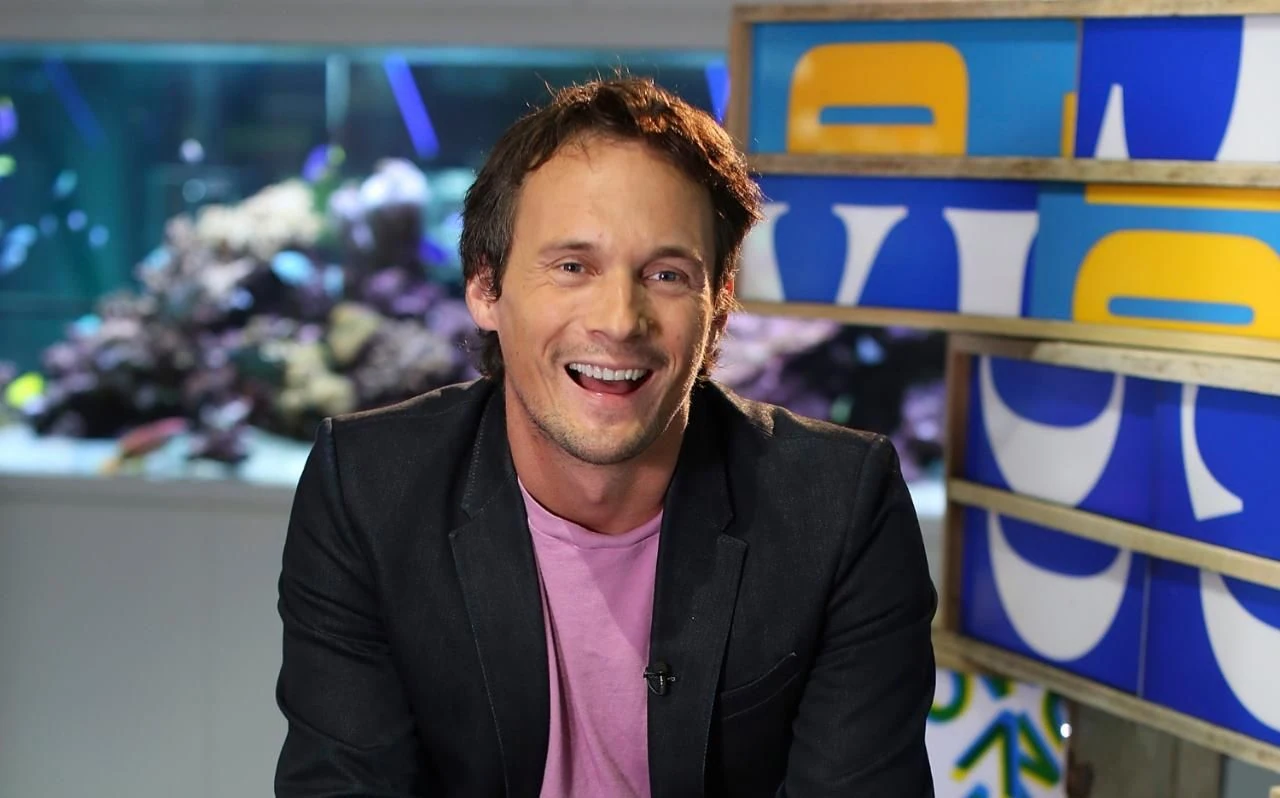
Richard Reed’s business career began with an idea that could be tested one bottle at a time. In 1998, after leaving their jobs, Reed and fellow Cambridge graduates Adam Balon and Jon Wright started selling smoothies from a market stall. A festival tasting stand gave them a simple way to ask whether customers thought they should commit to the business. The response encouraged the three friends to build Innocent Drinks, which grew into one of Europe’s largest smoothie brands.
From West Yorkshire to Cambridge
Reed was born in Kirkheaton, West Yorkshire, in 1973 and grew up in Mirfield. He attended Batley Grammar School before studying geography at St John’s College, Cambridge, from 1991 to 1994. After university he worked for four years as an account manager at an advertising agency. The experience preceded a change of direction: in 1998, he joined Balon and Wright in setting up a drinks business of their own.
The founders began on a modest scale. Their early operation was a market stall, and Reed later recalled that, after leaving their jobs, the three had little money and relied on a month’s salary each, stretching it as far as they could. They accrued debts of about £15,000 apiece through overdrafts and credit cards. In his account, it took four years for them to return to the £40,000 salaries they had given up. The beginnings of Innocent were therefore not an instant success story, but a risky start-up built with limited resources.
A festival test and a distinctive brand
The trio tested their smoothies at a music festival with a stand asking visitors whether they should give up their jobs to make the drinks. People voted by putting empty bottles into bins marked “Yes” or “No”. The simple exercise gave the founders a direct response from potential customers and became a memorable part of the company’s origin story.
Innocent’s identity took shape through more than its products. Reed helped develop the playful messages on its packaging, a style sometimes called “wackaging”. The company’s conversational tone made its cartons and bottles a recognisable part of the brand. The original account also credits its founders with a personable approach to marketing; rather than treating the packaging as a neutral container, Innocent used it as another way to speak to customers.
The business expanded from its early stall into an international company selling fruit smoothies and vegetable pots through outlets around the world. It became the biggest smoothie brand in Europe. In 2013, Innocent was sold to Coca-Cola, marking a significant change in the ownership of the company Reed and his co-founders had built. Reed stepped away from its day-to-day operations that year.
Business beyond Innocent
Reed continued to work with businesses after leaving Innocent’s daily management. In 2012, he co-founded Jamjar Investments, a venture capital firm that invests in start-ups. Its work connects his later career to the experience of building a company from an early-stage idea: backing new businesses offered a way to support other founders as they developed their own ventures.
His interests have also included charitable and public projects. Reed founded Art Everywhere and co-founded the Innocent Foundation. He presented the BBC Three television series Be Your Own Boss, bringing entrepreneurship to a television audience. In 2016, he published If I Could Tell You Just One Thing... Encounters with Remarkable People and Their Most Valuable Advice. He donated the author’s profits from the book to five charities concerned with mentoring and social inclusion.
Reed was appointed a Commander of the Order of the British Empire in the 2016 Queen’s Birthday Honours for services to the food industry and to charity. That recognition reflects two strands of his public work: building a food business and supporting charitable causes. His career has moved between company-building, investment, broadcasting and philanthropy, rather than remaining confined to the brand that first made him known.
From start-up risk to investment
The transition from Innocent to Jamjar Investments gives Reed’s career a clear arc. At the beginning, the founders were testing a product and taking on personal debt to keep their new business going. Later, Reed became an investor in other start-ups. The practical conditions differ, but both stages concern how an idea is given a chance to become a functioning business: first through the founders’ own commitment, and later through investment in other ventures.
His contribution to Innocent was also tied to the way the company presented itself. The quirky packaging messages helped make a consumer product feel conversational and approachable. Reed’s career consequently spans both the commercial work of developing and growing a business and the communication that helped give its brand a distinct voice. His later television and writing projects extended his engagement with enterprise and advice beyond the drinks market.
Why Richard Reed deserves a place in British Legacy
Richard Reed deserves a place in British Legacy for his role in building a British start-up into a major European drinks brand. Innocent began with three Cambridge graduates, a market stall and a product they asked festival-goers to judge. Its growth was not effortless: Reed recalled the founders’ limited funds, personal borrowing and several years before their earnings returned to their previous level. That early risk is part of the story, not a detail to be obscured by the company’s later scale. The business went on to become Europe’s largest smoothie brand and was sold to Coca-Cola in 2013.
Reed’s legacy also lies in the means by which the business made itself recognisable. Innocent’s playful packaging messages helped establish a distinctive style of communication in the British food and drink market. After stepping away from daily operations, Reed co-founded Jamjar Investments, turning his attention to funding start-ups, while his work with Art Everywhere, the Innocent Foundation, broadcasting and charitable book proceeds widened his activity beyond commercial management. Together, these achievements show a career connecting entrepreneurship with communication and charitable work. They give his British significance a specific basis: he helped create a prominent British-founded brand, then continued to engage with the businesses and causes that shape public and commercial life.
Sources
Richard Reed — Wikipedia revision 1372578004
Adapted in part from Richard Reed by Wikipedia contributors, under CC BY-SA 4.0. Text has been edited and combined with the existing article; this adapted text is shared under the same licence. Contributor history.