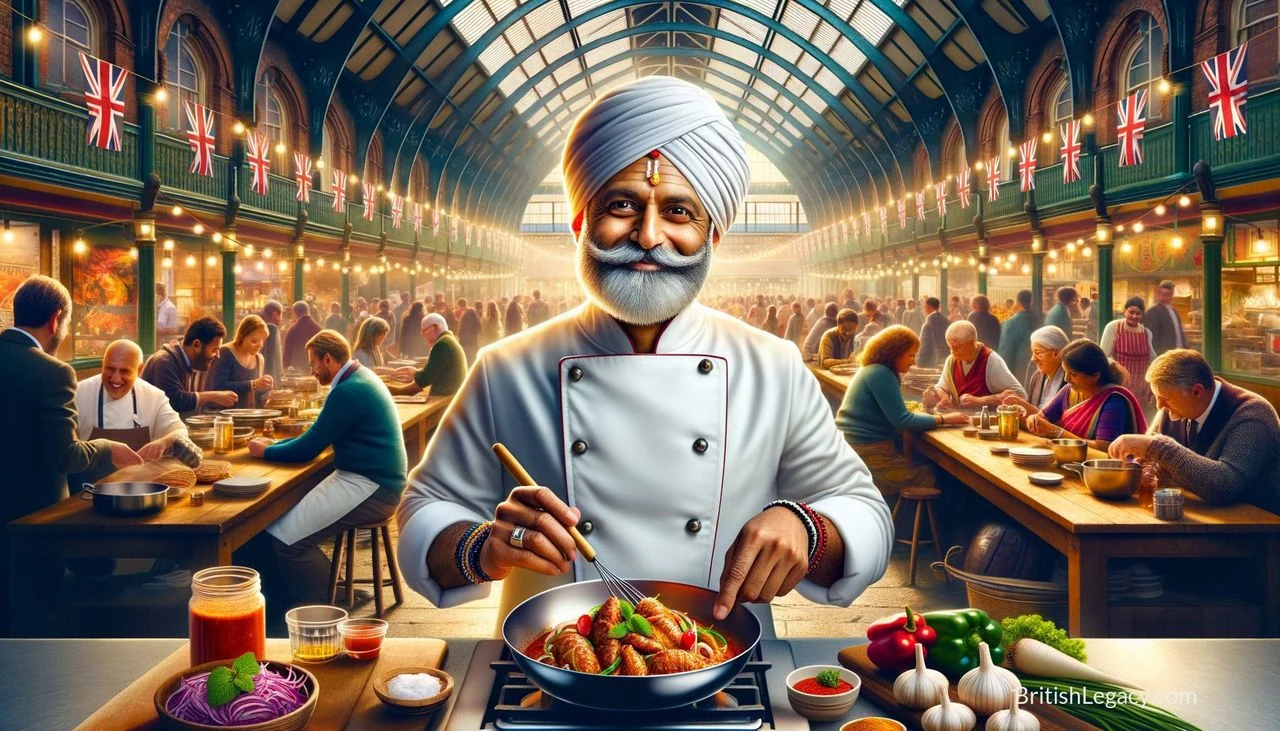
Atul Kochhar’s career in Britain has centred on bringing Indian cooking into the country’s fine-dining restaurants without separating it from its roots. Born in Jamshedpur, India, in 1969, he became the first Indian chef to receive a Michelin star, in 2001, while leading the kitchen at Tamarind in Mayfair. He later won a second Michelin star at Benares, the Mayfair restaurant he opened under his own name. His work ranges from dishes shaped by Indian traditions to recipes that rework familiar British food.
Recognition at Tamarind and Benares
Kochhar received his first Michelin star in 2001 at Tamarind, in London’s Mayfair. The award marked a significant moment in the public recognition of Indian cooking in British fine dining: he was the first Indian chef to receive a Michelin star. He went on to establish Benares in Mayfair, where he earned a second Michelin star. The restaurant paired an ambitious approach to Indian food with a setting described in the original account as both luxurious and intimate.
At Benares, Kochhar drew on the breadth of the subcontinent’s culinary traditions. His wider cooking brought together Indian flavours and contemporary British food, with the account highlighting complex spice profiles, inventive presentation and British produce. Rather than treating these influences as separate, he used them in combination: Indian culinary techniques and seasonings could meet ingredients grown or sourced in Britain.
Dishes that cross culinary traditions
Two examples illustrate the range of that approach. Kadhai King Prawns are described as prawns cooked in a kadhai sauce with peppers and onions, drawing on an Indian cooking style and its robust flavours. The dish was presented as a meeting of traditional Indian technique and British ingredients.
Roganjosh Shepherd’s Pie takes a different route, joining a British dish to a lamb preparation associated with Kashmir. The roganjosh is topped with mashed potato, turning the familiar form of shepherd’s pie into a vehicle for Indian flavours. Together, the dishes show how Kochhar’s menus could work in both directions: adapting Indian cooking through local produce, and bringing Indian preparations into a recognisably British format.
Restaurants, television and books
Beyond Tamarind and Benares, the account identifies two further restaurants associated with Kochhar. Sindhu, in Marlow, offers a more relaxed dining experience and overlooks the River Thames. Hawkyns, in Amersham, is described as serving modern British food with an Indian influence, combining local produce and spices. These ventures extend his work beyond Mayfair and beyond a single style of restaurant.
Kochhar has also appeared on British television, including the BBC’s Great British Menu and MasterChef. His cookbooks include Indian Essence and Fish, Indian Style, taking his cooking beyond restaurant menus and offering readers recipes and insight into his approach. The account also notes his work with Great Ormond Street Hospital and the British Asian Trust, including fundraising and awareness campaigns using his culinary skills.
Why Atul Kochhar deserves a place in British Legacy
Kochhar’s place in British culinary history rests on specific achievements: he became the first Indian chef to receive a Michelin star, at Tamarind in 2001, and later earned a second at Benares. Those milestones brought recognition to his work in London’s restaurant scene. His cooking also made a sustained connection between Indian culinary traditions and British dining, using local produce alongside Indian flavours and techniques rather than presenting the cuisines as incompatible.
That exchange is visible in dishes such as Roganjosh Shepherd’s Pie, which gives a British staple a Kashmiri-inflected filling, and in the broader mix of Indian cooking and British ingredients described across his restaurants. Television appearances and cookbooks carried that approach to audiences beyond restaurant diners, while his work with charities brought his culinary skills into fundraising and awareness efforts. Taken together, these contributions make Kochhar’s British legacy more than a record of awards: it includes restaurants, public communication and a distinctive conversation between culinary traditions.