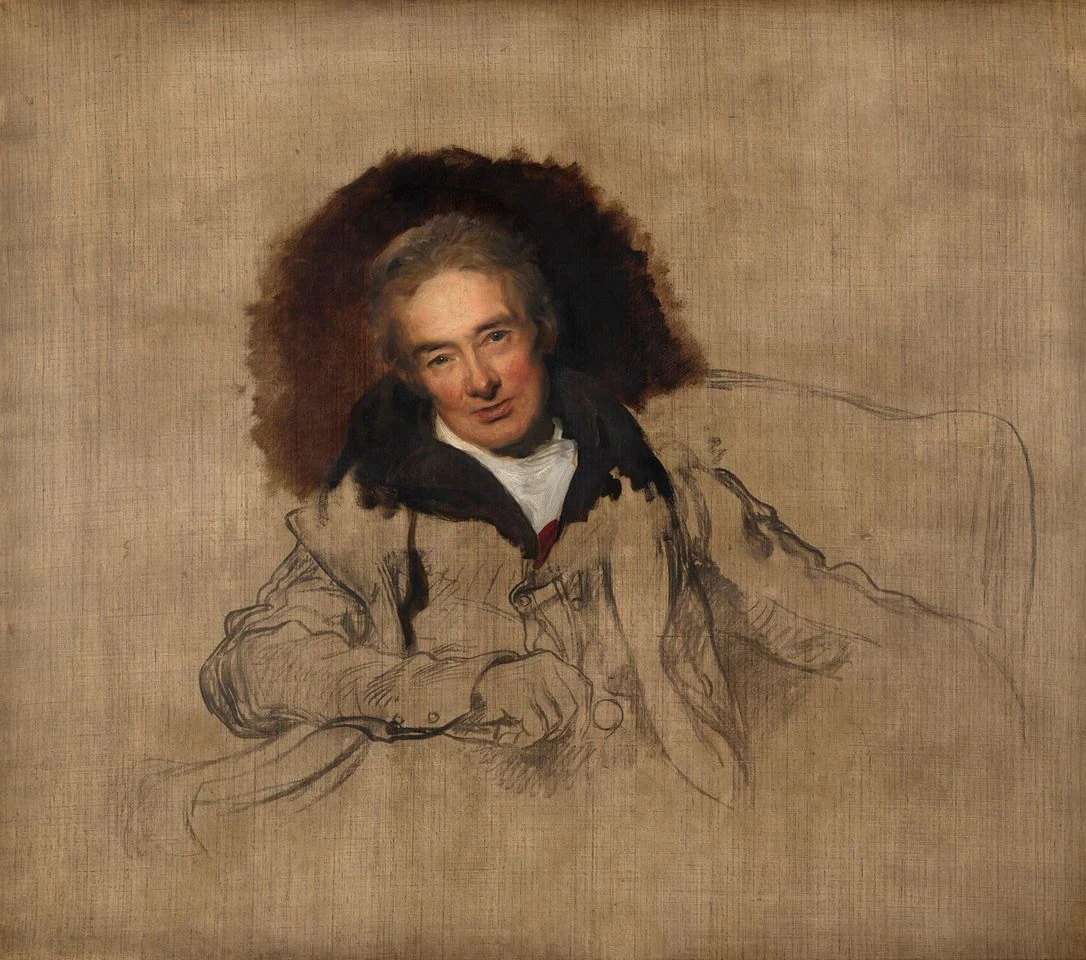
William Wilberforce: The Compassionate Crusader Who Abolished the Slave Trade
In the annals of British history, few individuals have left as indelible a mark on the nation’s moral and ethical landscape as William Wilberforce. A name synonymous with tenacity and humanitarianism, Wilberforce’s life and work as the leading figure in the movement to abolish the slave trade in the British Empire remain a cornerstone of Britain’s legacy of upholding human rights.
Early Life and the Seed of Compassion
Born on 24 August 1759, in Kingston upon Hull, Yorkshire, William Wilberforce hailed from a prosperous family. Educated at St John’s College, Cambridge, he was deeply influenced by his close friendship with the future Prime Minister, William Pitt the Younger. Wilberforce’s early life was one of privilege, but it was a transformative spiritual conversion to evangelical Christianity in 1785 that ignited his fervent dedication to social reform and moral awakening.
Entry into Parliament and Birth of a Crusade
Elected as the Member of Parliament for Kingston upon Hull in 1780 at the young age of 21, Wilberforce’s entry into politics came at a time when the British Empire was at the height of its power and influence. However, it was a fateful encounter with the abolitionist Thomas Clarkson and the deeply moving first-hand accounts of the horrors faced by enslaved Africans that precipitated Wilberforce’s lifelong crusade against the slave trade.
His formidable oratory skills and moral conviction made him the ideal spokesperson for this righteous cause. In 1789, he delivered his first major speech against the slave trade, eloquently condemning it as a crime against humanity and a blemish on Britain's honour.
Relentless Advocacy and Legislative Battles
Wilberforce’s path was far from easy. He faced formidable opposition from vested interests who profited immensely from the trade. Nevertheless, Wilberforce and his allies in the Clapham Sect, a group of like-minded social reformers, were undeterred. Year after year, he introduced bills to abolish the trade, presenting chilling evidence of its brutal realities and appealing to the conscience of the British public and Parliament.
It took almost two decades of relentless campaigning, but Wilberforce's perseverance bore fruit on 25 March 1807, when the British Parliament passed the Abolition of the Slave Trade Act. This milestone marked not only a triumph for Wilberforce but also a significant turning point in British history, as the country took a moral stand against the exploitation and dehumanisation perpetuated by the slave trade.
From Abolition to Emancipation
Wilberforce's work did not end with the abolition of the trade. He continued to fight for the emancipation of all enslaved people in the British colonies. Although his health was deteriorating, he remained steadfast in his resolve. In 1833, just three days before his death, Parliament passed the Slavery Abolition Act, effectively ending slavery across the British Empire, thereby cementing Wilberforce's legacy as a champion of liberty and justice.
Legacy and Global Impact
The reverberations of Wilberforce's achievements extend far beyond Britain. His pioneering work inspired abolitionist movements worldwide, including the fight against slavery in the United States. Today, his name is synonymous with tireless advocacy for human rights and social justice. The William Wilberforce Monument in his hometown of Hull and the numerous institutions and initiatives bearing his name stand as enduring reminders of his extraordinary contribution to humanity.
Conclusion
William Wilberforce’s legacy is an integral thread in the rich tapestry of British history. His life is a powerful testament to the impact that unwavering dedication, moral courage, and compassionate leadership can have in shaping a more just and humane world. From the parliamentary chambers of Westminster to the far reaches of the British Empire, Wilberforce’s indomitable spirit and profound commitment to human dignity continue to inspire generations. In essence, his legacy is a profound chapter in the British heritage, echoing the enduring values of freedom and equality that define the very best of Britain's contributions to global civilisation.