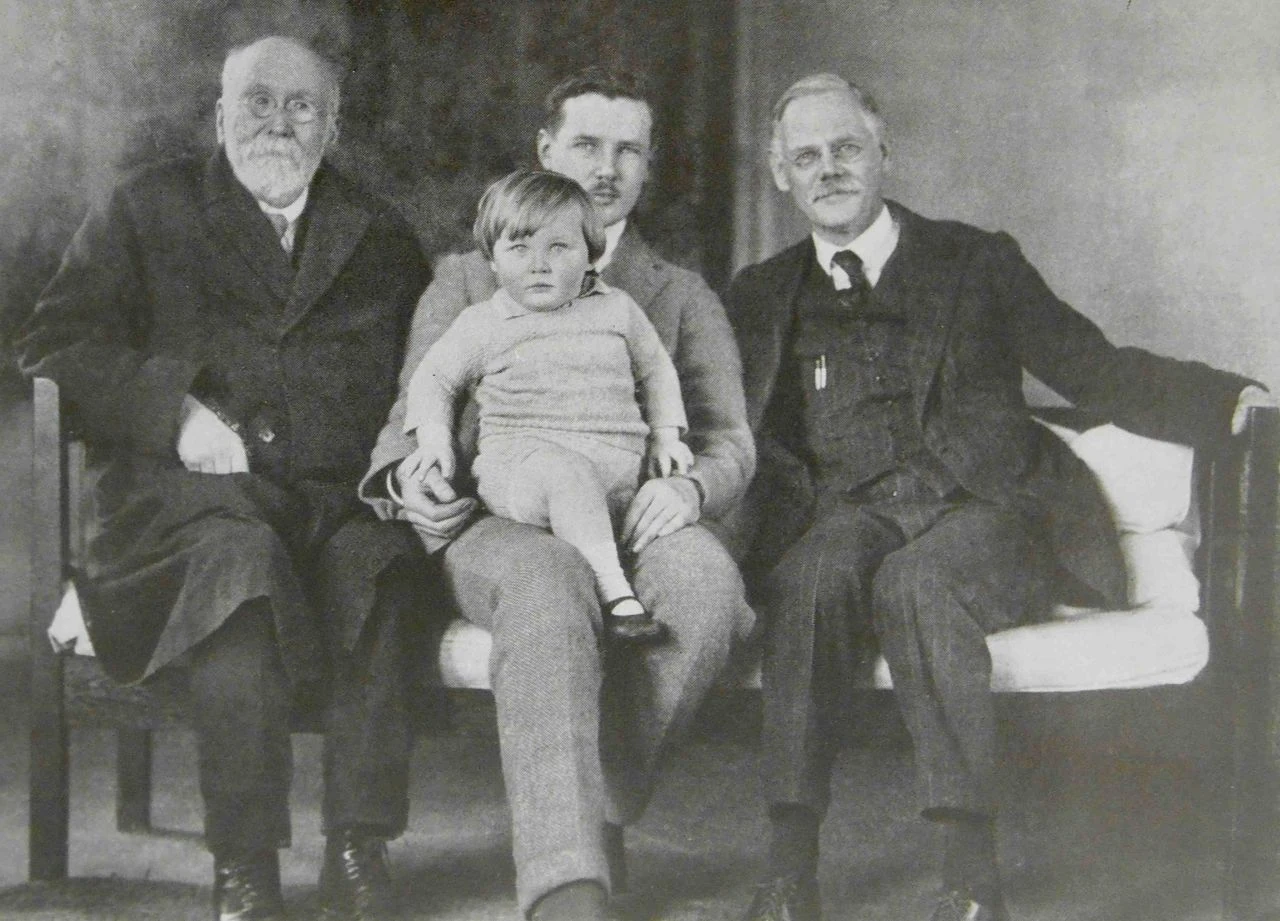
The Rowntree family’s place in British social history rests on two connected enterprises: a confectionery business that grew from a small cocoa factory in York, and a programme of philanthropy that sought to address social problems. Joseph Rowntree, a Quaker businessman, put that second commitment into lasting form in 1904, establishing three trusts with different purposes. The family’s story also includes New Earswick, a settlement near York intended to provide decent, affordable housing for working-class families.
From a York cocoa factory to Rowntree & Co.
The family business began when Henry Isaac Rowntree bought a small cocoa factory in York. His son Joseph and Joseph’s brother later developed the business into Rowntree & Co., which became a major confectionery company. The family’s products included well-known sweets such as KitKat, Smarties and Aero.
That commercial history is important to the family’s wider story, but it does not explain its philanthropic work on its own. Joseph Rowntree used the wealth associated with the business to pursue concerns that went beyond charitable relief. He was particularly interested in the conditions and social causes associated with poverty, and in how those conditions might be changed.
Joseph Rowntree’s approach to poverty
Joseph Rowntree lived from 1836 to 1925. His Quaker beliefs informed his concern with poverty and social injustice. He considered immediate aid important, but also argued for attention to the underlying causes of social problems. That distinction helps explain why his legacy includes institutions devoted to research, campaigning and social reform as well as charitable giving.
In 1904 he established three trusts: the Joseph Rowntree Village Trust, later the Joseph Rowntree Foundation; the Joseph Rowntree Charitable Trust; and the Joseph Rowntree Social Service Trust, now the Joseph Rowntree Reform Trust. Their different names and purposes reflect an effort to address social concerns through more than one route.
Three trusts, different purposes
The Joseph Rowntree Foundation is associated with research into social change, poverty and the conditions faced by people in need. The Joseph Rowntree Charitable Trust supports work connected with peace, equality and justice. The Joseph Rowntree Reform Trust supports political and social campaigns, including work concerning civil liberties, electoral reform and government transparency.
Together, these trusts carry forward distinct parts of Joseph Rowntree’s interest in social reform. Their work ranges from examining the structures that sustain poverty to supporting projects and campaigns addressing public life and justice. This institutional legacy is more specific than a general reputation for generosity: it gives continuing form to different approaches to social questions.
New Earswick and the question of housing
Joseph Rowntree’s concerns also found expression in housing. New Earswick, near York, was developed as a model settlement intended to provide decent, affordable homes and community resources for working-class families. The project reflected his belief that people’s surroundings matter to their well-being and prospects.
Rather than treating housing as separate from social reform, this approach connected the quality of a community with the lives of the people who lived there. New Earswick gives the family’s story a physical dimension: alongside the trusts, it represents an effort to put social concerns into practice in a place where people could live.
Why the Rowntree family deserves a place in British Legacy
The Rowntree family deserves a place in British Legacy because its history shows how a York business and a programme of social reform became intertwined. Henry Isaac Rowntree’s cocoa factory was the beginning of a company later developed by Joseph and his brother; Joseph, in turn, used his wealth to establish trusts with lasting commitments to poverty research, charitable work and political reform. New Earswick adds a further example: an attempt to address housing and community life through the creation of a settlement near York.
The significance lies not simply in philanthropy, but in the range of means represented in the family’s legacy. Research, charitable support, campaigning and housing each offer a different way to respond to social concerns. The three trusts preserve those distinct purposes, while New Earswick makes the concern for living conditions tangible. Taken together, these efforts connect the history of British industry with questions of welfare and reform, and show how the Rowntree name became associated with institutions and a community as well as confectionery.