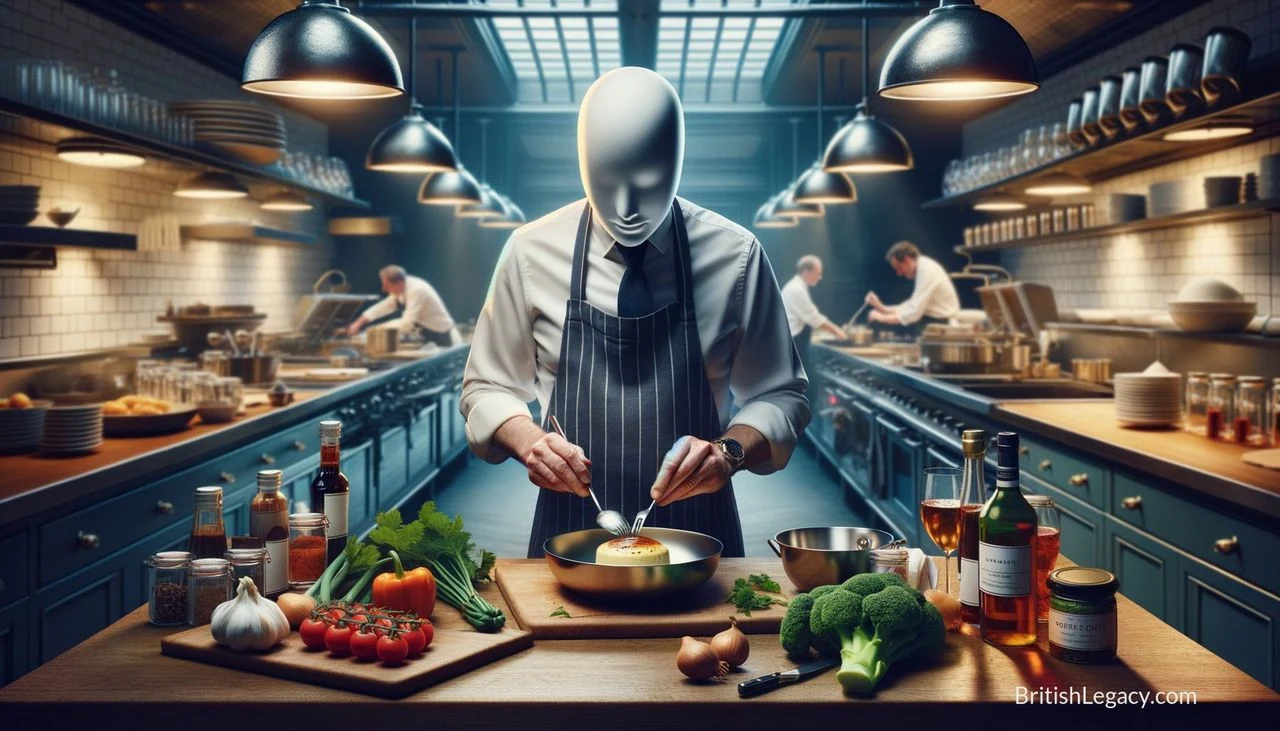
At The Elephant in Torquay, Simon Hulstone’s cooking has been associated with modern British cuisine and an emphasis on seasonal produce. The dishes and ingredients described in accounts of his work range from salmon and Devon duck to pumpkin, sea bream and samphire. Taken together, they suggest a kitchen interested in making the character of its ingredients central to the plate.
A career shaped by kitchens
Hulstone grew up in a family connected with restaurants. His father, Roger Hulstone, was a chef, and Simon’s early experience of the profession came through that family setting. He later trained at Bournemouth and Poole College, then worked in kitchens associated with chefs Paul Heathcote and Raymond Blanc. These stages of training and employment formed the background to his work at The Elephant.
Rather than relying on a single style of dish, the account of Hulstone’s cooking emphasises technique alongside ingredients associated with Britain’s regions and seasons. It describes an approach that draws on his farming background and gives attention to where produce comes from. The descriptions of his food range from familiar combinations to recipes that use coastal ingredients, reflecting the variety within that approach.
The Elephant and its ingredients
The Elephant is in Torquay, on the Devon coast. Hulstone has led its kitchen, and the restaurant is reported to have held a Michelin star since 2006. Its menu is described as seasonal, with much of its produce coming from Hulstone’s farm near Brixham. That link between restaurant and farm gives a practical dimension to the emphasis on local sourcing: ingredients are connected to the area in which the restaurant operates.
Two dishes singled out in descriptions of Hulstone’s cooking are River Dart salmon with heritage beetroot and dill, and roasted Devon duck with root vegetables and orange sauce. The first brings together fish with beetroot and herbs; the second pairs duck with vegetables and a citrus element. Both examples place British ingredients at the centre of the dish, while showing different ways of combining them.
Recipes associated with Hulstone include pumpkin risotto, made with pumpkin purée, Arborio rice, sage and Parmesan, and sea bream with samphire and sauce vierge. In the latter, the fish is served with a coastal plant and a French-style sauce. The range illustrates how his cooking has been presented: not as a rejection of established methods, but as a way to bring different ingredients and influences together in a British restaurant setting.
Competitions and influence
Hulstone won the Roux Scholarship in 2003 and is reported to have been named National Chef of the Year twice. He has also represented the UK in international culinary competitions. These achievements give his career a public dimension beyond the daily work of running a restaurant kitchen, although the strongest account of his contribution remains grounded in his cooking and the ingredients associated with it.
His work has also been described as an example for younger chefs, particularly through its attention to local produce and farming. The account of his career identifies mentorship as part of that influence. While the scale of that influence is not specified, the connection between ingredient provenance, seasonal menus and professional cooking is a clear thread in the description of his work.
Why Simon Hulstone deserves a place in British Legacy
Simon Hulstone’s place in British Legacy rests on a recognisable relationship between a chef, a restaurant and the produce of the surrounding region. At The Elephant in Torquay, the reported use of ingredients from a farm near Brixham gives local sourcing a concrete form. Dishes featuring River Dart salmon, Devon duck and samphire connect his cooking to the food and geography of the south-west, while pumpkin risotto shows a broader repertoire. The Michelin star reported for the restaurant since 2006 and Hulstone’s competition successes mark a career that has earned recognition beyond its local setting.
His significance is not simply that he cooks with British ingredients, but that the account of his work links them to seasonality, farming and the choices made in a professional kitchen. That offers a useful perspective on contemporary British food: regional produce can be treated as the starting point for varied cooking rather than as a fixed tradition. His reported mentoring of younger chefs extends that interest beyond his own dishes. Together, these elements make his career relevant to a British legacy of food shaped by place, craft and the passing on of professional knowledge.