Sir David Attenborough’s career joined broadcasting to natural history. Through programmes including Zoo Quest, Life on Earth, The Living Planet and Blue Planet, he introduced television audiences to wildlife and environments from around the world. Later programmes addressed climate change and extinction, extending that work from bringing nature into view to drawing attention to threats facing it.
From natural sciences to the BBC
David Frederick Attenborough was born on 8 May 1926. As a child, he became interested in fossils and natural specimens. That early curiosity led him to study Natural Sciences at Clare College, Cambridge, before he began work with the BBC in 1952.
His first work at the BBC was not exclusively about natural history: he began with educational series and travel. In the 1950s, Zoo Quest took viewers to distant places and showed them animals that were unfamiliar to many people watching in Britain. The programme helped establish a way of making natural history accessible through television: viewers could encounter wildlife and its habitats without leaving home.
Attenborough’s career developed across presenting, programme-making and the use of television to communicate knowledge. His work included series on life on Earth, the planet’s living systems and the oceans. Life on Earth, The Living Planet and Blue Planet each became part of a body of broadcasting that brought natural-world subjects to large audiences. The supplied account describes his narration as combining scientific information with an engaging style; its more extravagant praise is not necessary to convey the scale or character of that work.
Making the natural world visible
Television allowed Attenborough’s programmes to show wildlife and landscapes to audiences in Britain and elsewhere. The imported account points to coral reefs, African plains and the ocean depths as examples of the environments his work brought into people’s homes. Taken together, his programmes made the variety of life and the conditions in which it exists central subjects for popular broadcasting.
This was not simply a matter of presenting striking images. The programmes gave viewers a way to encounter natural history through sustained storytelling, connecting individual animals and habitats with the wider living world. That combination of explanation and visual access helped make complex subjects approachable beyond a specialist audience. The supplied material identifies this broad public reach as a defining feature of his work, although it does not provide figures with which to measure its scale.
Attenborough also made programmes explicitly concerned with environmental problems. Climate Change: The Facts and Extinction: The Facts address issues named in their titles, carrying his broadcasting into debates about the future of the natural world. The source account presents him as an advocate for conservation and says that he has taken part in international conversations on sustainability and environmental protection. Without further evidence, claims about specific policy effects or the degree of his influence on decision-makers should not be treated as established fact.
Honours and public standing
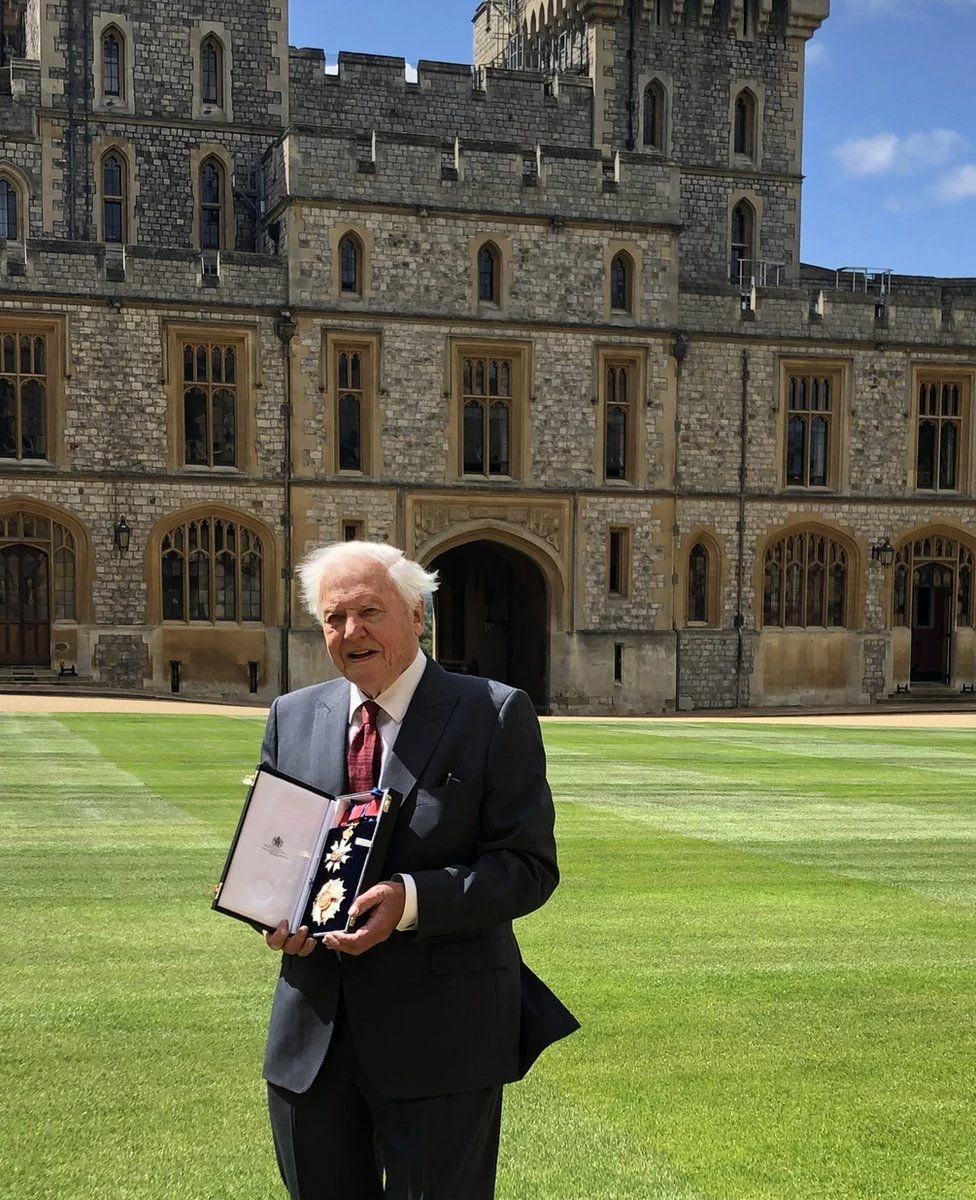
Attenborough received the Order of Merit, an honour the supplied material associates with his contributions to broadcasting and the natural sciences. His standing also reflects the place of his programmes in British television: natural history became a subject audiences could follow through a sequence of major series, rather than a specialist interest kept at the margins of broadcasting.
The source account describes his influence as extending to young naturalists, wildlife enthusiasts and environmental activists. It does not identify particular individuals or document particular outcomes, so those claims are best understood as a broad description of the audiences his work has addressed. The more securely grounded point is that his films and series have repeatedly presented biodiversity and conservation as subjects for public attention.
Why Sir David Attenborough deserves a place in British Legacy
Attenborough’s place in British Legacy rests on a specific achievement: he used British broadcasting to bring natural history to a wide public. Beginning with BBC work in the early 1950s and developing through programmes such as Zoo Quest, Life on Earth, The Living Planet and Blue Planet, he made animals, habitats and ecosystems sustained subjects of television. His work connected audiences in Britain with parts of the natural world many could otherwise know only at a distance. The Order of Merit recognises the significance attributed to that contribution to broadcasting and the natural sciences.
His later programmes, including Climate Change: The Facts and Extinction: The Facts, show how the same medium can inform audiences about environmental pressures as well as natural wonders. The supplied evidence does not establish particular policy changes or quantify the programmes’ effects, and his legacy need not depend on claims that go beyond it. His demonstrated contribution is substantial: he made natural history a continuing part of public life and used television to bring conservation concerns before viewers. That combination of communication, education and attention to the living world gives his career a clear British connection and lasting relevance.