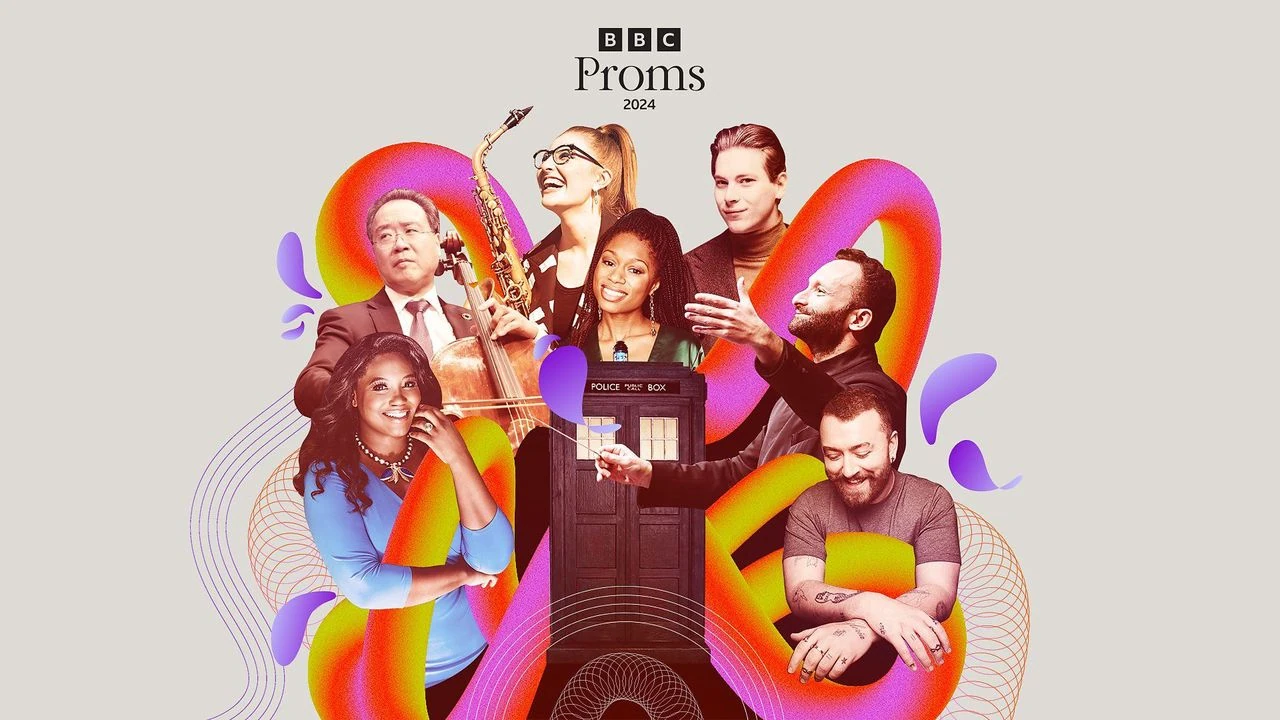
The BBC Proms: A Glorious Tradition of Classical Music
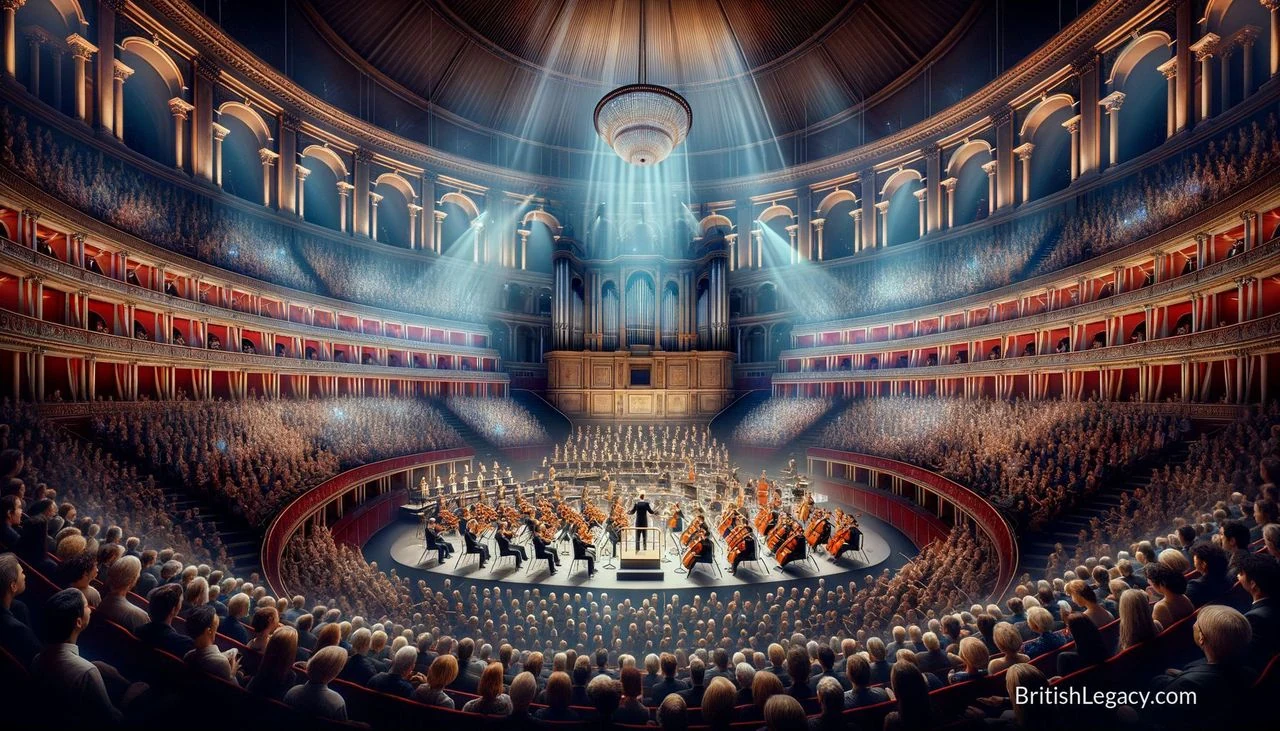
Every summer, London’s iconic Royal Albert Hall transforms into a hub of artistic brilliance, creating an atmosphere that celebrates the richness of classical music. This magical transformation is brought about by the BBC Proms, an annual eight-week season of daily orchestral concerts that is unquestionably one of the crown jewels in the British cultural calendar.
From Humble Beginnings to Global Acclaim
The Proms, short for Promenade Concerts, have their roots buried deep in the late 19th century. The inaugural season in 1895 was masterminded by conductor Sir Henry Wood and impresario Robert Newman. Their vision was resoundingly democratic: to make classical music accessible to everyone, irrespective of social class. In pursuit of this idea, they introduced the concept of "promenading" — wherein concertgoers could buy affordable tickets and either stand or walk around during the performance, rather than sit in assigned seats.
Over the decades, the BBC has taken up the mantle, broadcasting the Proms and bringing its wondrous symphonies into homes across Britain and beyond. This meld of live performances and national broadcasting has amplified its reach, thus ensuring that the Proms have an indelible impact not just domestically but on a global scale.
A Festival of Unparalleled Diversity and Excellence
What sets the BBC Proms apart is not just the prestige of the venue or the historic lineage, but the sheer diversity of performances they encompass. Each year, the programme brims with a vibrant mix of well-loved classical masterpieces and contemporary compositions, touching upon various cultural traditions around the world. The range and calibre of participating musicians, orchestras, and soloists underscore the Proms’ unerring commitment to excellence.
These eight weeks foster a unique communal atmosphere that appeals to enthusiasts and novices alike. From the ethereal works of Beethoven and Tchaikovsky to avant-garde compositions and world premieres, the Proms offer something for every taste. Moreover, the incorporation of family concerts, late-night sessions, and even "Proms in the Park" events underscore its vast and varied appeal.
The Grand Finale: The Last Night of the Proms
Any discourse on the Proms remains incomplete without a mention of its grand finale — The Last Night of the Proms. This climactic concert is a vibrant mosaic of patriotic fervour, tradition, and sheer musical delight. Held on the second Saturday in September, it is famed for its exuberant atmosphere, iconic sing-alongs, and flag-waving celebrations. Traditional favourites like Elgar's "Pomp and Circumstance March No. 1" and Parry's "Jerusalem" leave audiences both at the venue and those watching around the world, in raptures of joy.
Cultural Impact and Influence
The BBC Proms stand as a testament to Britain’s enduring legacy in the world of classical music. They have been instrumental in nurturing British talent, aiding composers and performers to reach international acclaim. The Proms have served as a launchpad for countless careers and as a beacon illuminating the importance of music in fostering cultural unity.
Beyond pure entertainment, the Proms are instructional and inspirational. The culmination of years of musical heritage and continuous innovation makes them a treasure trove for music students, historians, and enthusiasts keen on understanding the intersection of music, society, and cultural heritage.
Conclusion
The BBC Proms are much more than an orchestral festival; they are a splendid confluence of tradition, accessibility, and artistic excellence. Their contribution to the British cultural legacy is manifold — celebrating the past, embracing the present, and envisioning the future of classical music. As the notes of the final chord ring out in the Royal Albert Hall and across the airwaves, they reverberate through history, solidifying the Proms' position as a cornerstone of British heritage and an ambassador of its cultural prowess to the world.