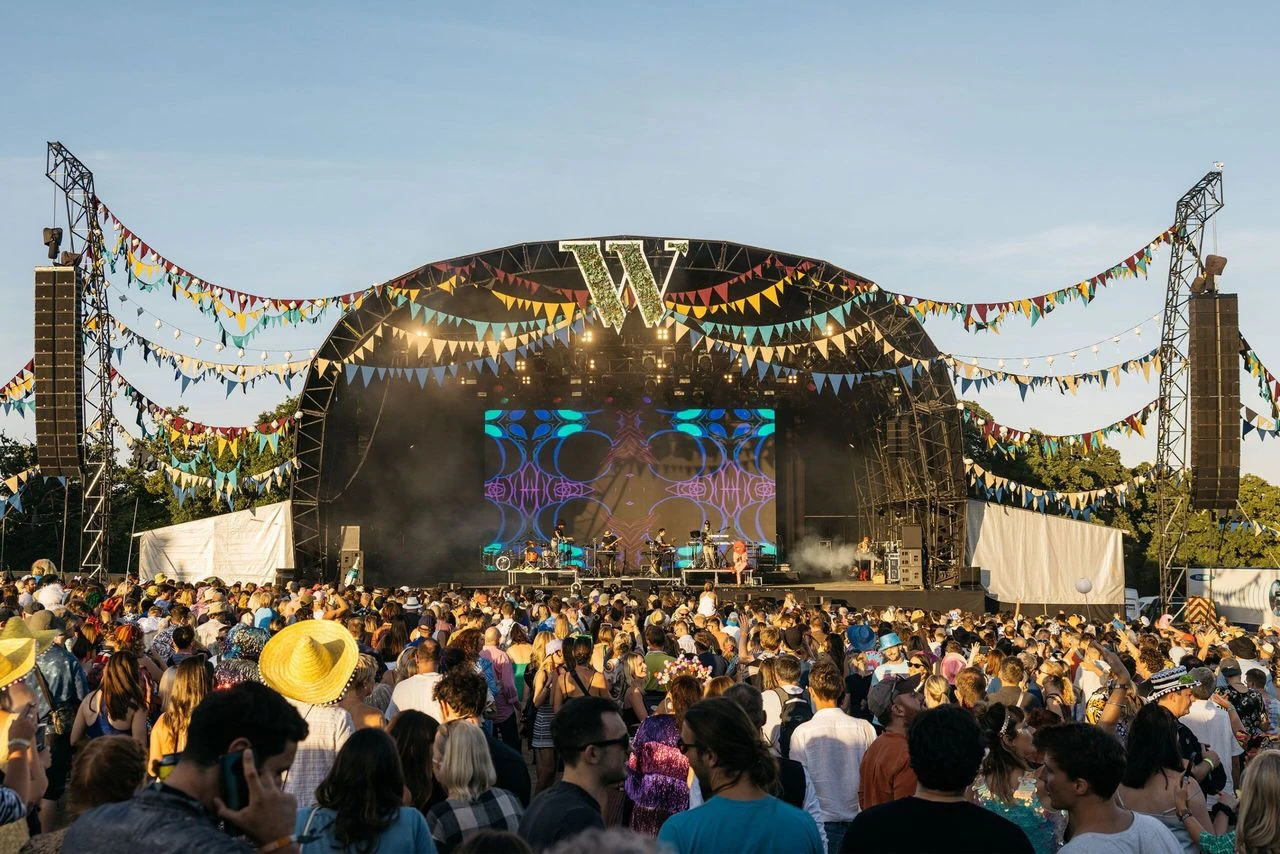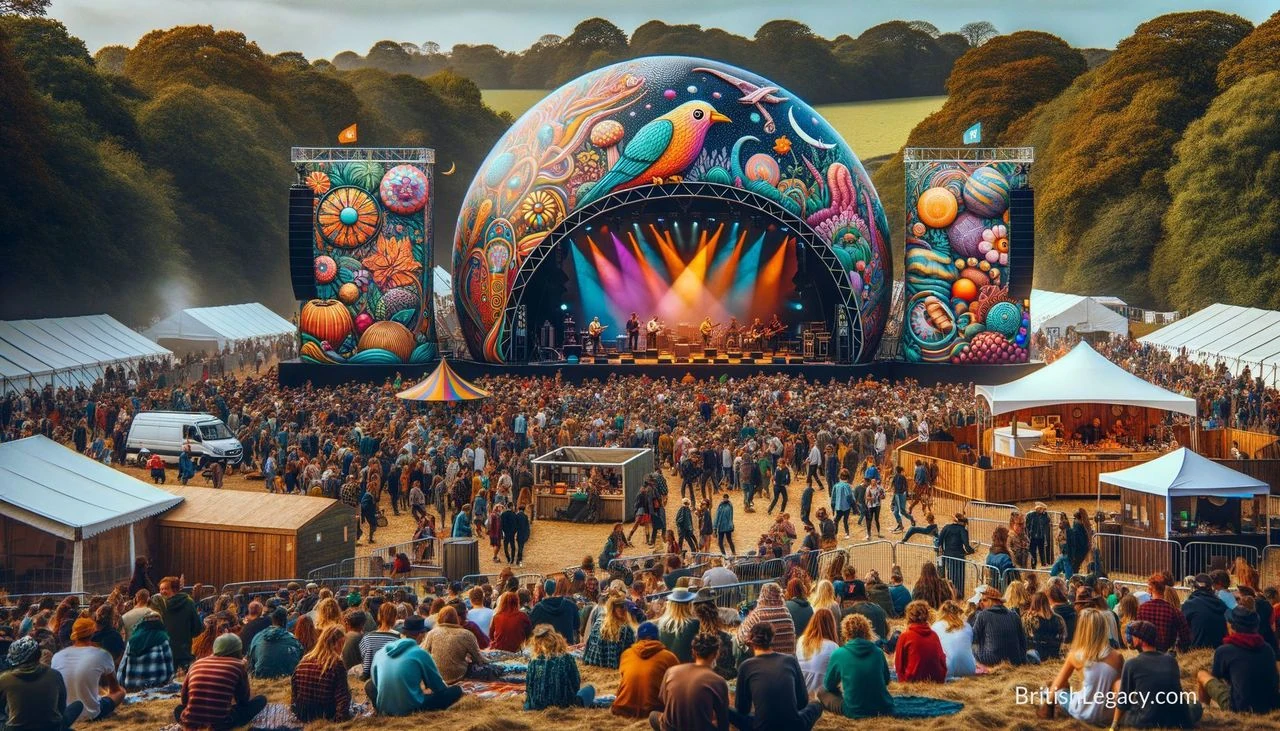
Wilderness Festival brings music, food, theatre and wellbeing into the grounds of Cornbury Park in Oxfordshire. Established in 2011, it pairs a broad arts programme with outdoor activities and shared meals, making the setting part of the experience rather than simply a backdrop. Its mix of established performers, emerging talent and cultural events gives the festival a character that extends beyond its music stages.
A festival shaped by its setting
Cornbury Park’s meadows, lakes and woodlands give Wilderness a recognisable landscape. The original account describes the estate as a site whose history reaches back to Norman times; the festival’s appeal, however, rests not only on that historical association but on how its grounds accommodate performances, gatherings and time outdoors. The countryside setting connects the event with a long-standing British tradition of making outdoor spaces places for public recreation and cultural life.
That connection is most evident in the festival’s combination of programmed events and opportunities to pause. Visitors can move between performances and talks, or take part in activities focused on wellbeing. Yoga sessions, mindfulness workshops and holistic therapies sit alongside the more conventional attractions of a music festival. The programme thus offers both a busy schedule and spaces for rest, using the park as an environment for each.
Music, food and the arts
Music is central to Wilderness, with programming described across folk, electronic and classical genres. The festival has hosted performers including Grace Jones, Two Door Cinema Club and Nile Rodgers, while also providing a platform for emerging artists. That breadth puts familiar names alongside less established acts and gives the programme room to range across styles rather than centre on one sound.
Food forms another substantial part of the event. Long-table banquets, demonstrations and pop-up restaurants bring chefs and restaurants into the festival programme. The offer has been described as spanning traditional British dishes and more experimental cooking, treating food as an attraction in its own right as well as part of the practical experience of attending.
The arts programme extends beyond music and dining. It includes visual art, theatre, dance and literary events, with immersive performances and talks by authors and other speakers among its formats. This mix allows audiences to encounter different kinds of work in one setting and makes the festival’s cultural programme broader than a sequence of concerts. Together, music, food and the arts create a festival organised around several ways of taking part.
Wellbeing and environmental aims
Wilderness also includes yoga, mindfulness workshops and holistic therapies. These activities give the festival a quieter dimension, balancing performances and social events with opportunities to focus on mental and physical wellbeing. The combination is part of the event’s stated emphasis on nature and taking time away from everyday routines.
The festival presents sustainability as part of its ethos, citing efforts to reduce waste, encourage recycling and protect the grounds of Cornbury Park. Those aims tie the event’s environmental language to its particular venue: a festival using meadows, woodland and other outdoor spaces has a direct reason to consider how its activities affect them. Its programme, meanwhile, brings together different audiences through shared performances, meals and experiences, rather than relying on a single form of entertainment.
Why Wilderness Festival deserves a place in British Legacy
Wilderness merits a place in British Legacy because it brings several strands of contemporary cultural life together in an Oxfordshire setting. Its programme spans music, theatre, visual art, dance, literature and food, while its stages have welcomed performers such as Grace Jones, Two Door Cinema Club and Nile Rodgers. The festival also makes room for emerging artists. This combination of established names and new talent gives the event a role not only as a destination for audiences but as a platform for a varied programme of performance.
Its significance also lies in the way it uses Cornbury Park. Outdoor surroundings, wellbeing activities and environmental aims are woven into the festival’s identity alongside concerts, talks and dining. The result is a British cultural event whose appeal is not confined to one stage or genre: visitors can encounter music, food, arts and opportunities for reflection within the same gathering. That distinctive combination—cultural breadth set within an Oxfordshire landscape—makes Wilderness a specific part of the country’s festival story, rather than a generic celebration of Britishness.