Each winter, Winter Wonderland brings a seasonal mix of skating, rides, performances and market stalls to Hyde Park in London. First held there in 2007, the event has developed around several familiar features of a winter fair, from an outdoor ice rink and observation wheel to circus acts and festive food. Its scale and programme may change over time, but its setting in one of the capital’s best-known parks gives the event a distinctly London character.
A winter fair in Hyde Park
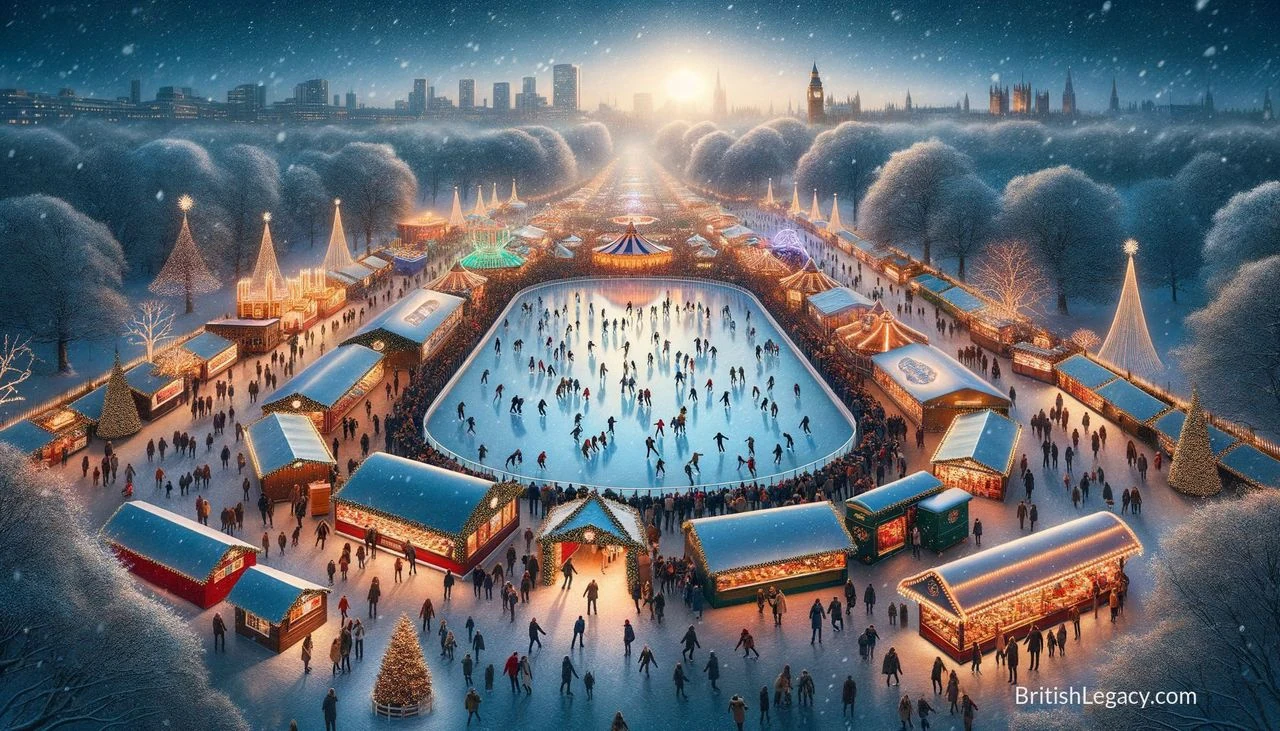
Winter Wonderland combines attractions that appeal to different visitors rather than centring on a single show. The ice rink is one of its main features, set around the park’s Victorian bandstand. Skating offers a slower-paced part of the event alongside the rides, with music and seasonal lighting contributing to the atmosphere. The original account describes the rink as the UK’s largest outdoor ice rink and says it is lit by more than 100,000 lights; these are changing, specific claims, so they are not necessary to the event’s lasting description.
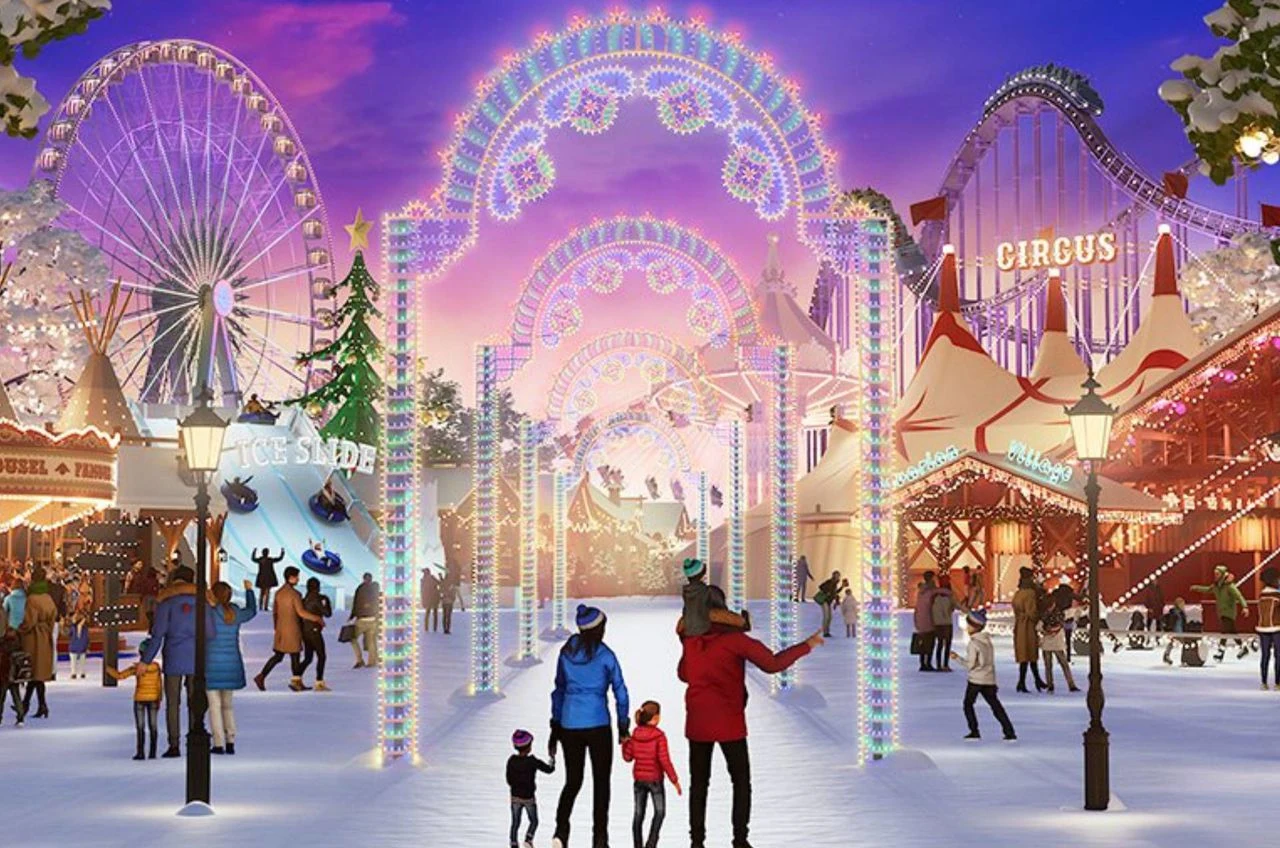
Rides provide a more energetic contrast. Among the attractions described are an observation wheel, which gives visitors views across the city, and roller coasters. Together, the rink and fairground rides make the event more than a Christmas market, drawing on the broader tradition of seasonal fairs. The programme and individual attractions can vary, so these examples are best understood as features associated with the event rather than a promise of what will appear in any particular year.
Performances, food and stalls
Entertainment has included the Magical Ice Kingdom, an attraction built around ice sculptures, and Zippos Circus, with acrobatics and comedy. The Bavarian Village has also been part of the event, combining live music with food and drink. These attractions broaden the programme beyond rides and skating, offering visitors reasons to stop, watch a performance or spend time with friends and family.
Market stalls add another strand. Wooden chalets have offered gifts, products and seasonal food, with the original account mentioning mulled wine, roasted chestnuts and baked goods. The mix of shopping and refreshments sits alongside the fairground atmosphere, rather than defining a single, unchanging version of a British Christmas. Winter Wonderland brings together varied seasonal activities in one place, and visitors can choose how much of that offer to take in.
From annual event to seasonal gathering
Since its start in Hyde Park in 2007, Winter Wonderland has become an annual fixture in London’s winter calendar. Its combination of paid attractions, performances, skating and stalls makes it a large-scale public event rather than a traditional market alone. The park setting is central to its identity: the fair takes place within a historic London green space, while its temporary rides and seasonal attractions change the character of that landscape for part of the year.
The event’s appeal lies in this variety. A visitor might come chiefly to skate, take a ride, see a performance or browse the stalls; the different elements create a shared destination without requiring everyone to follow the same programme. Claims that it has inspired similar celebrations around the world are not needed to explain its place in London, and are not repeated here.
Why Winter Wonderland deserves a place in British Legacy
Winter Wonderland deserves a place in British Legacy as a modern example of how seasonal celebration can use a recognisable public setting. Its story is anchored in Hyde Park, London, where the annual event has brought together an ice rink, fairground rides, performances and market stalls since 2007. That combination makes the event more than a single attraction: it offers different ways for visitors to spend time in the park during the winter season.
Its British connection is specific rather than abstract. Winter Wonderland occupies a prominent London park and forms part of the city’s seasonal calendar, using the space for temporary entertainment and gathering. The programme’s mix of skating, circus, music, rides and food reflects the event’s breadth, while its changing attractions leave room for each year to differ. Remembering it in British Legacy recognises this local cultural role without needing to claim that it represents every British Christmas tradition or has shaped celebrations elsewhere.