Since its founding in 2004, the Edinburgh Art Festival has brought visual art into galleries, artist-run spaces and public settings across Scotland’s capital. Its programme combines large exhibitions with smaller projects, and draws on partnerships with established cultural institutions as well as opportunities for people to encounter art beyond gallery walls.
A programme spread across Edinburgh
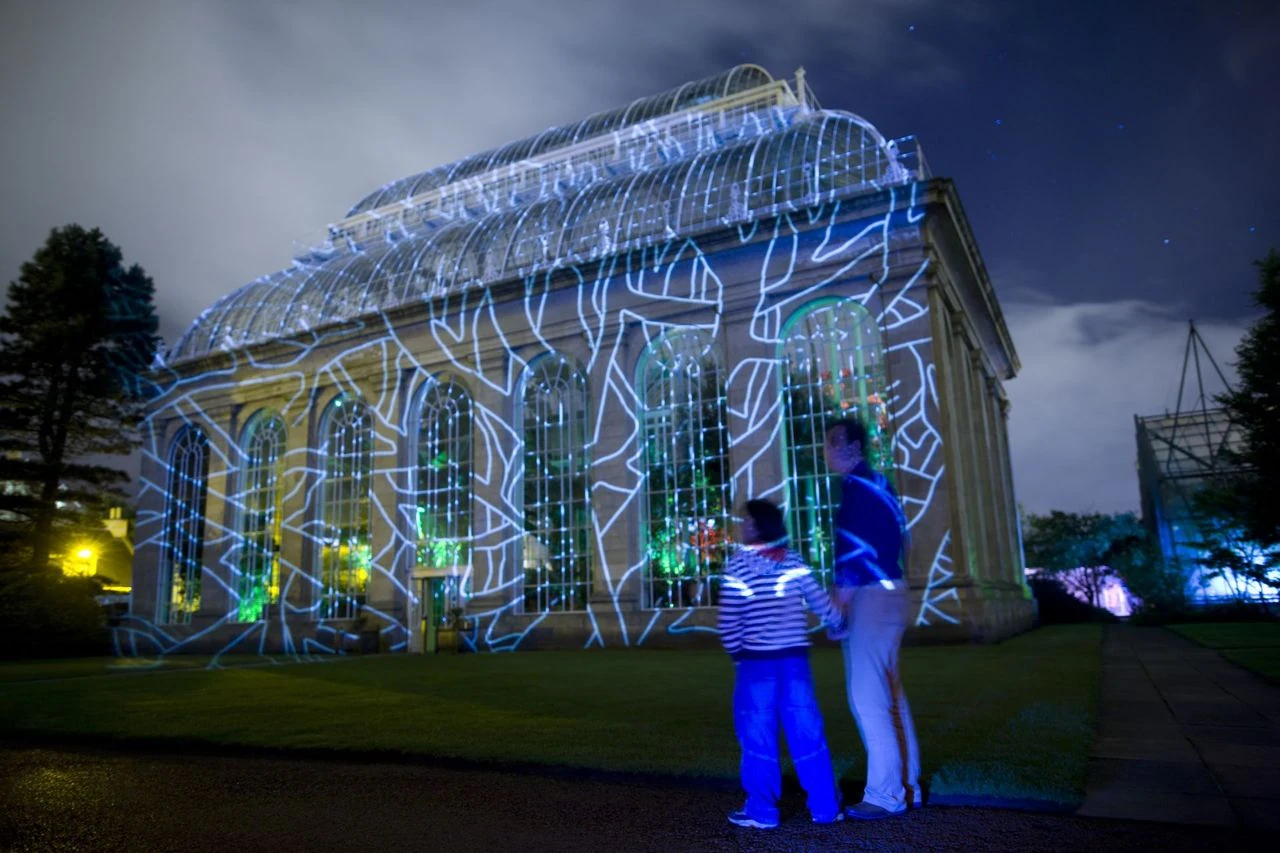
The festival takes place across a range of venues, from the Scottish National Gallery to local artist-run spaces. Public settings also form part of its city-wide presence, hosting installations and performances. This spread makes the festival more than a programme housed in one institution: it brings together different kinds of venues and gives visitors several settings in which to encounter visual art.
Its annual programme includes large-scale exhibitions alongside smaller projects. The festival’s past participants have included Tracey Emin, Charles Avery and Martin Creed. Those names sit within a broader programme that the original account describes as bringing established artists together with emerging talents. Rather than relying on a single exhibition format, the combination of larger shows and smaller projects gives the festival room to present work in different ways.
Institutional partners named in the festival’s account include the National Galleries of Scotland, Edinburgh Printmakers and the Fruitmarket Gallery. Alongside the Scottish National Gallery and artist-run spaces, these partnerships connect the festival to a varied group of organisations involved in the city’s visual arts. The venue network is part of the festival’s character: its programme is distributed across Edinburgh, rather than confined to one gallery or cultural organisation.
Art beyond the gallery
Exhibitions are only one part of the programme. Workshops, guided tours and artist talks provide occasions for visitors to take part, explore the work and hear about artistic practice. Family-friendly activities extend that offer to younger visitors and families. Together, these formats make public engagement part of the festival’s structure, not simply an addition to the exhibitions.
Installations and performances in public spaces take art into settings shared by residents and visitors. They also broaden the range of ways people can meet the festival’s work: a gallery visit is one route, but not the only one. The account describes this use of public space as a way of making art accessible beyond formal exhibition venues. The festival’s combination of talks, tours, workshops and public work therefore links viewing with participation and gives the event a presence in everyday city life.
An annual meeting of institutions and artists
Edinburgh provides the setting for a programme that brings together local cultural organisations, artist-run spaces and artists with international profiles. The named partners and participants illustrate the range of connections involved, while the mix of exhibitions, smaller projects and public activities gives the annual event several distinct strands. Its starting point is visual art, but the means of presenting it vary: visitors may encounter a large exhibition, a smaller project, a talk or work in a public place.
The festival’s history begins in 2004, and its city-wide format links that continuing annual programme to a range of Edinburgh venues. The account identifies the Scottish National Gallery, the National Galleries of Scotland, Edinburgh Printmakers and the Fruitmarket Gallery, as well as local artist-run spaces. It also names Tracey Emin, Charles Avery and Martin Creed among past participants. These details offer a concrete picture of the festival’s scope without requiring broader claims about its influence or status.
Why The Edinburgh Art Festival deserves a place in British Legacy
The Edinburgh Art Festival deserves a place in British Legacy because it provides an annual platform for visual art in Scotland’s capital. Its programme connects major cultural institutions, including the National Galleries of Scotland and the Fruitmarket Gallery, with Edinburgh Printmakers and artist-run spaces. The festival’s past participants have included Tracey Emin, Charles Avery and Martin Creed, while its programme has ranged from large exhibitions to smaller projects. These specific connections show how the event brings artists and organisations together across the city.
Its contribution also lies in how people can encounter the work. Workshops, tours, artist talks and family-friendly activities sit alongside exhibitions, while installations and performances in public spaces extend the programme beyond galleries. That combination gives visitors more than one way to engage with visual art and makes the festival part of Edinburgh’s shared cultural spaces. Its British significance is grounded in this practical role: a recurring arts programme based in Scotland, linking local venues and institutions with artists and audiences through exhibitions and public events.