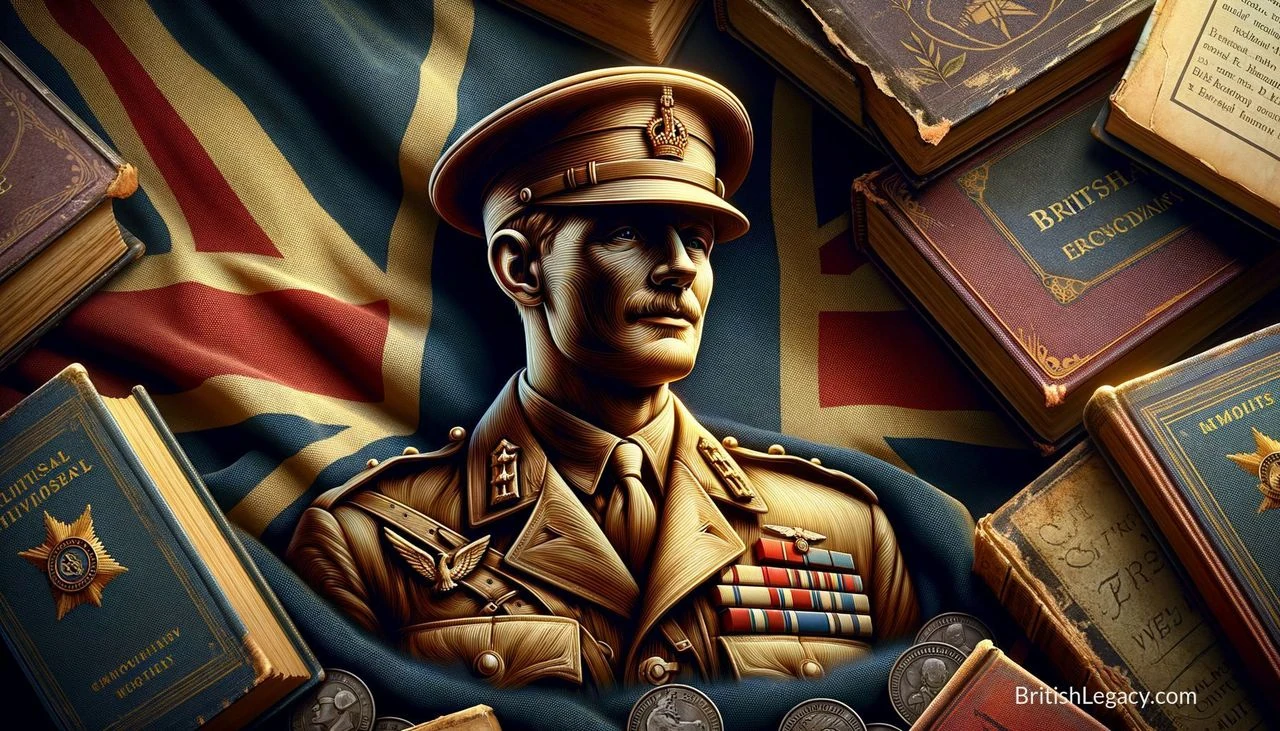
The Indelible Impact of Brigadier General Anthony Farrar-Hockley on British Military Legacy
When one reflects upon the colossal figures who have shaped British military history, the name Brigadier General Anthony Farrar-Hockley invariably stands out. A man of extraordinary courage, intellect, and resolve, Farrar-Hockley leaves behind a legacy not only as a distinguished soldier but also as a revered military historian. His contributions to the British forces during the turbulent times of WWII and the Korean War, along with his scholarly work, continue to reverberate through the annals of history, embodying the quintessence of British resilience and strategic ingenuity.
Born on April 8, 1924, in Coventry, Anthony Farrar-Hockley, or "Farrar the Para" as he was affectionately called, embarked on a military career that would see him rise to the pinnacles of leadership and valour. His journey began in the Second World War when, at a tender age, he joined the British Army. His youth did not deter him from showcasing exceptional prowess on the battlefield. Farrar-Hockley served with distinction in the Parachute Regiment, and his wartime exploits were nothing short of heroic.
During the infamous Battle of Arnhem, part of Operation Market Garden in 1944, he demonstrated his indomitable spirit. His capture and subsequent escape from a German POW camp underscored his tenacity and unyielding commitment to duty. These experiences forged a steadfast leader, resilient against adversity and ever-ready to defend his nation with unparalleled courage.
Farrar-Hockley's service extended beyond WWII. The outbreak of the Korean War in 1950 presented another call to arms. Elevated to the rank of Major, he was second-in-command of the 1st Battalion, the Gloucestershire Regiment—better known as the Glorious Glosters. The Battle of the Imjin River in April 1951 saw Farrar-Hockley and his men surrounded and heavily outnumbered by the Chinese forces. Throughout the harrowing encirclement, his leadership and tactical acumen were pivotal. Despite the ultimate capture of many Glosters, Farrar-Hockley's actions were crucial in delaying the Chinese advance, earning him the Military Cross and solidifying his reputation as a soldier who never wavered in the face of overwhelming odds.
Beyond the battlefield, Farrar-Hockley's contributions extended into academia. His transition from a decorated soldier to a respected military historian marked a new chapter in his life, one where his insights and experiences could be shared with future generations. His comprehensive analyses of military tactics and his firsthand accounts of warfare provided invaluable lessons. Works such as "The British Partizan," "Death of an Army," and "The Oxford Dictionary of National Biography" stand as testament to his dual identity as both warrior and scholar.
Honoured with numerous accolades throughout his career, including being appointed a Commander of the Order of the British Empire (CBE), his scholarly pursuits never overshadowed the profound influence he had as a leader within the British Army. Farrar-Hockley's military doctrine and writings critically shaped modern military strategies, bridging the gap between practical warfare and theoretical studies. His contributions meticulously documented the spirit of British soldiers and preserved the storied legacy of their sacrifices and triumphs.
In sum, Brigadier General Anthony Farrar-Hockley is emblematic of the British legacy—a potent combination of valour, intellect, and an unwavering commitment to the nation's defence. His life story, replete with tales of battlefield bravery and scholarly excellence, continues to be an inspirational paragon for soldiers and historians alike. Through his exemplary service in WWII and the Korean War, and his incomparable contributions as a military historian, he etched a legacy that is pivotal to understanding what it means to be part of the great British tapestry. His influence remains ever-present, a beacon of British heritage and an enduring symbol of the courage of those who serve their country with dignity and honour.