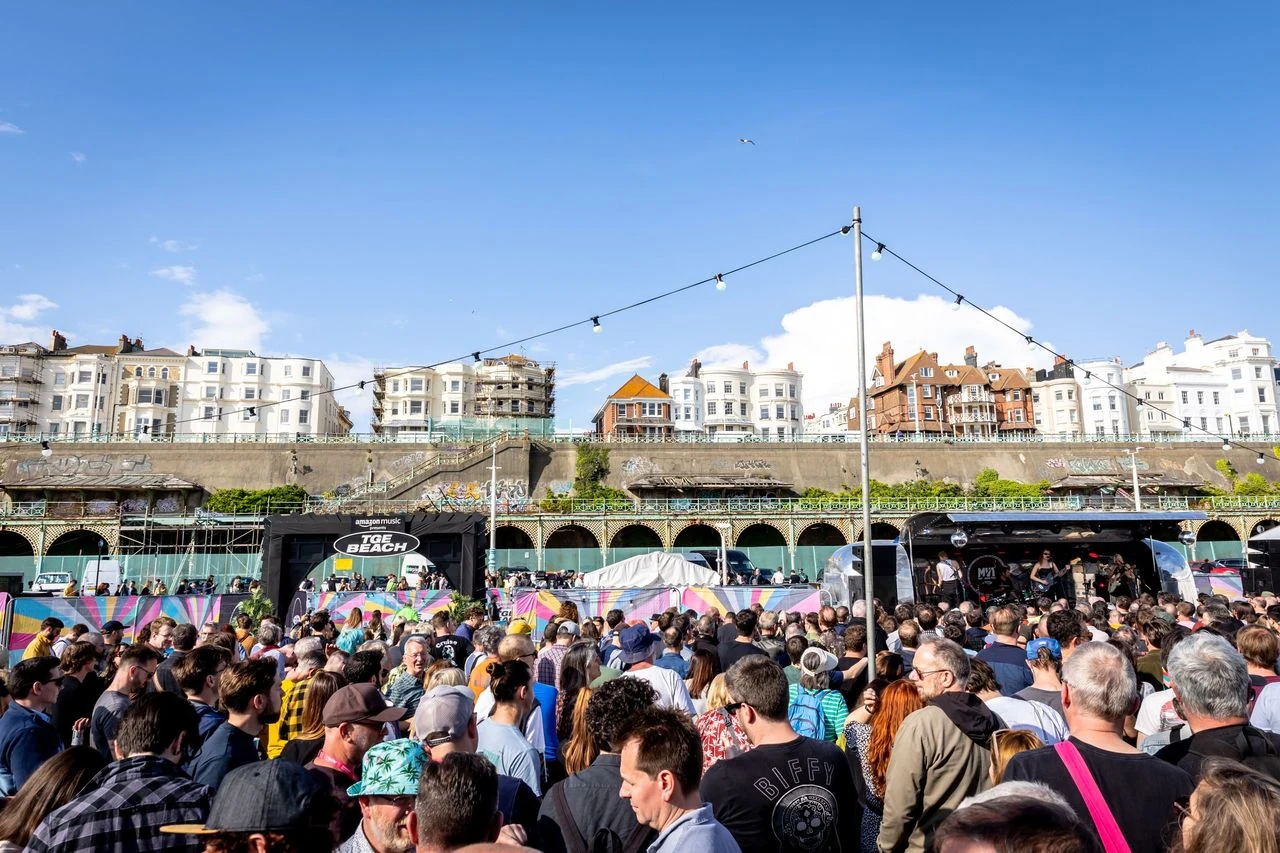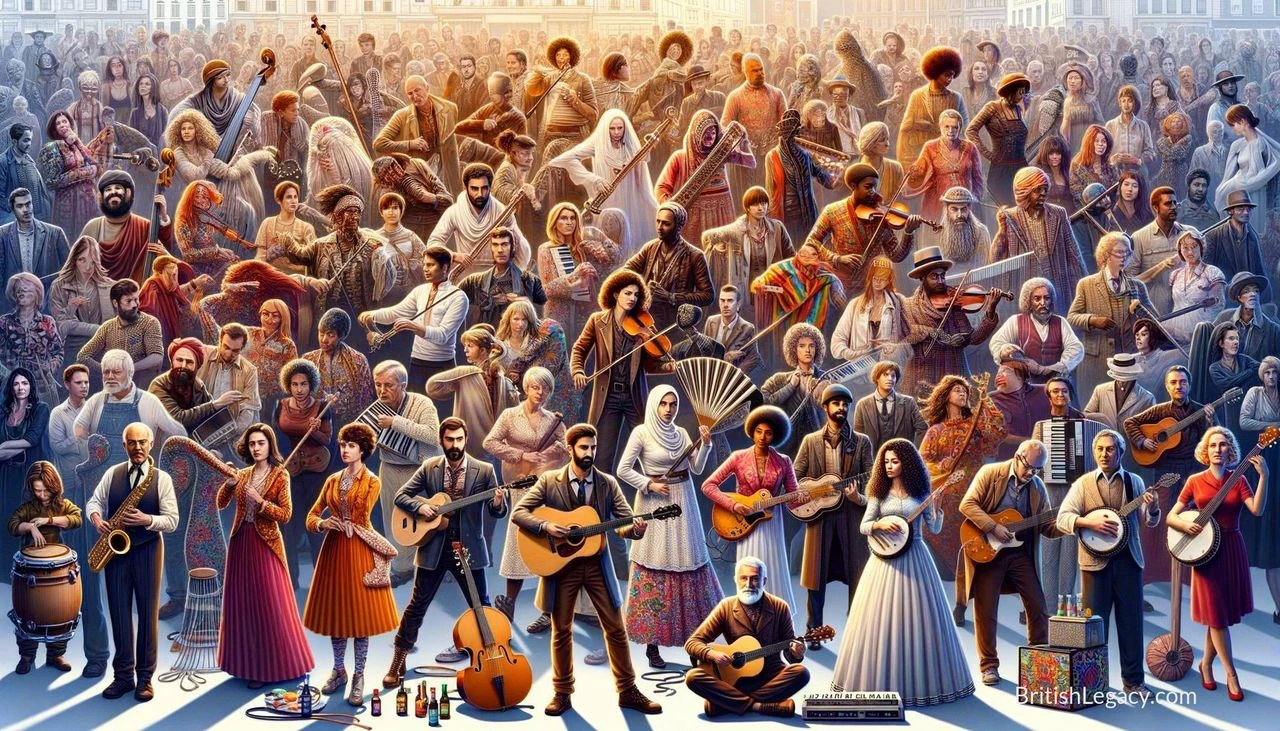
Founded in 1967, Brighton Festival has become a regular spring event in the south-coast city, bringing together work across theatre, music, dance and visual art. Its programme ranges from performances to exhibitions and participatory events, while its guest-director model gives each edition a curator’s perspective. The festival’s local setting and international contributors make it a meeting place for different artistic practices, without reducing its programme to a single discipline.
A festival across the arts
The festival typically runs through May and spans several art forms. Theatre is among its central strands: past programmes have included both reinterpretations of classic work and new productions, including world premieres. The range allows established forms and more experimental approaches to sit within the same festival, although particular productions and themes change from year to year.
Music has also covered varied styles, from classical performance to jazz, rock and world music. The London Philharmonic Orchestra is among the performers featured in the festival’s history. Dance programmes have included contemporary companies as well as traditional troupes, placing distinct movement traditions alongside one another. Together, these strands give the festival a broad programme rather than a single defining genre.
Visual art extends the programme beyond performance. Exhibitions have been shown in galleries across Brighton, with work by local and international artists. The festival’s visual arts offer has also included multimedia installations and interactive displays, inviting visitors to encounter art in formats beyond conventional gallery presentation. Literature is another part of its stated artistic range, alongside theatre, music, dance and visual art.
Brighton, its audiences and its guests
Workshops, talks and participatory events form part of the festival’s community programme. These activities offer residents and visitors ways to take part in arts events as well as attend performances and exhibitions. The festival thus connects its public programme with opportunities for discussion and participation, though the precise events vary between editions.
International artists have also appeared in its programmes, bringing different practices into the city and creating opportunities for artistic exchange. That international dimension sits alongside the festival’s Brighton base: the event is staged across the city, with galleries among the venues used for exhibitions. Its cultural reach is best understood through those specific encounters, rather than as a claim that any one festival represents the whole of British arts.
A guest director shapes the programme for each edition, bringing an individual perspective to the selection of events. Visual artist David Shrigley and author Ali Smith are among those who have taken on the role. The model gives each festival a curatorial focus while retaining the breadth of disciplines that defines the event. It also means the programme can reflect different artistic interests from one year to the next.
Why Brighton Festival deserves a place in British Legacy
Brighton Festival deserves a place in British Legacy because its history and format show how an annual event can bring multiple art forms into one public programme. Founded in 1967, it has presented theatre, music, dance, literature and visual art in Brighton, with performances, exhibitions, talks and participatory activities. The account of its programme includes the London Philharmonic Orchestra, contemporary and traditional dance, and visual work ranging from gallery exhibitions to multimedia installations. These details give the festival a distinctive identity rooted in the city and in the variety of artistic work it presents.
Its guest-director structure adds another lasting feature: curators including David Shrigley and Ali Smith have shaped editions through their own artistic perspectives. Meanwhile, workshops and participatory events provide ways for residents and visitors to engage beyond watching a performance or viewing an exhibition. The festival’s international artists have brought further opportunities for exchange, but its British connection is concrete: it is an established arts event based in Brighton, with a programme that connects artists, audiences and venues in the city. That combination of continuity, breadth and local participation makes it a meaningful part of Britain’s festival culture.