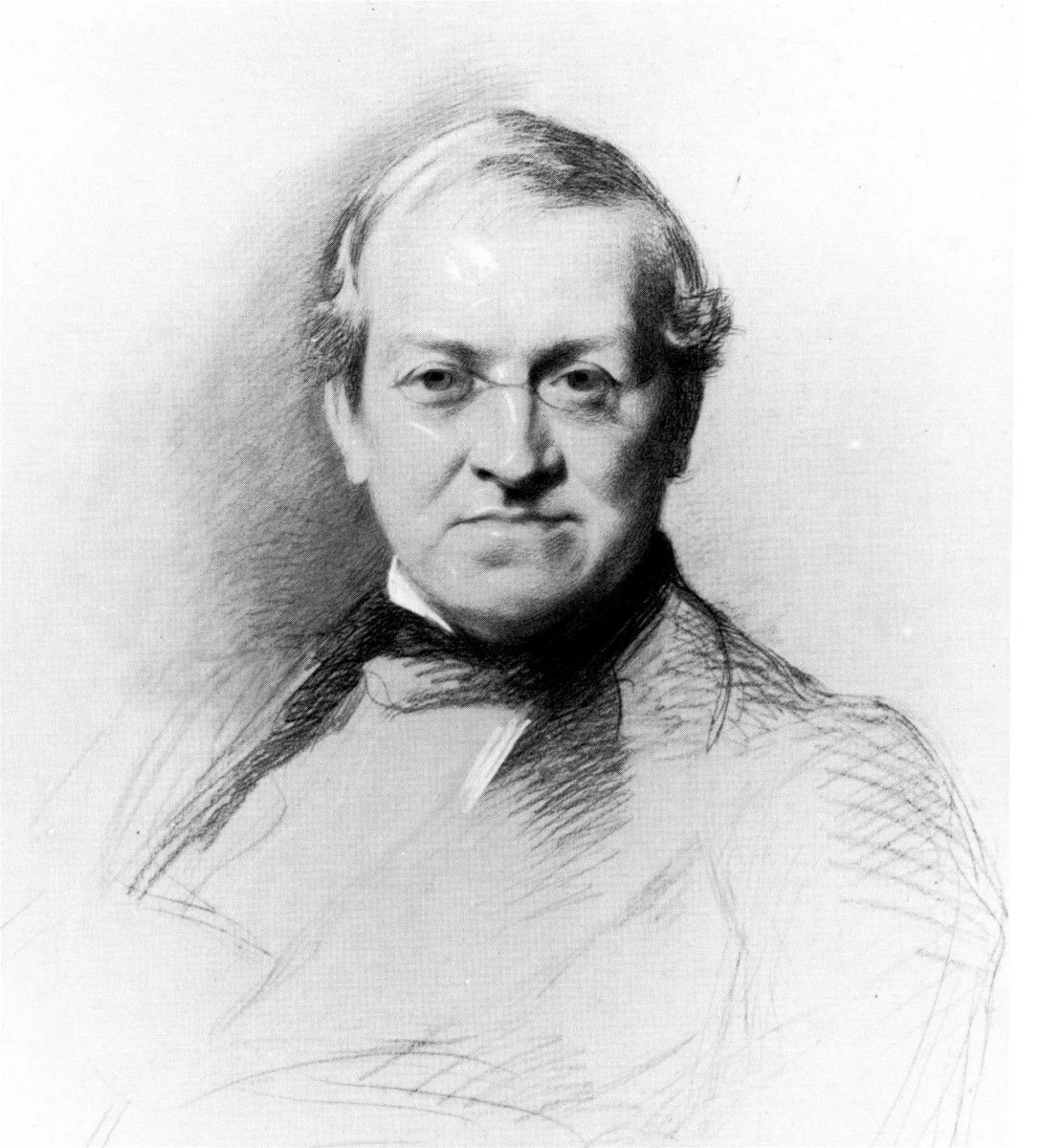
Certainly! Here’s an article focusing on Charles Wheatstone, a pivotal figure in British scientific history.
Charles Wheatstone: The Telegraph Pioneer
The realm of scientific discovery is often punctuated by the contributions of extraordinary individuals whose enduring legacies shape the world as we know it. Among such luminaries is Sir Charles Wheatstone, a British inventor and scientist whose work significantly advanced electrical engineering and telegraphy. Wheatstone's ingenuity and innovations have cemented his position as a cornerstone in the annals of British heritage, influencing not just the United Kingdom but the entire globe.
Early Life and Curiosity
Born on 6 February 1802 in Gloucester, England, Charles Wheatstone's inquisitive mind was evident from a young age. His early foray into the world of music, through his family's musical instrument business, later dovetailed into a fascination with acoustics, optics, and eventually, electricity. This eclectic foundation laid the groundwork for his diverse contributions to the scientific community.
The Telegraph and Communication Revolution
Perhaps Wheatstone's most renowned legacy is his co-invention of the electric telegraph. In collaboration with Sir William Fothergill Cooke, Wheatstone developed and patented the first commercially successful electric telegraph in 1837. This ground-breaking invention transformed communication, allowing messages to be transmitted over long distances in mere moments, an unparalleled improvement over the days or weeks required for traditional mail.
Their telegraph system proved indispensable for the burgeoning railway networks, greatly enhancing safety and efficiency by enabling instant communication between stations. This not only boosted commercial activity but also had profound social and economic impacts, bringing distant regions closer and fostering a more connected society. The telegraph stands as a testament to Wheatstone's brilliance, ushering in a new era of global communication.
The Wheatstone Bridge: A Marvel of Electrical Measurement
In addition to his work on telegraphy, Wheatstone made significant strides in the domain of electrical measurement. The Wheatstone Bridge, an ingenious device he popularised (originally conceived by Samuel Hunter Christie), measures electrical resistance with remarkable accuracy. Introduced in 1843, the bridge became an essential tool for scientists and engineers, facilitating the precise calibration of electrical circuits.
The principle behind the Wheatstone Bridge remains a fundamental concept in electrical engineering and physics education, underscoring Wheatstone's lasting influence on the field. Its simplicity and effectiveness speak volumes about Wheatstone's deep understanding of electrical principles and his knack for practical applications.
Wider Contributions and Legacy
Wheatstone's accomplishments extend beyond telegraphy and electrical measurement. He experimented with the stereoscope, which created three-dimensional images, and delved into the study of acoustics and the Doppler effect. His breadth of work showcases the diversity of his intellectual pursuits and his relentless quest for knowledge.
Knighted in 1868 for his contributions to science and technology, Wheatstone's legacy is celebrated not just for his specific inventions but also for his role in fostering an era of innovation during the Victorian age. His work represented the spirit of the Industrial Revolution, marked by a profound transformation in the way people lived, communicated, and conducted business.
Global Impact and British Heritage
Charles Wheatstone's innovations left an indelible mark on global communication and technology. The electric telegraph, in particular, was an early precursor to modern telecommunications, laying the groundwork for future inventions such as the telephone and the internet. His work exemplifies the ingenuity and forward-thinking that define the British legacy, showcasing how one individual's curiosity and creativity can drive profound societal change.
Wheatstone’s life and contributions are a shining chapter in British history, illustrating how dedication to scientific exploration can yield innovations that transcend borders and generations. His legacy continues to inspire engineers, scientists, and inventors worldwide, highlighting the timeless impact of British ingenuity on global progress.
In summary, Charles Wheatstone's pioneering work on the electric telegraph and the Wheatstone Bridge for measuring electrical resistance stands as a monumental contribution to the great British legacy. His scientific pursuits not only revolutionised communication and electrical engineering but also reinforced the UK's position as a leader in innovation and technological advancement. As we reflect on Wheatstone's life, we celebrate a heritage rich with discovery and progress, forever etched in the annals of history.