Each spring, the Cheltenham Jazz Festival brings live jazz to venues across the Gloucestershire spa town. Established in 1996, it combines performances by international names with opportunities to hear emerging UK artists. Its programme and town-centre setting give the festival a distinctive place in Cheltenham’s cultural calendar.
A festival takes root in Cheltenham
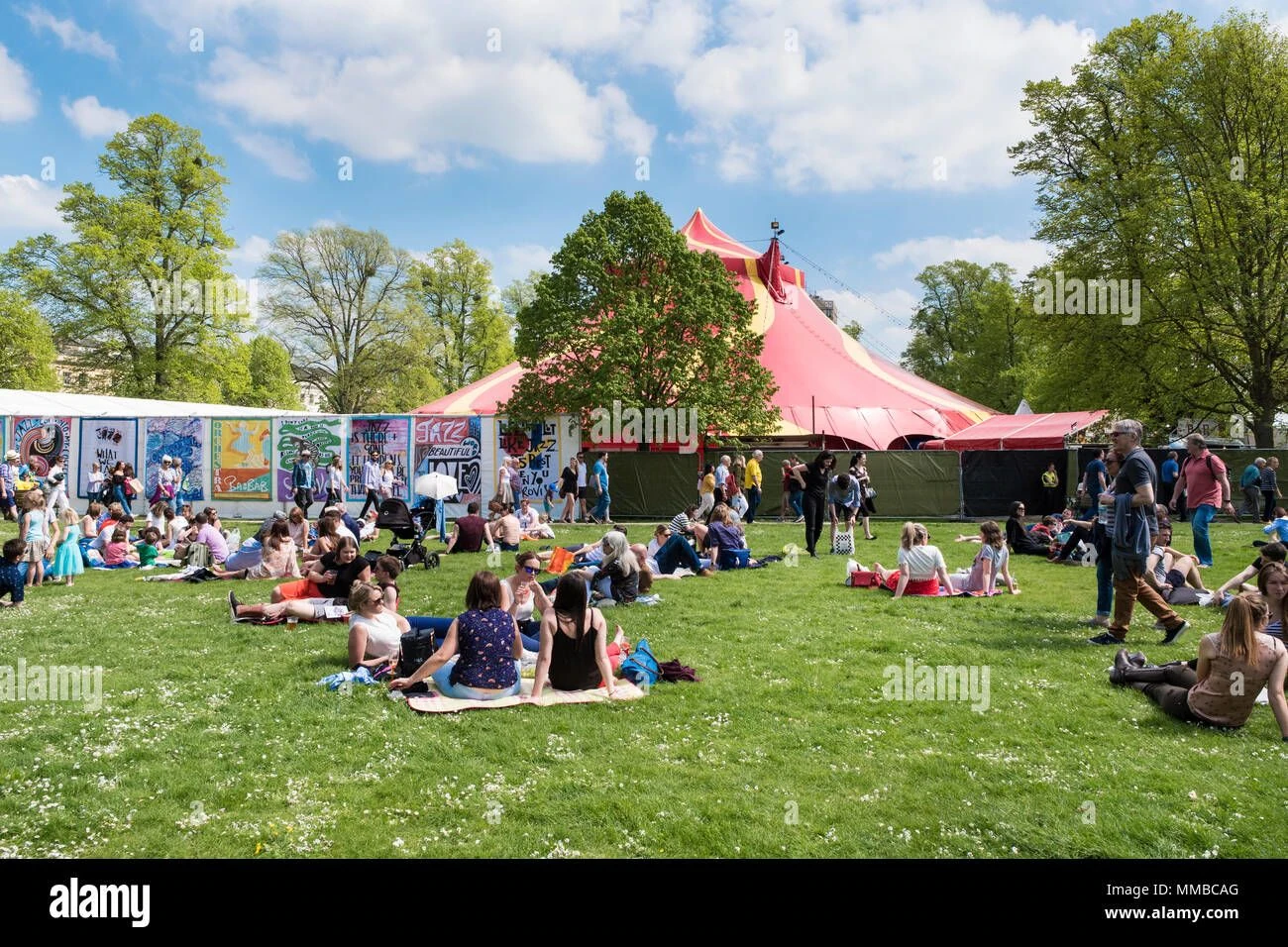
The festival began in 1996 and has developed into a recurring event in the town’s spring calendar. Cheltenham’s Regency architecture and parks provide a setting for performances, while the programme is spread across venues described as ranging from intimate clubs to larger concert halls. That variety allows the event to accommodate different kinds of performance and audiences, rather than concentrating the experience in a single space.
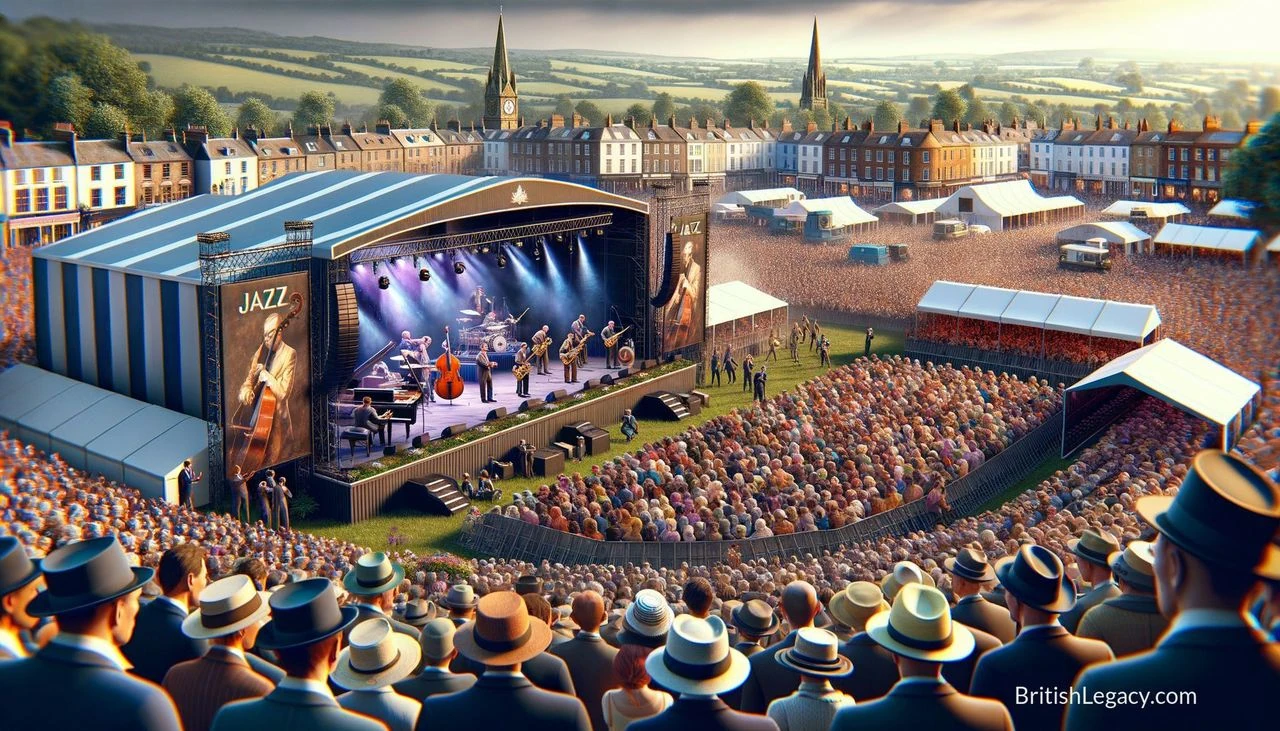
The festival’s profile rests in part on the artists who have appeared there. Herbie Hancock, Jamie Cullum and Esperanza Spalding are among the performers named in accounts of its line-ups. Their presence reflects the festival’s stated mix of internationally recognised musicians and UK talent. The programme has included jazz associated with different styles, from bebop to contemporary fusions, presenting the genre as a broad and changing musical field rather than a single sound.
That range is central to the festival’s appeal: established performers can share a bill with newer artists, and audiences can encounter music beyond one narrow definition of jazz. The festival’s annual return also gives the town a regular occasion around which performances and related activities can be organised. Its contribution is not simply to bring visitors to concerts, but to make live music a visible part of the town’s public life for the duration of the event.
Performances, learning and access
Alongside scheduled concerts, the festival has been described as offering masterclasses, street performances and informal music-making in local cafés. These activities create different ways to take part: a ticketed performance offers a planned concert experience, while a public performance can bring music into shared town spaces. The programme has also included free events alongside ticketed ones, widening the range of opportunities for people who might not attend a full concert.
Education and outreach form another part of the festival’s stated work. Programmes involving local schools and community groups connect live jazz with opportunities to learn about the music and its heritage. Masterclasses, meanwhile, bring musicians and participants together around performance and practice. Such activity gives the festival a role beyond presenting a sequence of concerts: it can introduce new listeners to jazz and provide developing musicians with a setting in which to encounter experienced performers.
The combination of public events, learning opportunities and paid performances suggests a festival designed for more than one kind of audience. Its venues range from small rooms to larger halls; its activities extend from concerts to street events and educational work. Together, these elements make the festival both a showcase for performers and a recurring cultural event for people who live in or visit Cheltenham.
Why Cheltenham Jazz Festival deserves a place in British Legacy
The Cheltenham Jazz Festival deserves a place in British Legacy because it brings an international art form into the civic and cultural life of an English town. Founded in 1996, it has offered a platform for performers including Herbie Hancock, Jamie Cullum and Esperanza Spalding, while also making space in its programme for UK artists. That meeting of established international names and emerging talent gives audiences the chance to hear different approaches to jazz in one festival setting.
Its contribution also reaches beyond the stage. Performances in varied venues, free events, masterclasses and education and outreach work connect concerts with public participation and learning. Those features matter because a festival’s legacy is shaped not only by the artists it presents but by the opportunities it creates for audiences and local communities to encounter music. Rooted in Cheltenham and returning each spring, the festival links the town’s cultural calendar to a wider musical community. Its place in British cultural life lies in that sustained combination of performance, access and education.