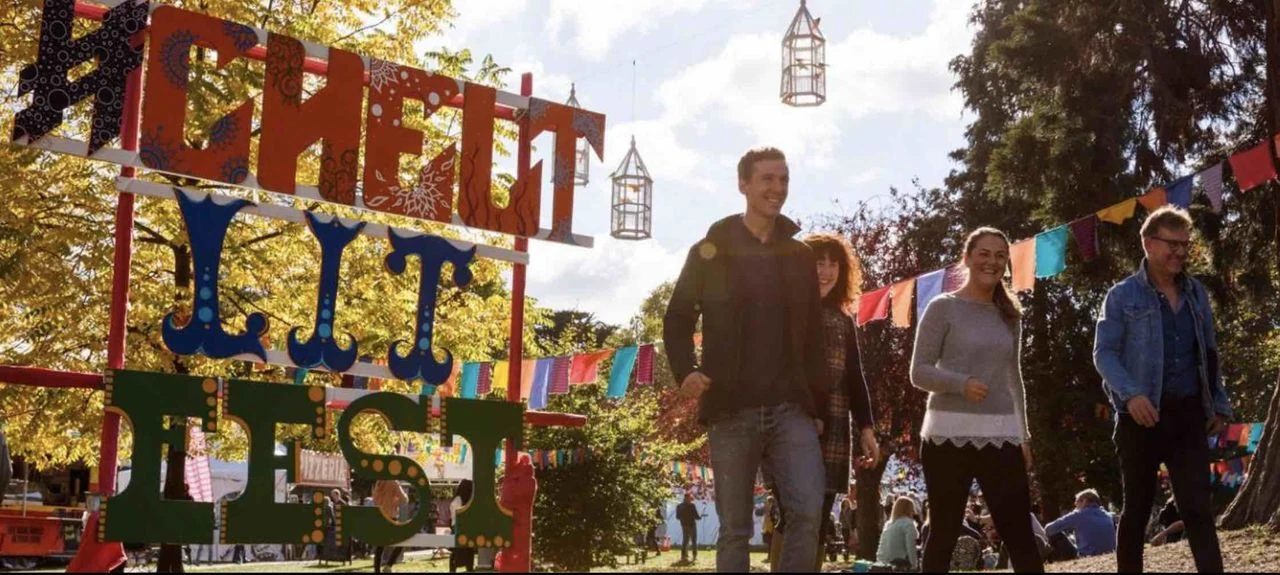
Since 1949, Cheltenham has hosted a literature festival that brings writers and readers together in the Gloucestershire town. Its programme has included author talks, readings and panel discussions on fiction, non-fiction, poetry, politics, history and science. That range places literary work alongside wider subjects, while the event’s public format gives audiences a chance to hear from authors and take part in discussion.
A recurring meeting of writers and readers
The festival began in 1949 with the stated aim of bringing local authors and readers together. The account of its development describes an event that grew in scale and reach, but gives no dates or detailed milestones for that change. Its clearest continuity is the encounter between writers and audiences: a book is not only read privately, but can also become the starting point for a shared conversation.
Talks, readings and panel discussions provide different ways into that exchange. A reading lets an author present a work directly; a talk or panel can set it alongside other ideas and invite questions. The programme’s stated range—from poetry and fiction to politics, history and science—means the festival is not confined to one genre or subject. It brings literary activity into contact with areas of public life and knowledge, without requiring every event to take the same form.
Different voices, varied subjects
Among the figures named as festival guests are authors Salman Rushdie and Hilary Mantel, and physicist Stephen Hawking. The examples span fiction and science, reflecting the breadth of the subjects associated with the programme. The festival has also been described as featuring emerging talents alongside established writers. No particular emerging authors or programme years are identified, so the important point is the stated intention to make room for both familiar names and newer voices.
That combination gives the event more than a roll-call of prominent guests. Its formats bring readers into contact with writers and ideas, while its range offers different points of entry for people interested in literature, public affairs, history or scientific questions. Readings and discussions make the festival a public occasion for encountering work and hearing it considered; they do not, by themselves, establish a particular effect on audiences. The significance lies in the opportunity the programme creates for that encounter.
Why Cheltenham Literature Festival deserves a place in British Legacy
Cheltenham Literature Festival deserves a place in British Legacy for its sustained role as a public literary event in an English town. Established in 1949, it has brought authors and readers together through talks, readings and discussions. Its programme has covered fiction, non-fiction and poetry, as well as politics, history and science. This combination matters because it places literature in conversation with a wider field of ideas, rather than treating the written word as separate from public discussion.
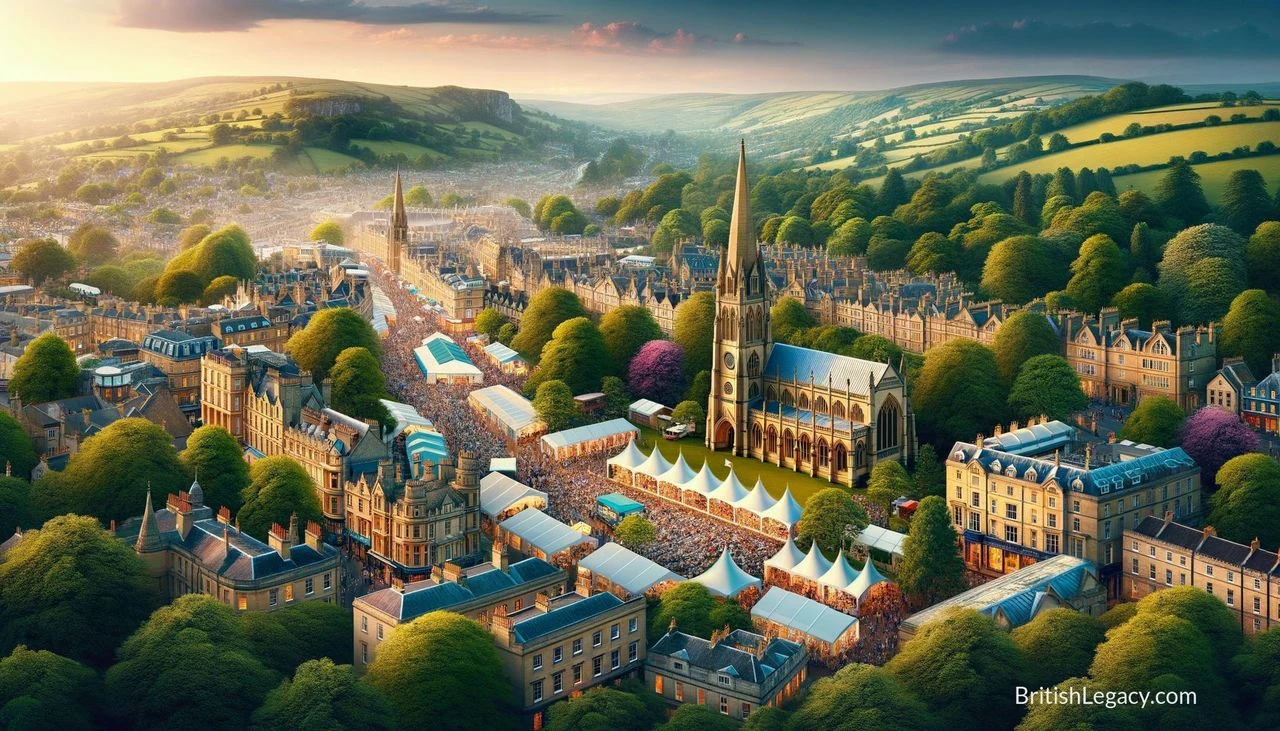
The festival’s British connection is concrete: it has been held in Cheltenham, Gloucestershire, and its continuity gives the town a recurring occasion centred on books, authors and ideas. The named guests—Rushdie, Mantel and Hawking—illustrate the range of voices associated with the event, while the stated inclusion of emerging talent points to a programme not limited to established reputations. Its contribution need not be inflated into a claim of global influence. The evidence supports a more grounded legacy: a long-running place where readers can encounter writers, hear work presented and discuss subjects across literary and intellectual life.