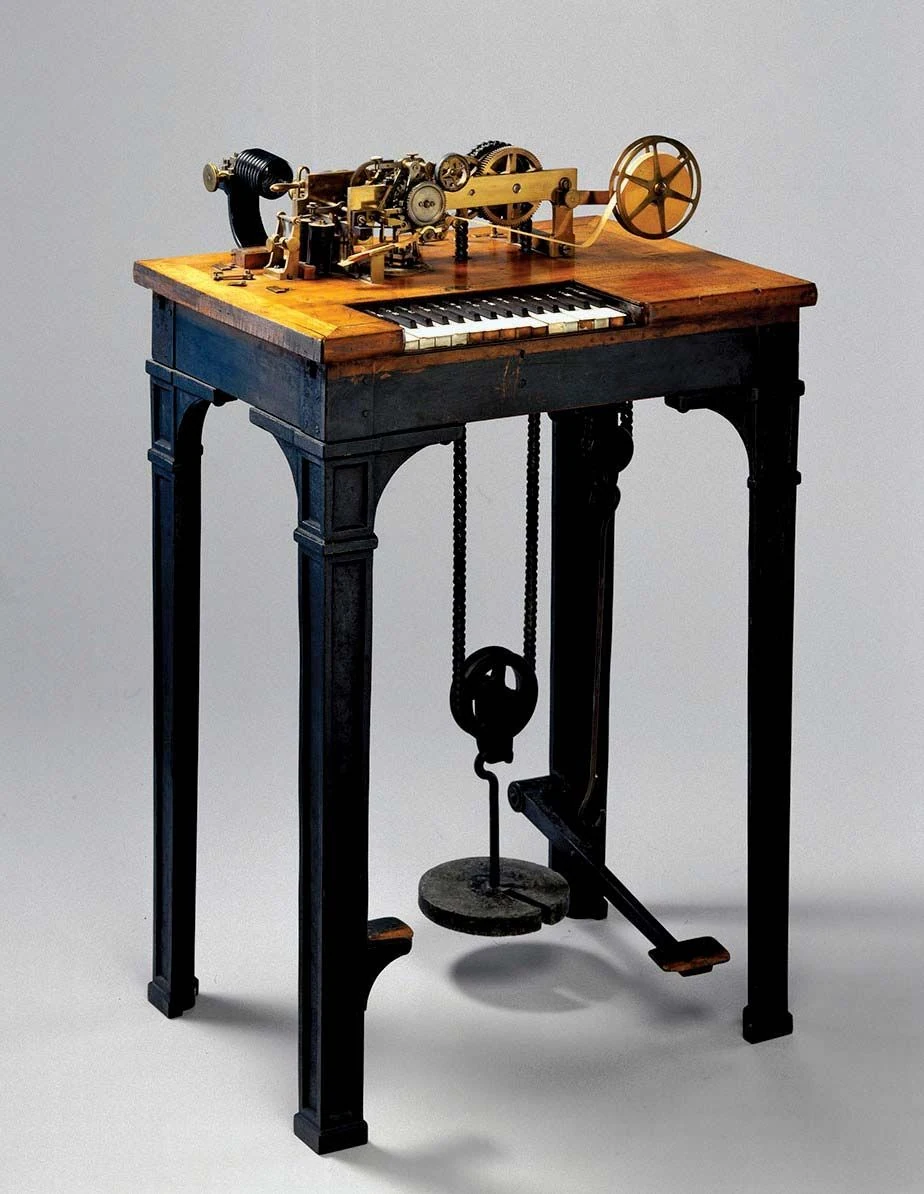
David E. Hughes: The Unsung Architect of Modern Communication
In the rich tapestry of British innovation, David Edward Hughes stands as an eminent figure whose pioneering work in the realms of communication has profoundly shaped modern society. Though his name may not be as widely recognised as those of some of his contemporaries, Hughes’ contributions to the development of the carbon microphone and wireless telegraphy have left an indelible mark on the British legacy and the world at large.
The Early Years and the Spark of Genius
David E. Hughes was born on 16 May 1831 in London, before moving to America where his future as an inventor began to unfold. His early career was marked by a deep fascination with electro-magnetism and acoustics, passions that would later lead to groundbreaking advancements in communication technology. By the tender age of 19, Hughes was already making significant strides in telephony and telegraphy.
The Carbon Microphone: A Leap in Sound Reproduction
Perhaps Hughes’ most renowned invention is the carbon microphone, a device that revolutionised sound transmission. Prior to its invention, microphones were rudimentary and often unreliable, limiting the clarity and range of sound they could capture. Hughes' carbon microphone, patented in 1878, utilised the varying resistance of carbon granules pressed between two conductive materials. When sound waves struck the diaphragm of the microphone, the carbon particles would compress and expand, converting sound into electric signals with remarkable clarity and consistency.
This innovation did not just enhance the nascent field of telecommunication; it made possible the development of the telephone as we know it. Hughes’ carbon microphone provided the necessary sensitivity and fidelity to transform Alexander Graham Bell's invention from a scientific curiosity into a practical and commercial success, catalysing the birth of global communication networks.
Pioneering Wireless Telegraphy and Radio Transmission
In the late 19th century, Hughes turned his attention to an even more ambitious endeavour: wireless telegraphy. At the time, communication was tethered by miles of telegraph wire, limiting its reach and feasibility across vast distances. In 1879, Hughes demonstrated the transmission of Morse code signals without the use of wires. His experiments, though initially greeted with scepticism, laid the groundwork for radio communication.
Using rudimentary apparatus, Hughes demonstrated that electromagnetic waves could indeed carry information wirelessly, a concept that would be further developed by subsequent scientists like Heinrich Hertz and Guglielmo Marconi. While Hughes humbly considered his findings to be mere curiosities—never fully capitalising on them—their long-term impact on the development of radio cannot be overstated. Hughes’ work was undeniably foundational, propelling future advancements and cementing his place in the annals of technological evolution.
A Legacy of Quiet Brilliance
Despite the monumental nature of his contributions, Hughes remained a modest man, often working in the shadows of greater public acclaim. His inventions were crucial building blocks in the age of electronic communication, acting as cornerstones for technologies that would forever alter human interaction. For instance, the impact of his carbon microphone can be traced forward to modern smartphones, and his exploration of wireless communication prefigured the global reliance on Wi-Fi and cellular networks.
Moreover, Hughes’ scientific curiosity and drive exemplify the quintessential spirit of British ingenuity. His work epitomises the kind of innovative thinking that has repeatedly placed Britain at the forefront of technological advancement.
In conclusion, David E. Hughes’ contributions to the carbon microphone and early wireless telegraphy represent a significant chapter in the storied legacy of British innovation. While his name may not dominate history books, the reach of his ingenuity is undeniably vast, impacting countless aspects of contemporary life. Hughes’ life and work remind us that even those who shy away from the limelight can change the world, one spark of genius at a time. Through his inventions, Hughes has indeed secured an enduring place in the great British heritage, influencing global communication and leaving a lasting legacy of quiet brilliance.