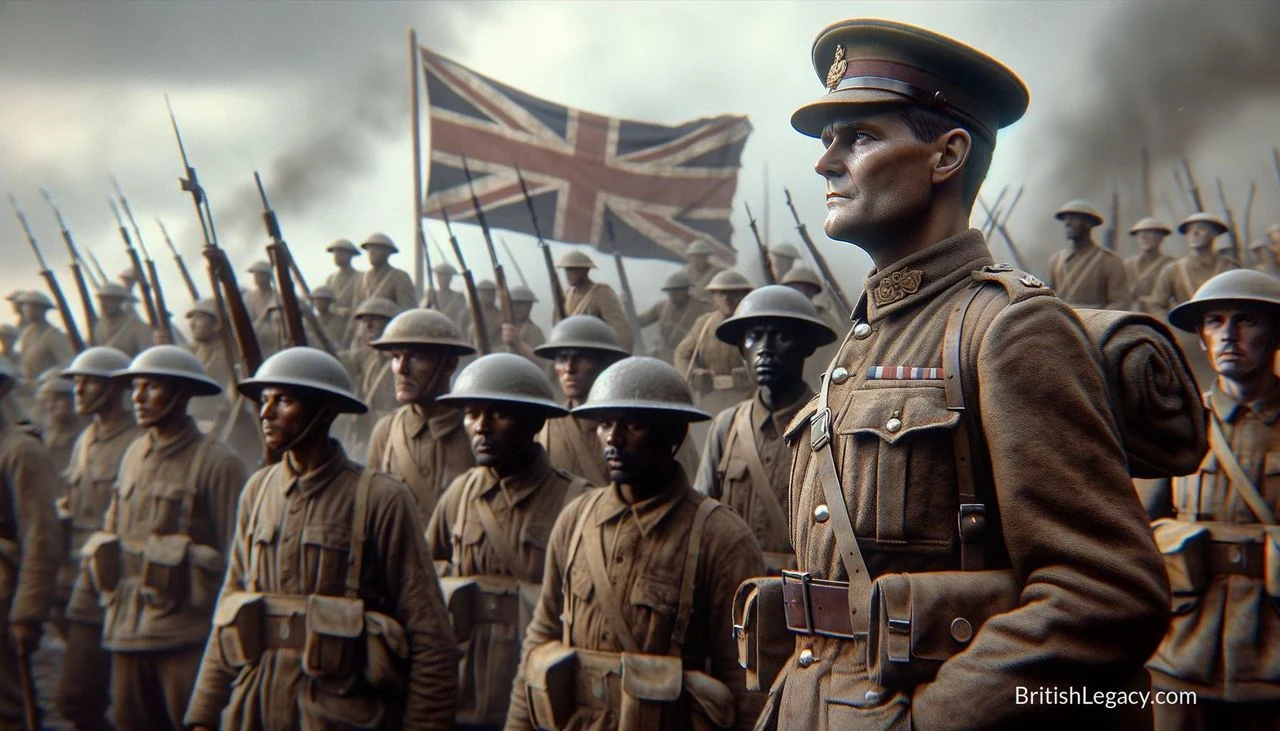
Field Marshal William Slim: The Unsung Hero of British Military Prowess
Few names in the annals of British military history resonate with the quiet yet resolute strength as that of Field Marshal William Slim. His intrepid leadership during World War II, especially in the hostile theatres of Burma, not only shaped the destiny of the British Army but also left an indelible mark on the great British legacy. As we delve into his contributions, we unearth the tale of a man whose strategic genius and empathetic command fortified the spirit of the Commonwealth forces and secured a pivotal victory in the Far East.
Military Career: Rising Through the Ranks
William Slim was born on 6th August 1891 in Bristol, and his journey from modest beginnings to the highest echelon of military command is both inspiring and illustrative of his sheer determination. Slim began his military career in the Royal Warwickshire Regiment during the First World War, where he demonstrated remarkable bravery and quickly rose through the ranks. His gallantry earned him the Military Cross but it was his strategic acumen and humane leadership style that truly distinguished him.
The Theatre of War: The Campaign in Burma
The Burmese campaign during the Second World War was one of the most grueling and strategically critical operations undertaken by British and Commonwealth forces. In early 1942, the Japanese forces had begun their advance into Burma, threatening to cut off a vital supply line to China and aiming to gain control over Southeast Asia. It was against this dire backdrop that William Slim assumed command of the British Fourteenth Army in 1943.
Slim inherited a demoralised and fragmented force, ill-prepared for the brutal jungle warfare that lay ahead. His first task was to reconstitute and inspire these troops, fostering a sense of unity and purpose. Slim's approach was both strategic and empathetic. He understood the importance of leading from the front and was known for his direct engagement with soldiers, boosting their morale through both words and deeds.
Under Slim’s leadership, the British forces executed the brilliant defensive and offensive operations that would become hallmarks of his command. The battles of Imphal and Kohima in 1944 were turning points. Known as the “Stalingrad of the East”, the Battle of Imphal and Kohima stopped the Japanese advance and marked the beginning of a relentless pushback by British forces. Slim’s meticulous planning and ability to adapt to the harsh jungle terrain were instrumental in these victories.
Leadership Principles and Legacy
Field Marshal Slim's leadership was characterised by his remarkable ability to empathise with his men. He believed that good leadership was about self-discipline, integrity, and the tenacity to persevere in the face of adversity. His memoir, "Defeat into Victory," encapsulates his philosophy and the arduous journey towards the Allied success in Burma. Slim’s reflections offer invaluable insights into the importance of adaptability, resilience, and the human element in military strategy.
Beyond the battlefield, Slim’s contributions continued. After the war, he was appointed Chief of the Imperial General Staff, and later he served as Governor-General of Australia from 1953 to 1960. His tenure in these roles further cemented his impact, as he worked to modernise the British Army and strengthened Commonwealth ties.
A Lasting Impact
Field Marshal William Slim’s legacy extends far beyond his military achievements. His exemplary leadership not only safeguarded vital territories during one of history’s most challenging conflicts but also embodied the enduring spirit of resilience and commitment that is a cornerstone of the British legacy. He is commemorated through various military institutions and continues to be a figure of study and admiration for military scholars and leaders worldwide.
Slim’s story is a testament to the power of leadership grounded in empathy, strategic foresight, and unwavering determination. His contributions played a crucial role in shaping the outcome of the Second World War in Southeast Asia, underpinning the broader narrative of British resilience and excellence. Through his life and service, Field Marshal William Slim has left an indelible mark on the chronicles of British heritage, inspiring future generations to pursue leadership with integrity and courage.