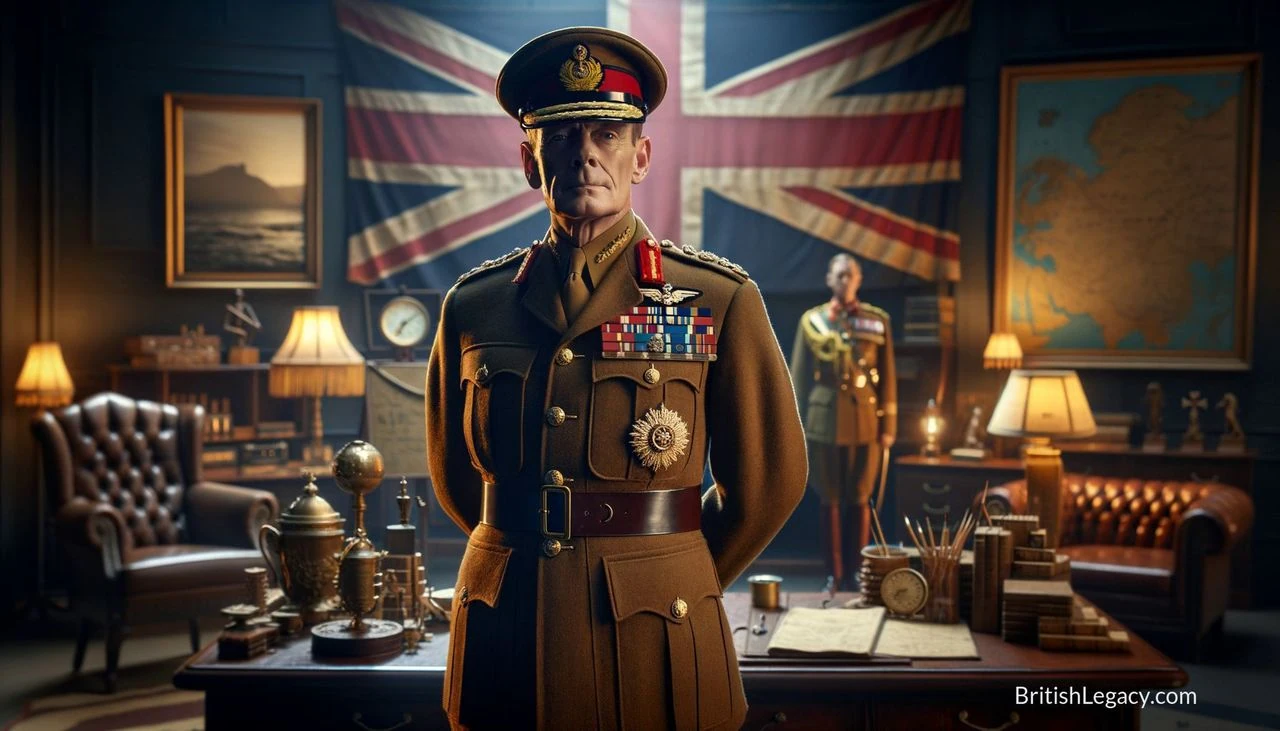
General Sir Alan Brooke: The Strategic Architect of Allied Victory in World War II
In the annals of British military history, few names resonate with the profound strategic foresight and unyielding dedication as that of General Sir Alan Brooke, later ennobled as Viscount Alanbrooke. Commanding respect both within the United Kingdom and among the global military community, Brooke’s influence during World War II was nothing short of monumental. As Chief of the Imperial General Staff (CIGS) from 1941 to 1946, he played an instrumental, yet often understated, role in shaping the Allied victory against the Axis powers, thereby cementing his legacy as a paragon of British strategic genius.
The Early Years and Military Foundations
Born on 23 July 1883 in Bagnères-de-Bigorre, France, Sir Alan Brooke's early years were marked by a robust education and initial military engagements that would forge his tactical acumen. Educated in France and subsequently at Wellington College and the Royal Military Academy, Woolwich, Brooke was equipped with a solid foundation in military science. His early service in the Royal Artillery during World War I honed his battlefield command skills, earning him recognition for his exceptional leadership and strategic insight.
Ascension to Chief of the Imperial General Staff
Brooke's deep understanding of military operations and his prescient strategic mind saw him rise swiftly through the ranks. By December 1941, amidst the tumult of World War II, Winston Churchill appointed Brooke as Chief of the Imperial General Staff. This role positioned him at the epicentre of Britain's top military decision-making—a testament to his formidable reputation and expertise.
Architect of Victory: Strategic Planning and Military Operations
As CIGS, Brooke's contributions were multifaceted and critical to the Allied war effort. His meticulous planning and decisive strategies were pivotal in several key campaigns. Perhaps most notable was his role in the comprehensive planning of Operation Overlord, the Allied invasion of Normandy in 1944. Brooke's ability to balance competing strategic interests, orchestrate vast logistical undertakings, and anticipate enemy movements underpinned the success of this turning point in the war.
A Stalwart Adviser to Churchill
Brooke's relationship with Prime Minister Winston Churchill is a fascinating facet of his legacy. The dynamic between the two men—marked by mutual respect, occasional tension, and a shared commitment to victory—proved to be a cornerstone of the Allied command structure. While Churchill's optimism and boldness often clashed with Brooke's cautious pragmatism, their combined efforts resulted in a balanced and effective wartime strategy. Brooke's candid diary entries, later published, reveal the complexity of their interactions and underscore his crucial role in tempering Churchill's more audacious plans with realistic military counsel.
Legacy and Impact on the British Heritage
The end of World War II did not diminish Brooke's influence or the profound respect he commanded. Elevated to the peerage as Viscount Alanbrooke, his post-war years saw him contributing to the historical and academic understanding of the conflict. His meticulous and articulate diaries offer an invaluable resource for historians and military scholars, providing deep insights into the high-stakes decision-making process of wartime Britain.
Brooke's legacy, however, extends beyond mere historical record. His strategic brilliance, unwavering dedication to duty, and ability to inspire and command at the highest levels of military operations constitute an enduring testament to British military prowess. His life and service are emblematic of the qualities that define the great British legacy—perseverance, ingenuity, and an unwavering commitment to the greater good.
Conclusion
General Sir Alan Brooke remains an indelible figure in the story of Britain's triumphs and tribulations during World War II. His strategic acumen, steadfast leadership, and collaborative spirit with his contemporaries not only shaped the successful outcome of the war but also underscored the indomitable spirit of the British armed forces. As future generations reflect on the pillars of British heritage, the contributions of Viscount Alanbrooke will undoubtedly stand as a beacon of strategic brilliance and patriotic dedication—hallmarks of a legacy that continues to inspire and resonate worldwide.