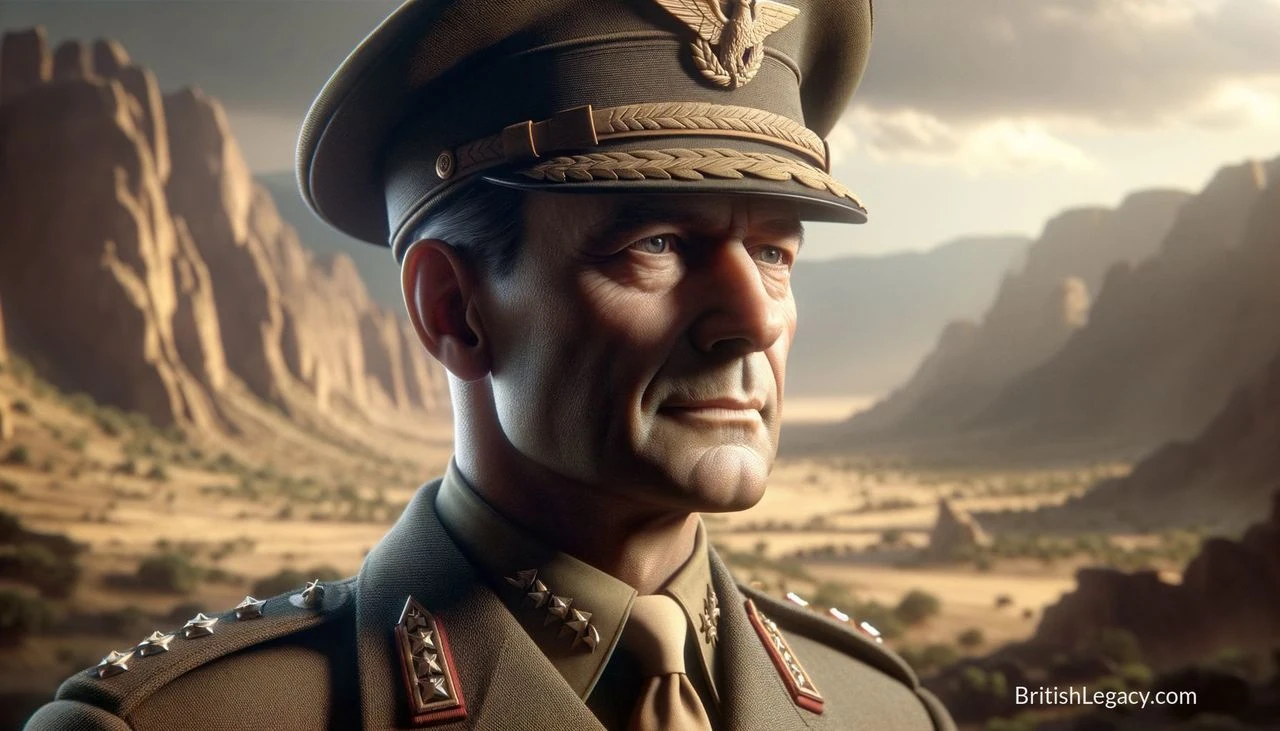
General Sir Archibald Wavell: A Pillar of British Military Prowess and Legacy
Once Upon a Time in the Sands of Destiny
The annals of British history are threaded with the valor, intellect, and unwavering dedication of its most distinguished sons and daughters. Amongst the pantheon of military minds who have shaped the legacy of Britain, General Sir Archibald Wavell stands tall. His name, often evoked in hushed reverence, encapsulates the quintessence of British resilience and strategic acumen, particularly during the turbulent years of World War II.
The Early Years: Foundations of a Leader
Born on 5 May 1883 in Colchester, Essex, Archibald Percival Wavell was destined for a life of military distinction. Educated at the Royal Military College, Sandhurst, and commissioned into the British Army in 1901, Wavell's early career saw action in the Second Boer War and on the Western Front during World War I. His notable tenacity and keen strategic mind were honed in these formative years, laying the groundwork for the colossal roles he would assume in later life.
In the Theatres of War: North Africa and Greece
As World War II erupted, Wavell was appointed Commander-in-Chief of Middle East Command in July 1939. It was a position of immense responsibility, overseeing operations across a swathe of territories including Egypt, Sudan, Palestine, and regions that would become pivotal battlegrounds. His name became synonymous with the North African Campaign, a theatre marked by the harsh desert environment and shifting sands of fortune.
Operation Compass and the Battle for North Africa
Perhaps Wavell’s most notable contribution to the British legacy was his orchestration of Operation Compass in December 1940. A daring offensive against Italian forces in North Africa, this operation exemplified Wavell’s tactical ingenuity and decisiveness. With a relatively small force, Wavell’s troops achieved a series of rapid successes, capturing tens of thousands of Italian soldiers and severely depleting the Axis presence in the region. These victories provided a much-needed morale boost to Allied forces and significantly altered the strategic landscape in the Mediterranean.
The Greek Campaign: Sacrifice and Strategy
Following the triumphs in North Africa, in March 1941, Wavell turned his attention to Greece. Responding to a plea for assistance from the Greek government, whose forces were beleaguered by the Axis powers, Wavell led a brave, albeit ultimately ill-fated, campaign. Despite his strategic acumen, the realities of limited resources and overwhelming enemy strength led to one of the war’s more tragic chapters. Yet, Wavell’s decision to assist Greece, despite the odds, echoed the British values of solidarity and sacrifice.
Leadership Beyond the Battlefield
General Wavell’s influence transcended the battlefield. In 1943, he was appointed Viceroy of India, where he navigated the complex political landscape with the same strategic vigour he demonstrated in military campaigns. His tenure in India, though wrought with its own challenges, underscored his adaptability and unwavering commitment to the crown.
Legacy of a Gentleman General
Sir Archibald Wavell’s contributions to the British legacy are manifold. He was not merely a military commander but a scholar, a poet, and a statesman—traits that imbued his leadership with a profound depth of character. Wavell’s memoirs and writings remain a testament to his reflective nature and his insights into the human cost of warfare.
In the grand narrative of British history, Wavell’s name is inscribed with honour. His campaigns in North Africa and Greece, marked by both triumph and adversity, exemplify the indomitable spirit of the British forces during World War II. His strategic brilliance and steadfast resolve in the face of daunting challenges cement his place as a monumental figure in the tapestry of Britain’s military heritage.
Conclusion: A Historical Beacon
General Sir Archibald Wavell’s legacy is a beacon of British strength, resilience, and integrity. His life’s work contributed significantly to the Allied war effort and left an indelible mark on the history of the British Empire. As we reflect on the great British legacy, his story serves as a poignant reminder of the courage and leadership that have sculpted the nation’s enduring legacy on the world stage.