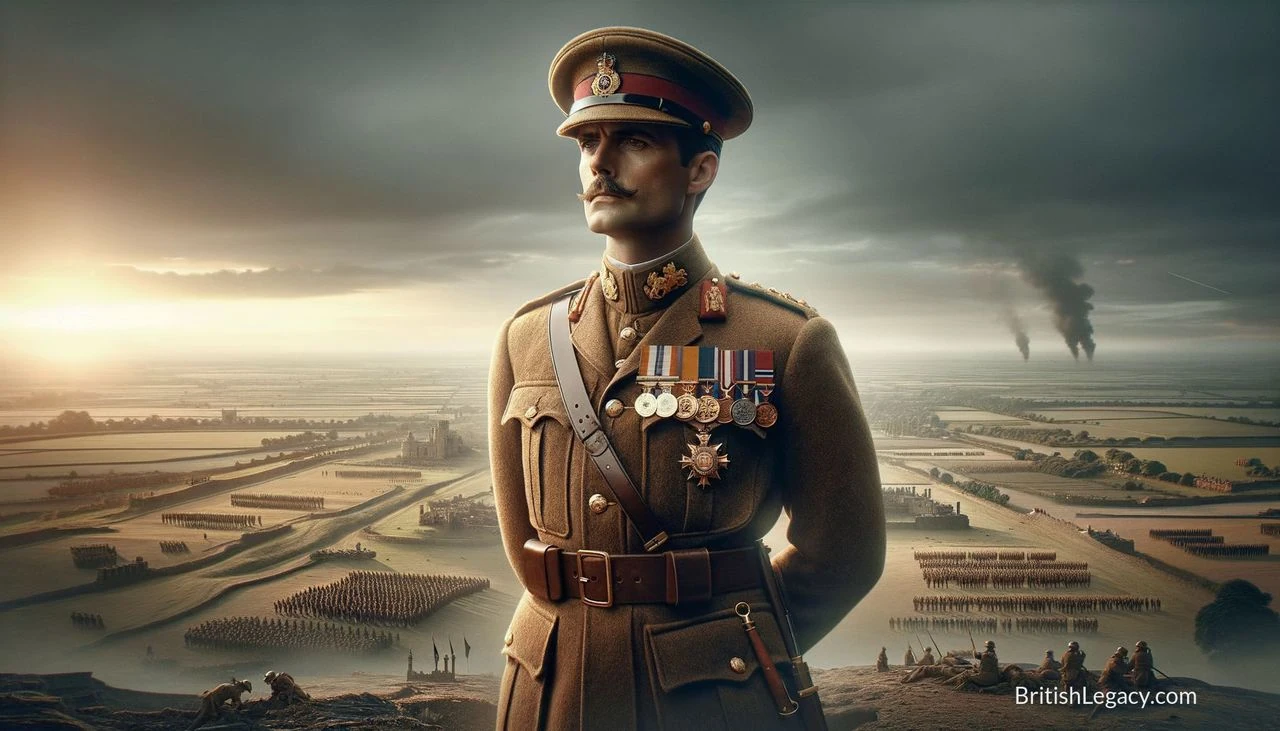
General Sir Charles Monro: The Architect of Strategic Withdrawal and Defender of the British Empire
In the annals of British military history, few figures command the same level of respect and significance as General Sir Charles Monro. His contribution to British legacy, particularly during the First World War, stands as a testament to strategic brilliance, prudent decision-making, and unwavering dedication to duty. His legacy is not merely one of military prowess but one that shaped the direction and fortunes of the British Empire in some of its most trying times.
Origins and Early Military Career
Sir Charles Carmichael Monro was born on the 15th of June, 1860, at his family home in London. His military career began with his commission into the Gordon Highlanders in 1879. Swiftly proving his mettle, Monro climbed the ranks, thanks to his exceptional leadership and tactical acumen. He saw active service in the Second Boer War and the Sudan campaigns, which honed his abilities in both conventional and guerrilla warfare.
Gallipoli Campaign: The Unwanted Legacy
Monro’s most renowned—and perhaps most controversial—contribution to the British military narrative was during the ill-fated Gallipoli Campaign in 1915. Originating as a bold attempt to knock the Ottoman Empire out of the war, the landings at Gallipoli soon turned into a protracted and bloody stalemate. When Monro was appointed Commander of the Mediterranean Expeditionary Force, he inherited a dire situation fraught with logistical nightmares, inadequate planning, and fierce resistance.
Monro's decisive and perhaps career-defining moment came when he advised an immediate and complete evacuation of the Gallipoli Peninsula. His recommendation was initially met with hesitation, but it was his pragmatic assessment of the untenable conditions – a calculated decision that prioritised the preservation of British and allied lives over a futile continuation of the assault—that marked him as a leader of discernment and courage.
The Gallipoli Evacuation
Monro’s evacuation plan was executed with remarkable skill and precision. Over 80,000 troops were withdrawn without a single life lost—a sheer logistical miracle. This operation remains one of the most successful evacuations in military history and stands as a haunting reminder of the complexities and tragedies of war. While Gallipoli was a failure, Monro’s role turned what could have been a catastrophic disaster into a poignant lesson in the importance of strategic withdrawal and humility.
Western Front and Beyond
Following Gallipoli, Monro was appointed to command the British First Army in France, where his strategic insights continued to benefit the British war effort. His calm demeanor and careful planning contributed significantly to the management and morale of troops amidst the grinding trench warfare.
India Command: Extension of Influence
In the latter stages of the First World War, Monro took on the role of Commander-in-Chief of British forces in India. This period was critical, as the British Raj faced increased political unrest and the need to deploy Indian troops in various theatres of the Great War. Monro's adept governance and strategic deployment strategies helped maintain stability in India, ensuring that the subcontinent remained a crucial auxiliary to the British war effort.
Legacy and Impact
General Sir Charles Monro's legacy is manifold. While his name is often synonymous with the Gallipoli evacuation, his contributions extend well beyond a single event. Monro exemplified the qualities of a true military leader: strategic foresight, tactical adaptability, and an unwavering commitment to duty. His actions during the Gallipoli Campaign saved countless lives and redirected British military resources more effectively, potentially altering the course of the war.
Moreover, his work in India underscored the importance of colonial troops and the delicate balance required to maintain control over the vast British Empire. Monro’s career thus reflects much of what defined British military leadership during the early 20th century—a blend of bravery, practicality, and a certain understated heroism.
In recognition of his service, Monro was made a Knight Grand Cross of the Order of the Bath, among other honours. He retired with the rank of Field Marshal and lived out his remaining years with the respect and admiration of both his contemporaries and posterity. He passed away on 7 December 1929, leaving behind a legacy deeply entrenched in the annals of British military history.
Wrap-Up
General Sir Charles Monro’s story is one of resilience, intelligent leadership, and the unyielding strength of character. His actions during one of the most turbulent periods of the British Empire showcase the complexities and demands of military command. Monro’s legacy, woven into the fabric of British history, continues to be a point of reference for military scholars and historians, proving that sometimes, the greatest acts of courage involve recognising when to fight and when to withdraw.
It is this balance of valor and wisdom that firmly cements General Sir Charles Monro as a pivotal figure in shaping the great British legacy, not only at home but across the world.